Necklace Bezel Troubleshooting: Fix Loose Stones & Scratches
Learn how to troubleshoot and fix common necklace bezel issues, from loose gemstones and scratched metal to structural failures and dents.

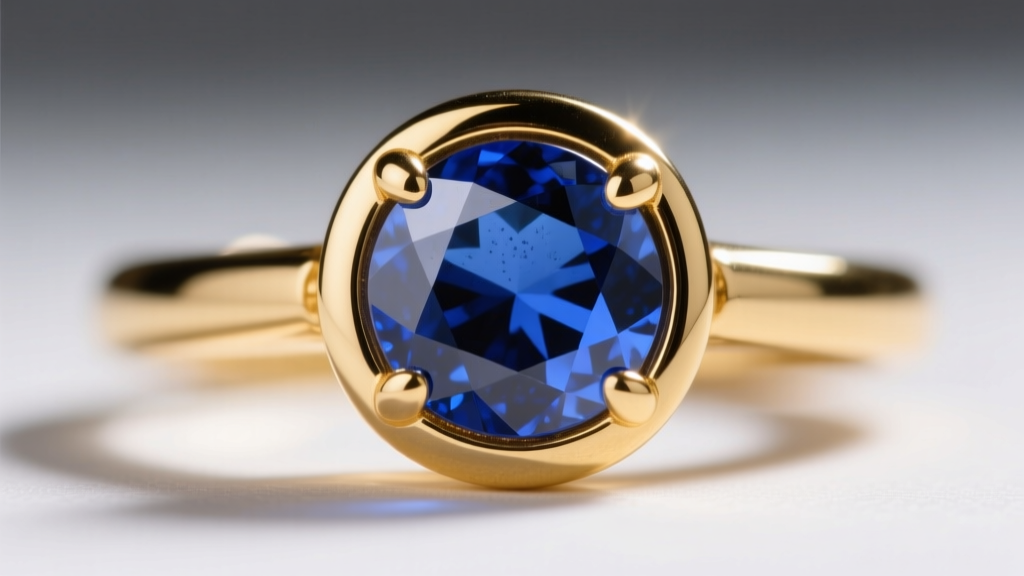
The bezel setting is widely considered the most secure and durable method for mounting gemstones in pendant jewelry. By encasing the entire girdle of a stone in a continuous metal rim, a necklace bezel protects the fragile edges from impact and snagging. However, despite its reputation for invincibility, bezel settings are not immune to wear, tear, and structural failure. Because pendants are subjected to the unique 'pendulum effect'—constantly swinging, catching on clothing, and pulling against the bail—the metal surrounding your gemstone can fatigue, warp, or scratch over time.
If you have noticed your favorite gemstone rattling, or if the metal rim looks battered, immediate troubleshooting is required to prevent catastrophic stone loss. This comprehensive guide will walk you through the metallurgy, diagnostics, and repair protocols for fixing a damaged or loose necklace bezel.
Diagnosing the Rattle: Why Stones Come Loose
The most common complaint among pendant wearers is a faint rattling sound or visible movement of the gemstone within the setting. Before attempting any repairs, you must identify the root cause of the failure. Grab a 10x triplet jeweler's loupe and perform a visual inspection under bright, direct light.
The Physics of Bezel Failure
A properly executed bezel relies on a precisely cut 'seat' or bearing—a microscopic shelf inside the metal wall where the gemstone rests. The top edge of the metal is then burnished over the crown of the stone. Loose stones typically occur due to three specific issues:
- Metal Fatigue and Work Hardening: Repeated impacts against the chest wall can cause the metal rim to work-harden and slightly spring back, breaking the tension holding the stone.
- Improper Wall Thickness: According to expert metalsmiths at Ganoksin, a bezel wall should ideally be between 0.5mm and 0.8mm thick for 14k or 18k gold. If a manufacturer used 0.3mm bezel wire to save on gold weight, the rim is simply too thin to maintain structural tension and will warp easily.
- Thermal Shock: Moving from extreme cold to hot environments can cause the metal to expand and contract at a different rate than the gemstone, temporarily breaking the seal and allowing debris to enter the setting.
The DIY vs. Professional Repair Matrix
Deciding whether to tighten a necklace bezel at home or take it to a professional jeweler depends heavily on the metal type, the gemstone's hardness, and the severity of the gap. Use the matrix below to evaluate your repair options.
| Issue Identified | Metal Type | DIY Feasibility | Required Tools | Professional Cost (Est.) |
|---|---|---|---|---|
| Minor gap (under 0.2mm) | Sterling Silver / 22k Gold | High | Bezel roller, tape | $25 - $45 |
| Minor gap (under 0.2mm) | 14k / 18k Gold / Platinum | Low (High Risk) | N/A (Seek Pro) | $40 - $75 |
| Severe rattle / Stone spinning | Any Precious Metal | None | N/A | $60 - $120 (Requires re-seating) |
| Deep dents in the metal wall | Platinum (PT950) | None | N/A | $150+ (Laser welding required) |
Step-by-Step Troubleshooting: Tightening a Loose Bezel

If you are working with a softer metal like sterling silver or high-karat gold, and the stone is only slightly loose, you can attempt a minor tightening. Never use flat-nose pliers or tweezers to squeeze a bezel. This will leave deep gouges and apply uneven pressure, which can cleave stones like emeralds or opals.
The 45-Degree Burnishing Technique
- Protect the Stone: Apply a single layer of painter's tape over the gemstone, cutting a precise hole just large enough to expose the edge where the metal meets the stone.
- Secure the Pendant: Clamp the pendant bail gently in a wooden ring clamp or hold it firmly against a leather bench block. Do not hold the chain, as the tension will snap the links.
- Use a Bezel Roller: A steel bezel roller has a slightly rounded, polished face. Place the roller against the bezel wall at a 45-degree angle. Apply firm, steady pressure and roll the metal toward the stone.
- Work in Opposites: Never push one side continuously. Push North, then South. Then East, then West. This ensures the stone remains centered in the bearing and prevents the metal from buckling.
- Final Burnish: Once the gap is closed, use a polished steel burnisher held completely flat (90 degrees) against the rim to smooth out any tool marks.
For detailed tutorials on setting techniques and tool selection, the Rio Grande metalsmithing library offers exceptional visual guides on managing metal tension.
Addressing Scratches, Dents, and Metal Fatigue
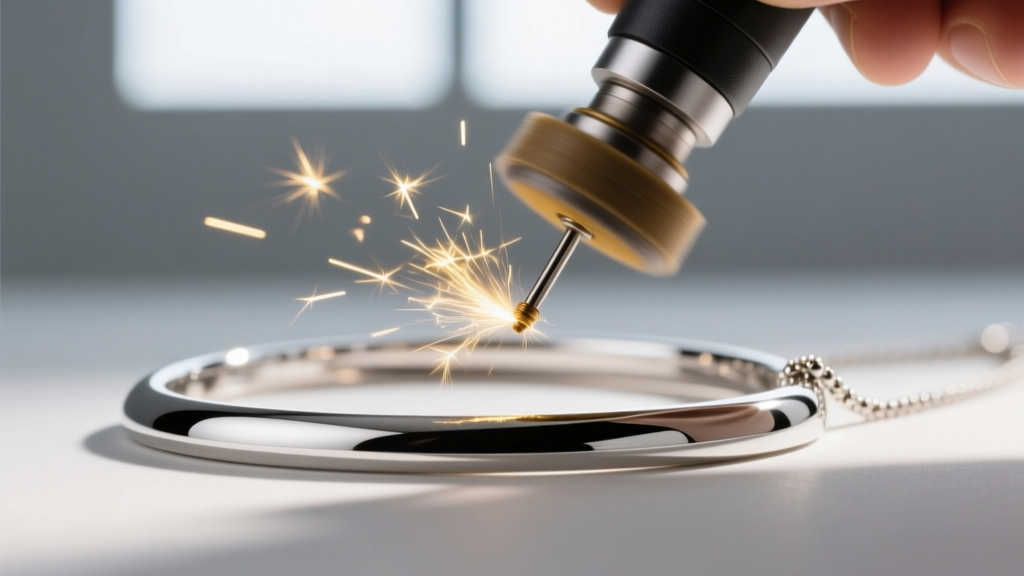
Because the bezel wall sits prominently on the chest, it acts as a bumper, absorbing scratches and dents from daily wear. Troubleshooting cosmetic damage requires an understanding of metal removal and structural integrity.
The Danger of Over-Polishing
When a jeweler polishes out scratches, they are essentially sanding away a microscopic layer of metal. If your necklace bezel started at a robust 0.6mm thickness, a heavy polishing session can reduce the wall to 0.3mm. At this thickness, the bezel loses its 'memory' and structural rigidity, meaning the next time the pendant catches on a sweater, the metal will peel back like a tin can, releasing the stone. Always request a 'light polish' or 'rouge finish' from your jeweler to preserve the bezel's mass.
Rebuilding with Laser Welding
If your platinum or 14k gold bezel has sustained a deep dent that cannot be hammered out without risking the stone underneath, the metal must be rebuilt. Modern jewelers use laser welding to fuse new wire or metal powder directly onto the damaged rim. Laser welding is highly localized, meaning the heat will not travel down the setting and fracture heat-sensitive gemstones like tanzanite or opals. Once the new metal is added, it is filed and sanded flush, restoring the original 0.7mm wall thickness.
Preventative Maintenance and Cleaning Warnings
Troubleshooting is always more expensive than prevention. To maintain the tension and finish of your necklace bezel, adhere to these strict care protocols:
- Avoid Ultrasonic Cleaners for Fractured Stones: If your gemstone has internal fractures (common in emeralds and certain sapphires), the high-frequency vibrations of an ultrasonic cleaner can shatter the stone, especially if it is trapped tightly inside a rigid metal bezel.
- The Toothbrush Rule: When cleaning your pendant at home with warm water and mild dish soap, use an extra-soft baby toothbrush. Scrubbing with a stiff brush can wear down the polished edge of the bezel over years of use.
- Check the Bail Connection: Often, the stress on a bezel comes from a stiff or damaged bail (the loop the chain passes through). If the bail does not swing freely, the entire pendant will torque and twist when you move, placing uneven lateral stress on the bezel walls. Ensure your bail is well-oiled and moves independently of the setting.
By understanding the structural mechanics of your jewelry, you can identify minor bezel issues before they result in a lost gemstone. Whether you are carefully burnishing a silver rim at home or consulting a master jeweler for laser reconstruction, treating your bezel settings with technical precision ensures your pendants remain secure and brilliant for a lifetime.


