How to Fix a Pop Can Necklace: Troubleshooting Sharp Edges & Tarnish
Is your DIY pop can necklace scratching your skin or losing its paint? Learn expert troubleshooting tips to seal edges, prevent tarnish, and reinforce chains.

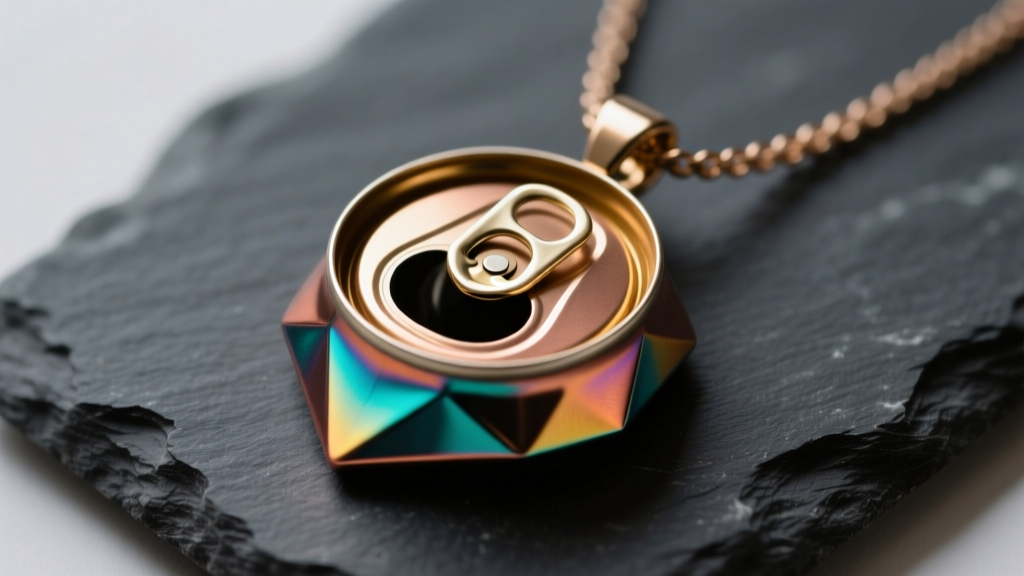
Upcycled jewelry has experienced a massive renaissance in the sustainable fashion space, and the pop can necklace remains a staple of this movement. Transforming discarded aluminum beverage cans into striking, lightweight pendants is an incredible way to reduce waste while expressing personal style. However, working with commercial beverage aluminum presents a unique set of metallurgical and structural challenges. Unlike standard jewelry metals such as sterling silver or brass, aluminum cans are engineered for liquid containment, not mechanical durability or skin contact.
If you have ever crafted or purchased a pop can necklace, you have likely encountered the common pitfalls: razor-sharp micro-burrs that scratch the collarbone, factory paint that chips away after minimal wear, or the dreaded structural failure where the chain rips right through the top of the pendant. In this comprehensive troubleshooting guide, we will diagnose these specific failure modes and provide expert, actionable solutions to elevate your upcycled aluminum jewelry from a fragile craft project to a durable, wearable art piece.
The Micro-Burr Problem: Why Your Pop Can Necklace Scratches
Beverage cans are typically manufactured from 3104 or 5182 aluminum alloys, rolled to an astonishingly thin gauge of approximately 0.097 millimeters (0.0038 inches). When you cut this material with standard tin snips or craft scissors, the shearing action doesn't just separate the metal; it crushes and rolls the edge, creating a microscopic, jagged burr. This burr is the primary culprit behind skin irritation and snagged clothing.
The Wrong Way to File
A common mistake among beginners is reaching for a standard metal bastard file or heavy-grit sandpaper to smooth the edges. Because the aluminum sheet is so thin, aggressive filing will warp, bend, and permanently distort the flat surface of your pendant. According to metalworking best practices outlined by Ganoksin, thin-gauge metals require progressive, low-pressure abrasion rather than heavy material removal.
The Wet-Sanding Protocol
To achieve a safe, smooth edge without warping your pop can necklace, you must use a progressive wet-sanding technique. Wrap a piece of silicon carbide wet/dry sandpaper around a flat wooden popsicle stick or a specialized jewelry sanding stick to maintain a perfectly flat plane.
- Step 1 (Edge Knockdown): Start with 400-grit sandpaper. Use a few drops of water as a lubricant and gently stroke the edge in one direction until the visible burr is removed.
- Step 2 (Smoothing): Switch to 800-grit to eliminate the scratches left by the 400-grit paper. Keep the surface wet to prevent aluminum dust from embedding into the paint.
- Step 3 (Polishing): Finish with 1500-grit or 2000-grit sandpaper. This will burnish the edge, leaving it smooth to the touch and safe for direct skin contact.
Edge Sealing: Eliminating Snags and Irritation
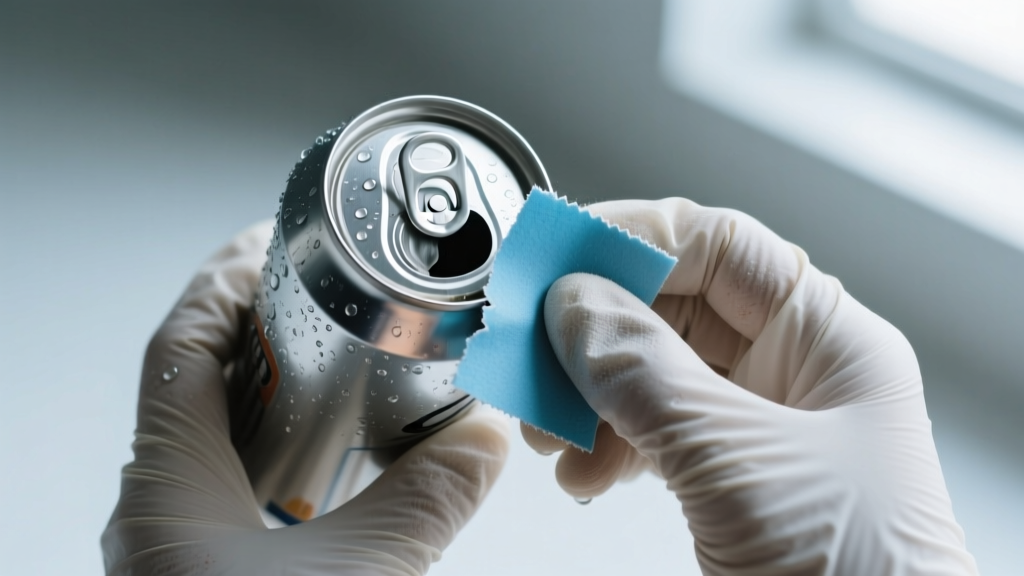
Even with meticulous sanding, the sheer thinness of the aluminum edge can still feel abrasive against sensitive skin, particularly on the back of the neck. To completely eliminate this issue, you must encapsulate the edge in a durable, skin-safe sealant.
While clear nail polish is a frequent DIY recommendation, it lacks the structural integrity and UV resistance required for long-term jewelry wear. It will yellow, crack, and peel within weeks. Instead, professional upcyclers rely on doming UV resin. A high-quality, non-toxic UV jewelry resin (such as JD Resin or Let's Resin) applied in a thin bead along the perimeter and cured under a 36W UV lamp for 60 to 120 seconds creates a rounded, glass-like barrier. This domed edge completely encases the aluminum, ensuring the necklace glides smoothly over skin and fabric without catching.
Paint Delamination and Oxidation Troubleshooting
The exterior of a soda can is coated with a specialized polymer or epoxy layer designed to withstand condensation and UV exposure on a store shelf, but it is not formulated to resist the mechanical abrasion of daily jewelry wear. Furthermore, if you are stamping, etching, or applying your own designs to the bare aluminum, oxidation can quickly dull the metal.
Aluminum naturally forms a microscopic layer of aluminum oxide when exposed to air. While this layer prevents deep rusting, it can cause surface cloudiness and interfere with the adhesion of aftermarket paints and sealants. To troubleshoot paint chipping, you must properly prep the surface before applying any new design elements.
| Sealant Type | Durability | Application Method | Best Use Case |
|---|---|---|---|
| Mod Podge (Gloss) | Low | Brush-on, air dry | Temporary crafts, indoor display only |
| Clear Acrylic Spray | Medium | Aerosol, multiple light coats | Lightly worn pendants, matte finishes |
| Two-Part Epoxy Resin | High | Mix and pour, 24hr cure | Thick doming, high-impact protection |
| UV Doming Resin | Very High | Dispense and UV lamp cure | Edge sealing, scratch-resistant topcoats |
For the most reliable, glass-like finish that locks in paint and prevents oxidation, a two-part epoxy or UV resin is mandatory. As noted in the application guidelines by ArtResin, ensuring the surface is completely free of oils and dust before pouring is critical to preventing fisheyes and delamination. Wipe the can surface with isopropyl alcohol before sealing to guarantee a permanent bond.
Structural Bail Failures: The Jump Ring Tear-Through
The most catastrophic failure mode for a pop can necklace is the bail tearing through the aluminum. A standard necklace chain exerts continuous downward tension and sudden shear forces when tugged. When a thin 20-gauge jump ring is passed through a tiny hole punched into 0.097mm aluminum, the entire weight of the chain is distributed across a fraction of a millimeter of metal. It is only a matter of time before the aluminum yields and the pendant is lost.
The Washer Backing Technique
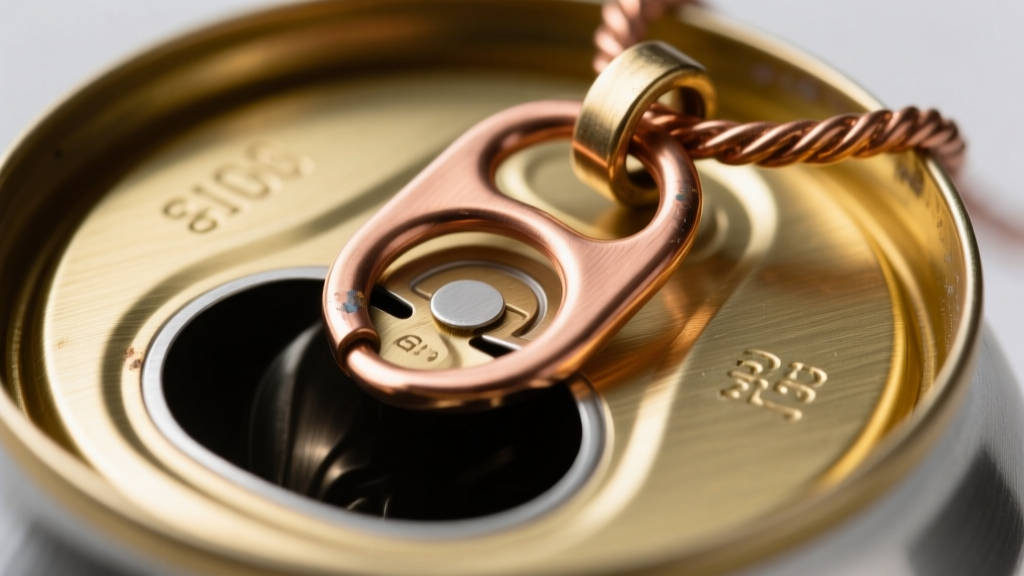
To solve the shear-strength problem, you must increase the surface area distributing the tension. The most effective troubleshooting method is the washer backing technique. Procure small, flat metal washers (typically 6mm outer diameter with a 2mm inner hole). Place the washer over the hole punched in your pop can pendant. Pass your jump ring through both the washer and the aluminum. The rigid brass or stainless steel washer acts as a structural splint, absorbing the shear force and making it physically impossible for the jump ring to tear through the thin foil.
Reinforcing with Wire Armatures
For a more decorative approach, you can bind the top edge of the pendant with a thin wire armature. Using 24-gauge dead-soft copper or sterling silver wire, wrap the top perimeter of the pendant tightly, creating a folded metal border. You can then punch your bail hole directly through this reinforced wire-and-aluminum sandwich. This not only solves the structural vulnerability but also adds a beautiful, contrasting metallic frame to your upcycled design. For detailed insights on wire tension and wrapping mechanics, the tutorials on making and sizing jump rings via Ganoksin are an invaluable resource for ensuring your connections remain closed under stress.
Cleaning and Long-Term Maintenance
Troubleshooting a pop can necklace also involves knowing how to clean it without destroying it. Never place upcycled aluminum jewelry in an ultrasonic cleaner; the high-frequency vibrations can easily fracture the brittle factory paint or shatter a poorly cured resin seal. Similarly, avoid harsh chemical dips or silver polishing cloths, which contain mild abrasives that will scratch the aluminum surface.
To clean your necklace, simply use a microfiber cloth dampened with warm water and a drop of mild dish soap. Gently wipe the surface, rinse with distilled water to prevent hard water spotting, and pat dry immediately. By understanding the material limitations of beverage aluminum and applying these targeted troubleshooting techniques, you can ensure your pop can necklace remains a durable, striking, and comfortable piece of sustainable jewelry for years to come.


