How to Fix & Preserve a Lei Necklace for Graduation
Troubleshoot broken, wilting, or snapped lei necklaces for graduation. Expert repair, restringing, and preservation tips for orchid, money, and kukui leis.


Graduation day is a milestone defined by celebration, reflection, and the honoring of academic achievements. In many cultures, particularly across the Pacific and in Hawaiian traditions, presenting a lei necklace for graduation is a profound gesture of affection, pride, and respect. However, the intense schedule of graduation day—ranging from early morning photo sessions to sweltering outdoor ceremonies and crowded reception halls—creates a hostile environment for delicate accessories. Panic frequently sets in when a fresh flower lei begins to wilt prematurely, a meticulously folded money lei starts to unravel, or a heavy kukui nut necklace snaps under its own weight.
As jewelry and accessory specialists, we approach the lei not just as a decorative garland, but as a complex structural assembly of organic and inorganic materials. Troubleshooting a failing lei requires an understanding of material science, tensile strength, and botanical physiology. This comprehensive guide provides actionable, expert-level solutions to the most common lei necklace failures, ensuring your graduation jewelry survives the ceremony and can be preserved as a lasting heirloom.
The Structural Anatomy of Lei Failure
Before diving into specific repairs, it is crucial to understand why lei necklaces fail. The human neck is a high-friction, high-heat environment. The nape of the neck generates continuous friction against the spine of the lei, while body heat and ambient outdoor temperatures accelerate the degradation of organic materials. Furthermore, the drape of a standard 40-inch lei creates a concentrated tensile stress point at the lowest curve of the necklace. When a lei is constructed with subpar stringing materials or improper knotting techniques, this stress point becomes the inevitable failure zone. By identifying the specific material composition of your lei, you can apply the correct troubleshooting framework to salvage it.
Troubleshooting Fresh Flower Leis (Orchids & Pikake)
Fresh flower leis, particularly those crafted from Dendrobium orchids or Arabian jasmine (pikake), are the most iconic but also the most fragile graduation accessories. Their primary enemies are heat stress, dehydration, and ethylene gas exposure.
Combating Wilting and Heat Stress
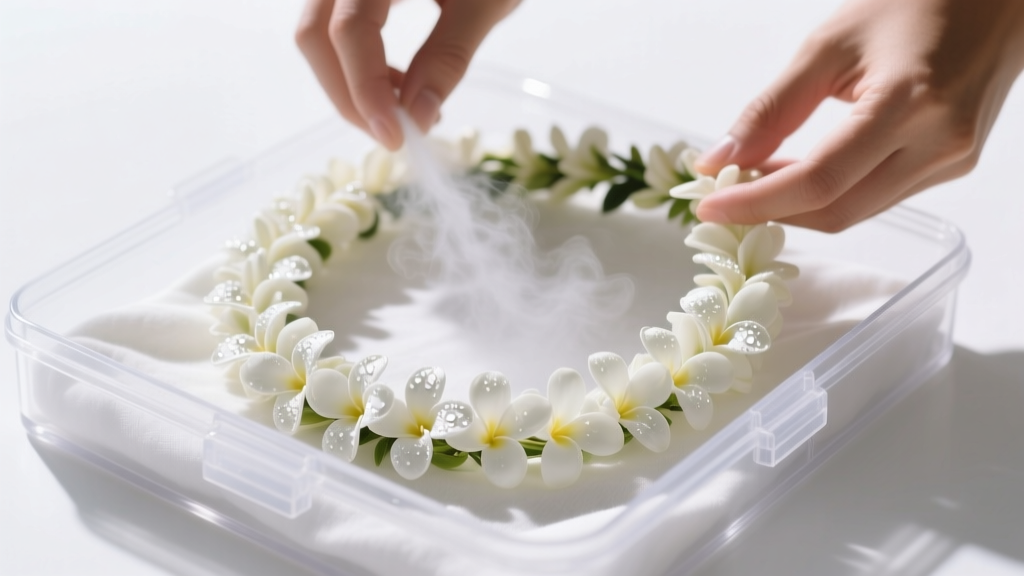
Dendrobium orchids are tropical epiphytes that require specific temperature ranges to maintain their cellular turgor pressure. If your orchid lei arrives looking limp, it has likely suffered from temperature shock during transit. The ideal storage temperature for orchid leis is between 45°F and 50°F (7°C to 10°C). Never store a fresh flower lei in a standard freezer or the coldest part of your refrigerator, as temperatures below 40°F will cause cellular freezing and immediate blackening of the petals. Instead, store the lei in the crisper drawer, lightly misted with distilled water, and wrapped loosely in a damp paper towel inside a plastic bag to maintain 85-90% humidity.
Mitigating Ethylene Gas Damage
Pikake leis are exceptionally sensitive to ethylene gas, a natural plant hormone that accelerates senescence (aging) and causes the delicate white blossoms to brown and drop. A common mistake is leaving the lei on a kitchen counter near ripening fruit (like bananas or apples), which emit high levels of ethylene. According to botanical research from the University of Hawaii College of Tropical Agriculture, keeping pikake away from ethylene sources and treating them with a floral preservative containing 1-MCP (1-Methylcyclopropene) can extend their vibrant lifespan by up to 48 hours, easily covering the duration of graduation weekend.
Securing Money Leis Without Currency Damage
Money leis are a popular, practical alternative to floral arrangements, often constructed using dozens of $1, $5, or $20 bills. However, the structural integrity of a money lei is frequently compromised by improper folding techniques and the use of damaging adhesives.
The Tearing Problem: Avoiding Standard Tape
The most common failure in money leis is the tearing of the currency. Many amateur crafters use standard cellulose tape or hot glue to secure the folds. Standard tape leaves a highly acidic, sticky residue that degrades the cotton-linen blend of US currency, while hot glue can melt the security threads embedded in modern bills. Furthermore, punching holes in the bills to string them is not only structurally weak but can technically violate federal defacement statutes if it renders the bill unfit for circulation.
The Origami Fold-Lock and Ribbon-Tie Solution
To troubleshoot a slipping or tearing money lei, you must transition to the "ribbon-tie" or "origami fold-lock" method. If bills are slipping out of their folds during the ceremony, carefully unfold them and re-crease the edges using a bone folder for a sharp, permanent crease. Instead of tape, secure each folded bill to a durable satin ribbon base using acid-free paper tape or by weaving the bill into a tight origami interlocking pattern. If the lei has already begun to unravel on the graduation day, use small, discreet binder clips or pearl-headed corsage pins to temporarily anchor the bills to the wearer's graduation gown collar until the ceremony concludes.
Restringing Snapped Kukui Nut and Bead Leis
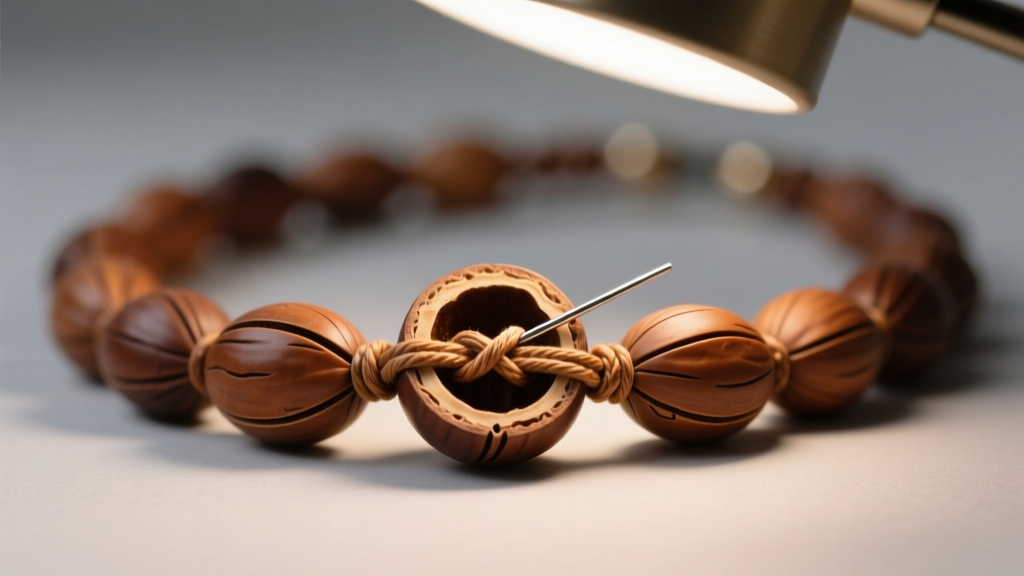
Kukui nut leis are treasured heirlooms, often passed down through generations. However, vintage or poorly constructed kukui bead necklaces are prone to catastrophic snapping. The interior drill holes of natural kukui nuts are often rough and abrasive. Over time, these rough edges act like tiny saws, cutting through traditional cotton or silk stringing threads.
Upgrading the Core Thread and Hardware
If your kukui nut lei has snapped, do not simply restring it on the original cotton thread. Cotton is highly susceptible to moisture rot from skin oils and sweat. To permanently troubleshoot this issue, you must upgrade the stringing material. Jewelry professionals recommend using Nymo Size D 100% nylon thread or a 0.8mm braided polyethylene bead thread like Power Pro. These synthetic materials offer immense tensile strength and are completely impervious to moisture and skin acids.
Smoothing the Drill Holes
Before restringing, use a diamond-coated bead reamer to gently smooth the interior edges of each kukui nut. This crucial step removes the abrasive burrs that cause thread failure. When finishing the ends of the lei, avoid simple overhand knots, which can pull through the large drill holes of the nuts. Instead, utilize a French wire guard at the clasp connection and secure the thread with a surgeon's knot, applying a microscopic drop of G-S Hypo Cement to the knot before hiding it inside the adjacent bead.
Stringing Material Comparison Chart
Selecting the correct thread is vital for the longevity of heavy bead and nut leis. Refer to the table below to choose the appropriate material for your repair:
| Material | Tensile Strength | Moisture Resistance | Best Use Case |
|---|---|---|---|
| Cotton Cord | Low | Poor (Rot prone) | Temporary crafts, lightweight paper leis |
| Silk Thread (Size F) | Medium | Moderate | Pearl leis, lightweight seed bead necklaces |
| Nymo Size D (Nylon) | High | Excellent | Standard kukui nut leis, shell puka necklaces |
| Power Pro (0.8mm) | Very High (25+ lbs) | Excellent | Heavy stone beads, large drilled nuts, tension drapes |
Post-Ceremony Preservation Frameworks
Once the graduation festivities have concluded, the focus shifts from troubleshooting immediate failures to long-term preservation. A lei necklace for graduation holds immense sentimental value, and proper archival techniques can transform a temporary accessory into a permanent display piece.
Silica Gel Desiccation for 3D Floral Shapes
For fresh orchid or rose leis, air-drying will result in shriveled, brown petals. To preserve the three-dimensional structure and vibrant color of the flowers, you must use a desiccant burial method. Submerge the entire lei in a sealed, airtight container filled with fine-grade silica gel crystals. Ensure the crystals completely fill the interior loops of the flowers to prevent collapsing. Leave the lei buried for 5 to 7 days. Once removed, gently brush off the crystals with a soft makeup brush and seal the petals with a light coat of clear, UV-resistant acrylic floral spray to prevent moisture reabsorption.
Epoxy Resin Encapsulation
For a modern, glass-like finish, encapsulating sections of the lei in clear epoxy resin is an increasingly popular preservation method. This requires a high-quality, two-part epoxy resin with UV inhibitors to prevent yellowing over time. Mix the resin in a precise 1:1 ratio by volume, stirring slowly for three minutes to minimize air bubble introduction. Pour the resin into a silicone mold, carefully submerge the dried flowers or kukui nuts, and use a heat gun passed quickly over the surface to pop any trapped micro-bubbles. According to conservation guidelines outlined by the American Institute for Conservation, ensuring the organic materials are 100% dehydrated before resin encapsulation is critical; any trapped moisture will cause the flowers to rot from the inside out, turning them black within the cured resin.
Final Thoughts on Lei Maintenance
A lei necklace for graduation is a beautiful, dynamic accessory that requires proactive care and an understanding of its structural vulnerabilities. Whether you are misting a delicate pikake garland, re-creasing a slipping money lei, or upgrading the stringing on a vintage kukui nut heirloom, applying these professional troubleshooting techniques will ensure your necklace survives the rigors of graduation day. By treating your lei with the same respect and technical care as fine jewelry, you guarantee that the physical embodiment of your academic triumph remains intact for years to come.


