How to Fix a Tangled or Broken Mania Mania Necklace
Learn how to fix a tangled or broken Mania Mania necklace. Expert troubleshooting for delicate gold vermeil chains, clasps, and tarnish.

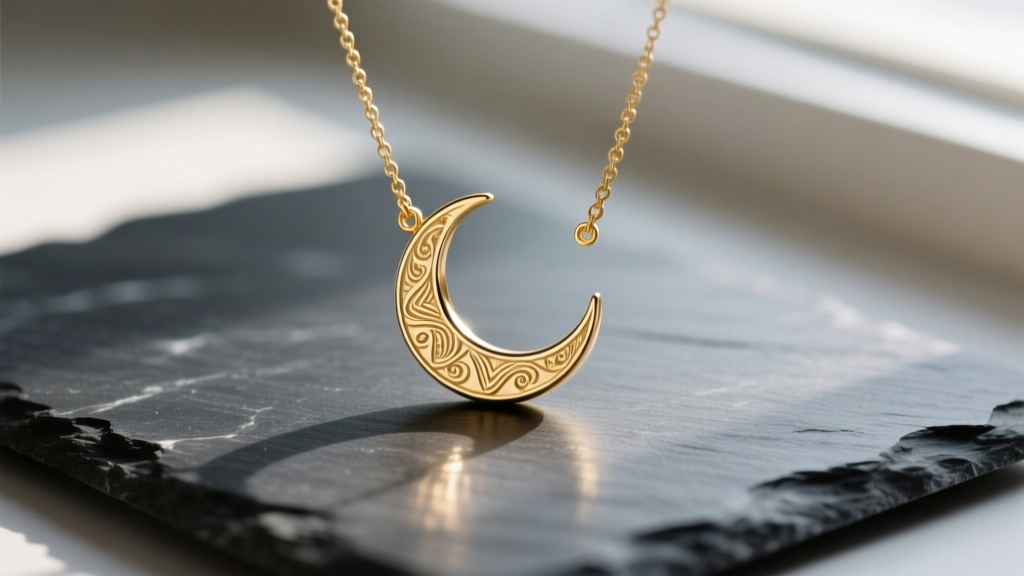
Mania Mania jewelry is celebrated for its ethereal, vintage-inspired aesthetics, celestial motifs, and incredibly delicate silhouettes. However, the very features that make a Mania Mania necklace so alluring—micro-thin chains, intricate gold vermeil plating, and dainty gemstone settings—also make it highly susceptible to everyday wear and tear. When a 1.2mm cable chain knots up or a gold-plated jump ring snaps, panic often sets in. Fortunately, with the right tools and metallurgical understanding, most of these issues can be resolved at home or with minimal professional intervention.
This comprehensive troubleshooting guide will walk you through diagnosing and repairing the most common failures associated with delicate fashion and demi-fine jewelry, ensuring your favorite pieces remain in rotation for years to come.
The Anatomy of a Mania Mania Necklace: Where Failures Occur
Before attempting any repairs, it is crucial to understand the materials you are working with. Most Mania Mania necklaces are crafted from a 925 sterling silver base and finished with 18k gold vermeil. According to the FTC Jewelry Guides, true vermeil must have a sterling silver base and a gold plating of at least 2.5 microns thick. While this is significantly more durable than standard flash plating, the friction points on a necklace—the clasp, the jump rings, and the pendant bail—are still prone to mechanical wear.
The chains themselves typically range from 1.0mm to 1.5mm in thickness, utilizing cable, rolo, or box link designs. At this gauge, the tensile strength of the silver is relatively low. A sudden snag on a sweater or a forceful pull can easily distort the links or compromise the soldered joints on the jump rings. Understanding these structural vulnerabilities is the first step in effective troubleshooting.
Troubleshooting Issue 1: The Dreaded Micro-Chain Tangle
There is nothing more frustrating than pulling a delicate necklace from a jewelry box only to find it bound in a seemingly impossible, microscopic knot. Because 1.2mm chains have very little structural rigidity, they easily slip through their own links and bind tightly when subjected to movement.
The Talcum Powder and Needle Method
Do not use your fingers to pull at the knot. The oils from your skin can increase friction, and the blunt force of your fingertips will only tighten the central node. Instead, follow this professional jeweler's technique:
- Step 1: Lay the necklace completely flat on a hard, dark surface (a piece of black slate or dark acrylic works best for contrast).
- Step 2: Generously apply talcum powder or baby powder directly onto the knot. The powder acts as a dry lubricant, reducing the friction between the microscopic metal links.
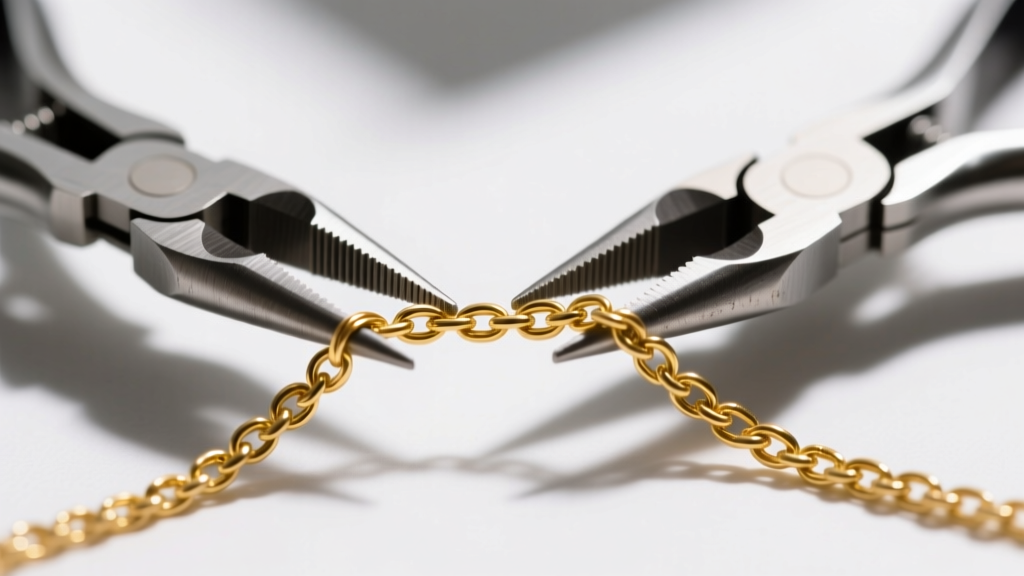
- Step 3: Using two 0.5mm beading needles or fine-tipped chain-nose pliers, gently insert the tips into the exact center of the knot.
- Step 4: Slowly wiggle the needles outward to expand the central loop. Once the center loop is large enough, carefully feed the chain ends through the gap.
Troubleshooting Issue 2: Gold Vermeil Tarnish vs. Plating Wear
One of the most common complaints regarding demi-fine jewelry is discoloration. However, it is vital to distinguish between chemical tarnish and mechanical plating loss, as the troubleshooting steps for each are vastly different. The GIA Gem Encyclopedia notes that sterling silver is highly reactive to sulfur compounds in the air, which can cause darkening even beneath a thin layer of gold plating if the plating is porous or micro-fractured.
| Issue | Visual Indicators | Root Cause | Troubleshooting Solution |
|---|---|---|---|
| Surface Tarnish | Dullness, dark brown or black smudges, uneven darkening around links. | Silver sulfide formation reacting through microscopic pores in the gold vermeil. | Gently buff with a treated Sunshine polishing cloth. Avoid liquid dips, which can strip the 18k gold layer. |
| Plating Wear | Bright silver or yellowish-brass tones showing through at the clasp, jump rings, or pendant bail. | Mechanical friction wearing away the 2.5-micron gold layer down to the sterling silver base. | Professional re-plating. As of 2026, many local jewelers offer eco-friendly, cyanide-free electroplating services to restore the 18k finish. |
| Chemical Etching | Pitted, rough, or chalky white patches on the metal surface. | Exposure to chlorine (pools), harsh perfumes, or acidic skincare ingredients like AHAs/BHAs. | Irreversible at home. Requires professional polishing to remove the damaged metal layer before re-plating. |
For routine maintenance, Jewelers of America recommends wiping vermeil pieces with a soft, lint-free microfiber cloth after every wear to remove sebum and environmental pollutants before they can initiate a corrosive reaction.
Troubleshooting Issue 3: Clasp and Jump Ring Failures
The jump ring—the tiny circular loop that connects the chain to the clasp—is universally the weakest point on any delicate necklace. On a Mania Mania necklace, these are typically 3mm or 4mm rings made of 20-gauge wire. If your necklace has snapped at the clasp, the jump ring likely pulled apart rather than the metal itself breaking.
How to Reattach and Secure a Jump Ring
Never pull a jump ring open horizontally like a book; this distorts the circle and weakens the metal's structural memory. Instead, use two pairs of flat-nose pliers to grip the ring on either side of the split. Twist one hand toward you and the other away from you, opening the ring laterally. Slide the chain link and the clasp back onto the ring, then twist it closed in the exact same manner until you feel a slight "click" or friction snap, indicating the ends are perfectly flush.
If the original spring-ring clasp has failed internally (a common issue with micro-springs), replace it with a 5mm or 6mm lobster clasp. Lobster clasps offer superior security for delicate chains because their closing mechanism is driven by a heavier, more reliable internal spring and they are less prone to catching on hair or clothing.
When to Seek Professional Jeweler Intervention
While chain tangles and tarnish can be managed at home, certain structural failures require a professional bench jeweler. If your necklace features a pave diamond halo or a prong-set moonstone, do not attempt to tighten the stones yourself. Delicate gemstones like opals and moonstones (which sit at a 5.5 to 6.5 on the Mohs hardness scale) are highly susceptible to chipping if uneven pressure is applied to the prongs.
If you notice a stone rattling in its setting, or if a prong has lifted away from the gem's girdle, place the necklace in a soft ziplock bag to catch the stone if it falls out, and take it to a jeweler for a microscopic prong retipping. Furthermore, if the actual chain links have stretched or snapped in the middle of the strand (rather than at the jump ring), a jeweler will need to use a laser welder to fuse the micro-links back together without melting the surrounding gold vermeil.
The 2026 Preventative Storage Framework
The best troubleshooting method is prevention. Storing delicate chains properly eliminates 90% of the issues outlined above. Abandon open-air jewelry dishes and traditional fabric-lined boxes, which often harbor sulfur-rich adhesives that accelerate tarnishing.
Instead, adopt a modern storage framework: store each necklace individually in a sealed, low-density polyethylene (LDPE) ziplock bag. Before sealing, drop in a 3M anti-tarnish strip, which actively absorbs airborne sulfur and hydrogen sulfide gases. Finally, always fasten the clasp before storage; an open clasp acts as a microscopic hook that will inevitably snag and knot itself into adjacent chains or its own links during transit.


