Troubleshooting Your Pink and Gold Necklace: Tarnish & Fading
Is your pink and gold necklace tarnishing or fading? Discover expert troubleshooting tips to restore rose gold, morganite, and pink enamel jewelry.

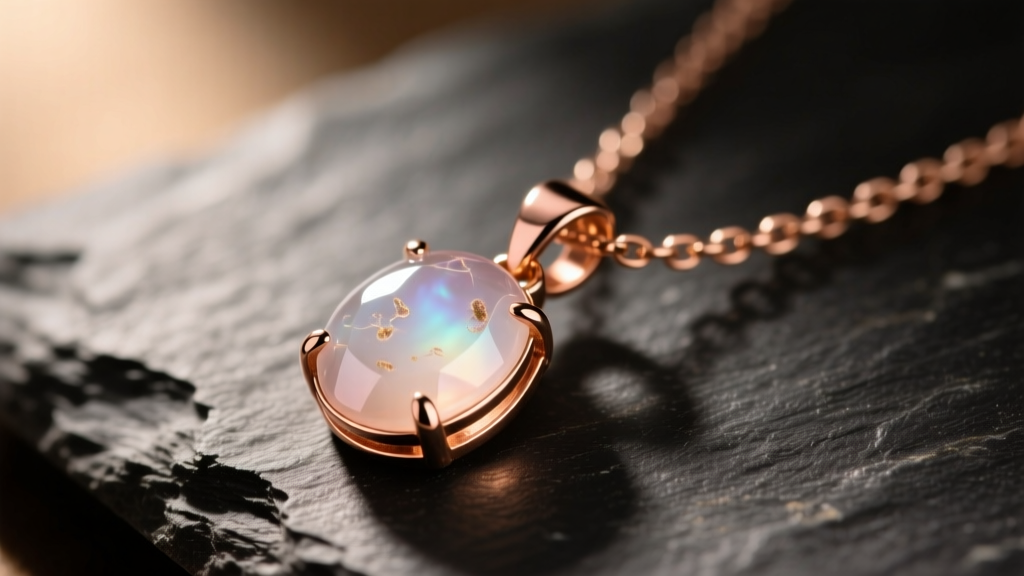
The Metallurgy of Pink Gold: Why Tarnish Happens
When jewelers and consumers refer to a 'pink and gold necklace,' they are almost always talking about rose gold alloys or yellow gold paired with pink gemstones and enamel. While visually stunning, the metallurgical reality of pink gold introduces specific vulnerabilities that standard yellow or white gold does not possess. To effectively troubleshoot tarnish, we must first understand the alloy composition.
Pure gold (24k) is completely inert and will never tarnish. However, it is too soft for daily wear. To create the signature pink hue, metallurgists alloy pure gold with copper and silver. The higher the copper content, the deeper the pink or red color. According to the Gemological Institute of America (GIA), a standard 18k rose gold alloy consists of 75% pure gold, 22.25% copper, and 2.75% silver. A 14k rose gold alloy contains 58.3% gold and a much higher 41.7% mixture of copper and silver.
The Copper Oxidation Problem
Copper is highly reactive. When exposed to sulfur in the air, chlorine in swimming pools, or the natural acids and salts in human sweat, the copper in your pink gold necklace undergoes a chemical reaction. This forms copper sulfide and copper chloride, manifesting as a dark, dull film (tarnish) or leaving a greenish-black residue on your skin. This is not a sign of fake jewelry; it is a hallmark of high-copper authentic alloys.
Troubleshooting Step: Never use harsh silver dip solutions or ammonia-based cleaners on pink gold. Ammonia can cause stress corrosion cracking in copper-heavy alloys. Instead, use a specialized treated polishing cloth, such as a Sunshine cloth, which contains micro-abrasives and anti-tarnish agents that safely lift copper oxidation without stripping the gold matrix.
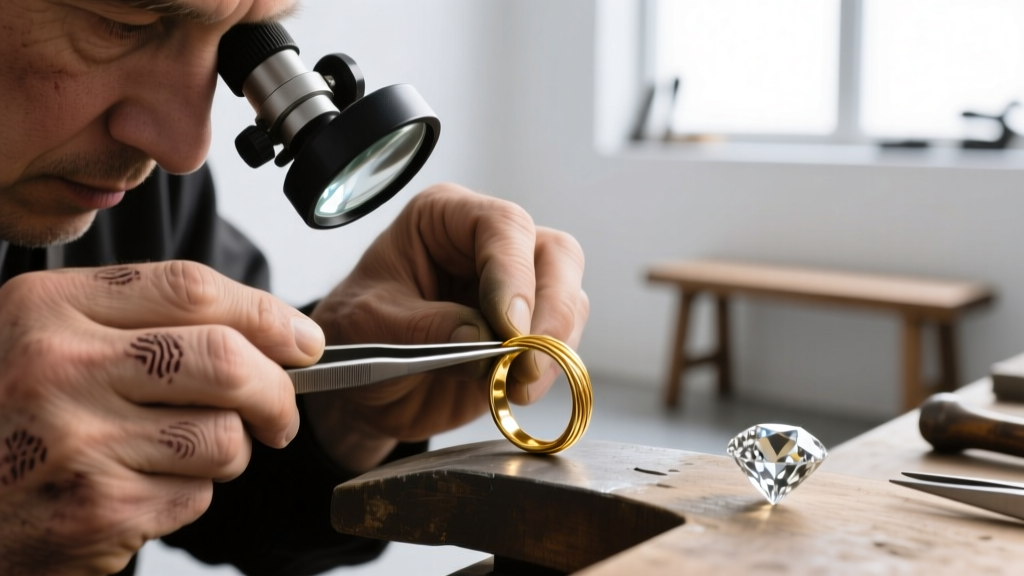
Gemstone Clouding: Morganite, Rose Quartz, and Pink Sapphires
If your pink and gold necklace features a pink gemstone rather than pink metal, the troubleshooting shifts from metallurgy to gemology. Morganite and rose quartz are the most common pink stones used in modern pendant designs, but they require vastly different care protocols.
Morganite, a variety of beryl, has a high refractive index that gives it incredible brilliance. However, this same optical property means that even microscopic layers of hand lotion, sebum, or soap scum will cause the stone to look cloudy, milky, or completely dead. Rose quartz, conversely, is a macrocrystalline quartz that often contains microscopic internal fractures and liquid inclusions.
Hardness and Cleaning Matrix
Understanding the Mohs hardness scale and the structural integrity of your specific gemstone is critical before attempting to restore its luster. The GIA Morganite Care Guide explicitly warns against certain cleaning methods that can destroy treated or included stones.
| Gemstone | Mohs Hardness | Ultrasonic Safe? | Steam Safe? | Primary Vulnerability |
|---|---|---|---|---|
| Morganite | 7.5 - 8.0 | Usually Safe | Usually Safe | Clouding from oils; fracture risk if heavily included |
| Rose Quartz | 7.0 | NO | NO | Internal fracturing from heat/vibration; dye leaching |
| Pink Sapphire | 9.0 | Yes | Yes | Beryllium treatment fading under extreme heat |
| Pink Tourmaline | 7.0 - 7.5 | NO | NO | Shattering from thermal shock and ultrasonic vibrations |
Troubleshooting Step: To fix a cloudy morganite pendant, soak the necklace in a bowl of warm water with a few drops of ammonia-free dish soap (like Dawn) for 15 minutes. Gently scrub the back of the stone (the pavilion) with a soft-bristled baby toothbrush. The pavilion is where light enters and exits, and it is the primary trap for skin oils. Rinse with distilled water to prevent hard water spots and dry with a lint-free microfiber cloth.
The Enamel and Plating Dilemma: Chipping and Fading
Many contemporary 'pink and gold' necklaces are not solid rose gold, but rather gold vermeil (thick gold plating over sterling silver) or gold-plated brass featuring pink guilloché, cold enamel, or ceramic inlays. These mixed-material pieces present a unique set of structural failures.
Diagnosing Plating Wear
Gold vermeil must legally be at least 2.5 microns thick. However, friction from clothing and exposure to cosmetics can wear this plating down over 12 to 24 months of daily wear. If the pink enamel border is intact but the gold chain or pendant casing is turning silver or brassy, the plating has failed. You cannot polish this back to gold; polishing will only remove the remaining microscopic gold layer. The only fix is professional re-plating by a jeweler who can mask off the pink enamel before submerging the piece in an electroplating bath.
Repairing Micro-Chips in Pink Enamel
Enamel is essentially fused glass. When it chips, the structural integrity of the surrounding enamel is compromised, leading to a domino effect of flaking.
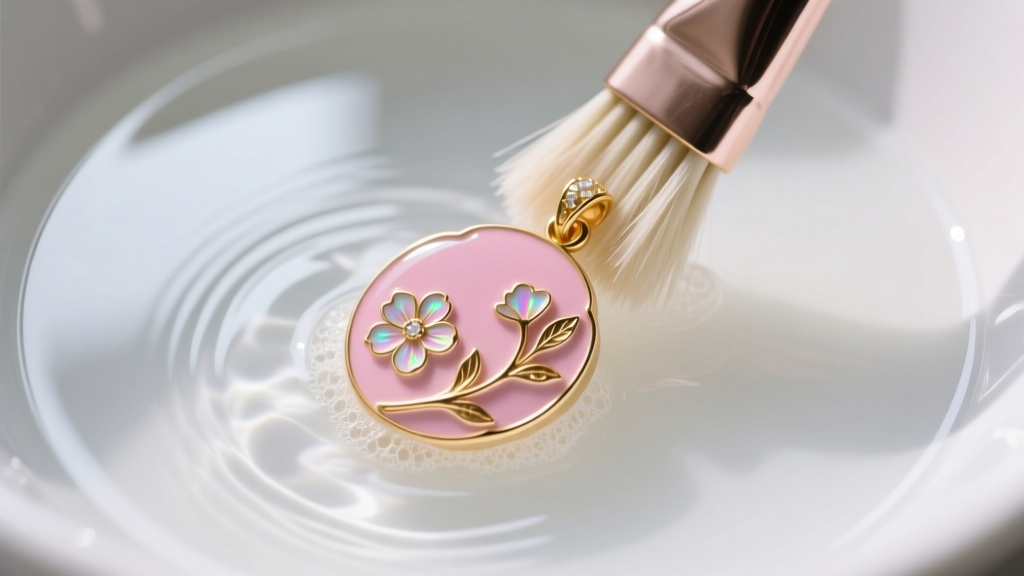
Troubleshooting Step: If you notice a micro-chip in the pink enamel of your necklace, immediately clean the area with 90% isopropyl alcohol to remove all oils. Using a toothpick, apply a microscopic drop of jewelry-grade clear UV resin or high-quality clear nail polish over the exposed edge. Cure it under a UV lamp or let it dry completely. This will not perfectly color-match the pink, but it will seal the edge and prevent moisture from getting under the remaining enamel and causing it to lift.
Daily Maintenance Protocol to Prevent Future Damage
Once you have restored your pink and gold necklace, implementing a strict maintenance protocol will drastically extend the time between necessary deep cleanings. Copper-heavy alloys and porous pink stones require proactive environmental control.
- The 3M Anti-Tarnish Strip Method: Store your necklace in an airtight polyethylene ziplock bag alongside a 3M anti-tarnish strip. These strips absorb airborne sulfur compounds before they can react with the copper in your rose gold. Replace the strips every 3 to 6 months.
- Silica Gel for Enamel Protection: If your necklace features pink enamel or porous rose quartz, include a small silica gel packet in the storage box to control ambient humidity, which can degrade the adhesive bonds in cold enamel over time.
- The 'Last On, First Off' Rule: Always put your necklace on after applying perfume, hairspray, and lotion. The alcohol and chemicals in cosmetics are the primary catalysts for stripping gold vermeil and clouding morganite.
- Friction Isolation: Never store your necklace loosely in a jewelry box where it can rub against harder gemstones like diamonds or sapphires. A diamond (Mohs 10) will easily scratch a rose quartz pendant (Mohs 7) or scuff soft 18k pink gold.
When to See a Professional Jeweler
While home troubleshooting can resolve surface tarnish, cloudy gemstones, and minor enamel chips, certain issues require professional intervention. If your pink gold necklace chain has developed a kink or a weakened link due to metal fatigue, do not attempt to bend it back into shape. Copper-alloyed gold becomes work-hardened and brittle over time; bending it without annealing (heating) will cause it to snap. Similarly, if a pink gemstone becomes loose in its prong setting, stop wearing the necklace immediately and take it to a bench jeweler for ultrasonic prong tightening. By understanding the specific material science behind your jewelry, you can preserve the delicate beauty of your pink and gold pieces for decades.


