How to Fix a Weak Magnetic Necklace Clasp That Keeps Popping Open
Is your magnetic necklace clasp popping open? Discover expert troubleshooting tips, safety hacks, and upgrade options to keep your jewelry secure.

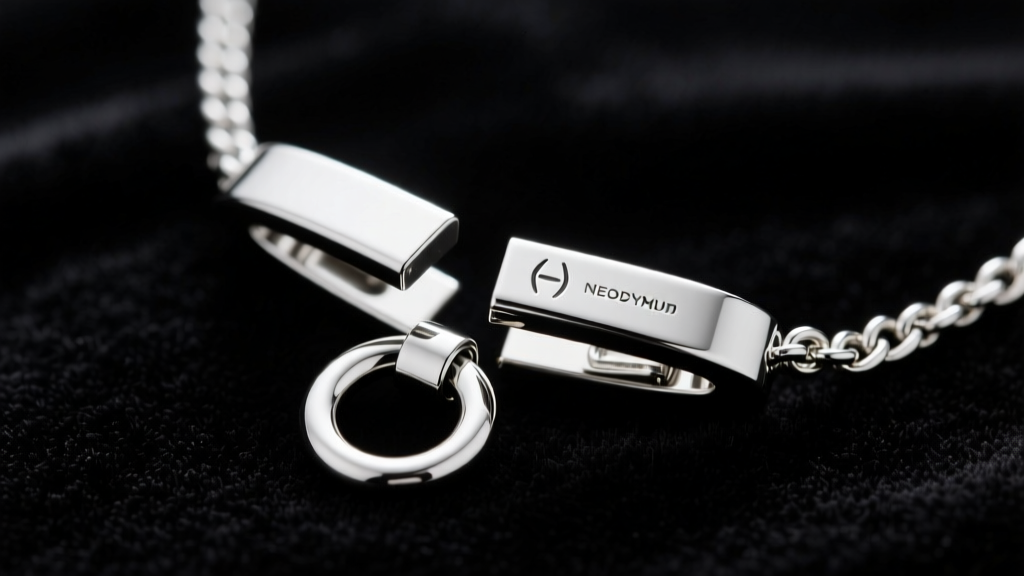
The Anatomy of a Magnetic Clasp Failure
There are few things more frustrating in jewelry wear than reaching up to find your favorite pendant missing because the magnetic necklace clasp gave way. While magnetic clasps are marketed as the ultimate convenience, they are notoriously prone to sudden failure. To troubleshoot the problem, we first need to understand that the magnet itself is rarely the culprit. Neodymium magnets lose less than 5% of their magnetic strength over a century. The true points of failure are mechanical: adhesive degradation, jump ring distortion, and a fundamental misunderstanding of magnetic force vectors.
Tensile vs. Shear Force
According to material science data from K&J Magnetics, neodymium magnets exhibit incredible tensile strength (resistance to being pulled straight apart) but remarkably poor shear strength (resistance to sliding sideways). When you wear a necklace, the natural movement of your body causes the pendant to swing like a pendulum. This lateral movement applies shear force to the clasp, causing the two magnetic halves to slide apart and disconnect, even if the clasp is rated for a high pull weight.
Troubleshooting: Why Your Magnetic Clasp Keeps Popping Open
Before throwing the clasp away, diagnose the specific failure mode. Identify which of these three common scenarios matches your experience:
- The Adhesive Failure: If you look inside the metal housing of the clasp and see the magnet sitting loosely, or if one side feels significantly weaker, the internal cyanoacrylate glue has become brittle and shattered. This is common in mass-produced clasps exposed to skin oils and temperature fluctuations.
- The Jump Ring Distortion: Inspect the small ring connecting the clasp to your chain. If it is a standard 20-gauge or 22-gauge split jump ring, the shear force of a heavy pendant will slowly pull it open over time, creating a gap that alters the magnetic alignment.
- The Snag-and-Slide: If your necklace only pops open when wearing certain fabrics (like wool or chunky knits), the friction of the sweater is catching the chain, creating a sudden lateral shear force that overcomes the magnet's grip.
The Weight-to-Magnet Ratio Chart
Most jewelry buyers do not realize that magnetic clasps are graded by magnet strength (N-grade) and pull force. If your pendant is too heavy for the clasp grade, no amount of troubleshooting will keep it secure. Use this reference chart to match your jewelry to the correct hardware:
| Total Necklace Weight | Minimum Pull Force Required | Recommended Magnet Grade | Required Jump Ring Gauge |
|---|---|---|---|
| Under 10 grams | 3 - 5 lbs | N35 Neodymium | 20-Gauge (Standard) |
| 10 - 25 grams | 8 - 12 lbs | N42 Neodymium | 18-Gauge (Heavy Duty) |
| 25 - 50 grams | 15 - 20 lbs | N52 Neodymium | 16-Gauge (Soldered) |
| Over 50 grams | Not Recommended | N/A (Use Mechanical) | N/A |
DIY Fixes vs. Professional Upgrades
Once you have identified the failure point, you can implement targeted solutions. Here is how to rescue your magnetic necklace clasp or upgrade it for permanent security.
1. The Safety Chain Mandate
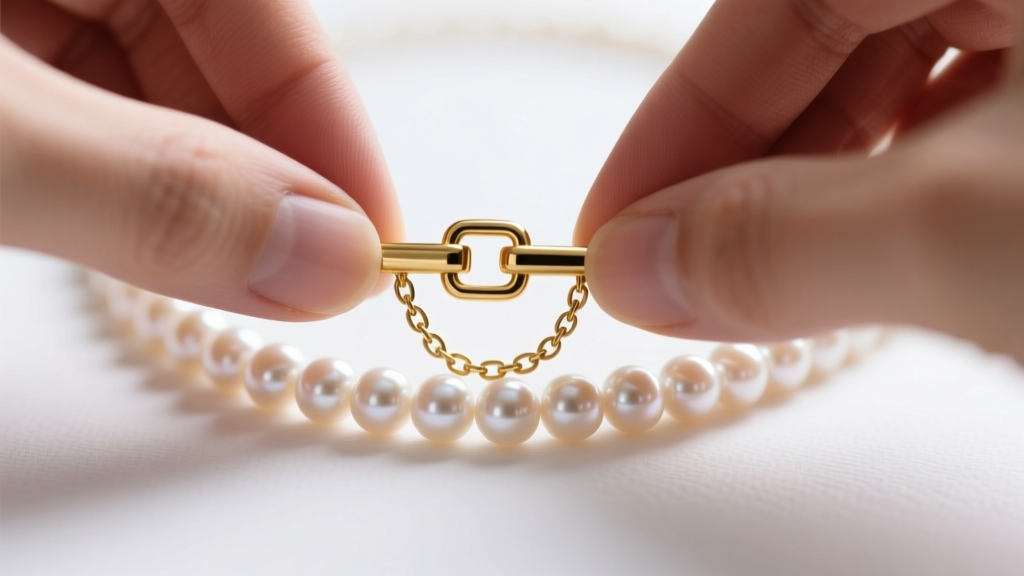
The single most effective troubleshooting step for any magnetic clasp is the addition of a micro-safety chain. A 1.5-inch to 2-inch sterling silver or gold-filled safety chain, attached to the jump rings on either side of the clasp, acts as a fail-safe. If the magnets slide apart due to shear force, the chain catches the necklace before it falls to the floor. This is a mandatory modification for any magnetic clasp worn outside the home.
2. Re-Bonding the Internal Magnet
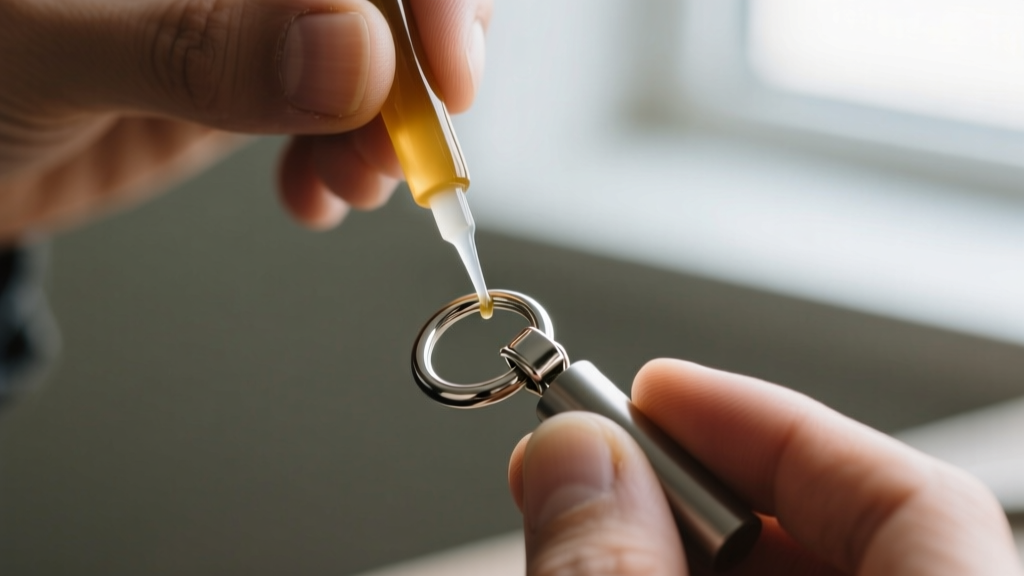
If the magnet has come loose inside the steel or brass housing, do not use standard super glue. Standard cyanoacrylate cures rigid and will shatter again upon the first impact. Instead, carefully clean the housing with isopropyl alcohol and use a two-part flexible jeweler's epoxy or a flexible adhesive like Loctite 495. Apply a micro-drop to the base of the housing, seat the magnet, and let it cure for 24 hours. This restores the original tensile strength without risking brittle failure.
3. Upgrading to a Locking Magnetic System
If you are tired of the shear-force vulnerability, it is time to upgrade to a locking magnetic clasp. Brands like Classy Magnets have engineered hybrid clasps that use a strong N52 neodymium magnet to pull the two halves together, followed by a mechanical twist-lock or sliding sleeve that physically prevents lateral sliding. This entirely eliminates the shear-force problem while retaining the one-handed accessibility of a standard magnet.
Pro-Tip: When upgrading your clasp, always ask your jeweler to replace the connecting jump rings with soldered jump rings. A soldered ring has no gap, meaning it is physically impossible for the chain to slip through or for the ring to pull open under the weight of a heavy pendant.
Accessibility and Safety for Arthritis Sufferers
Magnetic clasps are not just a convenience; they are a vital adaptive tool for individuals with rheumatoid arthritis, neuropathy, or limited fine motor skills. The Arthritis Foundation frequently highlights adaptive clothing and jewelry as essential for maintaining independence. However, the anxiety of losing a valuable piece of jewelry can negate the benefits of the clasp. For arthritis sufferers, combining an N52-grade locking magnetic clasp with a lightweight, easy-to-clip lobster claw safety chain provides the perfect balance of zero-dexterity operation and absolute peace of mind.
When to Abandon the Magnetic Clasp Entirely
Troubleshooting can only go so far. You should permanently remove the magnetic necklace clasp and replace it with a mechanical alternative if:
- Your necklace features a heavy, oversized pendant (over 30 grams) that creates excessive pendulum momentum.
- You are wearing a high-value or irreplaceable heirloom piece where a safety chain failure would be catastrophic.
- You frequently wear the necklace with high-friction winter clothing or scarves.
In these scenarios, transition to an 18-gauge lobster claw clasp paired with a 2-inch extender chain, or a sturdy S-hook clasp, which offers a more secure mechanical lock while remaining relatively easy to manipulate. By understanding the physics of your jewelry hardware, you can stop losing your favorite pieces and wear them with total confidence.


