2026 Gift Guide: Choosing the Perfect Victorian Cameo Necklace
Discover how to select, authenticate, and gift a genuine Victorian cameo necklace. Explore materials, pricing, and occasion-matching tips for 2026.

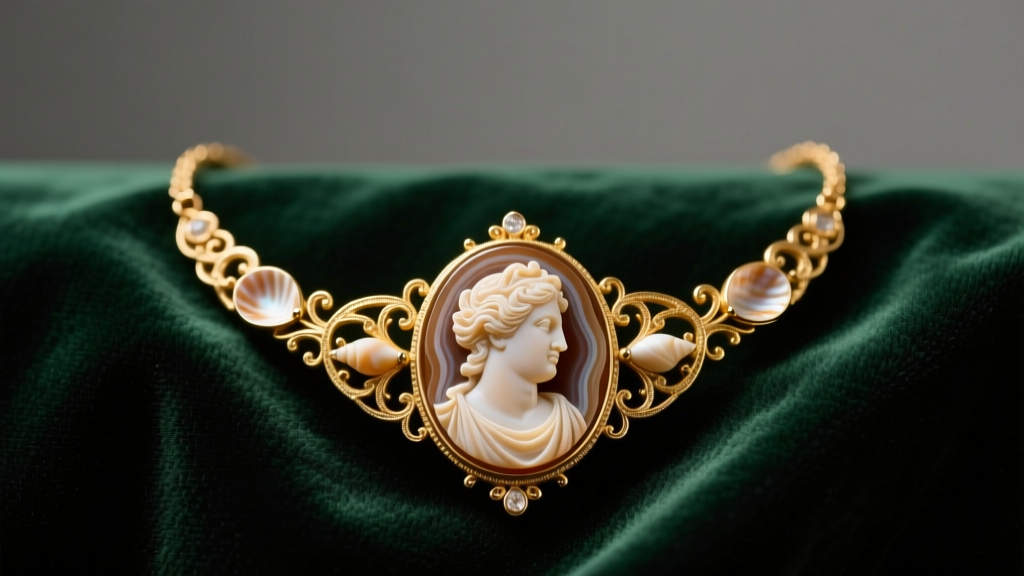
Gifting antique jewelry is an exercise in storytelling, but few pieces carry the historical weight and romantic intrigue of a genuine Victorian cameo necklace. As we navigate the 2026 gifting season, collectors and sentimental gift-givers alike are turning away from mass-produced modern pendants, seeking instead the bespoke, hand-carved artistry of the 19th century. Whether you are commemorating a milestone anniversary, celebrating a graduation, or passing down a new family heirloom, selecting the right cameo requires a keen eye for material, carving technique, and historical hardware.
In this comprehensive gift guide, we decode the nuances of Victorian cameos, providing you with the exact specifications, pricing frameworks, and authentication metrics needed to make an informed, deeply meaningful purchase.
The Enduring Allure of the Victorian Cameo
Queen Victoria’s profound influence on jewelry trends sparked a massive revival of the cameo, a carving technique that dates back to ancient Greece and Rome. During the Victorian era (1837–1901), the cameo transitioned from a purely aristocratic status symbol to a beloved staple of the rising middle class, largely fueled by the popularity of the "Grand Tour" of Europe. According to the Victoria and Albert Museum, travelers returning from Italy brought back intricately carved shell and lava cameos, cementing them as the ultimate tokens of affection and worldly sophistication.
Unlike modern laser-etched or molded imitations, a true Victorian cameo is a masterclass in subtractive sculpture. The artisan carves away layers of a banded material to reveal a raised relief portrait—typically a classical goddess, a mythological scene, or an idealized maiden—against a contrasting background. The depth of the carving, known as "undercutting," is a primary indicator of quality and value.
Decoding Materials: Shell, Lava, and Agate
The first step in matching a cameo to your recipient is understanding the material. The substrate dictates not only the price point but the durability, aesthetic, and historical context of the piece.

| Material | Origin & Era | Mohs Hardness | Avg. Antique Price Range |
|---|---|---|---|
| Sardonyx Shell | Torre del Greco, Italy (Mid-to-Late Victorian) | 2.5 - 3.0 | $250 – $1,200 |
| Vesuvian Lava | Mount Vesuvius, Italy (Grand Tour Era) | 3.5 - 4.0 | $300 – $1,500 |
| Banded Agate | Idar-Oberstein, Germany / UK (High Victorian) | 6.5 - 7.0 | $1,800 – $8,000+ |
| Whitby Jet | Yorkshire, England (Mourning Jewelry Era) | 2.5 - 4.0 | $400 – $2,000 |
Sardonyx Shell: The Classic Choice
Carved primarily from the helmet shell (Cassis madagascariensis), shell cameos offer a beautiful, creamy white relief against a warm peach or brown background. The Gemological Institute of America (GIA) notes that high-quality shell cameos exhibit extreme translucency when held to the light. They are delicate, however, and prone to drying out or cracking if exposed to harsh chemicals or extreme heat.
Vesuvian Lava: The Traveler’s Souvenir
Lava cameos were carved from the volcanic ash and stone of Mount Vesuvius. They lack the high contrast of shell but offer a striking, matte, three-dimensional quality. Usually depicting classical Roman profiles, lava cameos are highly durable and possess a distinct, earthy texture that appeals to lovers of archaeological revival jewelry.
Banded Agate: The Pinnacle of Luxury
Agate cameos are the holy grail for serious collectors. Carved from hardstone, they require immense skill and time, resulting in sharp, crisp lines and incredible longevity. The contrast between the opaque white agate layer and the translucent, dark brown or blue-grey base layer creates a dramatic, museum-quality effect.
Matching the Cameo to the Occasion
A Victorian cameo necklace is not a one-size-fits-all gift. The material, mounting, and subject matter should align with the emotional weight of the occasion.
Milestone Anniversaries: Banded Agate in 15k or 18k Gold
For a 20th, 30th, or 40th anniversary, bypass shell and opt for a banded agate cameo set in high-karat gold. Look for pieces featuring "en tremblant" elements (where parts of the jewelry tremble with movement) or diamond-set halos. An agate cameo depicting the mythological marriage of Cupid and Psyche or the Three Graces carries profound romantic symbolism. Expect to invest between $3,000 and $6,000 for a pristine, well-proportioned agate piece with original gold mountings.
Graduations & Coming of Age: Sardonyx Shell in Silver or 9k Gold
For a younger recipient celebrating a graduation or 21st birthday, a sardonyx shell cameo is an elegant, accessible entry into antique jewelry. Look for profiles facing right (the traditional direction for classical maidens) mounted in sterling silver or 9k rose gold. These pieces typically range from $300 to $600. Pair the cameo with a modern, lightweight 16-inch snake chain to bridge the gap between 19th-century romance and 2026 minimalist styling.
Sympathy & Remembrance: Whitby Jet and Bog Oak
Victorian mourning jewelry is a deeply moving gift for someone navigating loss or honoring a late loved one. Carved from fossilized wood (bog oak) or the compressed remains of ancient trees (Whitby jet), these cameos are entirely black, lightweight, and warm to the touch. They are often framed in simple pinched-bezel mounts. Gifting a jet cameo necklace is a gesture of enduring memory and quiet solidarity.
Authentication: Spotting True 19th-Century Hardware
The secondary market is flooded with modern resin and laser-cut shell replicas masquerading as antiques. To ensure you are gifting a genuine Victorian piece, you must examine the hardware. According to the experts at Lang Antique Jewelry University, the findings (clasps, hinges, and bails) are the most reliable indicators of age.
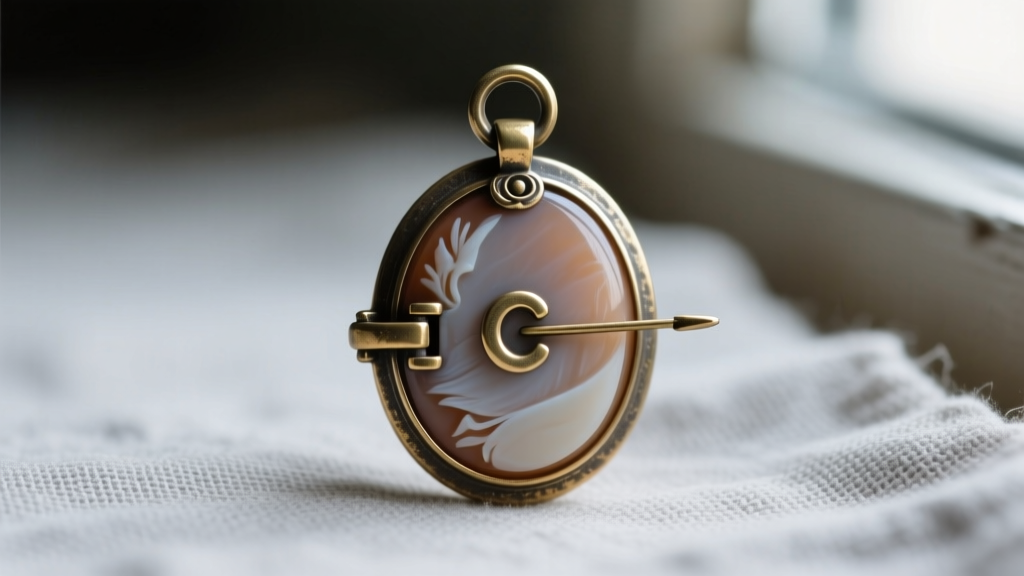
- The C-Clasp: True Victorian brooches and convertible pendants feature a simple "C" shaped catch without a modern rolling safety lock. The pin stem should extend slightly past the edge of the C-clasp.
- The T-Hinge: The hinge holding the pin should be a simple "T" shape or a short tube, rather than the long, seamless cylindrical hinges introduced in the 1920s.
- Gold Hallmarks & Pinchbeck: In the UK, 15k gold was the standard for high-quality jewelry until 1932. If a piece is stamped 14k, it is likely American or later than the Victorian era. Alternatively, look for "Pinchbeck," a copper-zinc alloy that mimics gold but develops a distinct, warm patina over time.
- Carving Continuity: Run your fingernail gently over the relief. A genuine hand-carved cameo will have continuous, natural grain lines flowing through both the raised figure and the background. Molded glass or resin replicas will feel perfectly smooth and lack natural striations.
Sizing, Bails, and Modern Chain Pairings
One of the most common pitfalls when gifting antique cameo necklaces is the chain pairing. Original Victorian chains are often fragile, overly ornate, or too short for modern necklines. When presenting your gift, consider the wearer’s wardrobe.
For high-necked blouses and turtlenecks, a cameo requires an opera-length chain (26 to 30 inches) to allow the pendant to rest elegantly on the torso. For scoop necks and open collars, a 15 to 16-inch choker-length chain positions the cameo perfectly at the hollow of the throat. We recommend replacing fragile antique chains with modern, high-quality 14k gold-filled or solid 9k gold rope chains, which provide the necessary tensile strength to support the heavy stone or shell mountings without sacrificing the vintage aesthetic.
The 2026 Gifting Verdict: A Victorian cameo necklace is more than an accessory; it is a wearable artifact. By prioritizing hand-carved agate or sardonyx shell, verifying 19th-century C-clasps, and matching the material to the emotional resonance of the occasion, you are gifting a piece of history that will undoubtedly outlast us all.


