Beginner's Guide to the Vintage Avon Turquoise Necklace
Discover how to identify, value, and style a vintage Avon turquoise necklace. Learn about materials, hallmarks, and pricing in this beginner guide.

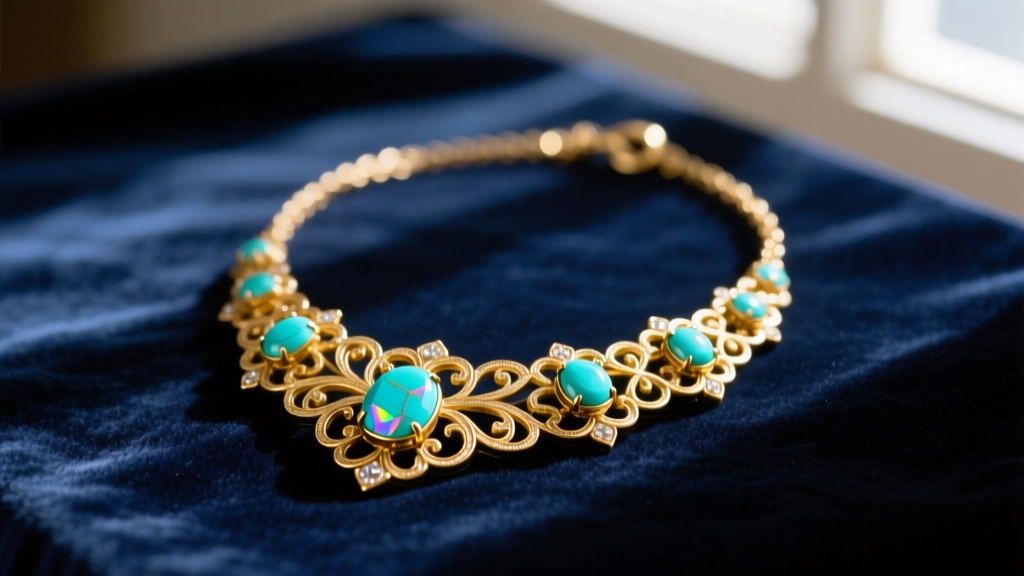
Introduction to the Avon Turquoise Necklace
For vintage jewelry enthusiasts and beginners alike, the avon turquoise necklace represents a fascinating intersection of accessibility, nostalgia, and bold design. Throughout the 1970s, 1980s, and 1990s, Avon produced thousands of costume jewelry pieces inspired by Native American, Southwestern, and bohemian aesthetics. While they were mass-produced, these necklaces have developed a dedicated collector base due to their distinct craftsmanship, heavy gold-tone plating, and striking visual appeal.
If you are just entering the world of vintage costume jewelry, understanding the nuances of an Avon turquoise necklace is crucial. Unlike fine jewelry, where the value is dictated by the intrinsic worth of precious metals and gemstones, vintage Avon pieces are valued based on their condition, rarity, era of production, and design complexity. This guide will walk you through the material realities, authentication markers, and practical care routines you need to know before making your first purchase.
Real vs. Simulated: Understanding the Stones
The most common misconception among beginners is assuming the stones in a vintage Avon turquoise necklace are genuine, mined turquoise. According to the Gemological Institute of America (GIA), genuine turquoise is a porous, hydrous phosphate of copper and aluminum that requires specific geological conditions to form. Because Avon operated on a mass-market costume jewelry model, utilizing genuine, high-grade turquoise (like Sleeping Beauty or Kingman) was economically unfeasible for their standard lines.
The Howlite and Magnesite Factor
Instead of natural turquoise, Avon primarily utilized dyed howlite, magnesite, or stabilized chalk turquoise. Howlite is a naturally white or gray borate mineral with dark gray or black webbing. When dyed blue or green, it closely mimics the matrix (the host rock webbing) of natural turquoise. Magnesite, which is naturally chalky white, was also heavily dyed and used for uniform cabochons. In some later 1990s collections, Avon experimented with high-quality opaque resins and enamels to achieve a flawless, unblemished turquoise look without the fragility of natural stone.
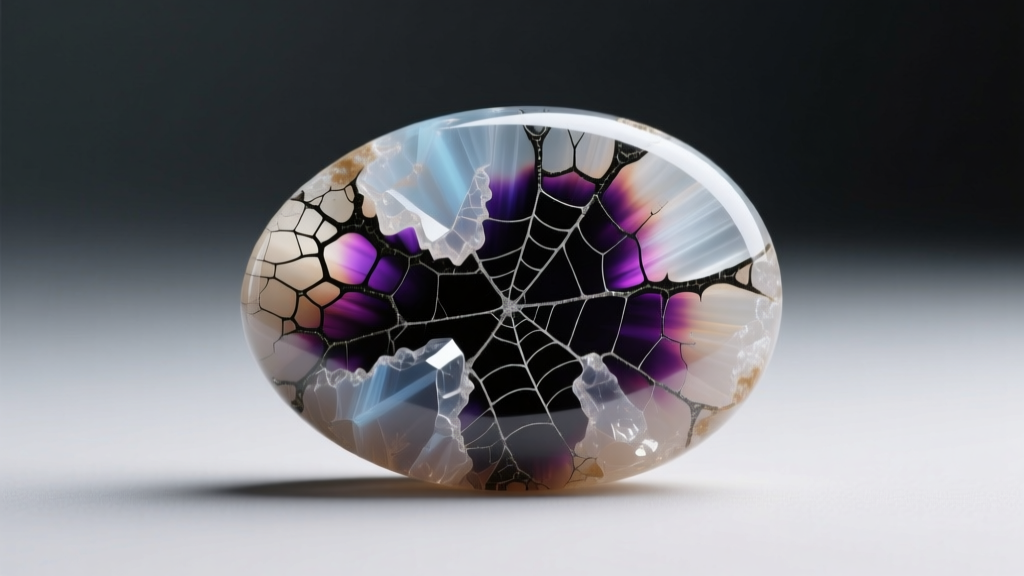
Pro-Tip for Beginners: You can often identify dyed howlite by using a 10x jeweler's loupe. Look closely at the dark webbing lines. If the dark color appears heavily concentrated in the cracks and crevices while the surface looks slightly faded, you are likely looking at dyed howlite rather than natural turquoise matrix.
Decoding Hallmarks and Authentication
Authenticating an Avon turquoise necklace requires a keen eye for the brand's specific hallmarks and manufacturing quirks. Avon was meticulous about stamping their jewelry, but the style of the stamp evolved over the decades.
- The Block 'AVON' Stamp: The most common hallmark is the word 'AVON' in simple, capitalized block letters. This is typically found on the back of the pendant, the metal tag near the clasp, or directly on the clasp itself.
- Copyright Symbols: Pieces from the 1970s and 1980s often feature the copyright symbol (©) alongside the Avon name, sometimes accompanied by a patent number or a specific designer's mark if it was part of a special collaboration.
- Clasp Mechanics: Vintage 1970s Avon necklaces frequently utilized fold-over clasps or early spring-ring mechanisms. By the late 1980s and 1990s, the brand transitioned to standard lobster claw clasps. If a piece claimed to be from the 1970s has a modern, lightweight lobster clasp with a 'Made in China' tag, it is likely a modern reproduction or has been heavily altered.
- Chain Weaves: Avon favored heavy rope chains, herringbone chains, and snake chains for their Southwestern pendant necklaces. The base metal was typically brass or pot metal, heavily plated in a bright or antiqued gold-tone finish.
Market Value and Pricing Guide
Valuing costume jewelry can be tricky, as it does not follow the spot prices of gold or silver. As noted by experts at Invaluable's costume jewelry guide, condition and design desirability drive the market. Below is a general pricing framework for vintage Avon turquoise necklaces in the current market.
| Era / Style | Typical Characteristics | Estimated Price Range (USD) |
|---|---|---|
| 1970s Southwestern Boho | Heavy gold-tone, large dyed howlite cabochons, intricate rope chain, fold-over clasp. | $35 - $85 |
| 1980s Bold Geometric | Chunky resin stones, mixed metal accents, shorter choker lengths, prominent AVON stamp. | $20 - $50 |
| 1990s Minimalist / Petite | Small simulated turquoise beads, delicate snake chains, lobster clasps, lightweight feel. | $12 - $30 |
| Rare / Signed Collaborations | Limited edition runs, Native American artist collaborations, pristine deadstock condition. | $90 - $150+ |
Troubleshooting Common Vintage Flaws
When buying a vintage Avon turquoise necklace, you will rarely find a piece in absolute mint condition. Knowing how to troubleshoot and treat common flaws will save you from ruining a fragile vintage piece.
Dealing with Verdigris
Verdigris is the green, crusty oxidation that forms on copper and brass base metals when exposed to moisture and skin acids over time. Because Avon used gold-plated brass, the plating eventually wears thin, exposing the brass underneath. Never use harsh chemical dips or ultrasonic cleaners, as these will strip the remaining gold plating and dissolve the dye in the simulated turquoise. Instead, use a dry, soft-bristled toothbrush to gently flake away loose verdigris. For stubborn spots, lightly dip a cotton swab in white vinegar, apply it only to the metal (avoiding the stone), and immediately neutralize it with a dry baking soda paste, wiping clean with a microfiber cloth.
Fading and Dye Transfer
Dyed howlite and magnesite are notorious for dye transfer. If you wear a vintage Avon turquoise necklace while sweating or applying heavy lotions, the blue dye can leach onto your skin or clothing. To prevent this, always put your jewelry on after applying perfumes, lotions, and hairsprays. If the stone itself looks faded or chalky, you can carefully restore its luster by applying a microscopic drop of mineral oil to a soft cloth and gently buffing the stone. This rehydrates the surface and deepens the color without altering the chemical structure.

Styling Your Vintage Find
The beauty of the Avon turquoise necklace lies in its versatility. The bold, Southwestern-inspired pieces from the 1970s serve as incredible statement items. For a modern, curated look, try layering a heavy Avon turquoise pendant on a 24-inch rope chain with two or three delicate, solid gold or gold-filled chains of varying lengths (16-inch and 18-inch). This juxtaposition of chunky vintage costume jewelry with refined, modern metals creates a highly fashionable, eclectic aesthetic.
For the workplace or more subdued environments, the smaller, beaded Avon turquoise necklaces from the 1990s work beautifully as a subtle pop of color against a crisp white button-down or a navy blazer. Remember that the gold-tone plating on vintage Avon pieces has a distinct, warm, brassy hue that pairs exceptionally well with earth tones, warm knits, and denim.
Final Thoughts for the Beginner Collector
Collecting vintage costume jewelry is about appreciating the artistry, history, and design trends of bygone eras. An Avon turquoise necklace may not hold the intrinsic financial value of a fine jewelry piece, but it offers a tangible connection to the fashion movements of the late 20th century. By understanding the materials, knowing how to read the hallmarks, and practicing proper, gentle maintenance, you can build a stunning, historically rich collection that will last for decades to come.


