How Material Weight Dictates the Best Lengths of Necklaces
Discover how metal density and gemstone weight affect the ideal lengths of necklaces. Learn tensile limits and styling tips for heavy vs. light chains.

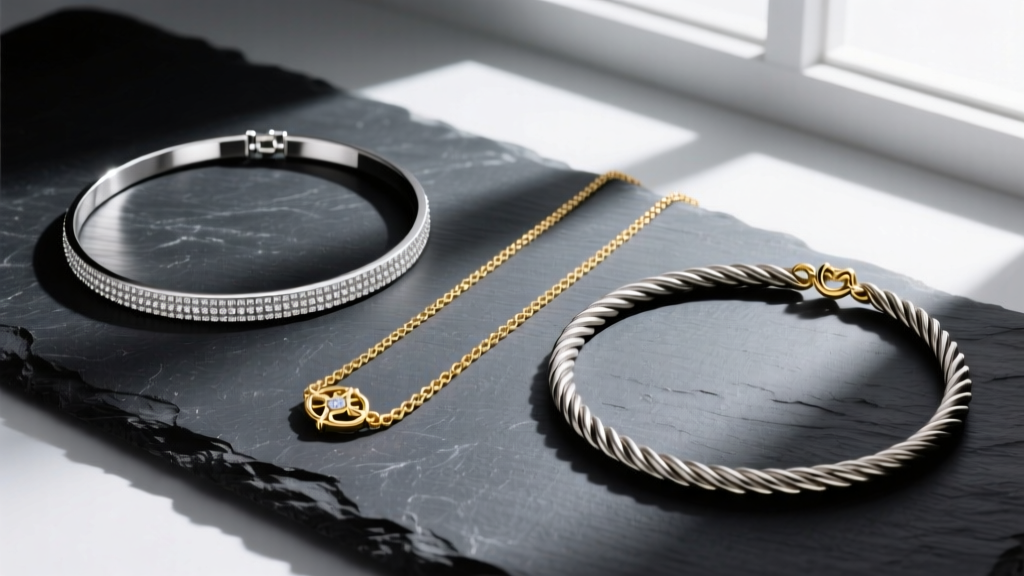
When most style guides discuss the lengths of necklaces, they focus almost exclusively on aesthetics: matching a choker to a V-neckline or pairing an opera-length chain with a high collar. However, as any seasoned jeweler or metallurgist will tell you, the physical properties of the materials used—specifically metal density, tensile strength, and gemstone specific gravity—are the true dictators of which necklace lengths are actually viable, comfortable, and structurally sound.
As we navigate jewelry trends in 2026, the rise of mixed-media layering and oversized pendants has made understanding the physics of necklace drape more critical than ever. A 36-inch rope chain made of solid platinum behaves entirely differently than one made of aerospace-grade titanium. In this comprehensive guide, we bridge the gap between material science and jewelry styling to help you choose the perfect lengths of necklaces based on weight, durability, and ergonomics.
The Physics of Drape: Why Material Dictates Length
Every material used in jewelry has a specific gravity (SG), which is the ratio of its density to the density of water. The higher the specific gravity, the heavier the metal. When you increase the length of a necklace, you are exponentially increasing the total mass of the metal resting on the cervical spine and the collarbone.
Furthermore, longer necklaces are subject to kinetic stress. A 16-inch choker sits relatively still against the base of the throat. A 32-inch opera-length necklace, however, swings with every step. This pendulum effect generates kinetic energy that places immense shear stress on the chain links, jump rings, and clasps. If the material is too dense (heavy), a long chain will not only cause severe neck fatigue but will eventually stretch and deform under its own dynamic weight.
Metal Density vs. Maximum Chain Lengths
To understand how different metals perform at varying lengths, we must look at their specific gravity and how that translates to real-world weight. Below is a comparison of standard jewelry metals and their maximum recommended lengths for a standard 1.5mm gauge chain before ergonomic and structural issues arise.
| Metal Type | Specific Gravity (SG) | Max Recommended Length (1.5mm) | Ergonomic & Structural Risk |
|---|---|---|---|
| Platinum (950) | 21.45 | 24 inches (Matinee) | High risk of neck strain and link stretching beyond 24". |
| 24k Yellow Gold | 19.32 | 22 inches | Extremely soft; long lengths will warp and snap under tension. |
| 18k Yellow Gold | 15.50 | 30 inches (Opera) | Moderate weight; requires thicker gauge (1.2mm+) for lengths over 24". |
| 14k Yellow Gold | 13.50 | 36 inches (Opera/Rope) | Good balance of durability and weight for longer layering pieces. |
| Sterling Silver | 10.30 | 42 inches (Rope) | Lightweight, but prone to tangling at extreme lengths due to lower mass. |
| Titanium (Grade 5) | 4.43 | 60+ inches (Multi-wrap) | Ultra-lightweight; ideal for extreme lengths and heavy pendant suspension. |
According to metallurgical data from Rio Grande Jewelry Supply, platinum's extreme density means a 30-inch, 2mm solid platinum cable chain can weigh upwards of 85 grams. For context, wearing 85 grams of concentrated, swinging weight on the back of your neck can lead to cervical muscle fatigue within hours. Therefore, platinum is best reserved for shorter lengths of necklaces, such as chokers (14-16") and princess lengths (17-19"), where the chain rests securely on the collarbone without swinging.
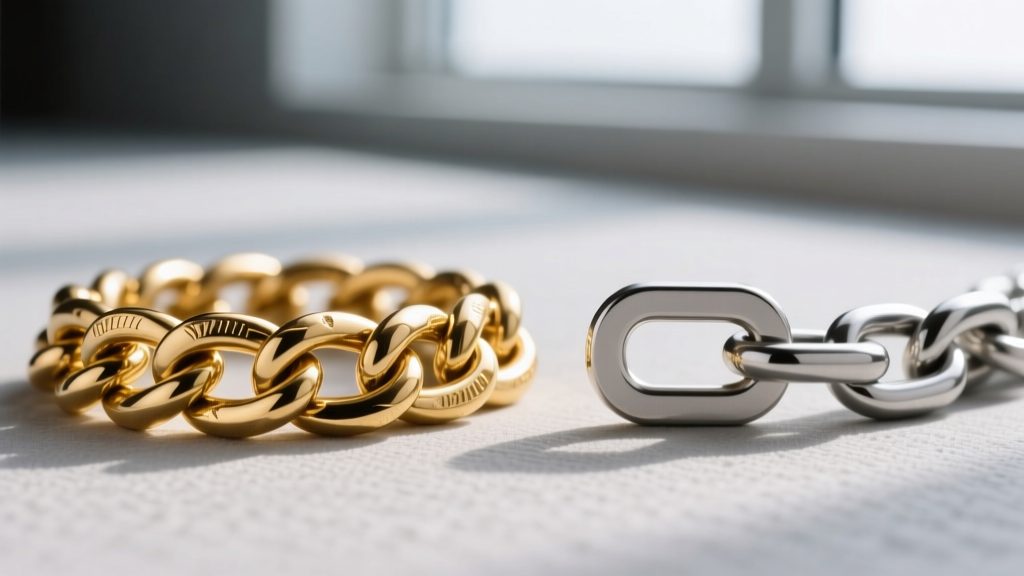
Pendant Weight and Kinetic Stress on Long Chains
The material of the chain is only half the equation; the pendant suspended from it drastically alters the physics of the necklace. When evaluating the lengths of necklaces for heavy pendants, you must consider the specific gravity of the gemstone or casting material.
For example, a solid cubic zirconia (SG ~5.6) or a large cabochon of quartz (SG ~2.65) will add significant static weight. However, the GIA Gem Encyclopedia notes that denser stones like hematite (SG ~5.0) or certain metallic inclusions can make a seemingly small pendant surprisingly heavy. When you attach a 30-gram pendant to a 36-inch opera chain, the pendant acts as a plumb bob. Every time the wearer walks, the pendant swings, multiplying the force exerted on the bail and the chain links directly above it.
Jeweler's Troubleshooting Insight: If you notice your long gold chain links elongating or becoming oval-shaped near the clasp and the pendant bail, this is a classic sign of kinetic yield failure. The chain gauge is too thin for the pendant's dynamic mass at that specific length. Upgrading from a 20-gauge (0.8mm) to an 18-gauge (1.0mm) chain, or shortening the necklace to a 20-inch matinee length to reduce the swing arc, will solve the issue.
Tensile Strength and Clasp Failure Modes
The clasp is the weakest point of any necklace, and its failure threshold is directly tied to the length and material weight of the piece. Longer necklaces generate more momentum, meaning the clasp must withstand higher dynamic loads when the necklace is caught on clothing or pulled accidentally.
- Spring Ring Clasps: Best for lightweight materials (sterling silver, hollow gold, aluminum) at shorter lengths (16-20 inches). They typically fail under dynamic loads exceeding 15 grams.
- Lobster Clasps: The industry standard for 14k and 18k gold chains up to 30 inches. A high-quality cast lobster clasp can withstand dynamic pulls of up to 40-50 grams before the internal spring mechanism or the lever itself bends.
- Box Clasps with Safety Catches: Mandatory for heavy materials (solid platinum, thick 14k gold) at opera and rope lengths (28-42 inches). The tongue-and-groove mechanism distributes the tensile load across the metal housing rather than relying on a tiny internal spring, safely supporting 100+ grams of kinetic stress.
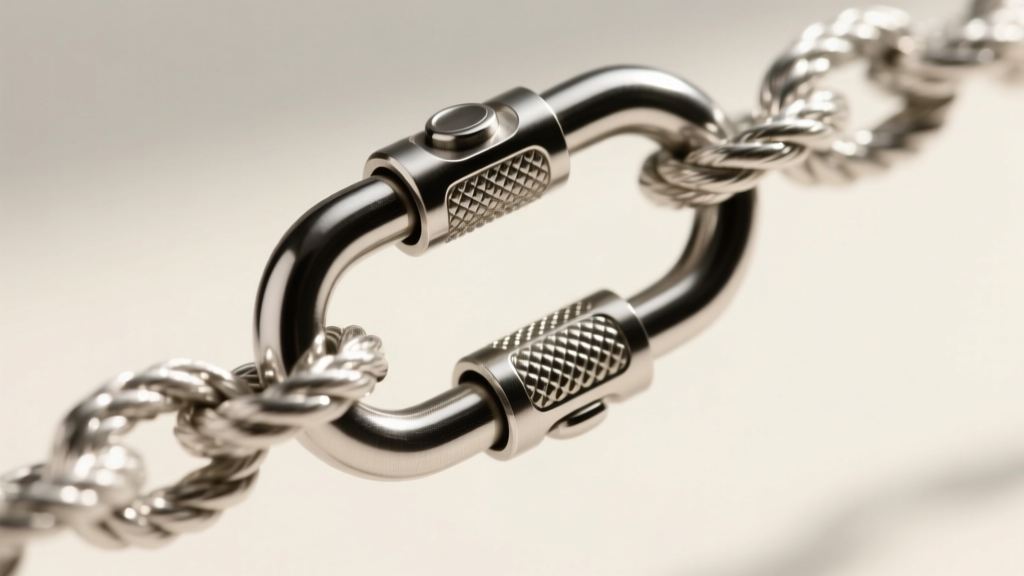
Framework: Matching Material to the Ideal Lengths of Necklaces
To synthesize material properties with styling, use this practical framework when selecting or designing your jewelry pieces. This ensures your necklace not only looks proportional but will physically endure daily wear.
1. Choker & Collar (14-16 Inches)
Best Materials: Platinum, 18k/24k Gold, Solid Bronze, Heavy Gemstone Beads (Lapis Lazuli, Onyx).
Why: Because these lengths wrap tightly around the neck and do not swing, they can support extreme material density without causing kinetic stress or tangling. A 16-inch solid platinum chain with a heavy diamond pendant sits perfectly against the clavicle, utilizing the bone structure to support the weight rather than the delicate neck muscles.
2. Princess (17-19 Inches)
Best Materials: 14k/18k Gold, Sterling Silver, Pearls (SG ~2.7).
Why: The most versatile length. Gold and silver offer enough weight to drape beautifully over the collarbone without pulling the neckline of a garment. Pearls are exceptionally well-suited here, as their moderate weight allows the strand to lay flat against the chest.
3. Matinee (20-24 Inches)
Best Materials: Sterling Silver, 14k Gold, Mixed-Metal Alloys, Medium-Density Resins.
Why: At this length, the necklace begins to swing slightly. Sterling silver provides a cool, heavy drape that resists tangling better than ultra-lightweight metals. Avoid 24k gold here, as the softness of the metal combined with the increased length makes it highly susceptible to stretching.
4. Opera (28-36 Inches)
Best Materials: 14k Gold, Titanium, Hollow-Core Gold, Lightweight Wood or Bone.
Why: Opera lengths require materials that resist tangling and do not overload the clasp. Titanium is a 2026 favorite for opera lengths because its SG of 4.43 allows for thick, visually striking chains that weigh practically nothing, eliminating the risk of clasp failure or neck strain.
5. Rope & Lariat (37+ Inches)
Best Materials: Aluminum, Titanium, Silk Cord with Metal Accents, Seed Beads.
Why: Extreme lengths demand ultra-low density materials. A 60-inch rope chain in solid gold would be an unwieldy, tangled mess that would eventually snap under its own pendulum effect. Anodized aluminum or grade-5 titanium provides the necessary structural integrity while remaining feather-light.
Conclusion
Understanding the interplay between material density and the lengths of necklaces elevates you from a passive consumer to an informed collector. By respecting the specific gravity of metals, the kinetic stress of long chains, and the tensile limits of clasps, you can build a jewelry wardrobe that is not only visually stunning but structurally engineered for longevity. Whether you are opting for a dense platinum choker or a sweeping titanium opera rope, let the physics of the material guide your style.


