Repair and Style Tips for a White Beaded Necklace Long Rope
Learn how to untangle, restring, and clean a white beaded necklace long rope style. Expert troubleshooting for yellowing, breakage, and styling.

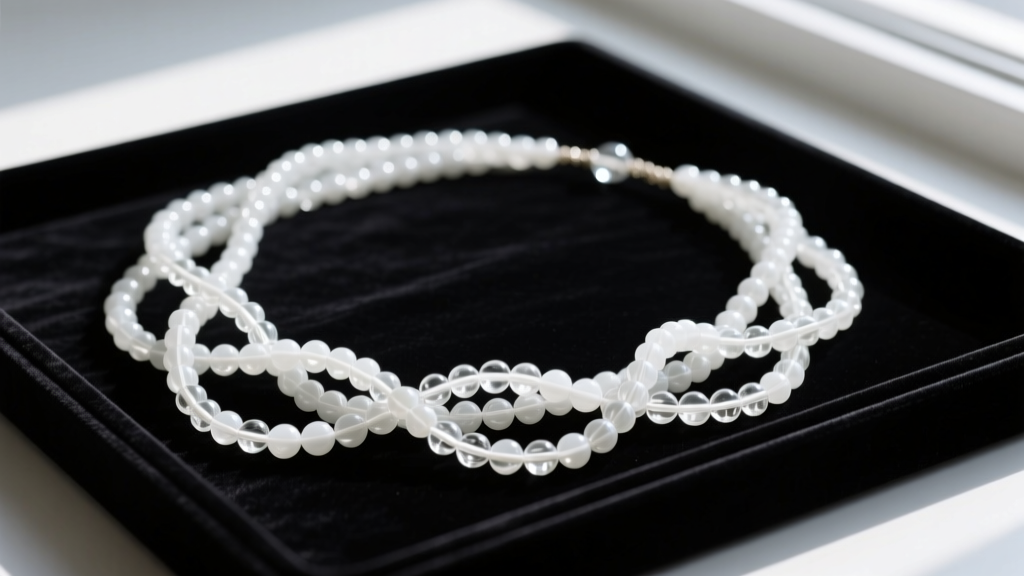
Long rope necklaces are a timeless staple, offering incredible versatility from the roaring twenties to modern minimalist layering. However, owning and maintaining a white beaded necklace long enough to wrap or knot introduces a unique set of mechanical and chemical challenges. Because of their length—typically ranging from 36 to 60 inches—these pieces are subjected to extreme pendulum physics, severe tangling, and heightened exposure to environmental pollutants that can cause pristine white beads to yellow or degrade.
Whether you are dealing with a vintage faux pearl rope, a heavy ceramic bead lariat, or a delicate freshwater pearl strand, troubleshooting these issues requires an understanding of jewelry mechanics and material science. In this comprehensive guide, we will break down the exact failure points of long white beaded ropes and provide actionable, professional-grade solutions to restore and style them.
The Physics of Breakage: Why Long Ropes Snap
When you wear a white beaded necklace long enough to reach your sternum or waist, it acts as a pendulum. Every step you take transfers kinetic energy down the strand, concentrating sheer stress at two critical failure points: the clasp loop and the center-bottom beads. Over time, this constant swinging causes friction that saws through stringing materials from the inside out.
If your necklace has snapped, the first step in troubleshooting is identifying the stringing material used. As of 2026, professional jewelers have largely moved away from traditional silk for heavy, long-form beaded ropes, favoring advanced synthetic alternatives that resist stretching and friction.
Stringing Material Comparison Guide
| Material | Tensile Strength | Stretch Factor | Best Use Case for Long Ropes |
|---|---|---|---|
| Griffin Silk Cord | Low (4-8 lbs) | High | Lightweight freshwater pearls (under 6mm); requires knotting between every bead. |
| Nylon-Coated Stainless Steel Wire (0.018") | High (20-30 lbs) | Zero | Heavy glass, ceramic, or gemstone beads; requires crimp beads and wire protectors. |
| Waxed Nylon (C-Lon) | Medium (12-15 lbs) | Low | Semi-precious stones and seed beads; excellent for multi-wrap lariat styles. |
| Elastic Cord (Stretch Magic) | Very Low | Extreme | Never use for long ropes; gravity will cause immediate sagging and eventual snapping. |
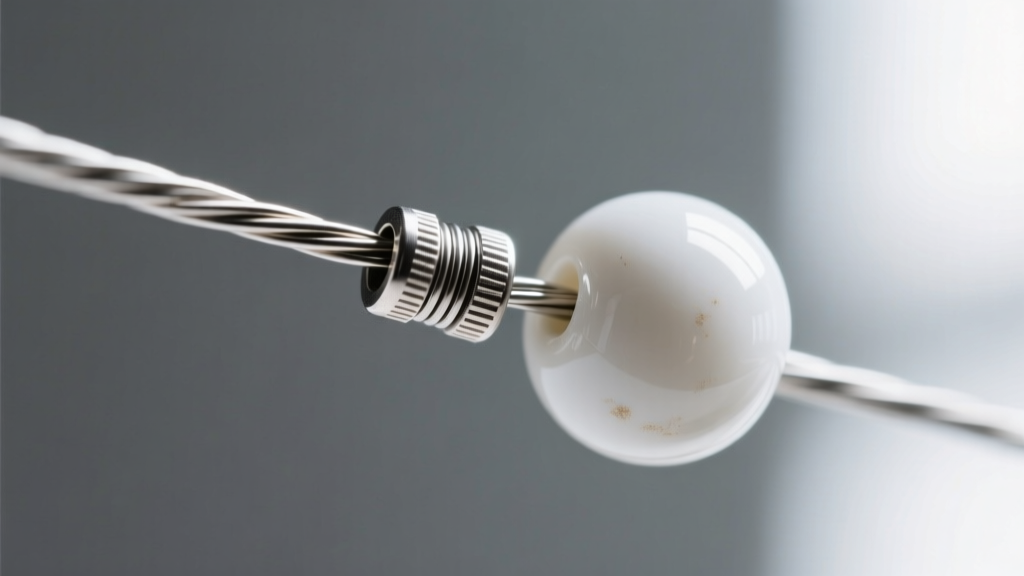
Pro-Tip: If you are restringing a heavy 48-inch white ceramic bead necklace, always use a 0.018-inch or 0.021-inch 49-strand micro-wire. Thinner 7-strand wires will kink under the weight of a long rope, leading to metal fatigue and sudden breakage.
Solving the Yellowing and Discoloration Problem
White beads are notoriously unforgiving when it comes to discoloration. A white beaded necklace long rope spends hours resting against the skin, absorbing oils, lotions, and perspiration. The method for restoring the bright white finish depends entirely on the bead material.
1. Faux Pearls (Coated Glass or Plastic)
Faux pearls are created by dipping glass or plastic beads into a nacreous coating (often derived from fish scales or synthetic pearlescent pigments). This coating is highly reactive to the lactic acid in human sweat and the alcohol in perfumes. If your faux pearls are peeling or turning a sickly yellow, do not use ultrasonic cleaners or ammonia-based solutions. These will strip the remaining coating. Instead, wipe them gently with a microfiber cloth dampened with distilled water and a drop of pH-neutral baby shampoo. For severe yellowing on plastic-core faux pearls, the UV damage is usually permanent, and the beads must be replaced.
2. Genuine Freshwater and Akoya Pearls
According to the Gemological Institute of America (GIA), genuine pearls are organic gems that require moisture. If a white pearl rope is stored in an airtight plastic bag or a hot safety deposit box, the pearls will dehydrate, leading to micro-cracking and a dull, yellowish cast. To restore them, gently wash with a soft cloth and mild soapy water, then lay them flat on a damp towel to dry. Never hang a wet pearl rope, as the wet silk will stretch and cause the pearls to bunch up.
3. Acrylic and Resin Beads
White acrylic beads yellow due to UV exposure and chemical reactions with cosmetics. While surface stains can be removed with a gentle polish, deep yellowing caused by polymer degradation cannot be reversed. Avoid using acetone or harsh solvents, as these will melt the acrylic and ruin the bead's luster.
Fixing Clasp Slippage and Hardware Failure
Long white beaded necklaces often utilize decorative barrel clasps or magnetic tube clasps. While visually seamless, these are major structural liabilities on ropes exceeding 36 inches. The pendulum swing of a long necklace generates enough momentum to pull magnetic clasps apart, while barrel clasps frequently unscrew due to the friction of the beads twisting against the skin.
The Troubleshooting Fix: Upgrade your hardware. Take your necklace to a bench jeweler and have the magnetic or barrel clasp replaced with a locking lobster clasp paired with a soldered jump ring. If you want to maintain the aesthetic of a seamless closure, request a bayonet clasp, which locks into place with a twist-and-click mechanism that is entirely immune to pendulum momentum. Always ensure the jeweler uses French wire (gimp) or wire protectors at the clasp loop to prevent the metal from sawing through your stringing material.

Styling a 36-Inch to 48-Inch Rope Without Tangling
The most common complaint regarding a white beaded necklace long style is the tendency for the beads to tangle, knot, or catch on clothing. Furthermore, wearing a 48-inch strand as a single loop can look dated or overwhelm a modern silhouette. Here are professional techniques for styling and managing long ropes:
- The Double-Loop Knot: Loop the necklace around your neck twice to create a 24-inch and a 30-inch layer. Take the longer loop and tie a loose, single overhand knot at the center of your chest. This prevents the beads from sliding and tangling while creating a chic, asymmetrical focal point.
- The Lariat Conversion: If your long rope lacks a clasp (an endless necklace), avoid wrapping it tightly. Instead, drape it around the back of your neck, cross the ends once at the sternum, and let them hang straight down. Use a silicone jewelry stopper or a decorative metal slide to secure the cross-section, preventing the beads from clicking and tangling.
- Magnetic Clasp Converters: For endless ropes, you can purchase a magnetic clasp converter. This small tube features strong internal magnets that grip the beads, allowing you to instantly convert a 48-inch rope into a secure 24-inch double-strand choker without needing to restring the piece.
Preventative Maintenance for Long Beaded Ropes
To ensure the longevity of your white beaded necklace, implement a strict maintenance routine. Always put your jewelry on after applying cosmetics, perfumes, and hairspray. When removing the necklace, never pull it over your head if it has a clasp; always unfasten it to prevent stretching the stringing material.
Store the necklace flat in a fabric-lined drawer or rolled loosely in an anti-tarnish pouch. Never hang a long beaded rope on a jewelry tree, as the constant downward pull of gravity will permanently stretch silk and nylon threads, creating unsightly gaps between the beads. By understanding the mechanics of your stringing materials and the chemical sensitivities of white beads, you can keep your long rope necklaces looking pristine and structurally sound for decades.


