Fixing Macrame Necklaces: Fraying, Knots & Dye Bleed
Learn how to troubleshoot and repair common macrame necklace issues like frayed cords, stiff sliding knots, and dye bleeding with expert tips.

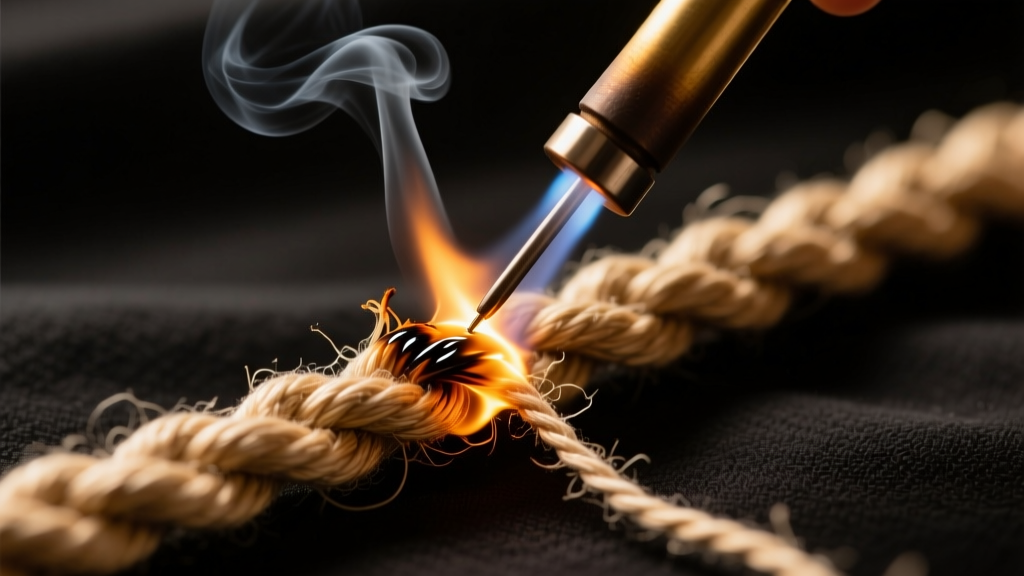
Macrame necklaces have experienced a massive resurgence, evolving from simple festival wear to sophisticated, everyday statement pieces. However, as any avid collector or artisan knows, fiber-based jewelry comes with a unique set of vulnerabilities. Unlike solid metal chains, macrame is subject to friction, moisture, skin oils, and UV degradation. As we navigate the jewelry trends of 2026, the demand for high-quality, durable fiber art is at an all-time high, yet many wearers are left frustrated by unraveling cords, stubborn sliding knots, and tarnished hardware.
If your favorite handmade piece is falling apart, don't throw it away. This comprehensive troubleshooting guide dives deep into the material science and structural mechanics of macrame, providing actionable, expert-level solutions to restore your necklaces to pristine condition.
The Anatomy of a Failing Macrame Necklace
Before applying a fix, you must diagnose the failure mode. Macrame necklaces typically fail in three specific areas:
- The Sliding Closure: The adjustable square knot becomes too stiff to pull or too loose to hold the pendant's weight.
- The Core Cords: Friction from the pendant bail or constant bending causes the inner structural cords to fray and snap.
- The Findings: Base-metal clasps or crimp covers react with the slightly acidic pH of human sweat, leading to rapid tarnishing and green skin.
Understanding the exact material composition of your cord—whether it is nylon, cotton, hemp, or waxed linen—is the critical first step in any repair process. According to the Fire Mountain Gems' Encyclopedia, treating a natural fiber with heat-based sealing methods meant for synthetics will instantly ruin the piece.
Troubleshooting Stiff or Loose Sliding Knots
The sliding square knot is the most common closure for macrame necklaces, allowing the wearer to adjust the length from choker (14-16 inches) to princess (18 inches) or matinee (22 inches). When this knot fails, it is usually due to improper cord ratios or a lack of lubrication.
The Cord Ratio Rule
A stiff, unyielding sliding knot is almost always caused by using a knotting cord that is too thin for the core cords. If your core cords are 1.5mm hemp, but you are using a 0.5mm nylon cord to tie the sliding knot, the nylon will bite into the hemp, creating immense friction. The Fix: The knotting cord should be equal to or slightly thicker than the core cords. If you cannot re-tie the knot, you must lubricate the existing one.
Waxing and Lubrication Techniques
Never use silicone sprays or household oils on macrame; they will attract dust and degrade natural fibers. Instead, use specialized jewelry waxes.
- Beeswax: Best for cotton and hemp. Rub a small block of pure, unbleached beeswax along the core cords where the sliding knot travels. This fills the microscopic pores of the natural fiber, reducing friction.
- Microcrystalline Wax: Best for nylon (like C-Lon or SuperLon). Synthetic cords don't absorb beeswax well. A microcrystalline wax (often sold as Renaissance Wax) provides a dry, non-tacky slip layer that won't melt in summer heat.
Stopping Cord Fraying and Unraveling in Its Tracks
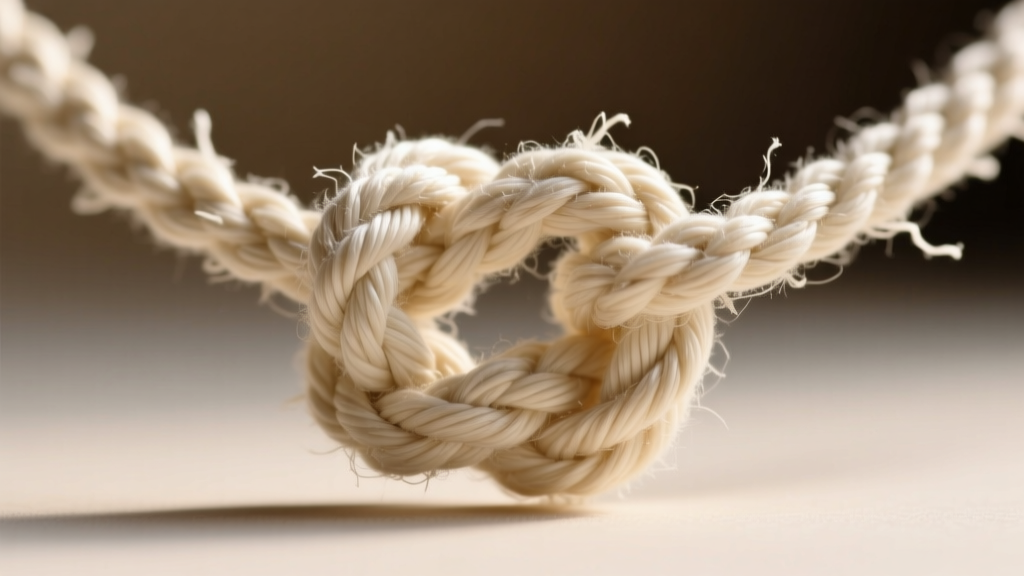
Fraying usually occurs at the ends of the necklace (the tassels) or right beneath the pendant bail where the cord bends sharply. The repair method depends entirely on the melting point of your material.
Synthetic Cords (Nylon & Polyester)
Brands like C-Lon and SuperLon are nylon-based and have a melting point between 420°F and 500°F. When they fray, you can melt them back into a solid bead.
- Trim the Fray: Use flush cutters to snip the frayed end cleanly, leaving about 2mm of cord.
- Apply Heat: For micro-macrame (0.5mm cords), use a battery-operated Thread Zap tool. For thicker cords (1.5mm+), a precision butane torch or a wood-burning pen with a flat tip works best. Avoid standard lighters, as the soot will stain lighter-colored cords.
- Flatten the Bead: Immediately after melting, press the molten nylon flat against a ceramic tile or a specialized Teflon pressing sheet using a flat metal tool. This creates a wide, flat stopper that won't slip through knot gaps.
Natural Cords (Cotton, Hemp, Linen)
Natural fibers do not melt; they burn and turn to ash. You cannot heat-seal cotton macrame. Instead, you must use chemical binders.
- G-S Hypo Cement: This is the gold standard for micro-macrame. It features a precision needle applicator that wicks deep into the cord fibers without leaving a bulky, visible residue. Apply a drop, let it cure for 10 minutes, and trim flush.
- E6000 Jewelry Adhesive: Too thick for delicate cords, but excellent for heavy 2mm+ hemp tassels. Apply sparingly with a toothpick to avoid unsightly glue blobs.
Preventing Dye Bleed and Color Transfer
There is nothing worse than a vibrant turquoise macrame necklace turning your white collar blue. Dye bleeding occurs when the fiber was not properly mordanted (pre-treated to accept dye) or when the dye was not heat-set. Sweat, which has an average pH of 4.5 to 5.5, acts as a mild acid that reactivates poorly set dyes.
The Vinegar Setting Bath
If you suspect a new necklace might bleed, perform a colorfastness test. Dampen a white cotton swab and rub it vigorously on the cord. If color transfers, you need to set the dye before wearing it.
Expert Tip: Submerge the necklace in a solution of 1 part white vinegar to 4 parts cold water for 30 minutes. The acetic acid helps lock the dye molecules into the cellulose structure of cotton and hemp fibers. Rinse in cold water and lay flat to dry. For synthetic nylons, use a synthetic dye fixative like Retayne instead of vinegar.
Hardware Upgrades: Escaping the Tarnish Trap
Many commercial macrame necklaces cut costs by using zinc alloy or brass-plated findings. When these base metals interact with the moisture trapped in the macrame knots, they oxidize rapidly, often turning the surrounding cord green or black. Upgrading your hardware is a permanent fix.
| Hardware Material | Tarnish Resistance | Cost per Finding | Best Use Case in Macrame |
|---|---|---|---|
| Zinc Alloy | Poor | $0.10 - $0.30 | Temporary fashion pieces; avoid for daily wear. |
| Solid Brass | Moderate (Patina) | $0.50 - $1.50 | Rustic, bohemian styles where aging is desired. |
| 316L Surgical Steel | Excellent | $0.80 - $2.50 | Sliding knot tubes, end caps, and lobster clasps. |
| Sterling Silver (925) | Good (Requires Polish) | $3.00 - $15.00+ | High-end pendant bails and decorative beads. |
If your current clasp is tarnishing, carefully cut the macrame loop holding it, slide on a 316L surgical steel clasp, and secure it using a wrapped lark's head knot finished with a drop of G-S Hypo Cement. Beadaholique's jewelry tutorials offer excellent visual guides on integrating metal findings into fiber arts without compromising the structural integrity of the knotwork.
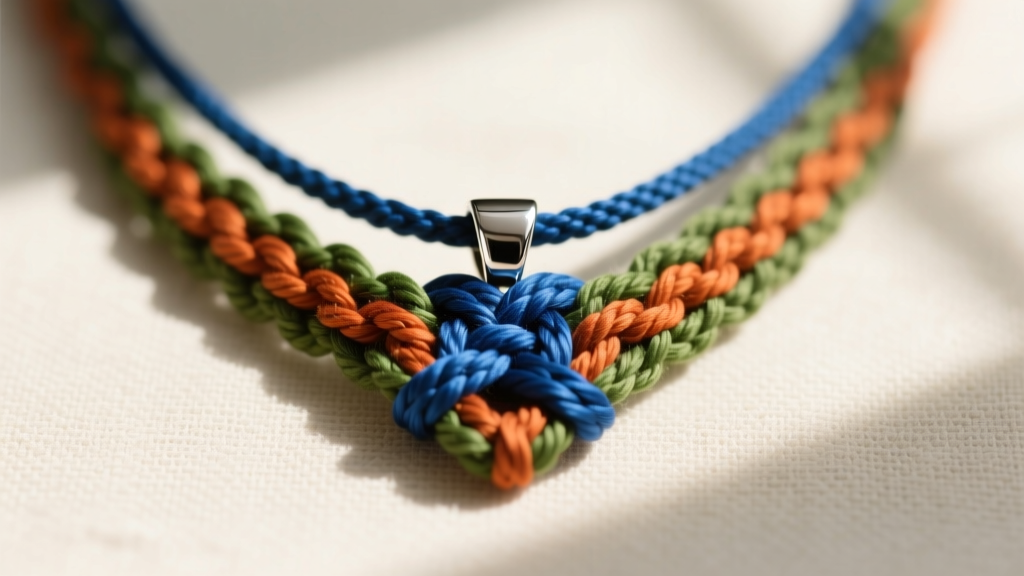
Your Emergency Macrame Repair Kit
To maintain a collection of artisanal fiber jewelry, keep a dedicated repair kit on hand. You don't need a full artisan's studio; just these specific, high-yield items:
- Flush Cutters: For clean, 90-degree cuts on cords up to 2mm thick.
- Thread Zap Tool: Battery-operated heat tool for precision melting of nylon frays.
- G-S Hypo Cement: For securing natural fiber ends and reinforcing loose knot tails.
- Teflon Pressing Sheet: To flatten melted nylon beads without sticking.
- Microcrystalline Wax: For lubricating stiff sliding closures on synthetic cords.
- 316L Steel Jump Rings & Clasps: Assorted sizes (6mm and 8mm) for immediate hardware swaps.
Final Thoughts on Fiber Care
Macrame necklaces are living pieces of art that interact with your body and environment. By understanding the material science behind your cords and the mechanics of your knots, you can easily troubleshoot the most common wear-and-tear issues. Whether you are heat-sealing a frayed nylon tassel or upgrading a tarnished base-metal clasp to surgical steel, these targeted repairs will ensure your favorite pieces remain vibrant, functional, and stylish for years to come. For more advanced knotting techniques and material sourcing, consulting resources like Interweave's jewelry community can further elevate your maintenance and design skills.


