Ladybug Watch Necklace Value: 2026 Price & Buyer Guide
Discover the true value of a ladybug watch necklace in 2026. Compare prices, materials, and movements to spot genuine vintage gems vs. cheap novelties.

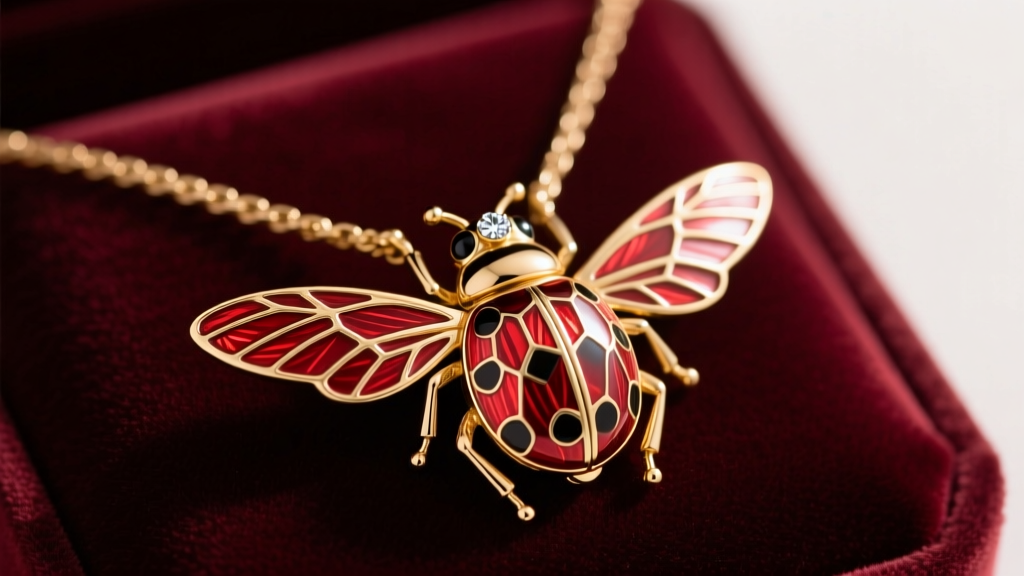
The Intersection of Entomological Jewelry and Micro-Horology
The ladybug watch necklace occupies a highly specific, deeply fascinating niche in the jewelry market. Bridging the gap between whimsical entomological motifs and functional micro-horology, these pendants are far more complex than standard charm necklaces. Historically peaking in popularity during the novelty watch craze of the 1960s and 1970s, the ladybug watch pendant has seen a massive resurgence in the vintage and artisan markets. However, as we navigate the 2026 jewelry landscape, the market is heavily saturated with mass-produced replicas that mimic the aesthetic of high-end vintage pieces without delivering the structural or horological integrity. For collectors and everyday wearers alike, understanding the true value of a ladybug watch necklace requires a deep dive into material grades, movement calibers, and enamel techniques.
Anatomy of the Pendant: Weight, Chains, and Hinges
Before assessing the internal watch mechanism, a critical value indicator is the physical anatomy of the necklace. A genuine vintage or high-end artisan ladybug watch pendant is surprisingly heavy. Solid 14k gold or sterling silver casings typically weigh between 8 and 15 grams. This weight necessitates a robust chain. Budget novelties often ship with flimsy 0.5mm flash-plated cable chains that will snap under the pendant's dynamic load. When evaluating value, look for a pendant suspended on a minimum 1.2mm rolo or wheat chain, which provides the necessary tensile strength to support a micro-watch casing without risking the jump ring.
Furthermore, the hinge mechanism that opens the ladybug's wings to reveal the dial is a primary failure point in low-tier pieces. High-value ladybug watch necklaces utilize precision-machined steel or gold friction hinges, often with a subtle 'click' closure. Budget alloy versions use cast hinges that degrade after a few dozen articulations, eventually causing the wings to hang loosely or snap off entirely.
Enamel Techniques: Cold Resin vs. Vitreous Glass
The vibrant red wings of a ladybug watch necklace are almost always achieved through enameling, but the method used dictates a massive percentage of the piece's overall value. According to the GIA Gem Encyclopedia, understanding the difference between cold and vitreous enamel is essential for any jewelry appraisal.
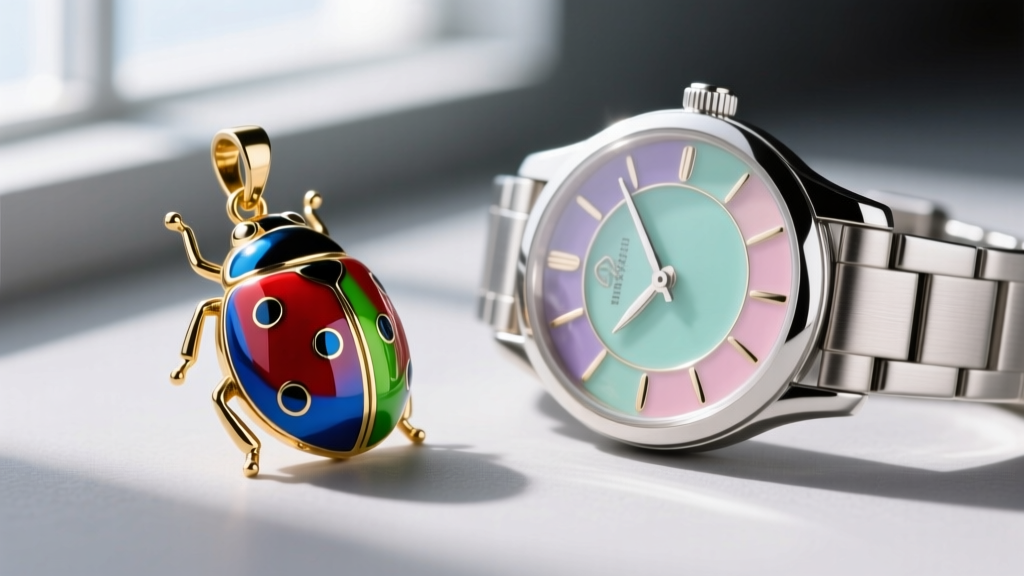
Cold Enamel (Epoxy Resin)
Found in 90% of modern, budget-friendly ladybug watch necklaces, cold enamel is actually a pigmented epoxy resin. It is poured into the metal recesses and air-cured. While it can look glossy and vibrant initially, cold enamel is highly susceptible to UV degradation, yellowing over time, and chipping upon minor impacts. It holds virtually no intrinsic resale value.
Vitreous Enamel and Guilloché
In luxury and vintage pieces, the wings are crafted using vitreous enamel—a finely ground glass powder fired in a kiln at temperatures exceeding 800°C. The highest tier of this craft is guilloché enameling, where the underlying gold or silver is engine-turned with intricate geometric patterns before the translucent red glass is applied. This creates a mesmerizing, three-dimensional depth that cold resin simply cannot replicate. A ladybug watch necklace featuring intact guilloché vitreous enamel commands a massive premium in the 2026 secondary market.
2026 Market Pricing & Value Tiers
To accurately assess a ladybug watch necklace, buyers must categorize the piece into one of three distinct market tiers. The following table outlines the expected pricing, materials, and horological specifications for each tier in the current market.
| Value Tier | Materials & Enamel | Watch Movement | 2026 Price Range |
|---|---|---|---|
| Tier 1: Novelty | Zinc alloy, brass plating, cold epoxy resin | Unbranded Chinese quartz (e.g., PC21) | $15 – $45 |
| Tier 2: Mid-Tier Fashion | Sterling silver, gold vermeil, CZ accents, cold enamel | Japanese Miyota 1L26 quartz | $80 – $220 |
| Tier 3: Vintage / Luxury | 14k/18k solid gold, vitreous guilloché enamel, diamonds | Swiss Ronda 751 quartz or vintage mechanical manual-wind | $650 – $3,500+ |
Authenticating Vintage Ladybug Pendants
The secondary market is flooded with modern pieces artificially aged to look like 1960s charm watches. To authenticate a vintage ladybug watch necklace, start with the hallmarks. Genuine mid-century pieces will feature stamped maker's marks and metal purity stamps (e.g., '14K', '750', or a specific maker's cipher) on the back of the casing or the inner lip of the wing hinge. Modern replicas often use laser-etched stamps that lack the deep, crisp impression of a traditional metal punch.
Next, examine the watch crystal. Vintage novelty watches almost exclusively used domed acrylic crystals, which will show microscopic scratching and a distinct warm, plastic-like refraction. If the 'vintage' piece features a perfectly flawless, highly reflective sapphire or mineral glass crystal, it is almost certainly a modern reproduction. Finally, open the case back (if applicable) or inspect the dial text. Swiss-made vintage pieces will feature specific caliber numbers and tritium markers, whereas modern fakes will have sterile dials or generic 'Quartz' stampings.
Common Failure Modes & Horological Repair Costs
Because a ladybug watch necklace is a functional timepiece subjected to the kinetic energy of being worn around the neck, it experiences unique failure modes. According to guidelines from the American Watchmakers-Clockmakers Institute, micro-watches require specialized servicing that standard jewelers often cannot perform in-house.
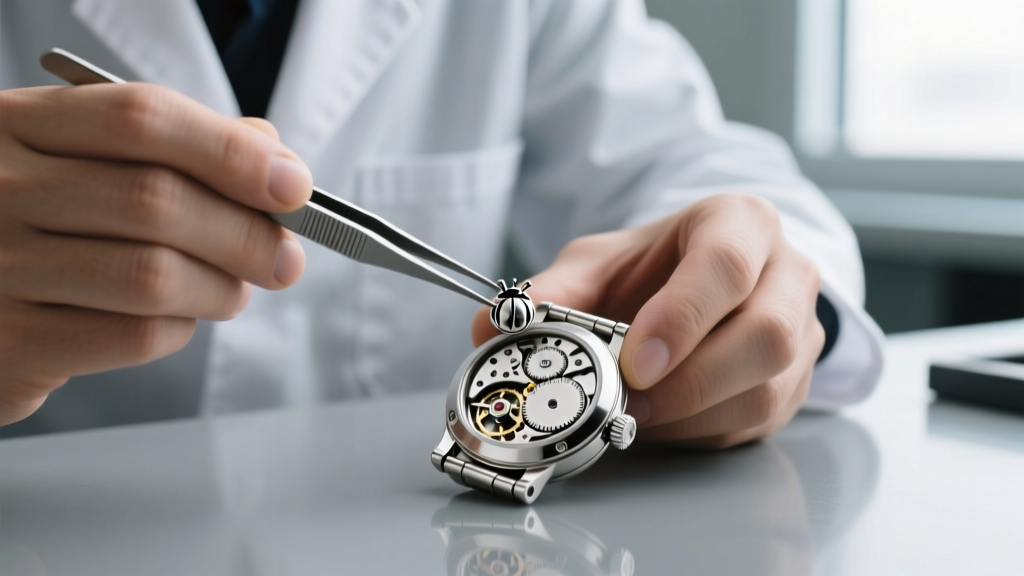
- Battery Corrosion: The most common killer of Tier 2 and Tier 3 quartz ladybug watches. When an SR626SW silver oxide battery is left inside the micro-casing for years, it leaks potassium hydroxide, destroying the copper circuitry. Repair Cost: $45 for a standard swap; $150+ if the quartz movement requires full replacement.
- Thermal Shock Enamel Cracking: Vitreous enamel is glass. Leaving a high-end ladybug pendant on a cold marble countertop and then hitting it with hot water from a sink can cause micro-fractures in the red wings. Repair Cost: Guilloché enamel restoration is exceptionally rare and costs upwards of $300 per wing.
- Crown Stem Shearing: The winding crown on a ladybug watch is often integrated into the insect's head or antennae. Pulling it at an awkward angle to set the time frequently shears the microscopic internal stem. Repair Cost: $85 – $120 for stem replacement and crown re-tensioning.
Final Verdict: Assessing the Investment
Is a ladybug watch necklace a sound financial investment? If you are purchasing a Tier 1 novelty piece, view it strictly as a fun, disposable fashion accessory with zero long-term value retention. However, if you are evaluating a Tier 3 vintage piece—particularly one featuring 14k gold, intact guilloché enamel, and a serviced Swiss movement—you are acquiring a highly collectible piece of micro-horological history. In 2026, authenticated vintage novelty watches in pristine condition are outperforming standard gold scrap value by up to 300%, driven by a passionate niche of collectors who appreciate the intersection of mechanical ingenuity and entomological art.


