How to Wear a Necklace as a Bracelet to Maximize Jewelry Value
Learn how to wear a necklace as a bracelet to maximize your jewelry budget. Discover chain types, wrapping techniques, and cost-per-wear tips.

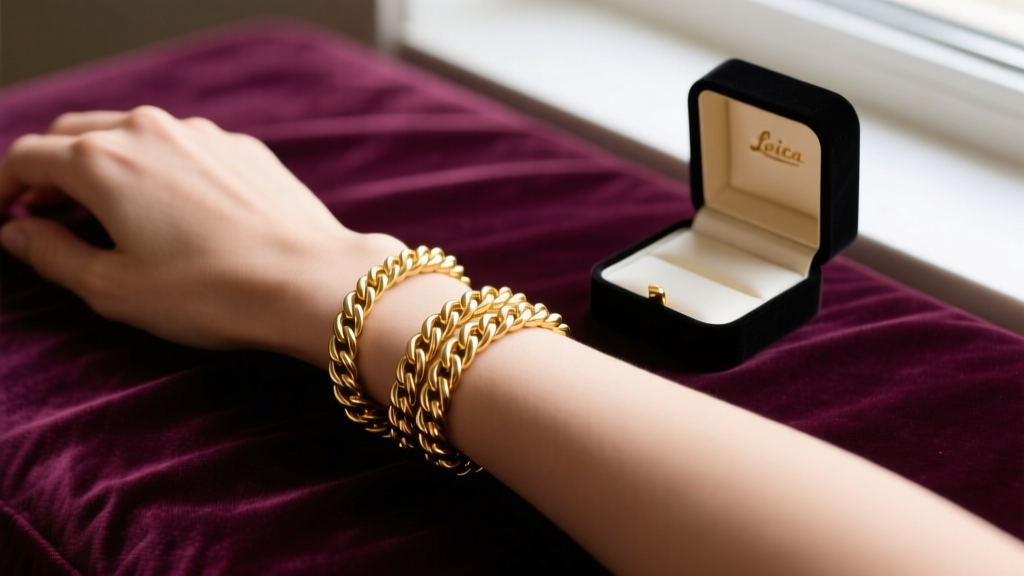
Building a high-quality jewelry collection on a realistic budget requires strategic thinking. Instead of buying separate pieces for every occasion, savvy collectors focus on versatility and cost-per-wear (CPW). One of the most effective ways to stretch your jewelry budget is learning how to wear a necklace as a bracelet. When executed correctly, this styling hack transforms an 18-inch neck chain into a luxurious, multi-strand wrist piece, effectively doubling the utility of your investment.
However, not all necklaces are engineered to withstand the mechanical stress of the wrist. The bending radius of a wrist is significantly tighter than that of a neck, and the wrist is exposed to far more friction, impacts, and moisture. This comprehensive guide evaluates the structural integrity, material science, and styling techniques required to repurpose your necklaces safely and stylishly.
The Economics of Multi-Use Jewelry: Why Repurpose?
In the luxury and demi-fine jewelry markets, the concept of Cost-Per-Wear (CPW) is the ultimate metric for value assessment. The formula is simple: Total Price ÷ Number of Wears = CPW.
A $450 solid 14k gold 18-inch rope chain worn 50 times exclusively as a necklace yields a CPW of $9.00. By mastering how to wear a necklace as a bracelet, you alternate its use, increasing your total wears to 150 over the same period, dropping your CPW to $3.00 while maintaining the exact same aesthetic footprint.
According to industry analysts at Forbes Jewelry, consumers are increasingly favoring modular, multi-functional pieces that offer high stylistic ROI. Repurposing chains you already own is the most budget-friendly entry point into this trend, requiring zero additional capital expenditure.
Chain Anatomy: Which Necklaces Survive the Double-Wrap?
The human neck has an average circumference of 14 to 16 inches, creating a gentle, wide bending radius for a chain. The human wrist, however, averages 6 to 7 inches in circumference. Wrapping an 18-inch necklace twice around a wrist forces the metal links into a much tighter, more stressful curve. This can cause metal fatigue, kinking, or permanent deformation in rigid chain styles.
| Chain Style | Min. Gauge for Wrist | Kink Resistance | Value Verdict |
|---|---|---|---|
| Rope Chain | 1.2mm - 1.5mm | High | Excellent. The twisted links flex easily without snapping. |
| Curb Chain | 1.5mm - 2.0mm | Medium-High | Great. Flat links lay flush against the skin, preventing snags. |
| Cable Chain | 1.0mm - 1.2mm | Medium | Good for delicate looks, but prone to tangling when doubled. |
| Box Chain | 1.5mm+ | Low | Poor. Tight wrist bends can cause the square links to dent or snap. |
| Snake Chain | N/A | Very Low | Avoid. The tight metal rings will permanently kink on the wrist. |
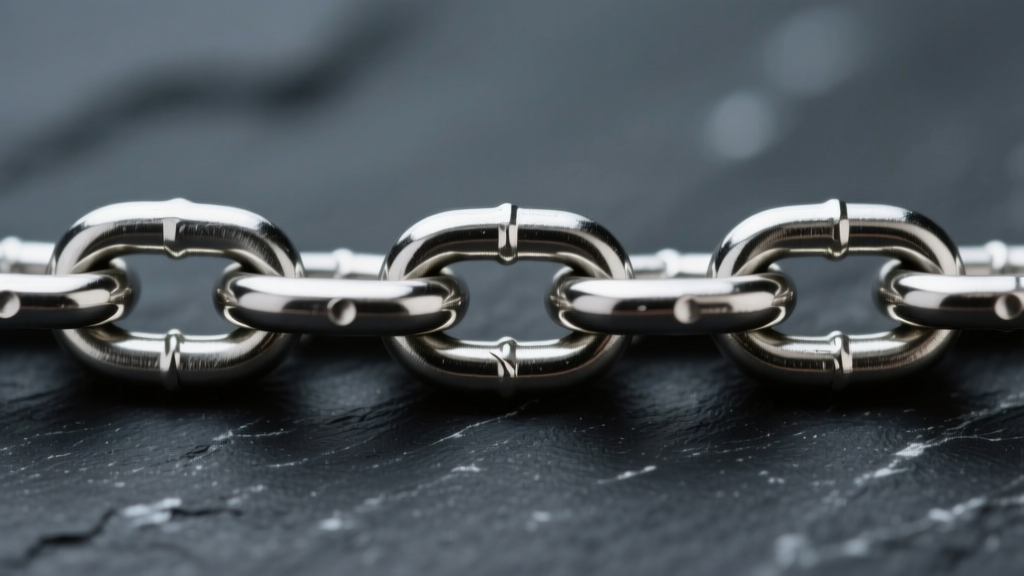
For budget-conscious buyers looking to invest in a single chain for dual-purpose wear, a 1.5mm solid gold or PVD-coated stainless steel curb chain offers the best balance of tensile strength, flexibility, and visual weight.
Step-by-Step: How to Wear a Necklace as a Bracelet Securely
Simply looping a necklace around your wrist and clasping it often results in a loose, messy drape. Here are the structural techniques to ensure a tailored fit.
The Lariat Loop Method
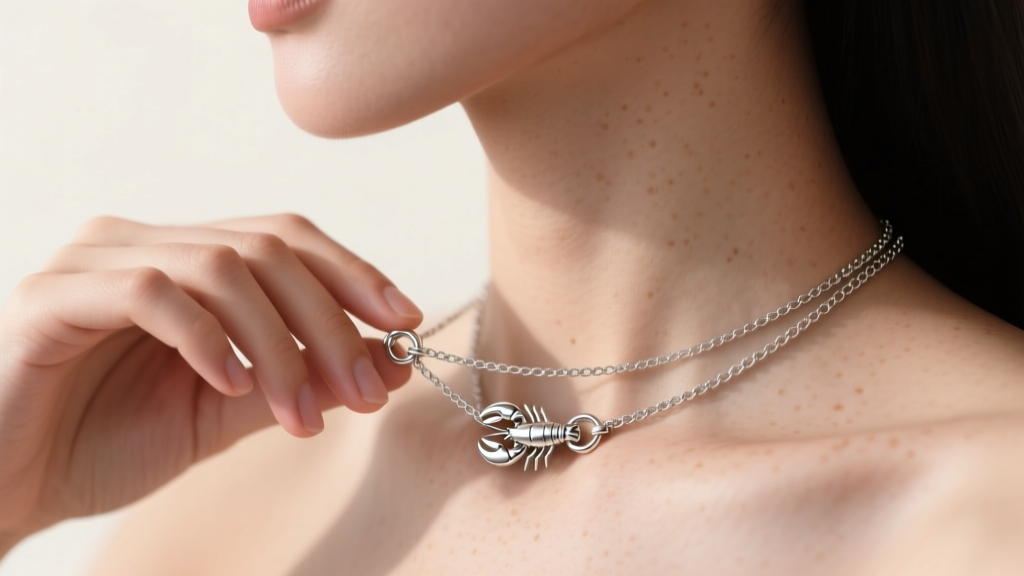
If your necklace features a pendant, unclasp the chain and thread the spring ring or lobster clasp through the pendant's bail (the loop holding the pendant). Pull it up to your desired tightness and clasp it to a link further down the chain. This creates a secure, adjustable lariat-style bracelet where the pendant acts as a decorative sliding anchor, hiding the functional clasp.
The Double-Strand Twist
For necklaces between 16 and 18 inches, wrap the chain around your wrist twice. Before clasping, give the entire doubled chain one or two full twists. This intertwines the strands, preventing them from sliding apart and creating a cohesive, braided aesthetic that looks intentionally designed rather than hastily wrapped.
Material Assessment: What Holds Up to Wrist Friction?
The wrist is a high-friction zone. It rubs against desks, keyboards, and clothing, and is frequently exposed to water and lotions. When evaluating how to wear a necklace as a bracelet, you must assess the material's surface durability.
- Solid 14k or 18k Gold: The gold standard for longevity. According to the Gemological Institute of America (GIA), 14k gold (58.5% pure gold) offers superior scratch resistance compared to 18k due to its higher alloy content. It will not wear away, making it the safest long-term investment for wrist wear.
- Gold Vermeil: Vermeil requires a minimum of 2.5 microns of gold plated over sterling silver. While beautiful, the friction of desk work can wear through the plating on the underside of the chain within 6 to 12 months of daily wrist wear.
- PVD-Coated Stainless Steel: For strict budgets (under $100), Physical Vapor Deposition (PVD) coated steel is vastly superior to traditional electroplating. PVD creates a molecular bond that is up to 10 times more resistant to friction and sweat, ensuring the gold tone survives the harsh wrist environment.
Troubleshooting Common Double-Wrap Failures
Even with the right chain, mechanical failures can occur. Here is how to troubleshoot the most common issues when converting necklaces to bracelets:
- The Clasp Keeps Slipping: Necklaces often use small 5mm spring ring clasps which are difficult to secure on a moving wrist. Solution: Use a tiny silicone jewelry stopper or a clear rubber earring back to secure the clasp lever, or upgrade the clasp to a 9mm lobster claw via a local jeweler for under $20.
- Pendant Tangling: A pendant on a doubled chain will constantly flip upside down. Solution: Slide a small rubber o-ring or a silicone jump ring over the chain to pin the pendant in place between the two strands, or remove the pendant entirely for a minimalist chain-bracelet look.
- Hair and Fabric Snagging: Thin cable chains (under 1.0mm) act like tiny saws that catch on arm hair and sweater threads. Solution: Stick to chains with smooth, flush profiles like curbs, ropes, or wheat chains when wearing them on the wrist.
Final Verdict: Is the Conversion Worth the Investment?
Learning how to wear a necklace as a bracelet is one of the most effective, zero-cost strategies to maximize your jewelry budget. By selecting flexible, kink-resistant chains like ropes or curbs in the 1.2mm to 1.5mm range, and opting for friction-resistant materials like solid 14k gold or PVD steel, you can safely double the utility of your favorite pieces. This approach not only lowers your cost-per-wear but also cultivates a highly versatile, minimalist jewelry wardrobe capable of adapting to any neckline or wrist stack requirement.


