Beginner's Guide to Choosing and Styling a Flame Necklace
Discover how to choose, style, and care for a flame necklace. Our beginner's guide covers materials, chain pairings, and neckline matching for any look.

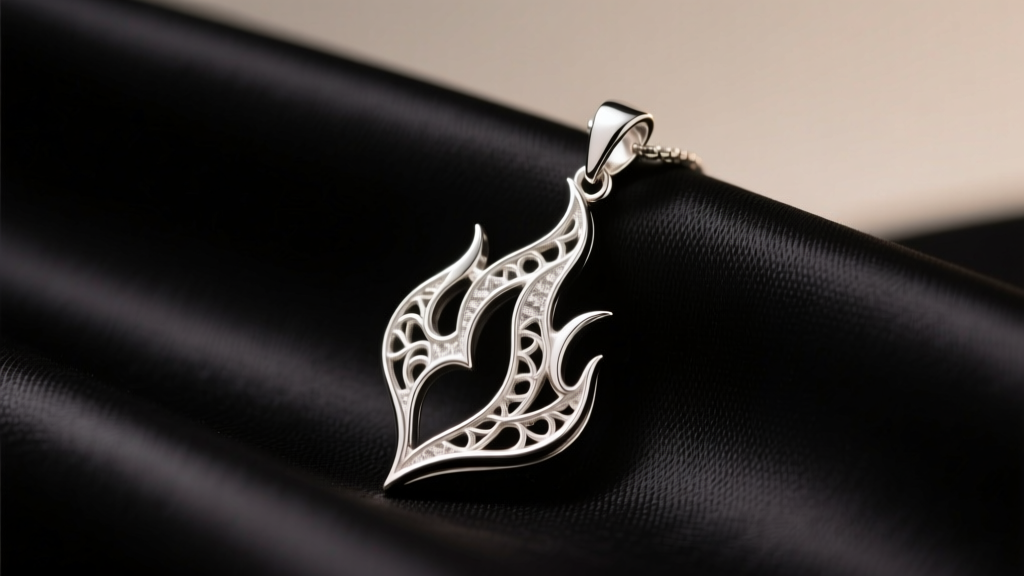
The flame necklace has undergone a massive evolution. Once relegated to early-2000s pop-punk fashion and biker subcultures, this fiery motif has been reclaimed by contemporary fine jewelry designers. Today, the flame pendant is a celebrated symbol of transformation, energy, and elevated grunge aesthetics. However, for beginners, navigating the jump from novelty costume jewelry to a refined, everyday staple can be daunting. This comprehensive guide breaks down everything you need to know about materials, chain pairings, and styling frameworks to ensure your flame necklace looks intentional, sophisticated, and perfectly tailored to your wardrobe.
The Anatomy of a Flame Necklace
Before purchasing, it is crucial to understand the two primary structural categories of flame necklaces, as they dictate how the piece sits on your body:
- The Drop Pendant: A single flame motif hangs from a bail attached to a chain. This is the most versatile option, allowing the flame to rest in the hollow of the collarbone or dip lower depending on the chain length.
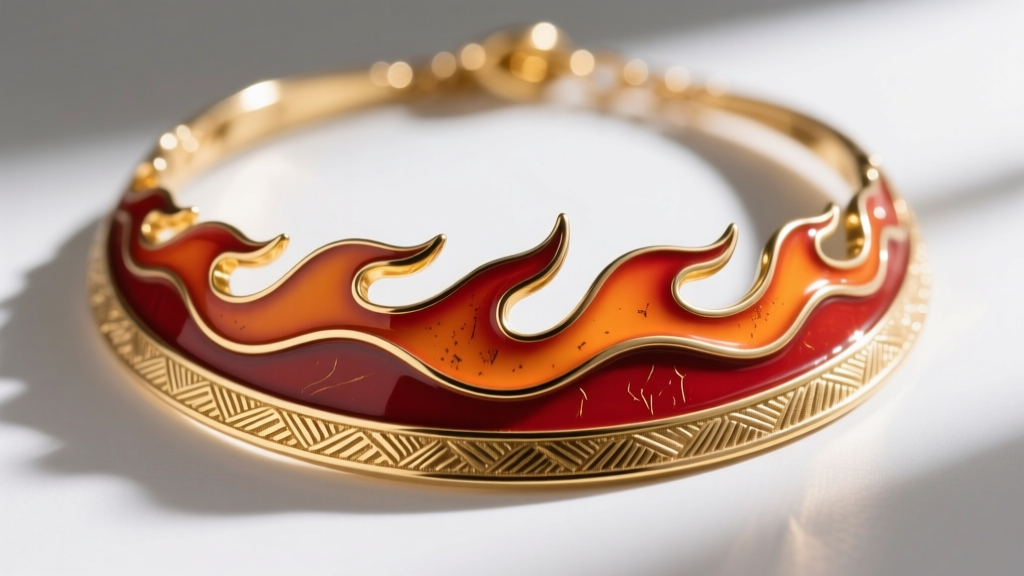
- The Wrap-Around Choker: The flame design is integrated directly into a rigid or semi-rigid collar, or the chain itself features lateral flame links that wrap horizontally across the neck. This style is bolder and demands specific necklines to avoid looking cluttered.
Material Grades & Pricing Matrix
The difference between a flame necklace that tarnishes in a week and one that becomes an heirloom lies entirely in the metallurgy. Avoid base metals like brass or zinc alloy if you have sensitive skin or want longevity. Here is a breakdown of what to look for in 2026:
| Material Grade | Composition & Traits | Durability | Avg. Price Range |
|---|---|---|---|
| 316L Surgical Steel | Iron, chromium, nickel, molybdenum. Hypoallergenic and highly resistant to rust. | High (Tarnish-free) | $25 - $65 |
| 925 Sterling Silver | 92.5% pure silver, 7.5% copper. Excellent for intricate casting but requires polishing. | Medium (Tarnishes) | $75 - $190 |
| 14k Gold Vermeil | Thick layer of 14k gold over a sterling silver base. Luxurious look at a fraction of the cost. | Medium (Wear-prone) | $120 - $280 |
| Solid 14k/18k Gold | Pure gold alloys. The ultimate choice for heirloom pieces and highly sensitive skin. | Lifetime | $600 - $2,500+ |
The Enamel Factor: Adding Color to the Flame
Many high-end flame necklaces incorporate enamel to create vibrant red, orange, and yellow gradients. According to Britannica's guide to enamelwork, the technique involves fusing powdered glass to metal at high temperatures. As a beginner, you will primarily encounter two types:
Champlevé Enamel
This is the most common and durable method for flame pendants. Troughs are carved into the metal base, and the enamel is poured in and fired. The metal borders remain visible, creating a stained-glass effect that protects the glass from chipping.
Plique-à-Jour Enamel
A highly advanced technique where the enamel has no metal backing, allowing light to shine through it like a miniature window. While breathtaking, plique-à-jour is extremely fragile. If you are buying your first flame necklace for daily wear, stick to champlevé or solid metal casts.
Chain Pairing & Gauge Guide
A common beginner mistake is pairing a heavy, intricate flame pendant with a flimsy chain. The visual weight of the chain must match the pendant. Furthermore, the bail (the loop the chain passes through) dictates your maximum chain thickness.
- For Small Pendants (10mm - 15mm): Opt for a 1.2mm to 1.5mm cable or rolo chain. These delicate links provide a subtle backdrop without overpowering the flame.
- For Medium to Large Pendants (20mm - 35mm): Use a 2.0mm to 2.5mm curb or Figaro chain. The flat links of a curb chain offer a modern, slightly edgy contrast to the organic curves of the flame motif.
- Chains to Avoid: Box chains and snake chains. Box chains tend to kink easily and catch on the intricate points of a flame design, while snake chains are notoriously difficult to repair if they snap under the weight of a heavy pendant.
Neckline Matching Framework
Styling a flame necklace requires balancing its aggressive, dynamic shape against the geometry of your clothing. Use this framework to get it right every time:
The V-Neck and Plunge
Pair a V-neck top with an 18-inch to 20-inch drop pendant. The sharp lines of the V-neck mirror the upward points of the flame, creating a cohesive, elongating effect on the torso.
The Crewneck and Square Neck
For high, horizontal necklines, a 14-inch to 16-inch choker-style flame necklace works best. It sits above the fabric line, preventing the jewelry from getting lost in the folds of the garment.
Off-Shoulder and Asymmetric
If you are wearing an off-shoulder top, opt for a longer, layered look. Combine a 16-inch simple chain with a 22-inch flame pendant. This fills the negative space on the chest without competing with the exposed collarbones.

Care, Maintenance, and Troubleshooting
Flame necklaces, particularly those with deep crevices or enamel work, require specific cleaning protocols. The Gemological Institute of America (GIA) strongly advises caution when cleaning jewelry with organic inlays or glass-based enamels.
- Never Use Ultrasonic Cleaners: The high-frequency vibrations can shatter champlevé enamel and loosen any accent gemstones (like pavé diamonds or rubies) often found in premium flame designs.
- Avoid Chemical Dips: Silver polishing dips will strip the oxidation (the intentional darkening in the crevices of the flame) that gives the piece its 3D depth.
- The Proper Cleaning Method: Mix a few drops of mild, phosphate-free dish soap in lukewarm water. Use a baby toothbrush with ultra-soft bristles to gently agitate the soot and oils trapped in the flame's grooves. Rinse with distilled water to prevent hard water spots, and pat dry with a lint-free microfiber cloth.
Final Thoughts on the Flame Motif
A flame necklace is more than just a trend; it is a versatile statement piece that bridges the gap between alternative edge and fine jewelry elegance. By prioritizing high-quality metals like 316L steel or solid gold, selecting the appropriate chain gauge, and respecting the structural fragility of enamel, you can confidently integrate this fiery motif into your daily rotation. Start with a medium-sized sterling silver drop pendant on a 1.5mm rolo chain—it is the ultimate entry point that pairs effortlessly with everything from vintage band tees to tailored evening wear.


