Floating Heart Necklace Care: Cleaning & Maintenance Guide
Learn expert care, cleaning, and maintenance tips for your floating heart necklace. Protect the illusion wire and keep the pendant shining.

The Magic and Mechanics of the Floating Illusion
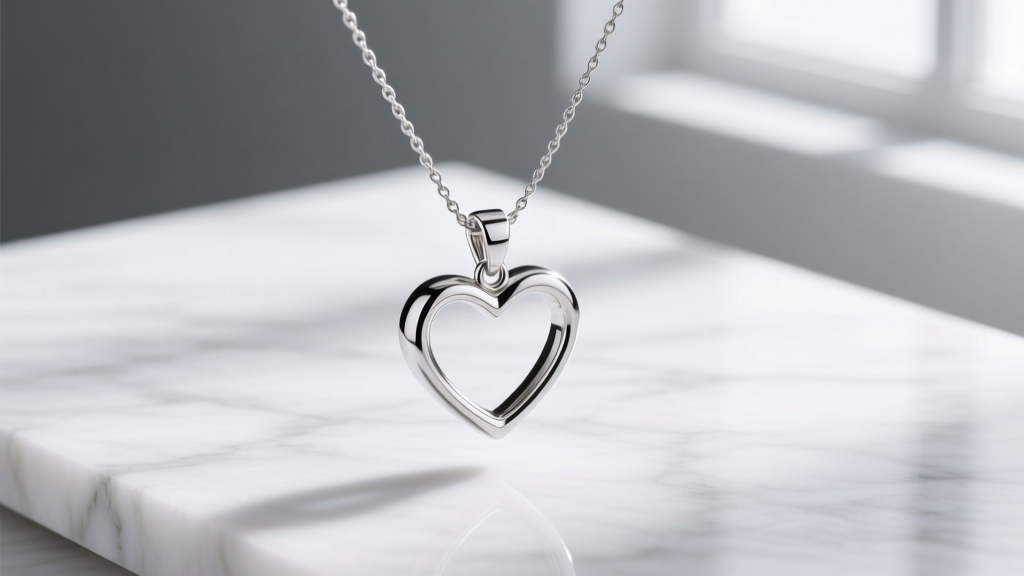
A floating heart necklace is a masterclass in minimalist jewelry design. By suspending a central heart pendant—often crafted from 925 sterling silver, 14k gold, or rose gold vermeil—on an 'invisible' wire, jewelers create the striking optical illusion that the heart is levitating against the wearer's skin. However, this delicate aesthetic requires highly specialized maintenance. Unlike standard cable or box chains, the structural integrity of a floating heart necklace relies on materials that react very differently to environmental stressors, cosmetics, and traditional cleaning methods.
As a jewelry care specialist, I frequently see illusion necklaces ruined by well-meaning owners who treat them like standard chain necklaces. The invisible wire is typically a 0.30mm to 0.40mm braided stainless steel core coated in clear nylon, or a pure monofilament polymer. Understanding the exact material science behind your necklace is the first step in preserving its tension and brilliance for years to come.
Anatomy of a Floating Heart Pendant: Where Failures Occur
To properly maintain your floating heart necklace, you must understand its three critical stress points. According to metallurgical guidelines from jewelry manufacturing suppliers like Rio Grande, the failure of illusion jewelry rarely happens in the middle of the wire; it happens at the junctions.
1. The Crimp Beads and Wire Guardians
The invisible wire is anchored to the clasp and the heart pendant's jump rings using micro-crimp beads (usually 1.5mm sterling silver or gold-filled). Over time, the friction between the metal crimp and the nylon-coated wire can cause internal fraying. If the crimp was not properly flattened with a crimping tool during manufacturing, it can act like a tiny blade, slowly severing the wire from the inside out.
2. The Nylon Coating Degradation
The clear nylon sheath that makes the wire 'invisible' is highly susceptible to UV degradation and chemical breakdown. Prolonged exposure to direct sunlight, chlorine (sodium hypochlorite), and the alcohols found in perfumes will cause the nylon to turn brittle, yellow, and eventually snap under the minimal weight of a 3-gram heart pendant.
3. The Heart Pendant Bail
The hole drilled through the top of the heart pendant where the wire passes through must be perfectly smooth. In lower-quality manufacturing, microscopic burrs in the metal drilling can act as a saw against the illusion wire every time the wearer moves.
Daily Wear Protocols and Chemical Avoidance
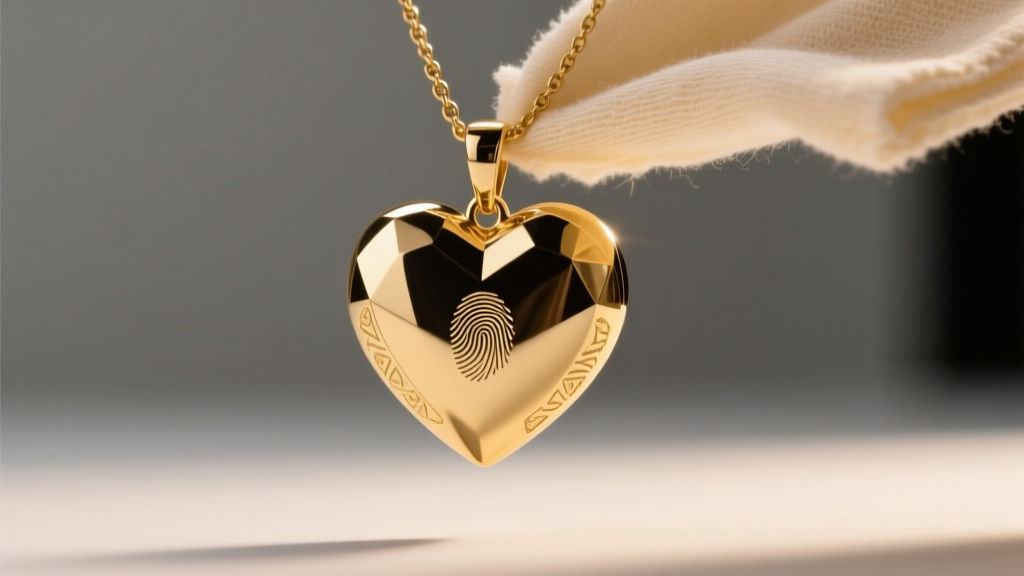
The golden rule of floating heart jewelry is 'last on, first off.' The illusion wire is a polymer, and polymers are easily compromised by everyday cosmetics.
- Hairspray and Perfume: The aerosolized alcohols and volatile organic compounds (VOCs) in hairspray will cloud the nylon coating, turning it opaque and milky. Always apply aerosols before putting on the necklace.
- Swimming Pools and Hot Tubs: Chlorine and bromine are catastrophic for both the nylon coating and the metal crimps. Chlorine causes 'stress corrosion cracking' in sterling silver and gold alloys, meaning the crimp beads can literally crumble to dust.
- Body Oils and Lotions: While less damaging, heavy body lotions will build up inside the drilled hole of the heart pendant, creating a dull, grayish ring around the wire entry point.
Step-by-Step Cleaning Protocols by Material
When it is time to clean your floating heart necklace, you must abandon traditional jewelry cleaning methods. Never use an ultrasonic cleaner. The high-frequency cavitation bubbles created by ultrasonic waves will cause micro-fractures in the nylon wire, leading to sudden, catastrophic snapping. Furthermore, the Gemological Institute of America (GIA) warns against using harsh chemical dips on mixed-material jewelry.
| Component | Material | Approved Cleaning Agent | Strictly Avoid |
|---|---|---|---|
| Illusion Wire | Nylon-coated Steel / Monofilament | Damp microfiber cloth, distilled water | Ultrasonic cleaners, silver dip, alcohol |
| Heart Pendant | 925 Sterling Silver or 14k Gold | Mild dish soap (e.g., Dawn) + warm water | Baking soda paste, toothpaste, polishing wheels |
| Crimp Beads | Silver / Gold-filled | Soft-bristled baby toothbrush | Thiourea-based tarnish removers |
The Safe Washing Method
- Mix three drops of mild, phosphate-free dish soap into a bowl of lukewarm distilled water. (Distilled water prevents hard water mineral spots on the invisible wire).
- Submerge only the metal heart pendant for 3 to 5 minutes to loosen sebum and cosmetic buildup.
- Using a soft-bristled baby toothbrush, gently brush the drilled holes of the heart pendant where the wire enters. Do not scrub the wire itself.
- Rinse the pendant under a gentle stream of lukewarm water, ensuring the water pressure does not bend the wire.
- Pat the entire necklace dry with a lint-free microfiber cloth. Ensure the wire is completely dry before storage to prevent moisture from being trapped inside the crimp beads.
Advanced Troubleshooting: Fixing a Kinked Illusion Wire
Because the floating heart necklace relies on tension, the wire is kept relatively taut when worn. However, if the necklace is dropped or stored improperly, the wire can develop sharp kinks. A kink in a 0.30mm wire compromises its tensile strength by up to 60%, making it highly prone to snapping.
Do not try to pull the kink straight with your fingers. This will only work-harden the metal core and snap the wire. Instead, use the 'Warm Water Massage' technique:
- Run the kinked section of the wire under warm (not hot) tap water for about 30 seconds. The heat will slightly soften the nylon coating.
- Gently roll the kinked section between your thumb and index finger, applying very light, lateral pressure to coax the wire back into a curve.
- Hang the necklace by its clasp and let gravity pull the wire straight as it cools and dries.
Proper Storage Techniques for Tension Pendants
Storing a floating heart necklace requires a different approach than standard chains. If you toss it into a jewelry box, the wire will develop 'memory'—a permanent curvature that ruins the floating illusion and creates weak points.
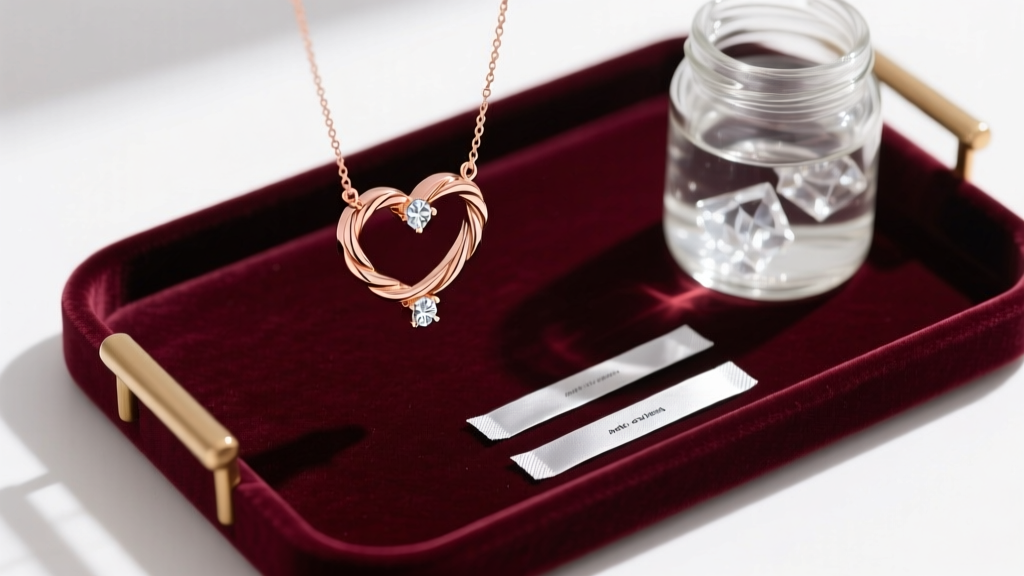
Expert Storage Tip: Always store your floating heart necklace fully extended. If your jewelry box does not have a long enough drawer, use a velvet-lined valet tray or hang it from a dedicated jewelry armoire hook. Place a 3M anti-tarnish strip in the storage compartment to absorb atmospheric sulfur, which is the primary culprit behind the blackening of the sterling silver heart pendant.
By respecting the unique material science of the illusion wire and the delicate crimp mechanics, your floating heart necklace will maintain its magical, gravity-defying aesthetic and structural integrity for years of daily wear. Treat the wire with the same reverence as a precious gemstone, and it will rarely fail you.


