The French Necklace Buying Guide: Pave, Mesh & Wire
Master the French necklace market. Our buying guide covers French pave diamonds, mesh chains, and wire finishes to help you invest in fine jewelry wisely.

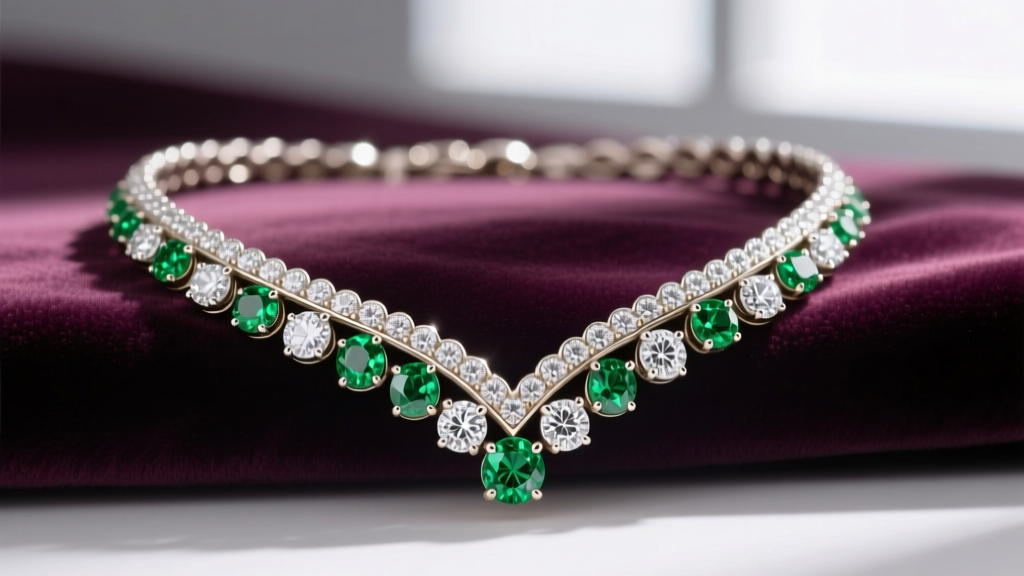
Decoding the "French" Terminology in Fine Jewelry
When navigating the high-end jewelry market, the term "French necklace" rarely refers to a single, monolithic style. Instead, it serves as an umbrella designation for three distinct, highly specialized craftsmanship techniques originating from or perfected by French jewelers: French pave diamond settings, French mesh chain weaving, and French wire (bullion) stringing finishes. Understanding the precise differences between these techniques is critical for any serious collector or buyer in 2026. Each method requires specific bench skills, utilizes different material grades, and commands a unique pricing structure. This comprehensive buying guide will dissect what makes a necklace authentically "French" in its construction, what to look for under a loupe, and how to evaluate the investment value of these exceptional pieces.
French Pave Diamond Necklaces: The Architecture of Sparkle
The most commercially sought-after iteration of this keyword is the French pave diamond necklace, often seen in tennis necklaces or delicate solitaire pendants. Unlike traditional bead pave, where small metal beads are pushed over the girdle of the diamond to hold it in place, French pave (sometimes called French cut pave) features V-shaped or U-shaped scallops cut directly into the metal shank or gallery. This architectural removal of metal serves a dual purpose: it drastically reduces the visible metal footprint and allows ambient light to enter the pavilion (the bottom half) of the melee diamonds from the sides.
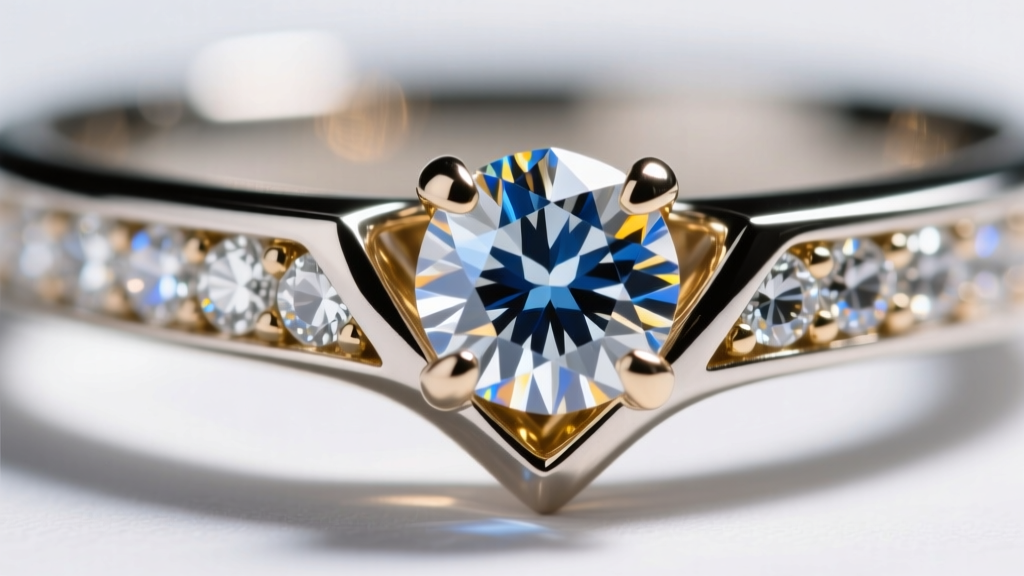
According to the Gemological Institute of America (GIA), the precision of the melee cut and the setting technique directly dictate the optical performance of the necklace. In a high-quality French pave tennis necklace, the melee diamonds typically range from 1.0mm to 1.7mm in diameter (approximately 0.005 to 0.02 carats each). The V-scallops should be perfectly symmetrical, and the tiny prongs separating the stones should be nearly invisible to the naked eye.
Setting Comparison Matrix: French Pave vs. Alternatives
| Setting Style | Metal Visibility | Light Return | Durability & Snag Risk | Relative Cost |
|---|---|---|---|---|
| French Pave | Minimal (V/U scallops) | Exceptional (side light entry) | Moderate (prongs can catch on silk) | $$$ (High labor cost) |
| Traditional Bead Pave | Moderate (metal beads) | Good (top-down light) | High (smooth surface) | $$ |
| Channel Setting | High (solid walls) | Fair (blocked side light) | Very High (fully protected) | $$ |
| U-Prong / Fishtail | Low (U-shaped cuts) | Very Good | Low (prongs are prominent) | $$$ |
French Mesh Chains: Mastering the "Liquid Gold" Drape
Beyond diamond settings, the term frequently applies to French mesh chains. Often described by collectors as "liquid gold" or "woven silk," true French mesh is a marvel of metallurgical engineering. Unlike standard cable or curb chains that rely on interlocking individual soldered links, French mesh is created by weaving extremely fine, continuous wires of 18k or 14k gold into a tight, scale-like or chevron-patterned tube. This technique results in a necklace that possesses the fluid drape of fabric rather than the rigid articulation of traditional chainmail.
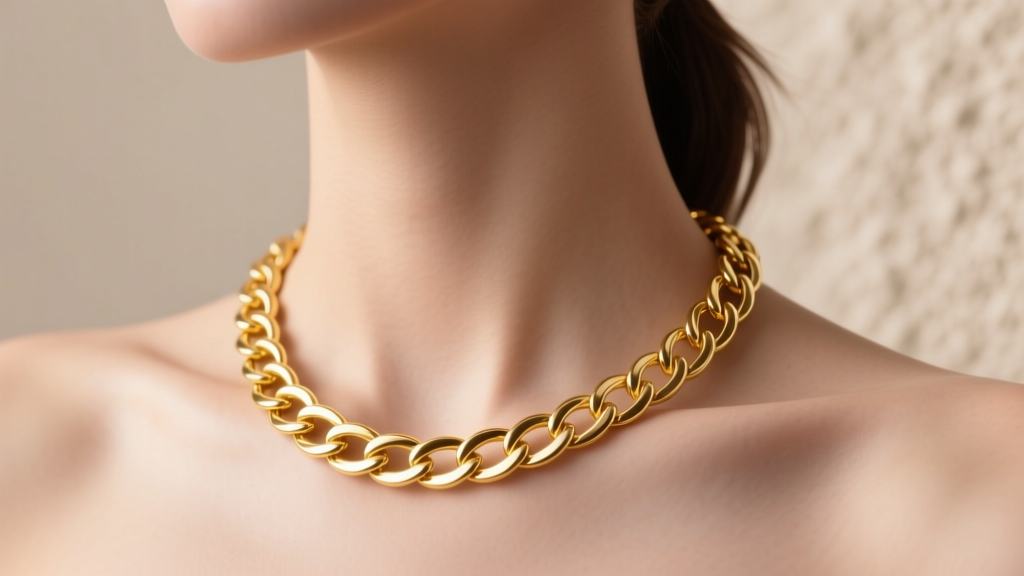
When evaluating a French mesh necklace, the primary concern is structural integrity. Because the mesh is woven, it is highly susceptible to kinking. If a mesh chain is bent sharply, the internal wire structure can collapse, creating a permanent crease that is nearly impossible for a bench jeweler to repair without visible scarring. When shopping, always lay the necklace flat on a glass counter. It should pool like water without any stiff, resistant hinges. Furthermore, check the end caps (the metal findings that connect the mesh tube to the clasp). High-end French mesh utilizes laser-welded or heavily soldered end caps with integrated jump rings to prevent the delicate mesh from pulling apart under the weight of the clasp.
French Wire (Bullion) Finishes: The Hallmark of Heirloom Stringing
The third and perhaps most traditional use of the keyword refers to the finishing technique used on high-end pearl and gemstone bead necklaces. French wire, also known in the trade as "bullion" or "gimp," is a tightly coiled, hollow spring of fine metal—usually 14k gold, 18k gold, or sterling silver. It is threaded onto the silk cord at the very ends of the necklace, right where the silk loops through the metal clasp ring.
As detailed in the GIA Pearl Description guidelines, the friction between a metal clasp and organic silk thread will eventually cause the silk to fray and snap, potentially resulting in the catastrophic loss of the pearls. French wire acts as a sacrificial, flexible metal shield that absorbs this friction. When buying a vintage or newly strung pearl necklace, the presence of French wire (rather than cheap plastic wire guards or bare silk) is an immediate indicator of a master stringer's work. The wire should measure between 0.3mm and 0.5mm in thickness and should be cut cleanly at a 45-degree angle to prevent sharp edges from cutting the silk from the inside.
2026 Market Pricing & Investment Framework
Understanding the financial commitment required for authentic French craftsmanship is essential. Prices fluctuate based on precious metal spot prices and diamond melee markets, but the following ranges represent the current baseline for fine jewelry:
- French Pave Tennis Necklace (18k White Gold, 5.00 - 7.00 ctw, VS clarity): $6,500 to $14,000. The premium here is driven by the intense bench labor required to cut the V-scallops and set hundreds of micro-stones securely.
- French Mesh Chain (18k Yellow Gold, 16-inch, 3mm width): $1,800 to $3,200. Because mesh requires a high gram weight of gold to maintain structural integrity, the price is heavily tethered to the daily spot price of gold, plus a 20-30% markup for the specialized Italian or French weaving mills.
- French Wire Pearl Restringing Service: If you are buying a vintage pearl necklace that requires re-stringing, expect to pay $8 to $15 per inch for professional silk knotting, plus an additional $40 to $75 for the application of genuine 18k gold French wire at the terminals.
The Pre-Purchase Inspection Checklist
Before finalizing your investment in any variation of a French necklace, run the piece through this rigorous inspection protocol:
- The Loupe Test (For Pave): Use a 10x triplet loupe to examine the prongs. In French pave, the metal separating the stones should resemble tiny, uniform ribbons. Reject pieces where the metal looks crushed, uneven, or where the diamonds are tilted.
- The Drape Test (For Mesh): Hold the mesh chain by the clasp and let it hang. Slowly rotate your wrist. The chain should twist and flow smoothly without catching on itself or exhibiting "memory" (stiffness from being stored in a tight box).
- The Tug Test (For Wire): Gently pull the silk thread away from the French wire at the clasp. There should be no visible fraying, and the wire coil should sit flush against the metal end ring without any gaps where dirt can accumulate.
- The Clasp Audit: French mesh and heavy pave necklaces require robust clasps. Look for a box clasp with dual figure-eight safety catches, or a high-tension lobster clasp. Spring ring clasps are entirely insufficient for the weight of these specialized necklaces.
Expert Insight: Never attempt to clean a French pave necklace using ultrasonic cleaners. The high-frequency vibrations can easily shake the micro-prongs loose, especially if the V-scallops have been cut too deeply into the shank, compromising the metal's tension. Always rely on professional steam cleaning or gentle brushing with a soft-bristled brush and mild degreaser.
By understanding the distinct metallurgical and gemological techniques that define these pieces, you can confidently navigate the market. Whether you are drawn to the blinding brilliance of a French pave tennis necklace, the fluid elegance of a woven mesh chain, or the heirloom protection of French wire finishes, recognizing these hallmarks of quality ensures your jewelry collection remains both beautiful and structurally sound for generations.


