2026 Style Guide: The Freshwater Cultured Pearl Necklace
Discover 2026 trends for the freshwater cultured pearl necklace. Learn baroque styling, AAA grading secrets, and layering techniques for modern necklines.

The 2026 Renaissance: Beyond the Classic Strand
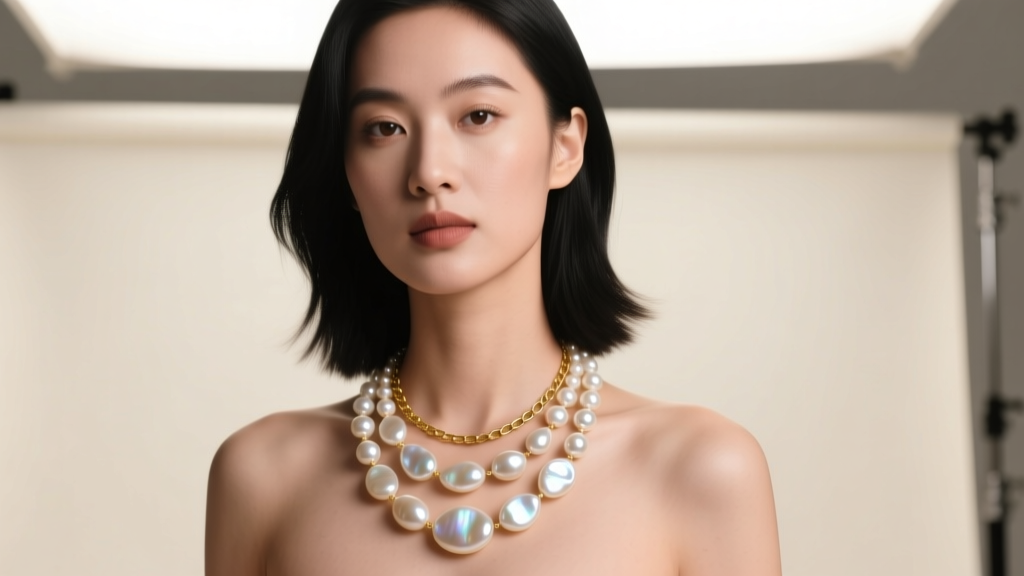
The 2026 jewelry market has definitively moved past the uniform, perfectly matched round strand. Today, the freshwater cultured pearl necklace is defined by organic asymmetry, mixed-metal hardware, and intentional layering. While the classic 7mm round white strand remains a staple for conservative professional environments, the contemporary style landscape favors baroque silhouettes, metallic Edison pearls, and keshi accents. This shift reflects a broader consumer demand for individuality and organic textures in fine jewelry. Understanding how to navigate pearl grading, hardware integrity, and modern neckline pairings is essential for building a relevant, high-value collection this year.
Decoding Pearl Grades: What You're Actually Paying For
Unlike Akoya pearls, which are strictly graded by the GIA, the freshwater market relies on a generalized A-AAAA scale. However, in 2026, top-tier jewelers are adopting stricter internal metrics to differentiate mass-market strands from investment-grade pieces. The primary value drivers are luster (the sharpness of light reflection) and surface cleanliness.
According to the Gemological Institute of America (GIA), luster is the most critical quality factor for any pearl. A high-luster freshwater pearl will show a crisp, mirror-like reflection, whereas lower grades appear chalky or dull.
| Grade | Luster & Surface | Typical Size | 2026 Price Range (18" Strand) |
|---|---|---|---|
| AA+ | Medium luster, 80% blemish-free | 6-7mm | $60 – $110 |
| AAA | High luster, 95% blemish-free | 7-8mm | $150 – $280 |
| AAAA (Edison) | Metallic/Sharp luster, 99% clean | 10-12mm | $450 – $850 |
| Baroque/Keshi | Variable luster, heavily textured | 8-14mm | $45 – $150 |
Note: True AAAA grades are typically reserved for bead-nucleated Edison pearls, which achieve a metallic luster impossible in traditional tissue-nucleated freshwater pearls.
Baroque, Keshi, and Edison: The Asymmetry Movement
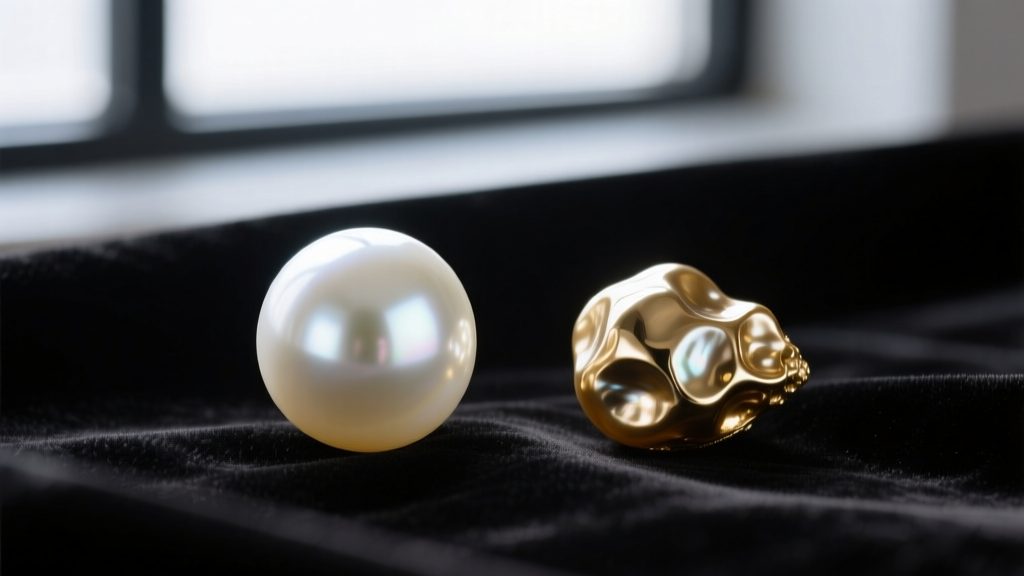
The most significant trend for the freshwater cultured pearl necklace in 2026 is the embrace of irregular shapes. Baroque pearls (non-symmetrical, free-form shapes) and Keshi pearls (small, seedless, entirely nacreous byproducts) are being used as focal drops or interspersed with gold spacer beads. Because Keshi pearls are solid nacre, they are exceptionally durable and resistant to chipping, making them ideal for everyday wear.
Styling Asymmetrical Pearls with Modern Necklines
- Square Necklines: Pair with a 16-inch choker-length strand of 6mm Keshi pearls. The organic, wavy texture of the Keshi softens the harsh geometric lines of a square neck.
- Deep V-Necks & Wrap Dresses: Opt for a 20 to 24-inch matinee or opera-length necklace featuring a single, large (12mm+) metallic Edison baroque drop. The elongated silhouette draws the eye vertically, complementing the V-shape.
- Crew Necks & Turtlenecks: Layer a 14-inch tight baroque choker over a 22-inch 14k gold-filled paperclip chain. The contrast between the organic pearl and the industrial gold chain creates a modern, mixed-media aesthetic.
The Hardware Shift: Mixed Metals and Invisible Clasps
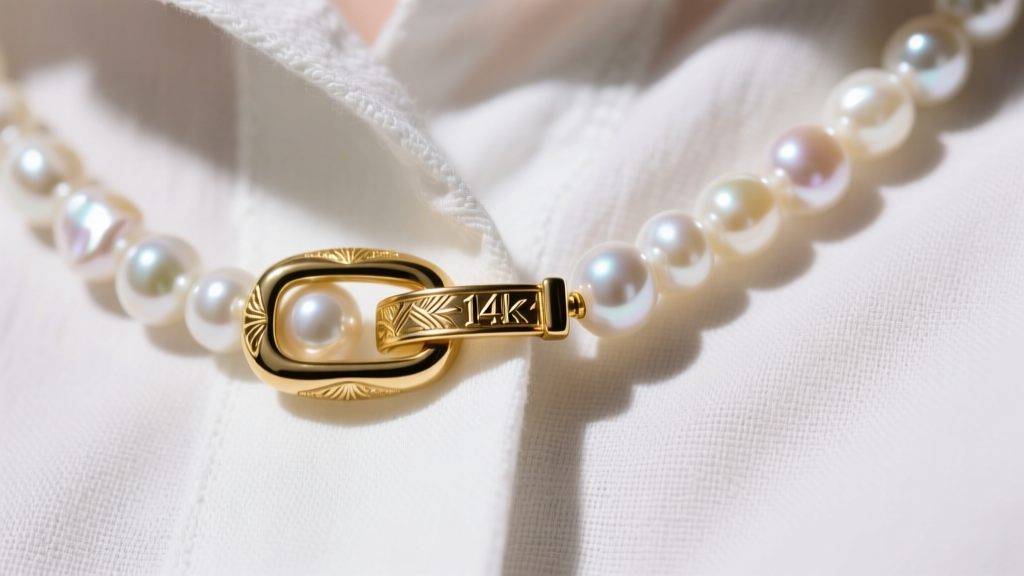
A pearl strand is only as secure as its findings. In 2026, the traditional 14k gold lobster clasp is being replaced by more secure, aesthetically pleasing alternatives. Magnetic bayonet clasps and hidden tube clasps are now standard on premium freshwater cultured pearl necklaces, allowing the strand to be worn with the clasp hidden at the nape of the neck or seamlessly integrated into the front design.
Furthermore, the metal purity debate has settled. While solid 14k or 18k gold remains the standard for heirloom pieces, 1/20 14k gold-filled hardware has become the industry standard for fashion-forward, mid-tier pearl jewelry. Unlike gold vermeil (which is a thin micron-plating over sterling silver that eventually wears off), gold-filled hardware features a thick, mechanically bonded layer of gold that will not flake or tarnish with daily wear, even when exposed to the natural acids in skin oils.
Layering Framework: The 3-Point Pearl Strategy
Layering pearls with metallic chains is a dominant 2026 styling technique, but it requires precise length calibration to prevent tangling and visual clutter. Use this 3-point framework to layer your freshwater cultured pearl necklace effectively:
- The Anchor (14-15 inches): A delicate, 5-6mm round or Keshi pearl choker sitting flush against the collarbone.
- The Bridge (18 inches): A 14k gold chain (such as a cable or paperclip link) featuring a single, asymmetrical baroque pearl pendant. This creates negative space between the layers.
- The Statement (22-24 inches): A heavier, mixed-material strand—such as alternating oxidized silver beads and 9mm Edison pearls—that rests on the sternum.
"The secret to modern pearl layering is contrast. Never mix pearls of the exact same size and luster across different lengths; it looks like a mistake. Contrast a high-luster round strand with a matte-finish metal chain or a heavily textured baroque piece." — Contemporary Jewelry Styling Guidelines, 2026
Care and Failure Modes: Protecting Your Nacre
Freshwater pearls are remarkably resilient because traditional tissue-nucleated varieties are composed entirely of nacre (calcium carbonate and conchiolin). However, they are highly susceptible to chemical degradation. The GIA's pearl care guidelines emphasize that pearls should always be the last thing you put on and the first thing you take off.
Common Failure Modes & Troubleshooting
- Nacre Etching: Exposure to perfume, hairspray, or acidic sweat dissolves the calcium carbonate, leaving the pearl dull and chalky. Fix: Wipe pearls with a damp microfiber cloth after every wear. Never use ultrasonic cleaners or steam.
- Thread Stretching & Fraying: Traditional Size F silk thread stretches over time when exposed to moisture and body heat, causing gaps between the pearls. Fix: Have high-value strands restrung every 2 to 3 years. For everyday, lower-cost strands, insist on Power Pro gel-spun polyethylene thread, which is waterproof and entirely resistant to stretching.
- Chlorine Pitting: Swimming pools and hot tubs will permanently pit the surface of a freshwater pearl and degrade the epoxy used in drill holes. Fix: Never submerge your pearls in chlorinated or salt water.
By understanding these material realities and embracing the organic, asymmetrical trends of 2026, you can curate a freshwater cultured pearl necklace collection that is both structurally enduring and stylistically avant-garde.