Frozen Necklace Value Assessment: Costume vs Fine Gems
Discover the true value of a Frozen necklace in 2026. We compare Disney costume jewelry, licensed sterling silver, and fine snowflake pendants.

The 'Frozen Necklace' Market: What Are You Actually Buying?
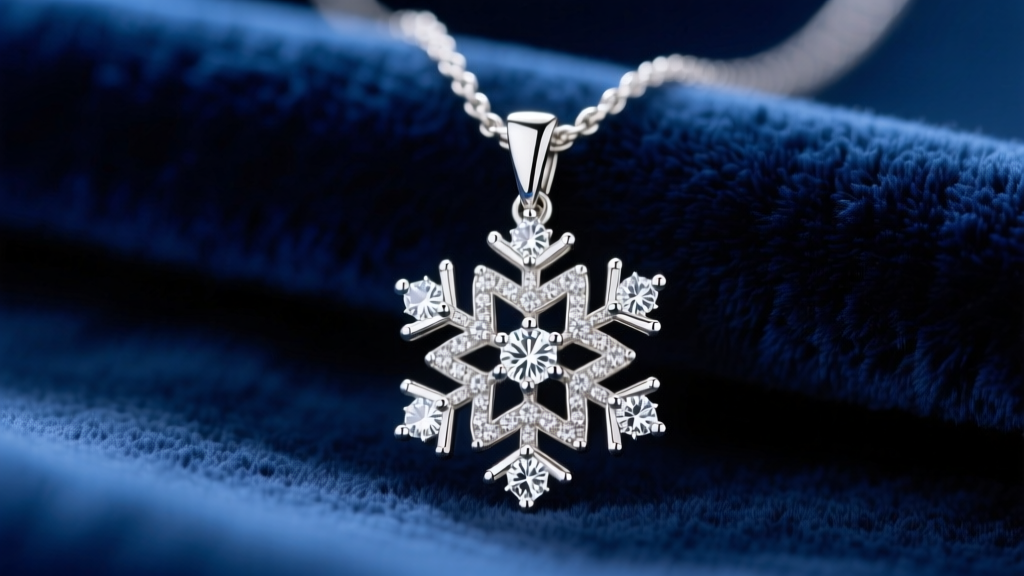
When consumers search for a 'frozen necklace' in 2026, their intent typically splits into two distinct categories: franchise merchandise inspired by Disney's blockbuster animation, or high-end winter-themed fine jewelry featuring snowflake and ice crystal motifs. Regardless of whether you are shopping for a child's Elsa pendant, an adult collector's Disney-licensed piece, or a sophisticated diamond snowflake for a winter gala, the market is heavily saturated with misleading pricing and opaque material grades. As a jewelry appraiser, I frequently see buyers overpay for base-metal costume pieces disguised as premium silver, or underestimating the long-term value of lab-grown diamond alternatives. In this comprehensive budget and value assessment, we will dissect the three primary tiers of frozen and snowflake-themed necklaces, evaluating their metallurgy, stone quality, chain mechanics, and true cost-per-wear to help you make an informed purchasing decision.
Tier 1: Mass-Market Costume Jewelry ($10 - $35)
The lowest price bracket is dominated by mass-market franchise merchandise and unbranded fast-fashion snowflake pendants. While these pieces capture the aesthetic of ice and winter magic, their intrinsic value is virtually zero. The base metal is almost exclusively Zamak (a zinc-aluminum alloy) or cheap brass, which is then subjected to 'flash plating'—a process that applies a microscopic layer of silver or rhodium coloring measuring less than 0.1 microns thick.
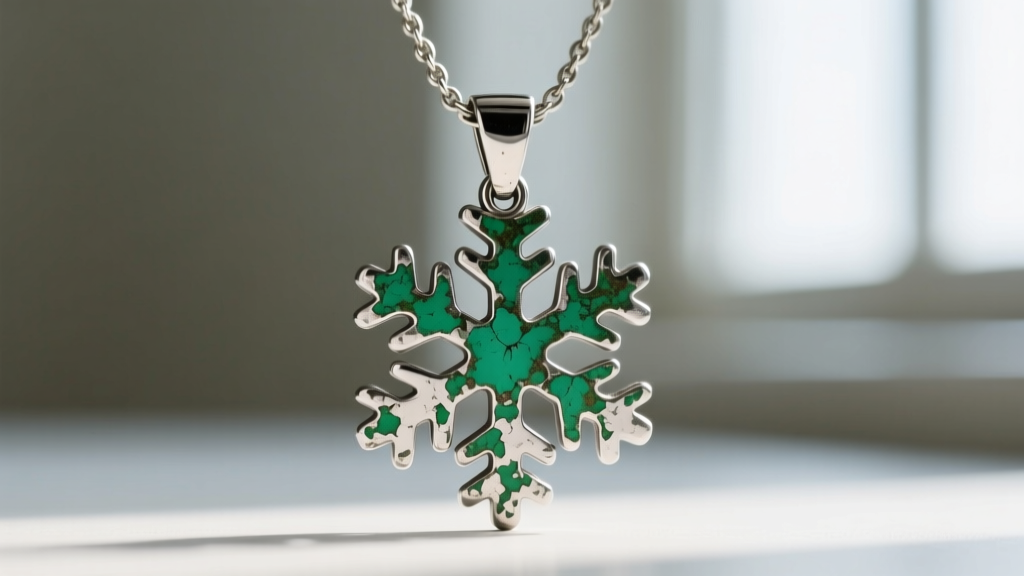
The failure modes in this tier are rapid and predictable. The thin plating wears away within three to six months of regular wear, exposing the reactive base metal to skin oils and moisture. This frequently results in the dreaded 'green skin' effect and can trigger severe contact dermatitis due to unregulated nickel content in the alloy. Furthermore, the 'stones' in these necklaces are typically molded acrylic or low-grade stamped glass, which lack the refractive index required to mimic the sparkle of real ice. According to the Federal Trade Commission's Jewelry Guides, these pieces cannot legally be marketed as silver, yet many online marketplaces use deceptive terms like 'silver-tone' to confuse buyers.
Chain and Clasp Vulnerabilities
Costume frozen necklaces are almost universally paired with 0.8mm or thinner hollow cable chains. These chains possess a tensile strength of less than two pounds. When paired with a heavy, solid-cast zinc pendant, the chain's solder points at the clasp routinely snap under minimal tension. The clasps themselves are usually cheap spring rings with weak internal springs that fail to close securely, making loss of the pendant highly likely.
Tier 2: Licensed Sterling Silver & Crystal ($50 - $150)
Stepping up the budget ladder brings us to licensed franchise jewelry (such as the Pandora Disney collection) and premium branded crystal pieces (like Swarovski's winter lines). This tier offers a significantly better value proposition for collectors and everyday wearers. The base metal is genuine 925 sterling silver, meaning it contains 92.5% pure silver and 7.5% copper for structural integrity. To prevent the copper from oxidizing and causing tarnish, these pieces are heavily plated with rhodium, a precious metal in the platinum family, usually at a thickness of 0.5 to 1.0 microns.
The stones in this tier are typically high-grade cubic zirconia (CZ) or precision-cut lead-free crystal. Unlike the glued-in acrylics of Tier 1, these stones are meticulously prong-set or bezel-set into the metal, ensuring they remain secure during daily wear. The chains are upgraded to 1.0mm or 1.2mm box chains or rope chains, which offer vastly superior tensile strength and resist kinking. While the intrinsic melt value of the silver is still relatively low, the craftsmanship, brand licensing, and material safety make this tier the 'sweet spot' for gifting and moderate-budget collectors.
Tier 3: Fine Jewelry 'Ice' Pendants ($300 - $1,500+)
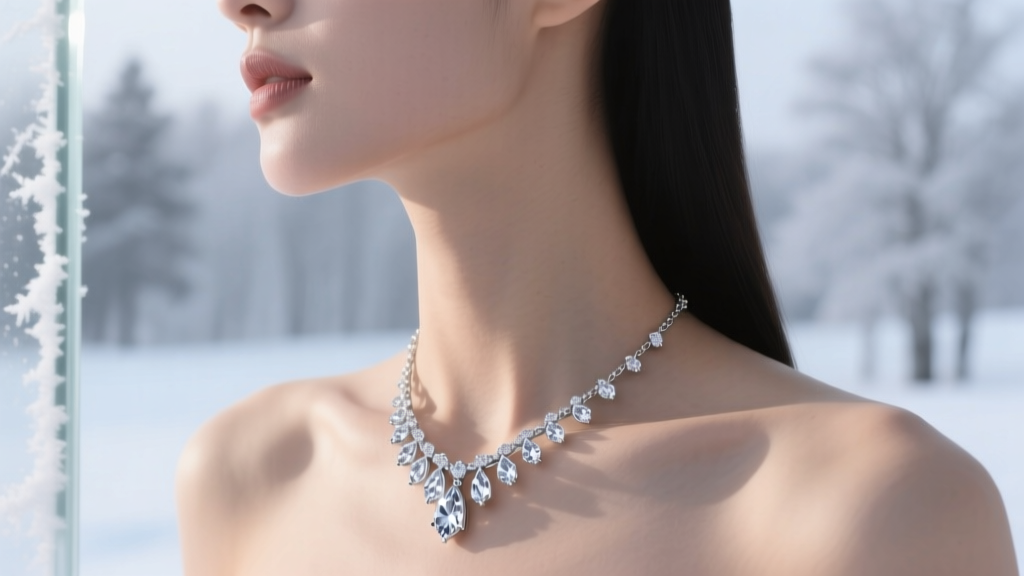
For those seeking a 'frozen' aesthetic without the cartoon franchise association, the fine jewelry market offers breathtaking snowflake and icicle pendants crafted from solid precious metals and genuine gemstones. In 2026, the value in this tier has been entirely revolutionized by lab-grown diamonds. A 14k or 18k white gold snowflake pendant featuring 0.50 total carat weight (TCW) of lab-grown melee diamonds offers the exact same physical, chemical, and optical properties as mined diamonds, but at a fraction of the cost.
White gold is an alloy of pure gold mixed with white metals like palladium or nickel, and it is also rhodium-plated to achieve that brilliant 'ice' finish. However, unlike sterling silver, the solid gold core will never tarnish or turn your skin green. For the ultimate in durability and hypoallergenic safety, platinum is the premier choice, though it commands a 40% to 60% premium over white gold. The Gemological Institute of America (GIA) notes that modern lab-grown diamonds in the VS clarity and G-H color ranges provide exceptional brilliance, perfectly capturing the light-dispersive qualities of a frozen water crystal.
Comparative Value Matrix: Price vs. Longevity
To visualize the return on investment across the three tiers, refer to the structured data matrix below. This table highlights how initial cost correlates with material longevity and expected lifespan.
| Tier | Base Metal | Stone Type | Chain Type & Width | Expected Lifespan | Price Range |
|---|---|---|---|---|---|
| Costume | Zinc Alloy / Brass | Acrylic / Glass | Cable (0.8mm) | 6 - 12 Months | $10 - $35 |
| Licensed/Bridge | 925 Sterling Silver | CZ / Crystal | Box (1.2mm) | 3 - 5 Years | $50 - $150 |
| Fine Jewelry | 14k/18k Gold / Platinum | Lab-Grown Diamond | Wheat/Box (1.5mm) | Lifetime / Heirloom | $300 - $1,500+ |
How to Spot a Low-Value 'Frozen' Pendant
When evaluating a snowflake or franchise necklace online or in-store, arm yourself with these critical red flags to avoid overpaying for inferior metallurgy:
- The 'Tibetan Silver' Trap: If a listing describes the metal as 'Tibetan Silver' or 'Antique Silver,' walk away. These terms are industry misnomers for zinc-copper alloys that contain zero actual silver and frequently harbor dangerous levels of lead and cadmium.
- Missing Hallmarks: Genuine sterling silver will almost always bear a '925' stamp, while gold will feature '10k', '14k', or '18k'. If the piece lacks a hallmark, assume it is base metal.
- Glued Stone Settings: Inspect the pendant closely. High-value jewelry uses metal prongs or bezels to secure stones. If you see visible adhesive residue or stones sitting flush in a solid metal cavity without metal holding them down, it is a low-tier costume piece.
- Weight Discrepancies: Fine gold and platinum are dense, heavy metals. If a large, intricate snowflake pendant feels suspiciously light or 'hollow,' it is likely cast from cheap aluminum or thin-stamped brass.
The Verdict: Where Should You Spend Your Money?
The true value of a frozen necklace depends entirely on the end user's intent. If you are purchasing for a young child who will likely lose or outgrow the piece within a year, a $20 Tier 1 costume necklace is an acceptable, albeit low-quality, expense. However, for adult collectors, teenagers, or anyone with sensitive skin, the $50 to $150 investment in a rhodium-plated 925 sterling silver licensed piece offers the best balance of brand authenticity, material safety, and aesthetic appeal. Finally, for those seeking a sophisticated winter-themed accessory that will retain its structural integrity and brilliance for decades, bypass the franchise merchandise entirely and invest in a 14k white gold and lab-grown diamond snowflake pendant. By understanding the metallurgy and structural mechanics behind the jewelry, you can ensure your budget is spent on lasting beauty rather than fleeting, plated illusions.


