Billie Faiers Necklace Materials: A Complete Guide
Discover the exact materials behind the iconic Billie Faiers necklace looks. Compare gold karats, diamond alternatives, and chain durability for 2026.

The Anatomy of TOWIE Glamour: Decoding the Billie Faiers Necklace
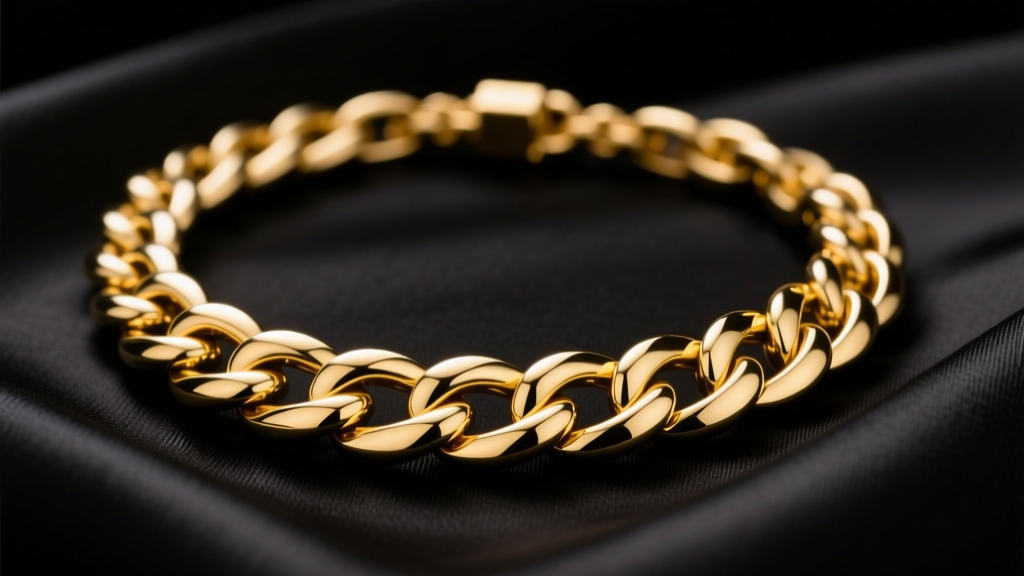
When reality television icon Billie Faiers steps out, her jewelry does the talking. The quintessential "Billie Faiers necklace" is not a single, static design; rather, it represents a bold, unapologetic aesthetic characterized by chunky gold Cuban links, diamond-encrusted tennis chains, and oversized personalized pendants. For jewelry enthusiasts and stylists looking to replicate or invest in this high-glamour aesthetic in 2026, understanding the underlying material properties is non-negotiable. A necklace that looks spectacular on camera but fails under the stress of daily wear is a poor investment. This guide breaks down the metallurgical and gemological realities behind these iconic statement pieces.
Gold Alloys: 9k vs. 14k vs. 18k for Heavy Chains
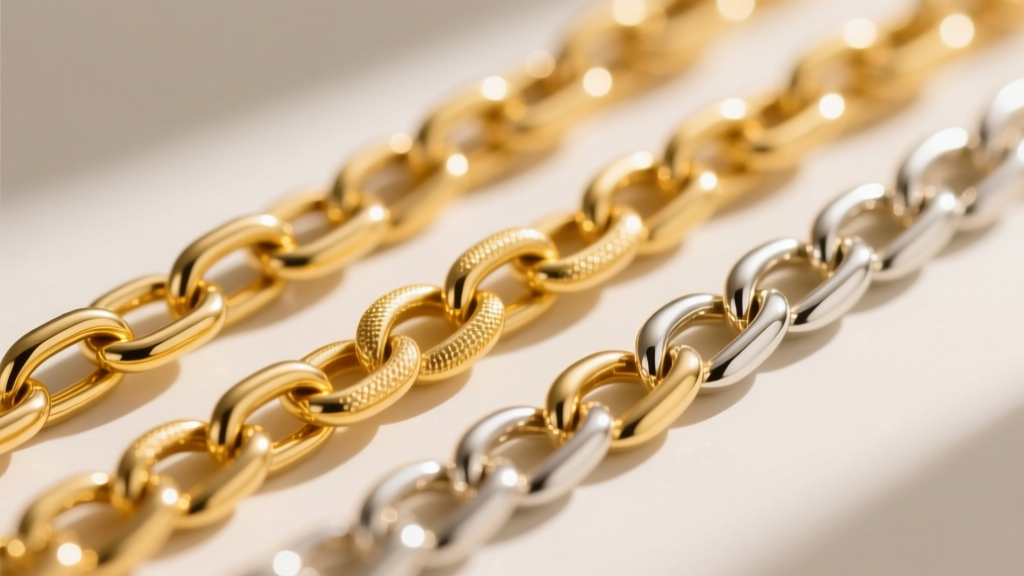
The foundation of the Faiers aesthetic is heavy, polished yellow gold. However, the karat weight drastically alters the chain's durability, color, and structural integrity. In the UK market, 9k gold (37.5% pure gold) is the standard for accessible fine jewelry, but high-end statement pieces often utilize 14k or 18k alloys.
Hardness and Stress Cracking
According to the Gemological Institute of America (GIA), pure 24k gold is far too soft for jewelry. Alloying metals like copper, silver, and zinc are added to increase tensile strength. A 10mm Cuban link chain can easily weigh between 60 and 90 grams.
- 9k Gold (Vickers Hardness ~120): Highly resistant to scratching and denting. However, its high copper/zinc content makes it more brittle. Under the repetitive stress of heavy interlocking links, 9k chains are prone to micro-fractures and stress cracking at the solder points.
- 14k Gold (Vickers Hardness ~135): The optimal middle ground. It offers a rich yellow hue while maintaining the structural resilience required for heavy, daily-wear chains.
- 18k Gold (Vickers Hardness ~140 but highly malleable): Contains 75% pure gold. While it boasts a luxurious, deep yellow saturation, it is softer and more prone to surface scratching and link deformation if the chain is pulled or snagged.
The Hallmarking Imperative
Because the "Billie Faiers" look relies on substantial metal weight, you are paying for the alloy. Always verify the hallmark. The London Assay Office mandates that any piece over 1 gram must be hallmarked. A missing hallmark on a heavy chain is an immediate red flag for gold-plated brass masquerading as solid gold.
The "Ice" Factor: Gemstone Properties in Tennis Necklaces
Layering a chunky gold chain with a glittering tennis necklace is a staple of this aesthetic. But what exactly is providing the sparkle? The market is flooded with natural diamonds, lab-grown CVD diamonds, moissanite, and cubic zirconia (CZ). Understanding their optical and physical properties ensures you get the right level of "ice" without overpaying or ending up with a cloudy stone.
| Material | Mohs Hardness | Refractive Index (RI) | Price per Carat (Approx.) | Best Use Case |
|---|---|---|---|---|
| Natural Diamond | 10 | 2.42 | $3,000 - $8,000+ | Heirloom investment, flawless clarity |
| Lab-Grown CVD Diamond | 10 | 2.42 | $400 - $1,200 | Everyday glamour, identical optics to natural |
| Moissanite | 9.25 | 2.65 - 2.69 | $300 - $600 | Maximum fire/dispersion, budget-friendly |
| Cubic Zirconia (CZ) | 8 - 8.5 | 2.15 - 2.18 | $5 - $20 | Fashion jewelry, short-term wear |
As noted by GIA's diamond grading standards, lab-grown CVD (Chemical Vapor Deposition) diamonds possess the exact same crystal structure and optical properties as mined diamonds. For a high-impact tennis necklace where carat weight totals 10 to 15 carats, lab-grown CVD is the undisputed champion for the modern glamour aesthetic, offering identical brilliance at a fraction of the cost. Moissanite, while harder than CZ and possessing a higher RI (resulting in more "rainbow" fire), can sometimes look overly fiery and artificial in larger, emerald-cut stones.
Chain Link Mechanics and Clasp Engineering
A common failure point in heavy, glamour-style necklaces is the clasp and the link soldering. The aesthetic demands thick, interlocking links, but how those links are closed dictates the chain's lifespan.
Laser Welding vs. Traditional Soldering
Premium Cuban and Figaro chains utilize laser welding to close the final link. Laser welding provides a pinpoint, high-heat fuse that doesn't leave a visible seam or weaken the surrounding metal with excess solder flux. Traditional torch soldering on thick links can result in brittle joints that snap under the 80-gram weight of the chain itself.
Clasp Failure Modes
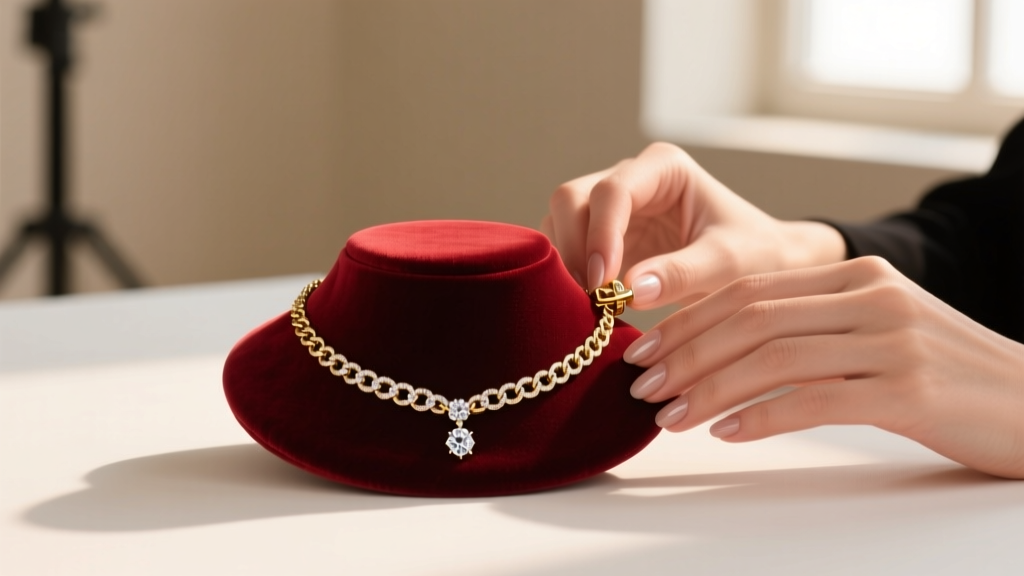
Never pair a 50-gram chain with a standard spring-ring or lightweight lobster clasp. The tension will eventually warp the clasp mechanism, leading to catastrophic loss. The industry standard for heavy statement necklaces is a box clasp with a double figure-8 safety catch. The box clasp distributes the tensile load across a wide metal tongue, while the figure-8 wires act as a secondary fail-safe if the primary tongue disengages.
Vermeil vs. Plated: Navigating the Budget Alternatives
Not everyone has the budget for a solid 14k gold 10mm Cuban link. However, the market is saturated with deceptive terminology. If you are buying into the "Billie Faiers" look on a budget, you must understand the difference between gold vermeil and standard gold plating.
- Gold Plated: A microscopic layer of gold (often less than 0.5 microns) electroplated over a base metal like brass or copper. The brass will oxidize, bleed through the gold within months, and cause skin discoloration. The structural integrity relies entirely on the cheap base metal.
- Gold Vermeil: Legally requires a base of solid Sterling Silver (925) plated with a minimum of 2.5 microns of 10k, 14k, or 18k gold. While the gold layer will eventually wear down with heavy friction, the underlying silver will not turn your neck green, and the piece retains intrinsic scrap value.
For oversized initial pendants—a staple of the Faiers wardrobe—opting for solid 9k or 14k gold is highly recommended over vermeil. Pendants experience high friction against the chain loop and the skin, stripping vermeil plating in a matter of weeks.
Maintenance Protocols for High-Glamour Pieces
To maintain the mirror-like polish of a chunky gold chain and the brilliance of a tennis necklace, a strict maintenance protocol is required.
- Ultrasonic Cleaning (With Caution): Ultrasonic cleaners are excellent for removing sebum and lotion from diamond tennis necklaces. However, never put fracture-filled diamonds or porous gemstones (like opals or emeralds) in an ultrasonic bath. For plain gold Cuban chains, a simple soak in warm water with a few drops of mild dish soap and a soft-bristled baby brush is safer and equally effective.
- Polishing Cloths: Use a micro-fiber jeweler's cloth treated with a mild rouge compound to restore the high-polish finish to gold links. Avoid aggressive machine buffing, which can round off the sharp, geometric edges that define the Cuban link aesthetic.
- Storage: Heavy chains must be stored flat or hung vertically. Coiling a thick Cuban chain tightly in a small box will cause the links to bind, kink, and eventually stress-fracture at the joints.
Final Thoughts on Material Selection
The "Billie Faiers necklace" aesthetic is a masterclass in bold, unapologetic material usage. Whether you are investing in a heavy 14k gold Cuban link, a lab-grown diamond tennis chain, or a personalized solid gold pendant, prioritizing metallurgical integrity and gemological quality over fast-fashion shortcuts is the key to building a lasting, glamorous collection. By understanding alloy hardness, clasp engineering, and stone optics, you can curate a jewelry wardrobe that shines just as brightly off-camera as it does on-screen.


