The Gema Necklace Trend: Raw Gemstone Styling in 2026
Discover the 2026 gema necklace trend. Learn how to style raw, uncut gemstone pendants, compare metal grades, and master the organic fine jewelry look.

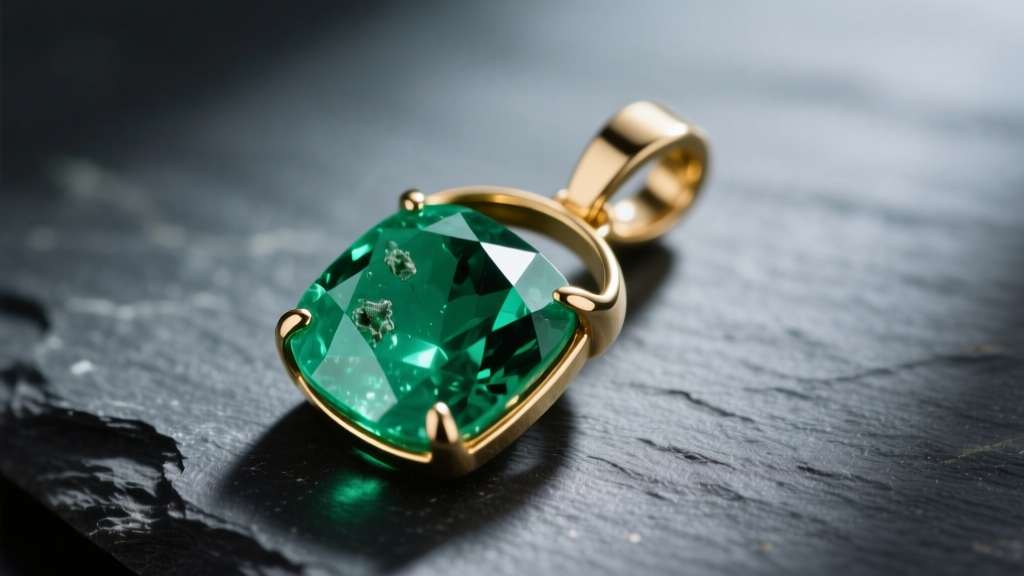
The jewelry landscape of 2026 has decisively pivoted away from the hyper-polished, flawless aesthetics of the early 2020s. In its place, the gema necklace—a style archetype defined by raw, uncut, or minimally tumbled gemstone drops suspended on delicate chains—has emerged as the definitive staple for collectors and minimalists alike. Translating literally to 'gem' in Spanish and Portuguese, the gema style celebrates the organic, unrefined beauty of earth-mined crystals. This comprehensive guide breaks down the metallurgy, gemology, and styling frameworks you need to master this trend.
The Anatomy of a Gema Necklace
Unlike traditional solitaire pendants that rely on precision faceting to maximize light return, a true gema necklace highlights the natural inclusions, jagged girdles, and internal 'jardin' (the garden of inclusions) of the stone. The pendant is typically a teardrop, hexagonal, or irregular geometric slice. Because the stones are uncalibrated, they cannot be held by standard prong heads. Instead, master jewelers utilize custom-fitted bezels or intricate 20-gauge wire-wrapping techniques to secure the uneven edges without applying excessive pressure that could fracture the raw crystal.
2026 Trend Forecast: The Shift to 'Imperfect' Fine Jewelry
Industry analysts note a massive surge in demand for 'wabi-sabi' fine jewelry, a concept rooted in finding beauty in imperfection. According to trend reports from JCK Online, consumers are increasingly requesting salt-and-pepper diamonds, raw emeralds, and unpolished sapphires over their VS1-clarity counterparts. The gema necklace sits at the epicenter of this movement. It signals a shift toward personalization and storytelling; no two raw gemstone drops are identical, making every piece a de facto one-of-a-kind commission. This year, we are seeing a specific preference for 'windowed' raw stones—gems that are left rough on the outside but feature a single, flat, polished slice in the center to allow light to enter the core.
Material Breakdown: Chain Gauges and Metal Grades
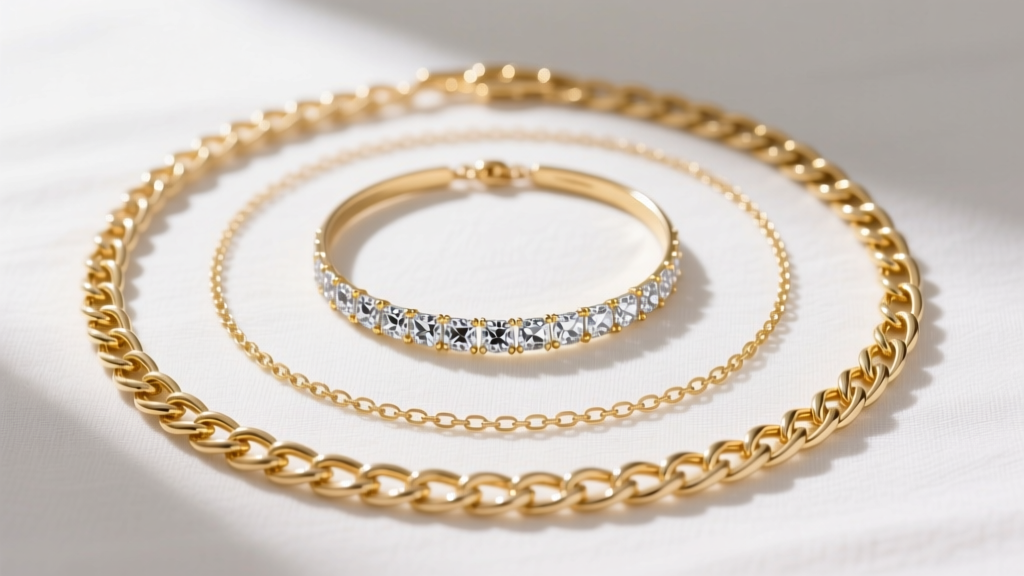
When investing in a gema necklace, the structural integrity of the metal is paramount. Raw gemstones often feature sharp, microscopic edges that can wear down softer metals over time. Furthermore, the visual weight of a raw stone requires a chain that offers a specific balance of tensile strength and visual delicacy.
Why 14k Gold Outperforms 18k for Raw Settings
While 18k gold (75% pure gold) is highly prized for its rich, buttery color, it is inherently softer on the Vickers hardness scale. For a gema necklace featuring an irregular, unpolished girdle, 14k solid gold (58.5% pure gold) is the superior choice. The higher alloy content (typically mixed with silver, copper, and zinc) increases the metal's rigidity, ensuring that a bezel setting will not warp or pull away from the stone during daily wear. If you prefer the color of 18k gold, opt for a wire-wrapped setting using dead-soft wire that can be periodically tightened by a jeweler.
Chain Selection and Gauge Sizing
The chain must complement the organic nature of the pendant without competing for attention. Avoid box chains or wheat chains, as their rigid, geometric links clash with the natural flow of a raw crystal.
- 0.9mm Cable Chain: The classic choice. Round links provide a fluid drape that allows the gema pendant to lay flat against the collarbone.
- 1.1mm Rolo Chain: Offers slightly more visual texture and a higher tensile strength, ideal for heavier raw stones like uncut garnets or beryl.
- 1.5mm Paperclip Chain: A modern, elongated link that provides an edgy contrast to the ancient, earthy vibe of the raw gemstone.
Gemstone Durability and Setting Recommendations
Not all raw crystals are suitable for everyday necklace wear. Understanding the Mohs scale of hardness and the concept of 'cleavage' (the tendency of a mineral to break along specific structural planes) is critical when selecting your gema necklace. The Gemological Institute of America (GIA) emphasizes that durability is a combination of hardness, toughness, and stability.
| Gemstone Type | Mohs Hardness | Cleavage Risk | Ideal Setting for Gema Style |
|---|---|---|---|
| Raw Sapphire | 9.0 | None (Excellent Toughness) | Open-back Bezel or Tension Wrap |
| Raw Quartz (Clear/Smoky) | 7.0 | None (Conchoidal Fracture) | Prong or Wire-Wrapped Cage |
| Raw Emerald | 7.5 - 8.0 | Moderate (Brittle) | Full Custom Bezel (Protects Edges) |
| Raw Opal | 5.5 - 6.5 | High (Prone to Chipping) | Recessed Halo or Heavy Bezel |
| Raw Moonstone | 6.0 - 6.5 | Perfect Cleavage (High Risk) | Wire-Wrapped (Low Pressure) |
How to Style and Layer Your Gema Necklace
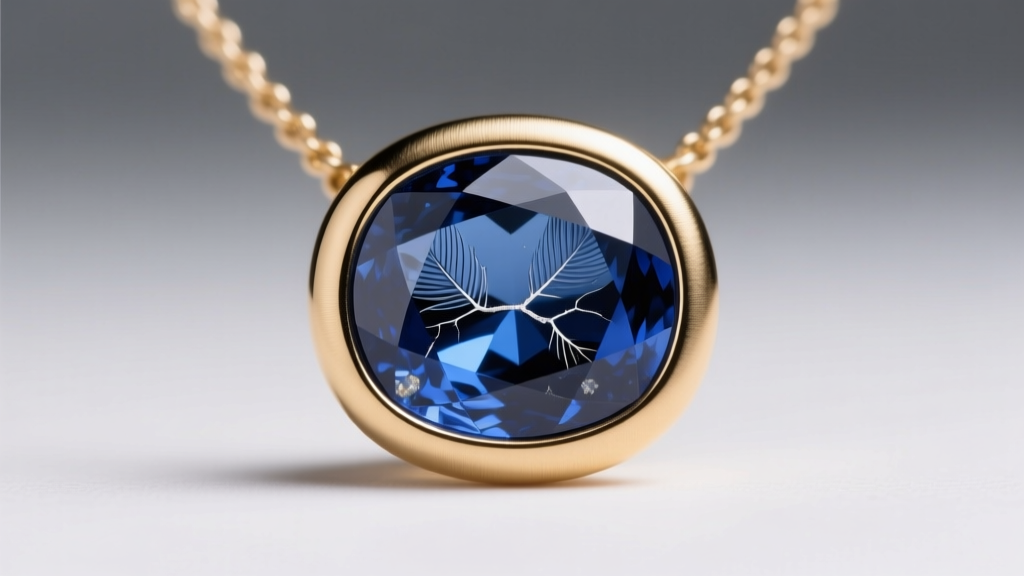
The beauty of the gema necklace lies in its versatility. It bridges the gap between fine jewelry and bohemian accessory, allowing for complex layering that doesn't look cluttered. To achieve the coveted 2026 'curated ear and neck' aesthetic, follow the strict mathematical framework of necklace layering.
The 3-Piece Layering Framework
When layering, you must maintain a minimum 2-inch gap between chain lengths to prevent the clasps and pendants from tangling and scratching one another.
- The Anchor (14 to 15 inches): Start with a simple, lightweight chain without a pendant. A 14-inch 0.8mm rope chain or a subtle 15-inch herringbone sits snugly on the collarbone, framing the face and establishing a baseline.
- The Focal Point (16 to 17 inches): This is where your gema necklace lives. A 16-inch cable chain allows the raw gemstone drop to rest precisely in the suprasternal notch (the hollow of the throat), drawing the eye directly to the crystal's natural color and inclusions.
- The Texture (18 to 20 inches): Finish the stack with a longer, texturally distinct chain. An 18-inch paperclip chain or a 20-inch oxidized silver rolo chain adds depth and anchors the look to the neckline of your garment.
Pro Tip: When layering mixed metals, use your gema necklace as the bridge. If your raw emerald pendant is set in yellow gold but features natural silver-toned inclusions, pair it with a yellow gold anchor chain and a white gold texture chain to tie the palette together seamlessly.
Care and Maintenance for Raw Gemstones
The most common mistake consumers make with raw crystal jewelry is treating it like a faceted diamond. Raw gemstones are highly porous and susceptible to thermal shock and chemical damage.
- Never use ultrasonic cleaners: The high-frequency vibrations can easily shatter raw emeralds or moonstones along their natural cleavage planes.
- Avoid steam cleaning: Sudden temperature changes can cause internal fractures, especially in raw opals and quartz.
- The Safe Cleaning Method: Use a solution of lukewarm water and a few drops of pH-neutral dish soap. Gently agitate the water, submerge the gema necklace for three minutes, and use a baby-soft toothbrush to lightly sweep away debris from the bezel edge. Pat dry with a microfiber cloth.
Final Verdict
The gema necklace is more than a fleeting trend; it is a fundamental shift in how we value gemstones. By embracing the raw, unpolished reality of earth-mined crystals, wearers are choosing authenticity over artificial perfection. Whether you opt for a rugged, wire-wrapped raw sapphire or a sleek, bezel-set slice of included emerald, ensuring you select the correct metal gauge and adhere to proper care protocols will guarantee your organic fine jewelry piece remains a staple in your wardrobe for decades to come.


