2026 Price Guide: Buying a Necklace With Gem on a Budget
Discover how to evaluate a necklace with gem for true value in 2026. Compare lab-grown vs. natural stones, metal grades, and pricing tiers.

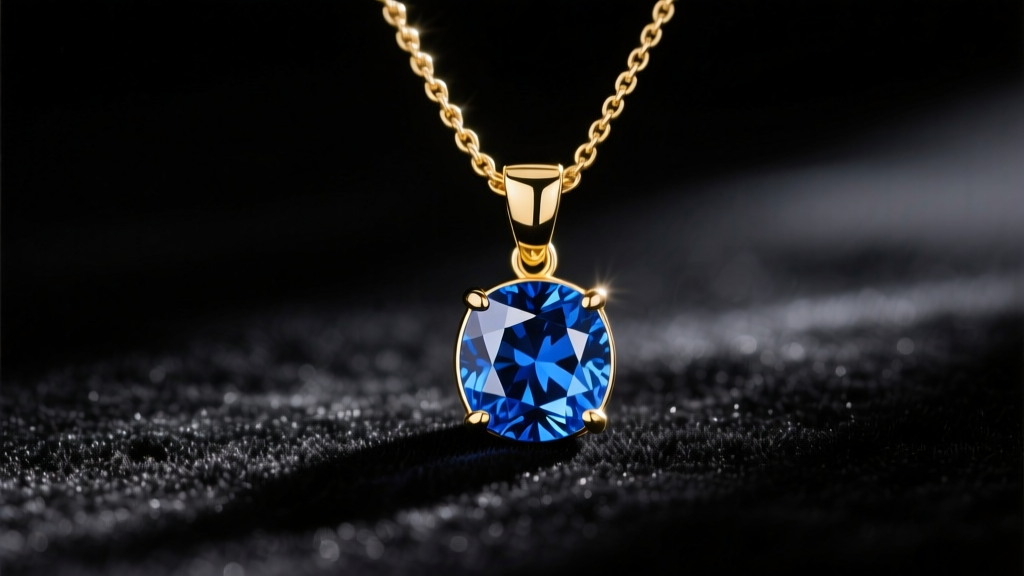
Finding the perfect necklace with gem on a budget requires navigating a minefield of deceptive marketing, inflated retail markups, and confusing metallurgy. In 2026, the jewelry market has shifted dramatically. Lab-grown gemstones have reached price floors that make them exceptional value propositions, while direct-to-consumer manufacturing has exposed the massive overhead markups of traditional mall jewelers. However, a low price tag is only a true bargain if the piece is engineered to last. This comprehensive value assessment breaks down exactly what you should pay for a gemstone necklace, how to evaluate the structural integrity of the chain and setting, and how to spot the red flags that indicate a poor investment.
The Gemstone Hierarchy: Natural, Lab-Grown, and Simulants
The most significant factor dictating the price of a necklace with gem is the origin and chemical composition of the stone itself. Budget buyers often confuse "simulated" stones with "lab-grown" stones, a mistake that leads to premature disappointment and wasted money.
Lab-Grown vs. Natural: The 2026 Reality
According to the Gemological Institute of America (GIA), lab-grown gemstones possess the exact same chemical, physical, and optical properties as their natural counterparts. A lab-created sapphire is still crystalline aluminum oxide (corundum) and registers a 9 on the Mohs hardness scale. In 2026, the price gap has widened exponentially. A natural, unheated 1-carat Ceylon blue sapphire can easily exceed $1,500, whereas a visually identical lab-grown sapphire of the same carat weight and clarity typically retails between $40 and $90. For budget-conscious buyers prioritizing durability and brilliance, lab-grown corundum (sapphires and rubies) and lab-grown moissanite offer unmatched value.
The Simulant Trap
Simulants, such as Cubic Zirconia (CZ) or nano-simulated diamonds, are entirely different materials designed only to mimic the look of a gem. CZ registers between 8 and 8.5 on the Mohs scale. While this sounds hard, it is porous and prone to accumulating oils and micro-scratches. A CZ pendant worn daily will typically cloud and lose its brilliance within 12 to 18 months. If a retailer advertises a "diamond simulant necklace," expect to pay no more than $20 to $40 for the stone component, regardless of the marketing jargon used.
Decoding the Metal: Where Budget Brands Cut Corners
A beautiful gemstone is useless if the setting and chain degrade, tarnish, or snap. The metal foundation accounts for a significant portion of the manufacturing cost, making it the primary target for corner-cutting in budget jewelry.
- Brass/Copper Base with Plating: Avoid these entirely. Once the microscopic layer of gold or rhodium wears off (usually within weeks of daily wear), the exposed brass will oxidize and turn your skin green. These pieces have a functional lifespan of under six months.
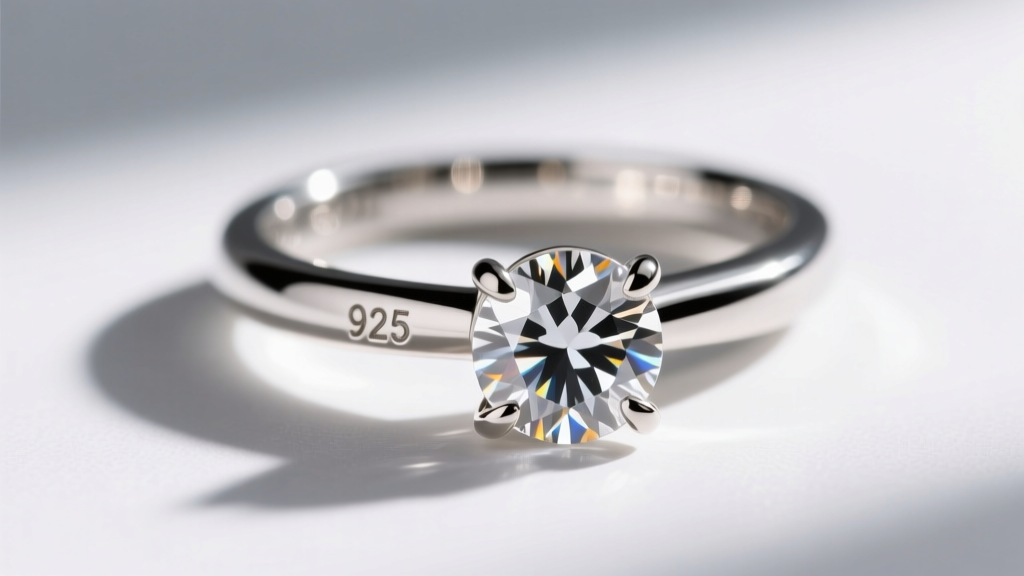
- Sterling Silver (.925): An excellent budget-friendly base metal. It is durable, hypoallergenic, and holds settings well. However, it tarnishes when exposed to sulfur and moisture, requiring regular polishing. It is also softer than gold alloys, meaning prongs can bend if snagged.
- Gold Vermeil: The Federal Trade Commission (FTC) strictly regulates the term "vermeil." To qualify, a piece must have a sterling silver base coated with at least 2.5 microns of 10k gold or higher. Many budget brands sell "gold plated silver" with only 0.5 microns of gold and deceptively market it as luxury. Always verify the micron thickness before purchasing vermeil.
- Gold-Filled (1/20 14k): This is the gold standard for budget buyers. Gold-filled wire and sheet metal consist of a thick outer layer of solid 14k gold mechanically bonded to a brass core. The gold layer is up to 100 times thicker than standard plating, offering decades of wear without flaking or tarnishing.
- Solid 10k or 14k Gold: While more expensive upfront, solid 10k gold is incredibly durable and scratch-resistant. For a pendant meant to be worn daily in the shower and at the gym, solid 10k gold eliminates the anxiety of plating wear-off.
Chain Mechanics: Gauge, Style, and Failure Points
When buying a necklace with gem, the chain is just as critical as the pendant. Gemstones add concentrated weight to a single point on the chain. If the chain is too delicate, the links will stretch, deform, and eventually snap, resulting in the loss of your pendant.
Gauge and Thickness: Never pair a gemstone pendant weighing more than 3 grams with a chain thinner than 0.8mm. For pendants between 3 and 8 grams, a 1.0mm to 1.2mm chain is required. For heavy statement gems (10+ grams), opt for a 1.5mm to 2.0mm chain.
Chain Styles and Durability:
- Cable Chains: Classic and affordable, but the uniform oval links can pull apart under sudden tension if the gauge is too thin.
- Box Chains: Excellent for pendants. The square, interlocking links distribute weight evenly and resist stretching. However, if a box chain kinks, it is nearly impossible to repair without replacing the damaged section.
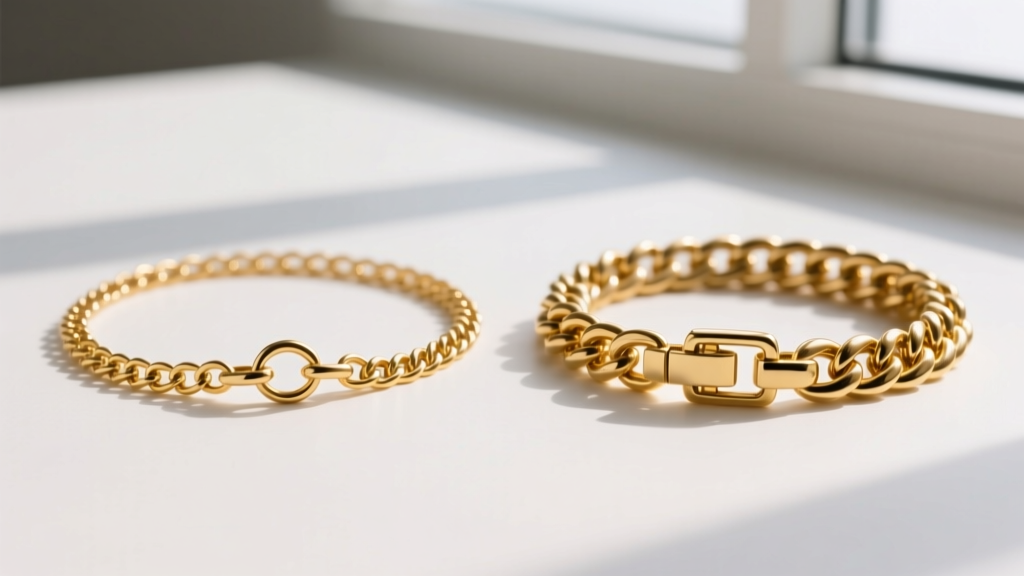
- Wheat (Spiga) Chains: Highly durable and resistant to kinking due to their woven, multi-directional link structure. They are slightly more expensive but offer the best longevity for heavy gemstone pendants.
2026 Value Matrix: What You Should Actually Pay
To ensure you are getting a fair deal, use this pricing matrix as a baseline for evaluating a necklace with gem in the current market. Prices reflect direct-to-consumer and reputable online jewelers, excluding the 200% to 400% markups typical of brick-and-mortar mall stores.
| Gemstone Type (1 Carat Equivalent) | Metal Base | Fair Market Price (2026) | Expected Lifespan |
|---|---|---|---|
| Cubic Zirconia (Simulant) | Sterling Silver | $25 - $45 | 1 - 2 Years (Stone clouds) |
| Moissanite (Lab) | Gold Vermeil (2.5 microns) | $80 - $130 | 3 - 5 Years (Plating wears) |
| Lab Sapphire / Ruby | 1/20 14k Gold-Filled | $110 - $160 | 10+ Years |
| Lab-Grown Diamond | Solid 10k Gold | $220 - $350 | Lifetime |
| Natural Sapphire (Heated) | Solid 14k Gold | $450 - $800+ | Lifetime |
Red Flags: Spotting Overpriced and Low-Quality Pieces
Budget buyers are frequently targeted by confusing terminology designed to make cheap materials sound premium. Watch out for these deceptive tactics:
- "HGE" or "HGP" Stamps: Heavy Gold Electroplate or Heavy Gold Plate. Despite the word "heavy," this is still just a thin layer of gold over a base metal like brass. It holds no intrinsic value and will eventually flake.
- "Diamond Crystals" or "Diamond Dust": These terms do not mean the piece contains real diamonds. They are legally permissible marketing terms for high-refractive-index glass or precision-cut CZ.
- "Flawless" Natural Stones at Budget Prices: If a retailer claims a natural emerald or ruby is "flawless" or "eye-clean" but is selling the necklace for under $200, the stone is almost certainly synthetic, heavily fracture-filled with resin, or made of colored glass. Natural gems in budget ranges will have visible inclusions, which is a sign of authenticity.
- Spring Ring Clasps on Heavy Chains: If a necklace features a heavy gemstone pendant but utilizes a tiny, hollow spring-ring clasp, it is a structural failure waiting to happen. Always look for lobster clasps or box clasps with a figure-eight safety catch on statement pieces.
Sourcing Strategy: Where to Find True Value
To maximize your budget when buying a necklace with gem, you must bypass the traditional retail supply chain. Mall kiosks and department stores rely on high-volume, high-markup models to cover their physical footprint and commissioned sales staff.
Direct-to-Consumer and Specialty Labs
Seek out online jewelers that specialize exclusively in lab-grown stones or specific gemstone cuts. Brands that own their cutting facilities or partner directly with lapidaries in regions like Chanthaburi (Thailand) or Jaipur (India) can offer natural and lab stones at near-wholesale prices. Look for retailers that provide third-party grading reports (from IGI or GIA) for any lab-grown diamond or moissanite pendant over $150.
The Estate and Vintage Market
For natural gemstones, the secondary market is a goldmine for budget buyers. Vintage necklaces from the 1980s and 1990s often feature solid 10k or 14k gold settings and genuine, earth-mined gems (like amethyst, garnet, or peridot) at prices lower than the melt value of the gold alone. When buying vintage, verify the clasp integrity and check the prongs with a jeweler's loupe to ensure the gemstone is secure before wearing.
Final Verdict: Maximizing Your Budget
Buying a necklace with gem on a budget in 2026 is entirely feasible if you prioritize material science over marketing hype. By choosing lab-grown corundum or moissanite for your center stone, pairing it with a gold-filled or solid 10k gold chain of at least 1.0mm thickness, and avoiding deceptive "simulant" terminology, you can acquire a stunning, durable piece of jewelry that will last for decades without draining your bank account. Always demand transparency regarding metal thickness and gemstone origin, and let the physical properties of the materials guide your purchasing decision.


