Gemma Owen Necklace Fixes: Tangles, Tarnish & Care
Troubleshoot common issues with your Gemma Owen necklace trend pieces. Learn expert fixes for micro-chain tangles, vermeil tarnish, and clasp breakage.

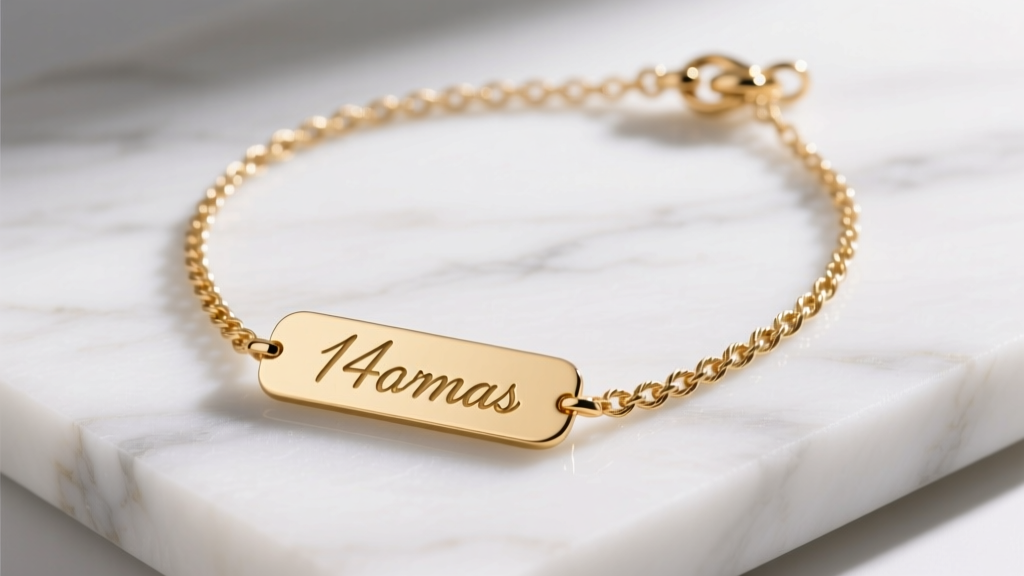
The "Gemma Owen necklace" trend—characterized by ultra-delicate, personalized cursive nameplates and micro-chains—exploded in popularity following the Love Island star's signature everyday styling. While these dainty gold chains look effortlessly chic layered over slip dresses or casual white tees, they present a unique set of structural vulnerabilities. Fast-fashion replicas and even mid-tier jewelry brands often prioritize the aesthetic over the metallurgy, resulting in a wave of consumer complaints regarding severe tangling, rapid tarnishing, and clasp failures.
As jewelry experts, we see these micro-chain failures daily. If your favorite influencer-style namepiece is currently a knotted mess or turning your skin green, you are not alone. Below is our comprehensive, 2026 troubleshooting guide to rescuing, repairing, and upgrading your delicate chain necklaces.
The Anatomy of the Influencer Nameplate Chain
To troubleshoot effectively, you must first understand the physical limitations of the Gemma Owen necklace style. The hallmark of this trend is the "micro-chain," typically a cable or box chain ranging from 0.6mm to 0.9mm in thickness. The nameplate pendant itself is usually die-struck or laser-cut from sheet metal no thicker than 0.8mm to maintain that lightweight, floating appearance.
The core issue arises from the mismatch between the chain's tensile strength and the pendant's weight distribution. When a 0.7mm brass or sterling silver chain is burdened by a solid metal nameplate, the links experience continuous micro-stress. Furthermore, the high surface-area-to-volume ratio of these ultra-thin chains makes them highly susceptible to environmental oxidation and friction-based wear. According to the Gemological Institute of America (GIA), the softer the gold alloy (like 18k or 24k), the more prone these micro-links are to stretching and warping under daily tension.
Troubleshooting 1: The Micro-Chain Tangle Nightmare
Why do these specific necklaces tangle worse than any other jewelry? The answer lies in static friction and link geometry. Cable chains under 1.0mm have tiny, tight links that easily slip inside one another when subjected to the kinetic movement of walking or sleeping. Once a 0.8mm link passes through a neighboring link, the lack of rigidity prevents it from slipping back out, creating a rigid knot.
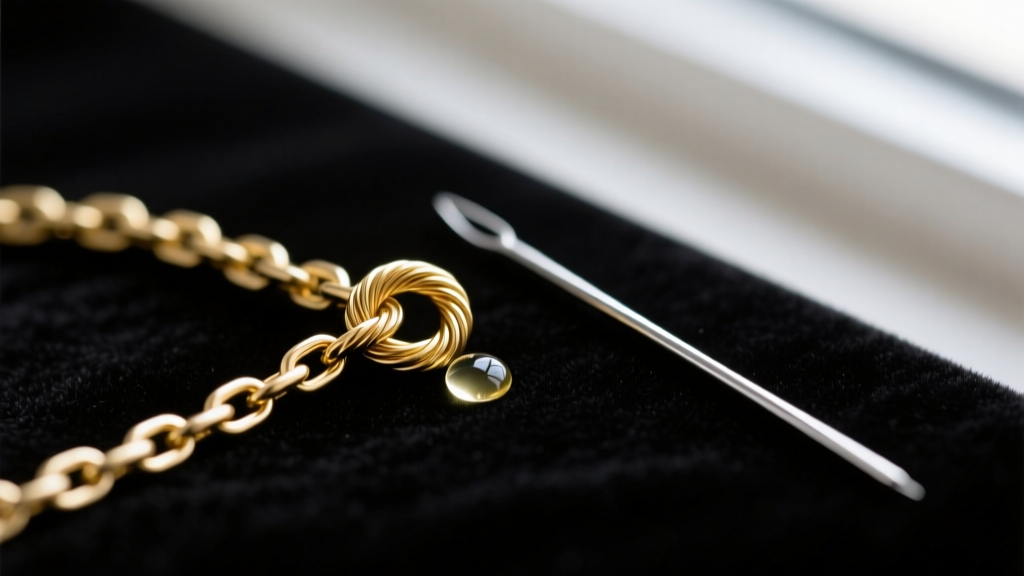
Do not pull on the knot. Applying tension to a 0.7mm gold vermeil or solid gold chain will permanently deform the links, leading to a weak point that will inevitably snap later. Instead, use the jeweler's "Talc and Needle" framework:
- Step 1: Lubricate the Knot. Lay the necklace flat on a dark, non-slip surface. Apply a single drop of mineral oil or a generous dusting of talcum powder directly onto the center of the knot. This eliminates the static friction between the metal links.
- Step 2: Deploy the Needle. Take two fine sewing needles or beading awls. Insert the tips into the exact center of the knot. Do not pull the outer loops; instead, gently wiggle the needles back and forth to loosen the core links.
- Step 3: Work Outward. Once the center yields, use the needles to push (not pull) the links out of the center mass. The powder or oil will allow the metal to glide smoothly.
- Step 4: Cleanse. Wash the chain in a mild dish soap solution to remove the oil or talc, then pat dry with a microfiber cloth.
Troubleshooting 2: Gold Vermeil Tarnish and Wear-Through
A major point of confusion for buyers of the Gemma Owen necklace trend is the rapid tarnishing of "gold" pieces. Most affordable influencer jewelry is not solid gold; it is gold vermeil or flash-plated. The Halstead Jewelry educational resources note that true gold vermeil requires a sterling silver base plated with a minimum of 2.5 microns of gold. However, many trend-chasing brands use 0.5-micron flash plating over brass or copper, which wears through to the base metal within weeks of contact with skin oils and perfumes.
| Material Type | Base Metal | Gold Thickness | Expected Lifespan | Tarnish Risk |
|---|---|---|---|---|
| Flash Plated | Brass / Copper | < 0.5 microns | 1 - 3 Months | Extreme (Turns skin green) |
| Gold Vermeil | Sterling Silver | 2.5+ microns | 1 - 3 Years | Moderate (Silver tarnish) |
| Gold Filled | Jeweler's Brass | 5% - 10% by weight | 5 - 10 Years | Low |
| Solid 9k / 10k | N/A (Alloy) | Solid throughout | Lifetime | Low (Can dull over time) |
| Solid 14k | N/A (Alloy) | Solid throughout | Lifetime | Very Low |
The Fix: If your vermeil chain has worn through to the silver base and appears grey or black, standard polishing cloths will not restore the gold color. You must take it to a local jeweler for "electroplating." For approximately $40 to $75, a jeweler can clean the piece and apply a fresh 2.5-micron layer of 14k or 18k gold, effectively resetting the lifespan of the necklace. To prevent future wear, never spray perfume directly onto the chest area before putting on a vermeil chain; the alcohol and essential oils accelerate the degradation of the gold layer.
Troubleshooting 3: Clasp Slippage and Breakage
The third most common failure point on delicate nameplate necklaces is the clasp. Brands frequently equip 0.8mm chains with standard 7mm or 9mm lobster clasps. While a larger clasp might seem more secure, it creates a severe weight imbalance. The heavy clasp constantly pulls the chain backward, causing the chain to flip, slide across the neck, and ultimately snap the tiny jump ring connecting the clasp to the micro-links.
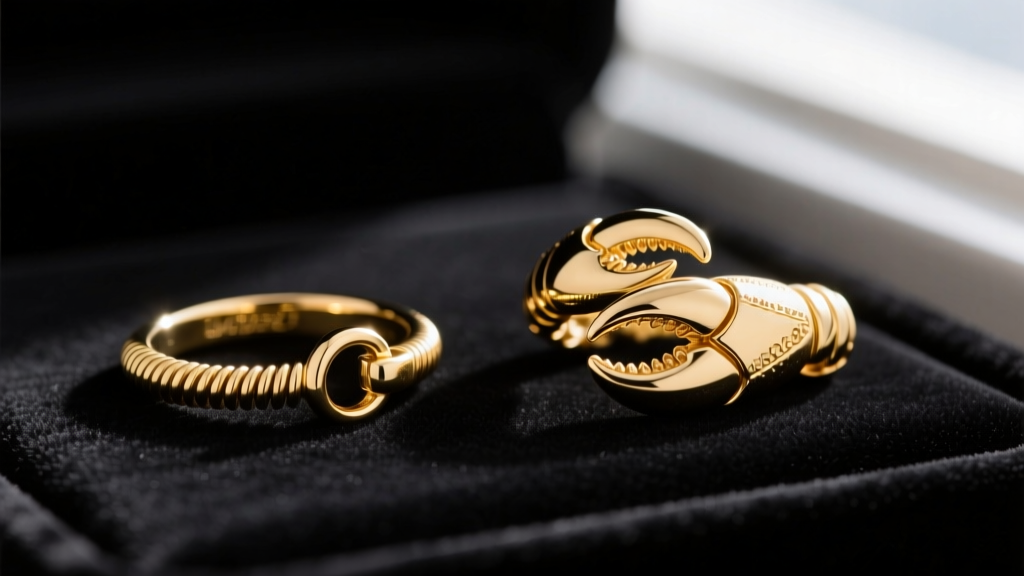
The Hardware Upgrade Solution
If your necklace constantly slides to the front of your neck or the jump ring keeps pulling open, you need to downsize the clasp. Visit a jeweler and request a swap to a 4mm or 5mm spring ring clasp. A spring ring is significantly lighter than a lobster clasp, which balances the weight distribution across the nape of the neck. Furthermore, ensure the jeweler uses a soldered jump ring (a ring with no visible seam) to connect the pendant and the clasp. An unsoldered jump ring on a 0.7mm chain will inevitably pull apart under the tension of a heavy nameplate pendant.
How to Recreate the Look Without the Flaws (2026 Specs)
If you are in the market for a new Gemma Owen-style necklace and want to avoid these troubleshooting nightmares entirely, use these exact specifications when shopping or commissioning a custom piece:
- Chain Gauge: Demand a minimum of 1.0mm to 1.2mm thickness. A 1.0mm cable or rope chain retains the delicate visual aesthetic but offers a 40% increase in tensile strength over a 0.7mm chain, virtually eliminating knotting.
- Pendant Attachment: Ensure the nameplate features a "floating" bail or a soldered loop rather than a simple drilled hole that the chain threads directly through. Threading a chain directly through a metal plate causes severe friction, filing down the chain links from the inside out.
- Material: Opt for solid 14k gold. While 18k gold is richer in color, it is softer. 14k gold provides the ideal balance of rich yellow hue and structural rigidity required for micro-jewelry.
By understanding the metallurgy and physics behind the trend, you can rescue your current tangled, tarnished pieces and make informed, durable purchases that capture the influencer aesthetic without the frustrating daily maintenance.


