2026 Gift Guide: The Perfect Stainless Steel Necklace Cross
Discover the ultimate 2026 gift guide for a stainless steel necklace cross. Learn about 316L grades, PVD coatings, and occasion matching for lasting gifts.

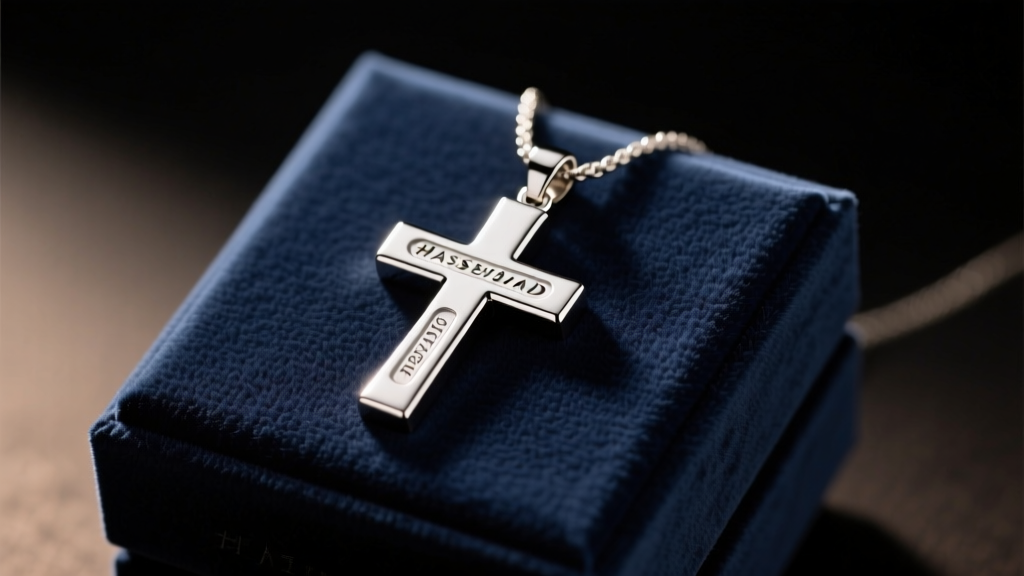
When selecting a meaningful, enduring gift, few pieces carry the symbolic weight and everyday durability of a stainless steel necklace cross. In 2026, the market has evolved far beyond the flimsy, mass-produced pendants of the past decade. Today’s premium stainless steel jewelry utilizes advanced CNC machining, precision casting, and molecular-level coloring techniques to rival fine metals in both aesthetics and longevity. Whether you are shopping for a religious milestone, a graduation marker, or a subtle everyday accessory for a partner, understanding the metallurgy, sizing conventions, and hardware pairings is essential. This comprehensive guide breaks down exactly how to choose, size, and source the perfect stainless steel cross necklace for any occasion, ensuring your gift stands the test of time.
Why 316L Steel Dominates the 2026 Gift Market
Not all stainless steel is created equal. When browsing for a stainless steel necklace cross, you will inevitably encounter two primary alloys: 304 and 316L. For gifting purposes, 316L—often marketed as surgical steel—is the undisputed standard. According to metallurgical guidelines from industry suppliers like Rio Grande, the critical difference lies in the addition of 2% to 3% molybdenum in 316L. This specific element drastically increases the alloy's resistance to chlorides and industrial solvents. In practical terms, this means a 316L cross will not pit, rust, or degrade when exposed to sweat, swimming pool chlorine, or ocean saltwater.
Furthermore, 316L is highly biocompatible. While it does contain trace amounts of nickel, the alloy's structure binds the nickel tightly, allowing it to pass stringent EU REACH standards for prolonged skin contact. If your gift recipient has sensitive skin or an active lifestyle, verifying the 316L stamp on the pendant's bail or the chain's end tag is a non-negotiable step.
Occasion Matching: Sizing the Cross for the Milestone
The physical dimensions of the cross pendant must align with the recipient's age, the formality of the occasion, and current styling trends. A mismatch in scale can turn a thoughtful gift into an unwearable novelty. Here is a precise framework for matching pendant height to specific life events.
Baptisms and First Communions (Ages 4–9)
For young children, comfort and safety are paramount. Opt for a petite cross pendant measuring between 12mm and 18mm in height. The design should be smooth and bezel-set or solid-cast without sharp prongs or intricate filigree that could snag on clothing. Pair this with a lightweight 1.2mm to 1.5mm box chain, which resists kinking and lies flat against the collarbone.
Confirmations and High School Graduations (Ages 14–18)
Teenagers require a balance of durability and contemporary style. A medium-sized cross, ranging from 22mm to 28mm, sits perfectly on the chest without looking overly ostentatious. Matte finishes or brushed steel textures are highly popular in 2026, offering a modern, understated aesthetic that appeals to younger demographics. As noted by market analysts at JCK Online, Gen Z consumers heavily favor minimalist, unisex jewelry silhouettes that can be layered or worn solo.

Adult Milestones, Anniversaries, and Birthdays (Ages 21+)
For adult men and women, you have the freedom to explore bolder proportions and complex designs. Pendants measuring 35mm to 45mm make a definitive statement. For men, a high-polish or PVD-black coated cross with beveled edges paired with a 3.0mm Cuban or Figaro chain projects confidence. For women, consider a two-tone design featuring a stainless steel base with 18k gold PVD accents, or a cross inlaid with black onyx or mother-of-pearl to elevate the piece for evening wear.
The Hardware Matrix: Pairing Chains and Clasps
A pendant is only as secure as the chain and clasp holding it. Gifting a heavy 40mm stainless steel cross on a delicate 1.5mm chain with a weak spring-ring clasp is a recipe for loss and disappointment. Use the matrix below to ensure your hardware selection matches the pendant's weight and the recipient's lifestyle.
| Chain Type | Ideal Thickness | Best Pendant Weight | Recommended Clasp | 2026 Price Range |
|---|---|---|---|---|
| Box Chain | 1.2mm - 2.0mm | Light (Under 10g) | Lobster (10mm) | $25 - $45 |
| Curb Chain | 2.5mm - 4.0mm | Medium (10g - 25g) | Lobster (12mm) | $40 - $75 |
| Rope Chain | 2.0mm - 3.5mm | Medium to Heavy | Lobster (15mm) | $50 - $90 |
| Cuban Link | 4.0mm - 6.0mm | Heavy (Over 25g) | Box Clasp or Large Lobster | $80 - $150+ |
Always avoid spring-ring clasps for any chain thicker than 2.0mm. The internal tension spring in a standard spring ring is not calibrated for the kinetic pull of a heavy stainless steel pendant, leading to premature failure. A solid-cast lobster clasp with a reinforced jump ring is the minimum acceptable standard for adult gifting.
PVD vs. Electroplating: Gifting Colored Steel
If you are considering a black, rose gold, or yellow gold stainless steel necklace cross, you must understand how the color is applied. Traditional electroplating—a process where a thin layer of metal is deposited via an electrical current in a liquid bath—does not adhere well to stainless steel. Over time, electroplated steel will flake, peel, and reveal the silver-grey base metal beneath, especially in high-friction areas like the bail.
Instead, seek out pieces utilizing PVD (Physical Vapor Deposition), specifically Ion Plating (IP). PVD is a vacuum-chamber process where the coloring material (like titanium nitride for gold hues) is vaporized and bonded to the steel at a molecular level. According to materials science data, PVD coatings are up to ten times more durable than traditional electroplating. They are highly resistant to UV fading, sweat, and cosmetic chemicals. When gifting a colored steel cross, verify that the product description explicitly states 'PVD' or 'Ion Plated.' If it merely says 'gold-plated stainless steel' without specifying the method, assume it is traditional electroplating and avoid it for long-term gifting.
Troubleshooting Common Gifting Mistakes
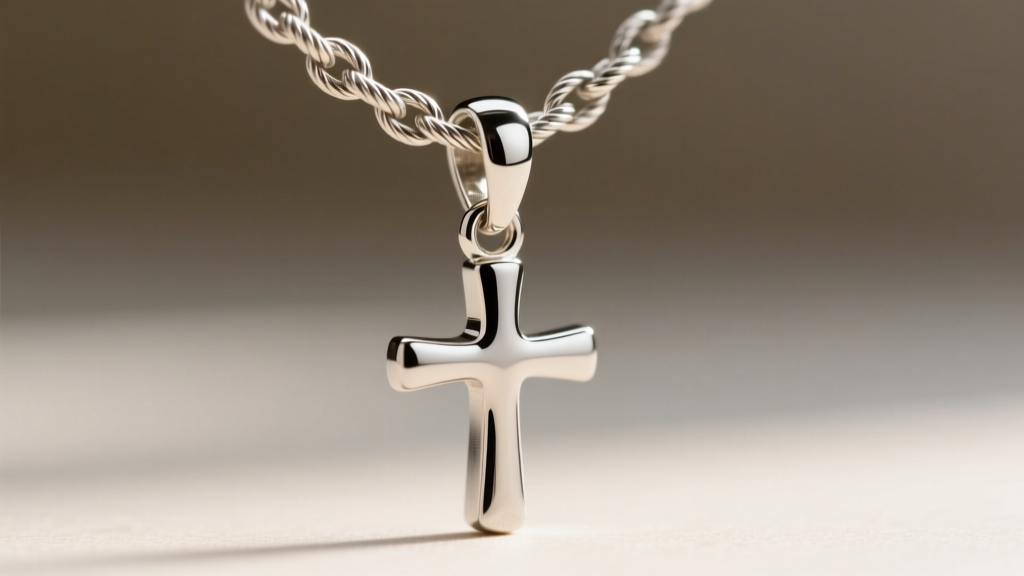
Even with the right alloy and chain, structural oversights can ruin an otherwise perfect gift. The most common failure point on a stainless steel necklace cross is the bail—the loop that connects the pendant to the chain. Because stainless steel is exceptionally hard, a steel chain rubbing against a steel bail in a dry environment creates immense friction. Over a year or two, this can literally saw through the bail, resulting in a lost pendant.
To prevent this, look for crosses that feature a Teflon or nylon washer hidden inside the bail, or opt for a pendant with an oversized, polished bail that allows the chain to move freely without grinding. Additionally, ensure the jump ring connecting the bail to the pendant body is laser-welded or soldered shut. A simple split jump ring will inevitably pull apart under the weight of a solid steel cross.
Final Sourcing Advice
When purchasing a stainless steel necklace cross in 2026, bypass generic fast-fashion retailers. Seek out specialized stainless steel jewelry brands or independent artisans who transparently list their alloy grades (316L), coating methods (PVD), and chain origins. A well-crafted stainless steel cross is an heirloom-quality gift that requires zero maintenance, never tarnishes, and carries a profound symbolic weight. By prioritizing 316L metallurgy, matching the scale to the occasion, and insisting on robust hardware, you guarantee a gift that will be worn and cherished for decades.


