2026 Gift Guide: Choosing the Perfect Purple Sapphire Necklace
Discover the ultimate 2026 gift guide for a purple sapphire necklace. Learn about gemstone grades, settings, and perfect occasions for this rare jewel.

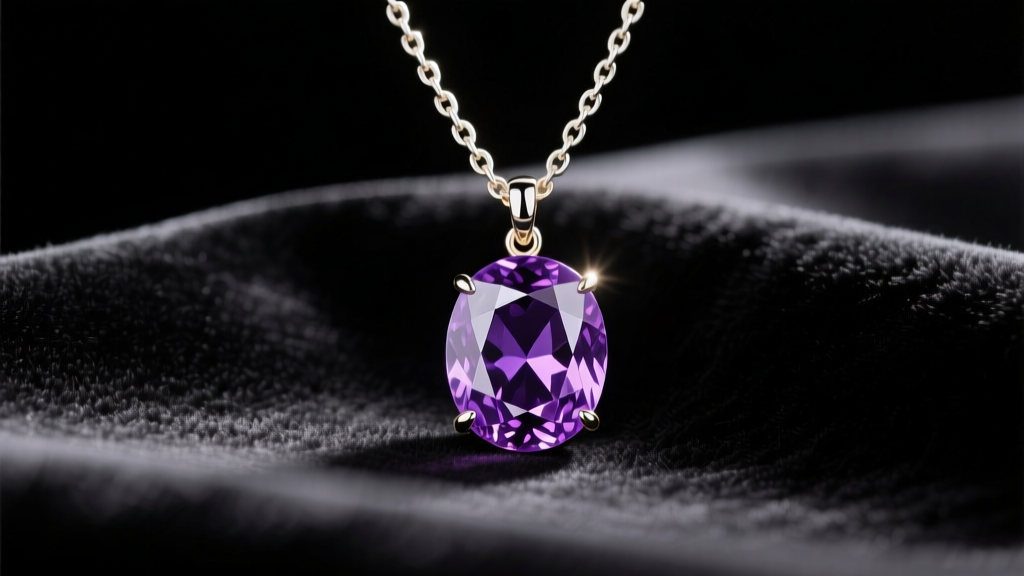
When it comes to gifting fine jewelry, few gemstones command the same level of intrigue and rarity as the purple sapphire. While blue sapphires have historically dominated the market, the 2026 jewelry landscape has seen a massive surge in demand for alternative corundum colors. A purple sapphire necklace is not just a piece of jewelry; it is a deeply personal, highly durable, and exceptionally rare gift that bridges the gap between the romance of amethyst and the indestructible nature of a diamond.
Whether you are shopping for a milestone anniversary, a significant career achievement, or a luxurious romantic gesture, understanding the gemological nuances and styling mechanics of purple sapphires is critical. This comprehensive guide will walk you through the exact specifications, pricing tiers, and occasion-matching strategies you need to select the perfect purple sapphire necklace.
The Gemology of Purple Sapphires: What Buyers Must Know
Before selecting a pendant, it is vital to understand what you are actually buying. Purple sapphires belong to the corundum family, boasting a Mohs hardness of 9. This makes them second only to diamonds in terms of scratch resistance, meaning a purple sapphire necklace can be worn daily without fear of abrasion—a massive advantage over amethyst (Mohs 7) or purple spinel (Mohs 8).
The color in these gems is driven by a delicate interplay of trace elements, primarily vanadium, chromium, and iron. According to the Gemological Institute of America (GIA), the most valued purple sapphires exhibit a vivid saturation with a medium to medium-dark tone. Stones that are too light will wash out under bright lighting, appearing as pale lavender, while stones that are too dark will lose their brilliance and look blackish in low light.
Treatment Disclosure: Over 90% of sapphires on the market undergo standard heat treatment to improve clarity and color. While heated stones are beautiful and widely accepted, unheated purple sapphires with natural, vivid color command a massive 40% to 60% premium. If a jeweler claims a stone is unheated, always demand verification from a top-tier laboratory like the American Gemological Laboratories (AGL) or GIA.
Occasion Matching: Which Style Fits the Milestone?
The design of the necklace should reflect the significance of the occasion. Here is how to match the setting and style to the specific milestone you are celebrating.
The 45th Anniversary (The Halo Pendant)
Sapphire is the traditional gemstone for the 45th wedding anniversary. While blue is standard, a purple sapphire offers a modern, passionate twist. For this milestone, opt for a double-halo pendant. A 1.50-carat oval purple sapphire surrounded by two micro-pave diamond halos set in platinum creates a breathtaking, opulent piece that signifies nearly half a century of marriage. The platinum setting ensures the cool violet undertones of the sapphire are maximized.
Graduation or Career Milestones (The Bezel Solitaire)
For a law school graduation, a medical residency match, or a major corporate promotion, the jewelry should be sleek, modern, and professional. A bezel-set solitaire is the ultimate choice. The smooth metal rim protects the gemstone's girdle from chipping against desks or equipment, while the minimalist design allows it to be worn effortlessly with business attire. An 18-inch cable chain in 18k white gold keeps the look sharp and contemporary.
Romantic Gestures & Valentine's Day (The East-West Oval)
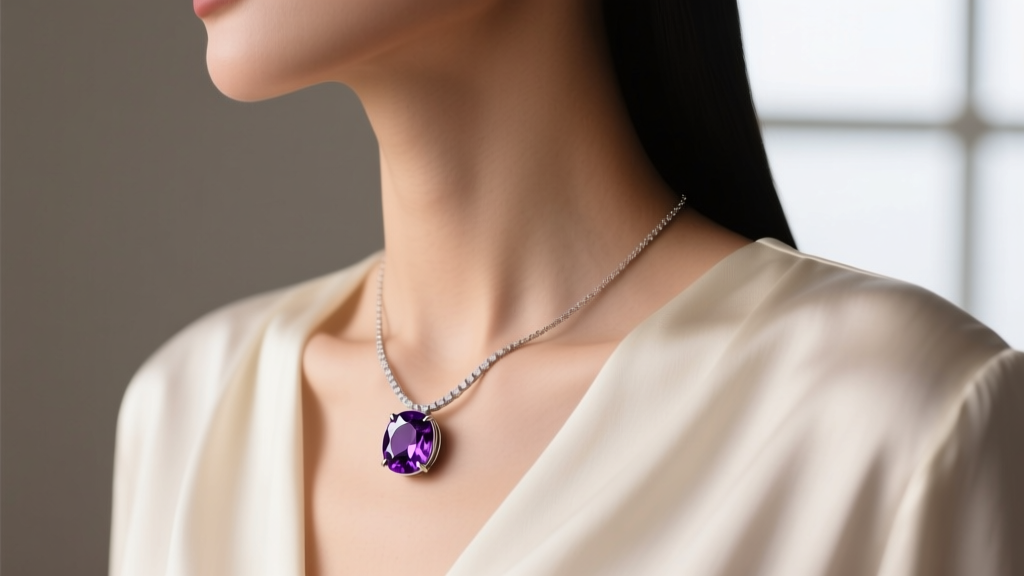
If you are gifting a purple sapphire necklace as a romantic gesture, lean into unique, fashion-forward designs. An east-west set oval (where the gemstone is set horizontally rather than vertically) on a delicate 16-inch rope chain is incredibly chic. This orientation sits beautifully against the collarbone and feels distinctly modern, making it an ideal gift for a partner with a refined, avant-garde sense of style.
Metal Pairings: Enhancing the Violet and Plum Hues
The metal you choose for the pendant and chain will drastically alter the visual temperature of the purple sapphire. Use the table below to determine which metal best suits the specific hue of your chosen gemstone.
| Metal Type | Visual Effect on Purple Sapphire | Durability & Maintenance | Relative Price Premium |
|---|---|---|---|
| Platinum | Enhances cool, icy violet undertones; provides a stark, modern contrast. | Hypoallergenic, highly durable, develops a natural patina over time. | Highest (20-30% more than 18k gold) |
| 18k White Gold | Mimics platinum's cool contrast but requires rhodium plating to maintain bright white color. | Scratch-resistant but rhodium plating wears off every 1-2 years. | Moderate (Standard for fine jewelry) |
| 18k Rose Gold | Amplifies warm magenta and plum hues; creates a romantic, vintage aesthetic. | Very durable due to copper alloy; does not require plating. | Moderate (Similar to white/yellow gold) |
| 14k Yellow Gold | Creates a striking complementary contrast; makes the purple appear richer and deeper. | Highly durable, low maintenance, excellent for heirloom pieces. | Lowest (Most budget-friendly precious metal) |
Chain Lengths and Neckline Considerations
A necklace is only as good as its drape. When gifting, consider the recipient's typical wardrobe and preferred chain lengths:
- 16 Inches (Choker/Collarbone): Sits tightly against the base of the neck. Best paired with V-neck blouses, off-the-shoulder tops, or evening gowns. Ideal for smaller pendants (under 1 carat).
- 18 Inches (Princess): The universal standard. Rests perfectly on the collarbone and works with almost any neckline, from crew-neck sweaters to button-down shirts. The safest choice for a surprise gift.
- 20 to 22 Inches (Matinee): Falls just above the bust. Excellent for layering or wearing over high-neck garments and turtlenecks during the fall and winter months. Best for larger, heavier statement pendants.
2026 Pricing Tiers for Purple Sapphire Necklaces
Pricing for purple sapphires varies wildly based on carat weight, color saturation, and treatment status. Here is what you can expect to pay in the current market.
Entry-Level ($400 - $900)
Specifications: 0.40 to 0.80 carats, commercial-grade color (often pale or heavily included), standard heat treatment. Typically set in sterling silver or 10k gold with small diamond accents.
Best For: Sweet 16 birthdays, high school graduations, or casual holiday gifting.
Mid-Range ($1,200 - $3,500)
Specifications: 1.00 to 1.75 carats, eye-clean clarity, medium-dark tone with strong saturation. Standard heat treatment. Set in 14k or 18k gold with high-quality melee diamonds in a halo or three-stone setting.
Best For: Milestone anniversaries, significant career promotions, or luxury Valentine's Day gifts.
Investment-Grade ($5,000 - $15,000+)
Specifications: 2.00+ carats, vivid saturation, exceptional brilliance, completely unheated (no thermal enhancement). Set in platinum with a custom, hand-forged bail and premium diamond halo. Must be accompanied by an AGL or GIA report confirming natural, unheated status. For deep dives into unheated corundum valuation, Lotus Gemology remains an industry-leading resource.
Best For: Once-in-a-lifetime proposals, major legacy gifting, or serious gemstone collectors.
Final Gifting Advice: The Unboxing Experience
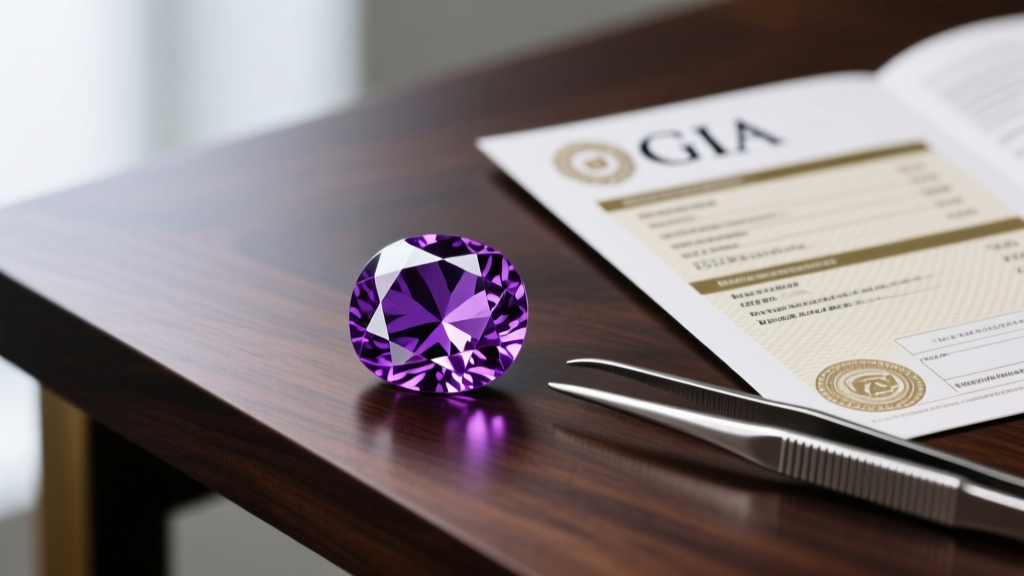
When presenting a purple sapphire necklace, the packaging should match the rarity of the stone. Avoid generic cardboard boxes. Opt for a wooden presentation box lined in neutral suede or cream leather, which prevents the purple hue from being distorted by reflective colored fabrics. Always include the original gemological report in a protective sleeve, and consider adding a specialized jewelry polishing cloth designed for the specific metal you selected. By paying attention to these granular details, you elevate the gift from a simple transaction to a curated, unforgettable experience.


