2026 Gift Guide: The Perfect Gemstone Initial Necklace
Discover the ultimate 2026 gift guide for choosing a gemstone initial necklace. Learn about stone hardness, chain gauges, and occasion matching.

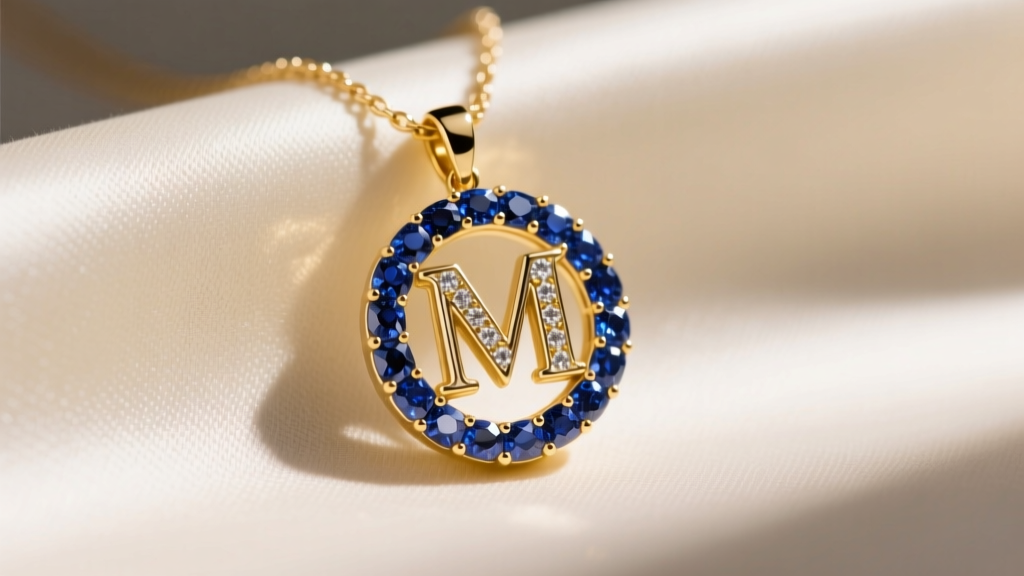
In the landscape of personalized jewelry, the gemstone initial necklace has cemented itself as a definitive staple. As we navigate the 2026 gifting season, consumers are moving away from generic, mass-produced trinkets and leaning heavily into bespoke pieces that carry deep sentimental weight without sacrificing everyday wearability. A gemstone-encrusted or accented initial pendant bridges the gap between a meaningful talisman and a versatile layering piece. However, gifting fine jewelry requires more than just picking a pretty letter; it demands an understanding of material science, chain mechanics, and the recipient's lifestyle. This comprehensive guide will walk you through the exact specifications, gemstone properties, and occasion-matching strategies needed to select the perfect piece.
Decoding Gemstone Hardness and Meaning for Milestone Gifting
When selecting a gemstone initial necklace, the aesthetic appeal of the stone must be balanced against its durability. The Mohs scale of mineral hardness is your most critical metric here. An initial pendant rests against the sternum, an area prone to accidental bumps against desks, steering wheels, and doorframes. If you are gifting a necklace intended for daily, never-take-it-off wear, you must prioritize stones with a Mohs hardness of 8 or above.
According to the GIA Gem Encyclopedia, understanding a stone's cleavage and toughness is just as important as its scratch resistance. For instance, while diamonds and sapphires are incredibly resilient, stones like opals and emeralds require specific protective settings, such as a full bezel, to prevent chipping.
| Gemstone | Mohs Hardness | Best Setting Style | Ideal Gifting Occasion |
|---|---|---|---|
| Diamond (Pavé) | 10 | Prong or Bezel | Engagements, 10th Anniversaries |
| Sapphire (Blue/Pink) | 9 | Prong or Halo | September Birthdays, Graduations |
| Ruby | 9 | Bezel or Prong | July Birthdays, Romantic Milestones |
| Morganite | 7.5 - 8 | Bezel (Recommended) | New Baby 'Push' Presents |
| Emerald | 7.5 - 8 (Brittle) | Full Bezel Only | May Birthdays, 20th Anniversaries |
| Opal | 5.5 - 6.5 | Full Bezel / Cabochon | October Birthdays (Occasional Wear) |
Chain Mechanics: Matching Gauge and Clasp to the Pendant
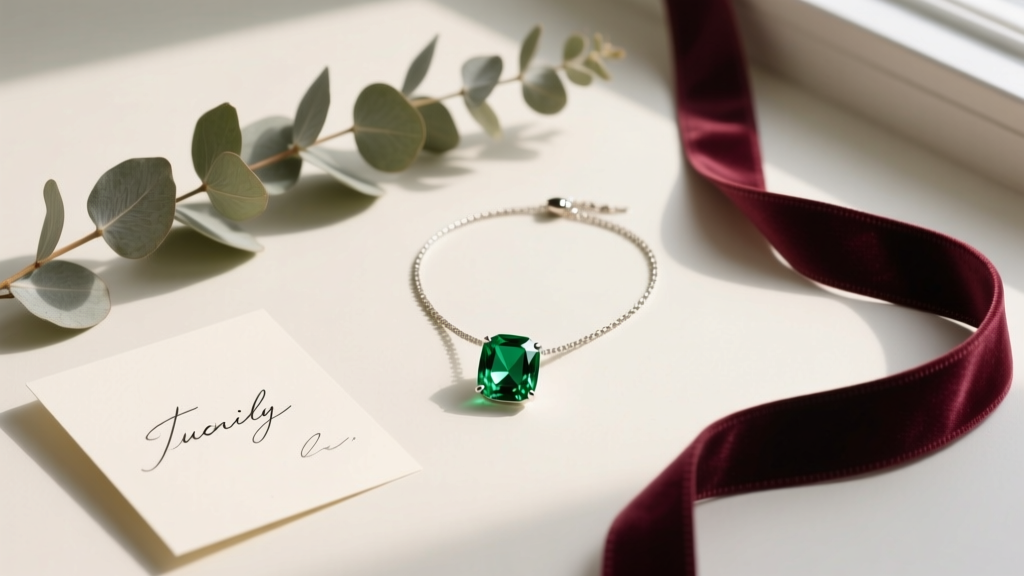
A common failure point in personalized necklaces is the chain. A delicate, 0.7mm box chain will inevitably snap under the weight of a 3-carat gemstone letter pendant. When investing in a high-quality piece, the chain's gauge and clasp type must be engineered to support the pendant's specific mass.
Chain Gauge and Link Styles
For gemstone initial pendants weighing between 1.5 and 4 grams, you should look for a chain thickness ranging from 1.1mm to 1.5mm. Cable chains and rolo chains are the superior choices for daily wear. Rolo chains, characterized by their uniform, interlocking round links, offer exceptional tensile strength and resist kinking far better than snake or herringbone chains. Furthermore, ensure the jump ring connecting the pendant to the chain is soldered shut. An unsoldered jump ring will slowly pry open over time due to the pendulum motion of the pendant against the chest, eventually leading to lost jewelry.
Clasp Security
Skip the traditional spring ring clasp. Spring rings are notoriously difficult to operate with one hand and feature a thin wire mechanism that degrades quickly. Instead, opt for a lobster clasp or a custom-engraved box clasp. Lobster clasps provide a secure, spring-loaded locking mechanism that easily supports the weight of a gemstone initial piece without accidental unfastening.
Occasion Matching: Who Gets What?
The beauty of the gemstone initial necklace lies in its versatility, but the specific execution should be tailored to the recipient's life stage and personal style.
- The New Mother (Push Present): Opt for the child's initial rather than the mother's. A solid 14k yellow gold 'A' pendant accented with a single, bezel-set morganite or pink sapphire offers a soft, nurturing aesthetic. Keep the chain length at 18 inches to accommodate postpartum body changes and allow for easy layering with longer chains.
- The Recent Graduate: A sleek, 14k white gold initial pendant featuring pavé-set diamonds or deep blue sapphires speaks to professional ambition and modern minimalism. A 16-inch cable chain with a 2-inch extender allows the graduate to adjust the necklace to sit perfectly above the neckline of blazers and blouses.
- The Milestone Anniversary: Move away from standard birthstones and select a stone that represents the specific anniversary year. For example, rubies are traditionally associated with the 15th and 40th anniversaries. An interlocking double-initial pendant (representing both partners) set with ruby accents offers a deeply romantic, customized narrative.
Pricing Tiers and Material Grades in 2026
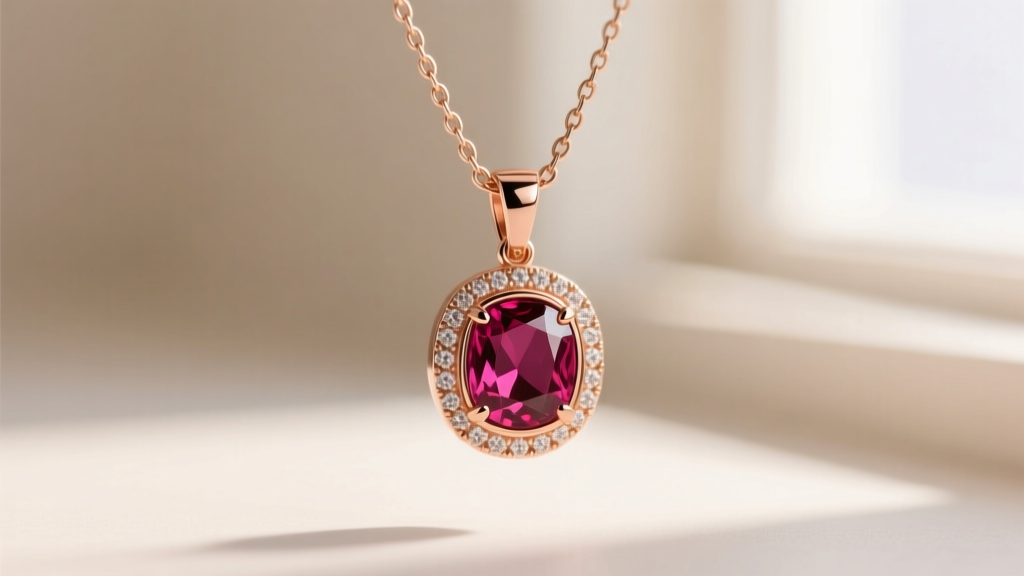
Understanding the pricing landscape ensures you are paying for true material value rather than inflated brand markups. Here is what you should expect to pay for a quality gemstone initial necklace in the current market.
Budget Tier ($90 - $250): At this price point, you are looking at gold vermeil (a thick layer of 14k or 18k gold over sterling silver) paired with semi-precious stones like amethyst, garnet, or lab-created sapphires. While beautiful, vermeil will eventually wear down to the silver base if worn daily in the shower or pool. Brands like Mejuri and Gorjana dominate this accessible space.
Mid-Range Tier ($350 - $850): This is the sweet spot for fine jewelry gifting. You will find solid 14k gold (which contains 58.5% pure gold, offering an excellent balance of rich color and structural durability) paired with genuine, ethically sourced sapphires, rubies, or small diamond accents. Independent jewelers and specialized online retailers like Catbird or Brilliant Earth offer exceptional craftsmanship in this bracket.
Luxury Tier ($1,200+): Here, you enter the realm of 18k gold (75% pure gold, yielding a deeper, more buttery yellow hue but slightly softer than 14k) or platinum, featuring high-clarity natural diamonds or rare, unheated colored gemstones. These pieces often feature custom hand-engraving and intricate milgrain detailing.
Care and Maintenance for Longevity
Gifting a fine jewelry piece also means educating the recipient on proper care. The Jewelers of America strongly advises against using ultrasonic cleaners for porous or treated stones. If your gemstone initial necklace features an emerald, it is crucial to know that emeralds are routinely fracture-filled with cedar oil to enhance their clarity. An ultrasonic cleaner will vibrate this oil out of the stone, leaving it cloudy and highly susceptible to cracking.
For routine cleaning of sapphires, rubies, and diamonds, a simple solution of warm water and a few drops of mild, phosphate-free dish soap applied with a soft-bristled baby toothbrush is the gold standard. Gently brush the back of the initial pendant where skin oils and lotions accumulate, rinse thoroughly, and dry with a lint-free microfiber cloth. For softer stones like opals or pearls, simply wipe them down with a damp cloth and store them in a separate soft pouch to prevent the surrounding gold or harder gems from scratching their delicate surfaces.
'The most memorable jewelry gifts are those that marry profound personal significance with uncompromising structural integrity. A gemstone initial necklace isn't just a letter; it's an heirloom in the making, provided the metal gauge and stone hardness are chosen with intention.'


