How to Choose a Genuine Pearl Necklace: Material & Grade Guide
Discover how to evaluate a genuine pearl necklace. Compare Akoya, Freshwater, Tahitian, and South Sea pearls, nacre thickness, and luster grades.

The Anatomy of a Genuine Pearl Necklace: Beyond the Basics
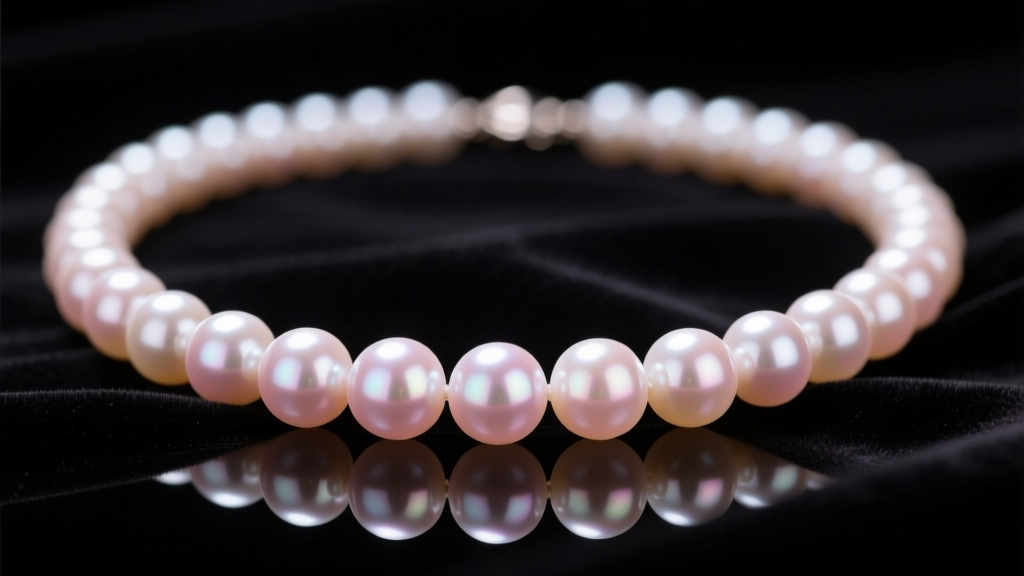
When shopping for a genuine pearl necklace, the untrained eye often focuses solely on shape and color. However, as organic gemstones formed by living mollusks, pearls possess a complex internal anatomy that dictates their value, durability, and visual appeal. Unlike faceted minerals, a pearl's beauty is derived from its nacre—the crystalline substance secreted by the mollusk to coat an irritant or surgically implanted nucleus.
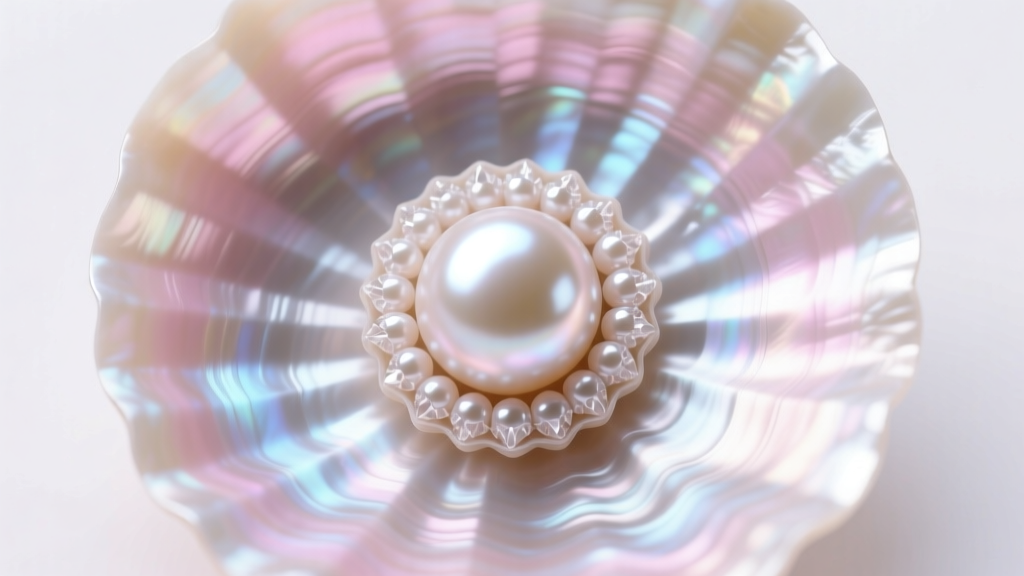
Understanding the difference between tissue-nucleated and bead-nucleated pearls is the first step in evaluating material quality. Freshwater pearls are typically tissue-nucleated, meaning a tiny piece of mantle tissue is inserted into the mollusk, resulting in a pearl composed of solid nacre all the way through. Conversely, saltwater varieties (Akoya, Tahitian, and South Sea) are bead-nucleated, featuring a central sphere of mother-of-pearl coated by layers of nacre. The thickness, translucency, and crystalline alignment of this nacre directly determine the pearl's luster and structural integrity over time.
Comparative Breakdown: The Big Four Pearl Varieties
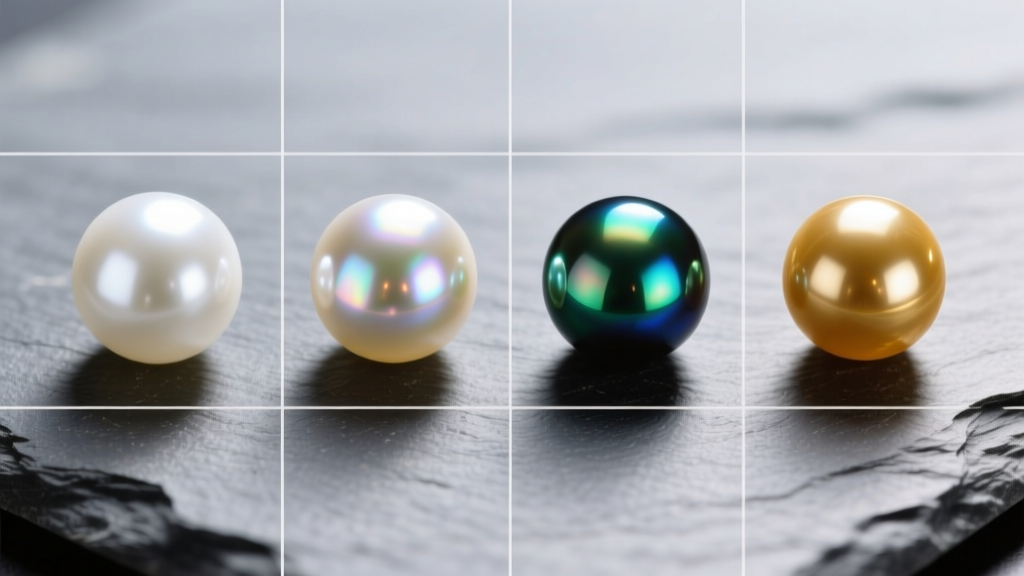
The global market for genuine pearl necklaces is dominated by four primary varieties, each with distinct material properties, cultivation methods, and pricing tiers. Evaluating these differences is crucial for matching the gemstone to your specific aesthetic and budgetary requirements.
Freshwater Pearls
Cultivated primarily in China's lakes and rivers, freshwater pearls offer the most diverse range of natural pastel colors, including peach, lavender, and white. Because they are solid nacre, they are incredibly durable and resistant to chipping. However, their luster is generally softer and more 'satiny' compared to the mirror-like reflection of saltwater varieties. High-end 'Edison' freshwater pearls, which are bead-nucleated, have recently bridged the gap, offering larger sizes (11-16mm) with metallic luster at a fraction of the cost of South Sea pearls.
Akoya Pearls
Hailing from the coastal waters of Japan and China, Akoya pearls are the quintessential choice for a classic, high-luster white pearl necklace. They rarely exceed 10mm in diameter but boast the sharpest, most mirror-like luster of any pearl type due to the rapid crystallization of nacre in cooler ocean temperatures. Premium Akoya necklaces often feature rosé or silver overtones and are meticulously matched for uniformity.
Tahitian Pearls
Often mistakenly called 'black pearls,' Tahitian pearls are cultivated in the warm lagoons of French Polynesia and exhibit a spectacular array of dark body colors with vibrant overtones. 'Peacock' (a mix of green, purple, and pink overtones) and 'aubergine' are the most highly prized. Their nacre is naturally thick, typically ranging from 0.8mm to 2.0mm, making them both durable and deeply luminous.
South Sea Pearls
The undisputed heavyweights of the pearl world, South Sea pearls are cultivated in the massive Pinctada maxima oyster across Australia, Indonesia, and the Philippines. They range from 9mm to an astonishing 20mm. Their nacre is exceptionally thick (2mm to 6mm), but the warm waters cause the aragonite crystals to form more slowly and loosely, resulting in a soft, luxurious 'satin' luster rather than a sharp reflection. White and golden are the primary colors, with deep gold commanding premium prices.
Pearl Variety Comparison Matrix
| Property | Freshwater | Akoya | Tahitian | South Sea |
|---|---|---|---|---|
| Nucleation | Tissue (Mostly) | Bead | Bead | Bead |
| Average Size | 4mm - 12mm | 6mm - 9mm | 8mm - 14mm | 10mm - 16mm |
| Nacre Thickness | Solid Nacre | 0.3mm - 1.0mm | 0.8mm - 2.0mm | 2.0mm - 6.0mm |
| Luster Type | Satiny / Metallic | Sharp / Mirror | Soft / Satin | Soft / Satin |
| Est. Price Range (18" Strand) | $150 - $2,500 | $400 - $12,000+ | $600 - $25,000+ | $1,500 - $80,000+ |
Nacre Thickness and Luster: The True Markers of Quality
According to the Gemological Institute of America (GIA), luster is the most critical quality factor for any genuine pearl necklace. Luster is not merely surface shine; it is the result of light entering the pearl, refracting through microscopic layers of aragonite crystals, and reflecting back to the viewer. The tighter and more numerous these layers, the higher the luster.
For bead-nucleated pearls, nacre thickness is a vital indicator of both luster and longevity. An Akoya pearl with nacre thinner than 0.3mm will appear dull, chalky, and is highly susceptible to peeling. When evaluating high-end Akoya necklaces, look for the 'Hanadama' certification from the Pearl Science Laboratory of Japan, which guarantees a minimum nacre thickness of 0.4mm and exceptional luster. For Tahitian pearls, the French Polynesian government mandates a minimum nacre thickness of 0.8mm for export, ensuring a baseline of structural integrity.
Treatments vs. Natural Properties: What Dealers Won't Tell You
The journey from harvest to jewelry display case almost always involves some level of processing. Understanding the difference between standard enhancements and deceptive treatments is essential for material evaluation.
Standard Enhancements
- Maeshori: A pre-treatment process used primarily on Akoya and Freshwater pearls where they are soaked in a methanol and saltwater solution to tighten the nacre and improve luster.
- Bleaching and Pinking: Almost all white Akoya pearls undergo mild hydrogen peroxide bleaching to remove dark organic spots, followed by a faint pink dye to enhance the rosé overtone. This is an industry-standard practice and does not negatively impact value.
Deceptive Treatments
Dyeing is frequently used to mimic rare, expensive colors. The most common deception is dyeing cheap, dark-grey freshwater pearls with silver nitrate to imitate valuable Tahitian pearls. You can spot dyed pearls by examining the drill holes under a jeweler's loupe; dye tends to concentrate in the conchiolin layers near the drill site, creating dark, unnatural rings. Furthermore, dyed black freshwater pearls often lack the complex, multi-colored overtones (like peacock or aubergine) found in genuine, naturally colored Tahitian specimens.
Failure Modes and Longevity: Caring for Organic Gemstones
Unlike diamonds or sapphires, pearls are organic and inherently fragile. They rank a mere 2.5 to 3.0 on the Mohs hardness scale, making them highly susceptible to scratching from metal clasps or other gemstones. More importantly, their aragonite structure is highly reactive to acids.
Expert Maintenance Tip: Human sweat is mildly acidic and will slowly etch the nacre of a pearl necklace worn directly against the skin over time. Always wipe your pearls with a soft, damp microfiber cloth after wearing them to remove acidic residues, cosmetics, and perfumes before storing them in a breathable cotton pouch.
Stringing Materials and Intervals
The physical string holding a genuine pearl necklace together is just as critical as the pearls themselves. High-quality necklaces are strung on 100% silk thread (typically size E or F, depending on the drill hole diameter). Silk provides the necessary flexibility and knot security, but it degrades when exposed to moisture and body oils. A necklace worn weekly should be professionally restrung every 12 to 18 months. Furthermore, insist on 'French wire' (also known as gimp)—a tiny coiled metal spring—placed between the silk and the metal clasp to prevent the metal from sawing through the thread over time.
Final Verdict: Matching Pearl Properties to Your Budget
Selecting the right genuine pearl necklace requires balancing material properties with your personal style and financial parameters. If you desire a classic, brilliant white strand for everyday professional wear, a high-luster Akoya necklace (7-8mm) remains the gold standard, offering unmatched reflectivity. For those seeking modern, avant-garde aesthetics with deep, natural colors, a Tahitian strand provides unparalleled exotic beauty. Meanwhile, premium Edison freshwater pearls offer a highly durable, budget-friendly alternative that delivers impressive size and luster without the South Sea price tag. By prioritizing nacre quality, verifying natural origins, and adhering to strict maintenance protocols, your pearl necklace will retain its luminous beauty for generations.
For further reading on pearl grading and identification, consult the GIA's comprehensive Pearl Description guide to deepen your gemological knowledge before making a significant investment.