How to Clean and Maintain Your Wooden Necklace Holder
Learn expert tips to clean, condition, and maintain your wooden necklace holder to protect your jewelry from snags, moisture, and tarnish.

The Hidden Risks of Neglected Wooden Jewelry Organizers
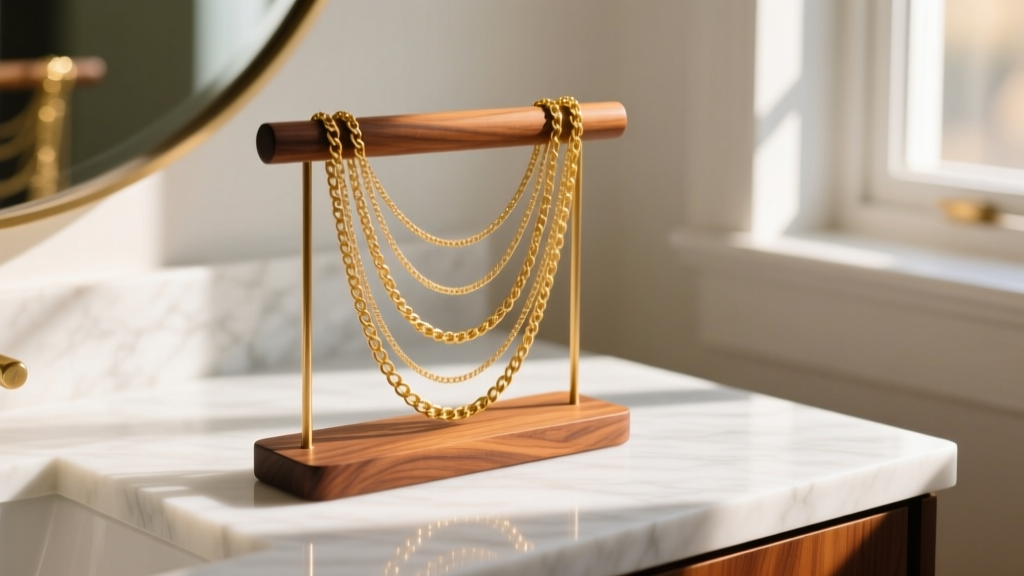
A wooden necklace holder is a beautiful, functional centerpiece for any jewelry collection, but it requires specific maintenance to ensure it does not inadvertently damage the pieces it displays. Unlike inert materials like glass or acrylic, wood is an organic, porous substrate that reacts to its environment. When neglected, a wooden display stand can develop micro-splinters that snag delicate 0.9mm cable chains or box chains, causing irreversible kinking. Furthermore, certain woods emit acidic tannins that can accelerate the oxidation of sterling silver, while trapped moisture can transfer mildew spores to porous gemstones like pearls and turquoise.
Proper care of your wooden organizer is not just about preserving the aesthetic of the wood; it is a critical component of your overall jewelry maintenance routine. By understanding the interaction between wood finishes, ambient humidity, and precious metals, you can extend the lifespan of both your display piece and your pendant collection.
Identifying Your Wood Type and Finish
Before applying any cleaning agents or conditioners, you must identify the wood species and its current finish. The maintenance protocol for a polyurethane-sealed oak stand differs vastly from that of a raw, oil-rubbed walnut display.
Hardwoods vs. Engineered Woods
Solid hardwoods like walnut, cherry, and maple are dense and stable, making them ideal for heavy statement necklaces. Engineered woods like MDF (Medium-Density Fiberboard) with a laminate veneer require much gentler cleaning, as harsh chemicals can dissolve the adhesive binding the veneer to the core.
| Wood Type | Tannin / Acid Level | Common Finish | Maintenance Frequency | Silver Tarnish Risk |
|---|---|---|---|---|
| Black Walnut | Low | Penetrating Oil / Wax | Every 3-4 months | Low |
| Red Oak | High | Polyurethane / Lacquer | Every 6 months | High (if unsealed) |
| Bamboo (Grass) | Medium | Varnish / Raw | Monthly | Medium |
| MDF / Veneer | N/A | Laminate / Melamine | As needed (Dust) | None |
Step-by-Step Cleaning Routine for Wooden Holders
Dust and skin oils transferred from your hands when hanging necklaces can build up on the pegs and base of your holder, creating a sticky residue that attracts abrasive particulate matter. Follow this precise cleaning protocol every four to six weeks.
- Dry Dusting: Use a clean, untreated microfiber cloth or a soft-bristled makeup brush to dislodge dust from the crevices and hanging pegs. Avoid feather dusters, as their stiff quills can scratch high-gloss finishes.
- Damp Wiping: For sealed woods (polyurethane or lacquer), lightly mist a cloth with distilled water mixed with a single drop of pH-neutral castile soap. Never spray liquid directly onto the wood. Wipe the base and pegs following the direction of the grain.
- Tackling Grime on Raw Wood: If your holder is finished with a penetrating oil or wax, avoid water entirely. Instead, use a cloth dampened with odorless mineral spirits to lift built-up body oils and cosmetics without raising the wood grain.
- Drying: Immediately buff the surface dry with a separate, clean microfiber cloth to prevent water spotting or moisture infiltration into the end-grain of the pegs.
Conditioning and Sealing: Preventing Snags and Tarnish
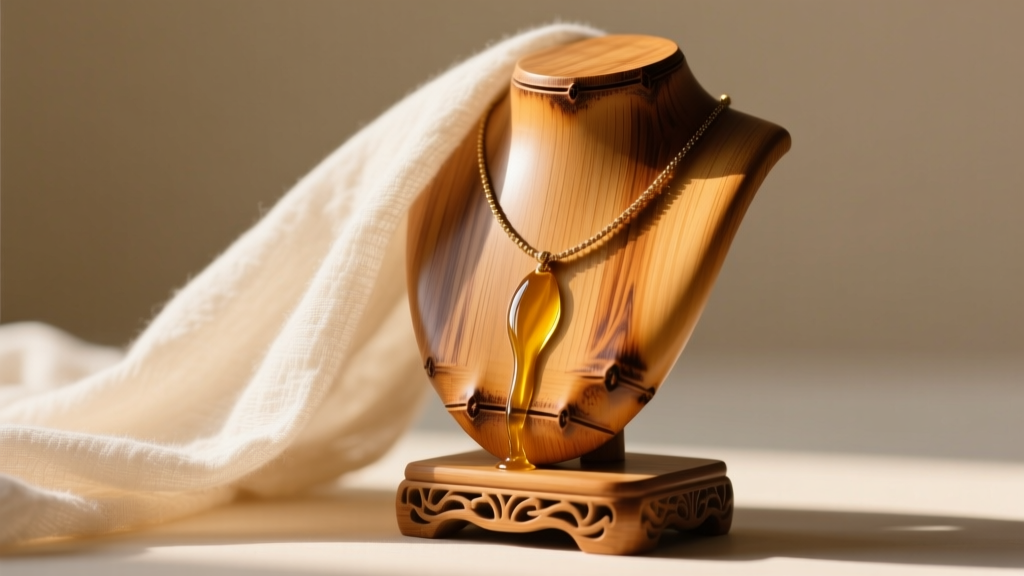
Wood naturally loses moisture over time, leading to microscopic checking (cracking) and splintering. A splintered peg is the enemy of fine jewelry chains. Conditioning your wooden necklace holder replenishes lost lipids and maintains a glass-smooth surface.
The Best Oils and Waxes for Jewelry Wood
Never use culinary oils like olive, vegetable, or coconut oil on your jewelry displays. These oils are non-drying and will eventually oxidize and turn rancid, emitting a foul odor and leaving a sticky residue that will attract dirt and tarnish your gold and silver pieces. According to finishing experts at Wood Magazine, the best options for wooden artifacts are polymerizing or stable oils.
- Food-Grade Mineral Oil: Inexpensive, odorless, and non-drying. Ideal for frequent maintenance of bamboo and raw hardwoods. Apply sparingly, let sit for 20 minutes, and buff off the excess.
- Pure Tung Oil: A drying oil that polymerizes into a hard, water-resistant shell. Excellent for sealing high-tannin woods like oak to prevent acid transfer to sterling silver.
- Carnauba Paste Wax: Provides a hard, slick barrier that reduces friction against delicate chains. Apply a thin coat, allow it to haze, and buff to a high shine with a horsehair brush.
Environmental Control: Humidity and Placement
Wood is hygroscopic, meaning it absorbs and releases moisture from the surrounding air. Extreme fluctuations in relative humidity (RH) cause the wood to expand and contract, which can loosen the glue joints holding the necklace pegs in place or cause the base to warp.
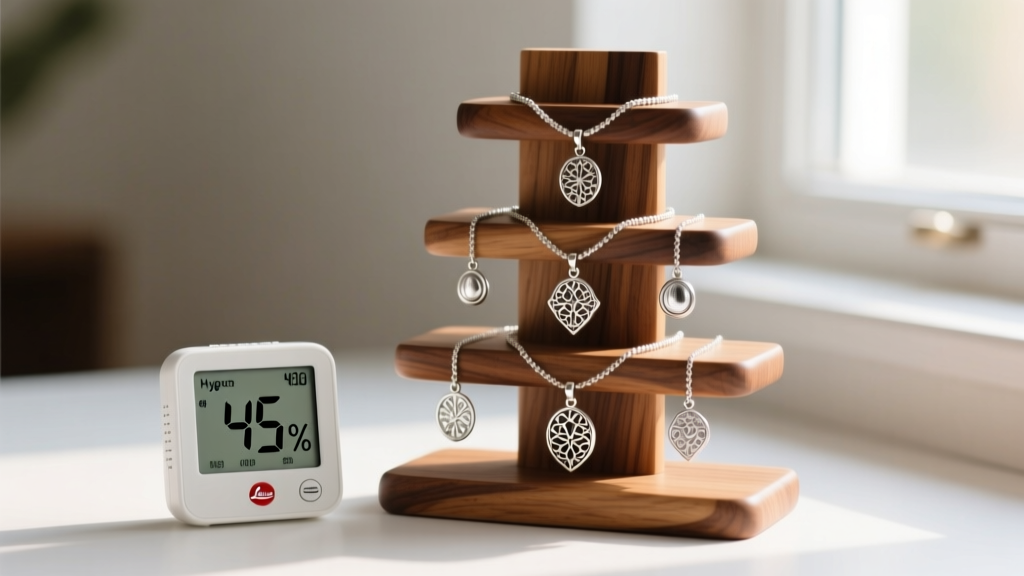
The Smithsonian Institution recommends maintaining a stable relative humidity between 40% and 50% for wooden artifacts. If you live in an arid climate or use central heating during the winter, the RH in your bedroom can drop below 20%, causing the wood to split. Use a digital hygrometer to monitor the room, and employ a humidifier if necessary. Conversely, in high-humidity environments, keep your wooden holder away from bathrooms or exterior windows to prevent warping and mold growth, which can easily transfer to organic jewelry materials like coral or amber.
Troubleshooting Common Wooden Holder Issues
Even with diligent care, wooden displays can encounter issues. Here is how to address them without damaging your jewelry or the stand.
Snagging Chains on Rough Pegs
If a chain catches on a wooden peg, do not pull it. Instead, remove the chain and inspect the peg under a bright light. To repair the snag, use Micro-Mesh sanding pads. Start with 800 grit to level the splinter, then progress through 1200, 1500, and finally 2000 grit to polish the wood to a glass-like finish. Finish by rubbing a tiny amount of carnauba wax into the peg.
Silver Tarnish Transfer from Oak or Cherry
Woods like oak and cherry contain high levels of tannic acid and acetic acid. When exposed to ambient moisture, these woods off-gas acidic vapors that react with the copper in sterling silver, accelerating the formation of silver sulfide (tarnish). If you notice your silver pendants tarnishing rapidly while hanging on an oak stand, the wood's sealant has likely failed. You must strip the pegs and reseal them with a barrier-forming finish like shellac or polyurethane, or line the hanging grooves with acid-free archival felt.
White Water Rings on the Base
If a damp jewelry box or wet hands leave a white ring on a wax or oil-finished base, the moisture is trapped in the finish, not the wood. Gently rub the spot with a soft cloth dipped in a 50/50 mixture of white vinegar and olive oil (used only as a temporary solvent, not a long-term conditioner), wiping with the grain until the cloudiness dissipates. Re-wax the area immediately after.
Conclusion
A wooden necklace holder is an investment in both organization and aesthetic presentation. By identifying your wood type, adhering to a strict, water-conscious cleaning routine, and managing ambient humidity, you ensure that your display remains a safe haven for your jewelry. Regular conditioning not only enhances the natural beauty and chatoyancy of the wood grain but also provides a vital, frictionless barrier that protects your most delicate chains and pendants from unnecessary wear and tear.


