2026 Gift Guide: Finding the Ideal Necklace Puka Shell to Gift
Discover the ultimate 2026 gift guide for buying a necklace puka shell. Learn to spot authentic shells, match occasions, and choose the right cord.


The 2026 Renaissance of the Puka Shell
Once relegated to the realm of 1970s surf culture and 1990s mall kiosks, the puka shell necklace has undergone a massive luxury revival. In 2026, high-end jewelers and boutique coastal brands have reclaimed the puka, transforming it from a cheap souvenir into a sophisticated, organic statement piece. But as demand has surged, so has the market for synthetic imitations. When a buyer searches for a necklace puka shell, they are often met with a sea of punched clam shells and plastic replicas.
Whether you are shopping for a minimalist partner, an outdoorsy sibling, or a fashion-forward friend, gifting a puka shell necklace requires a keen eye for material authenticity, cord durability, and ethical sourcing. This comprehensive guide will help you navigate the technical details of shell grading, hardware selection, and occasion matching to ensure your gift is both meaningful and built to last.
Authenticity Check: Natural Puka vs. Punched Chips
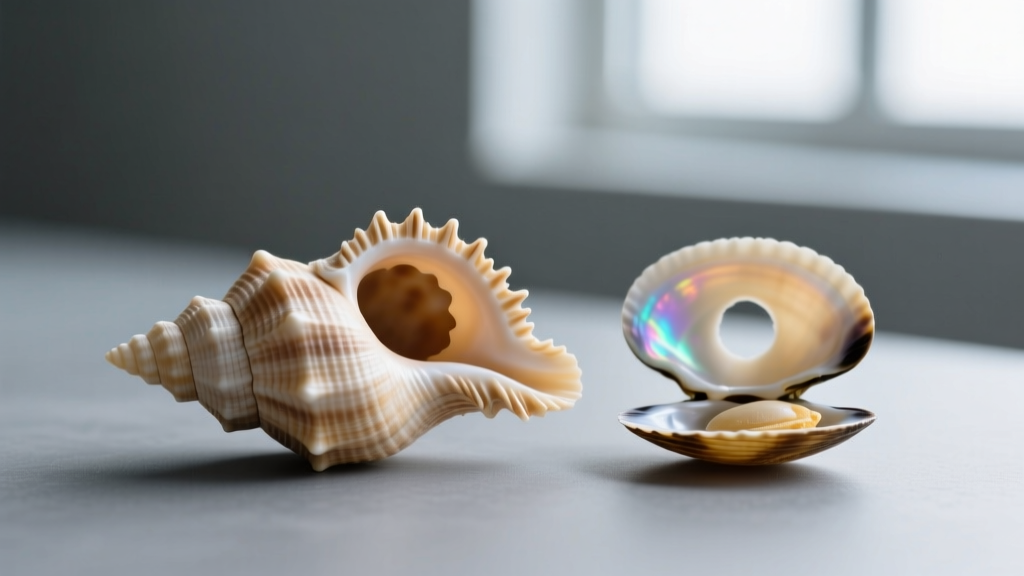
The word puka translates to "hole" in Hawaiian. True puka shells are not manufactured; they are the naturally occurring apexes of cone snails (primarily Conus miliaris or Duplicaria species) that have been tumbled by ocean currents for years. This natural tumbling wears away the tip and base, leaving a distinct, naturally formed hole.
How to Spot the Real Deal
- The Lip and Crater: A genuine puka shell is not perfectly flat. One side of the hole will be slightly wider and more rounded (the crater), while the other side will be narrower (the lip).
- Asymmetry: Because they are shaped by the ocean, no two authentic puka shells are identical. If the shells in the necklace are perfectly uniform in size, thickness, and shape, they are likely machine-cut clam shells or synthetic resin.
- The Sound: Genuine calcium carbonate shells produce a distinct, dense clicking sound when knocked together. Plastic or resin imitations sound hollow and dull.
According to the Gemological Institute of America (GIA), organic gems like shells require careful identification to distinguish natural formation from human alteration. Always ask the jeweler if their shells are "natural cone puka" or "heishi chips" (which are flat, punched discs).
Occasion Matching: Gifting by Persona
A puka shell necklace is incredibly versatile, but the sizing, shell grade, and cord material should be matched to the recipient's lifestyle.
The Coastal Minimalist
The Vibe: Understated elegance, office-appropriate, subtle layering.
The Specs: Look for "micro-puka" or graduated baby puka shells (4mm to 6mm in diameter). These should be strung on a 1mm waxed nylon cord in black, navy, or olive green. Include a 14k gold vermeil or sterling silver sliding clasp or a small geometric pendant (like a gold compass or dagger) to elevate the piece from casual to refined.
The Rugged Outdoorsman
The Vibe: Durable, raw, surf-and-hike ready.
The Specs: Opt for larger, raw, unpolished cone shells (8mm to 12mm). The natural ridges and uneven edges add character. String them on a heavy-duty 1.5mm hemp or braided leather cord. Avoid metal clasps; instead, use a traditional macrame sliding square knot, which won't rust or snap when exposed to saltwater and sweat.
The High-Fashion Layerer
The Vibe: Trend-forward, bohemian luxury, festival-ready.
The Specs: Choose a mix of natural white puka interspersed with turquoise, lapis lazuli, or matte onyx beads. A choker length (15-16 inches) worn tightly against the collarbone pairs beautifully with longer gold chain necklaces. Silk cord offers a beautiful drape and a high-end sheen, though it requires more careful maintenance.
Cord Materials & Hardware: A Buyer's Matrix
The cord is the structural backbone of any puka necklace. Gifting a beautiful shell strung on degrading cotton is a recipe for a lost necklace. Use this matrix to choose the right material based on the recipient's lifestyle.
| Cord Material | Durability & Water Resistance | Best For | Price Impact |
|---|---|---|---|
| Waxed Nylon | Excellent. Waterproof, rot-proof, holds knots tightly. | Daily wear, surfing, swimming. | Base Price |
| Silk | Poor. Degrades in salt water, stretches when wet. | Occasional wear, formal events, dry climates. | +15% to +25% |
| Braided Leather | Moderate. Can rot if not dried properly after swimming. | Rugged aesthetics, winter wear, casual layering. | +10% to +20% |
| Organic Hemp | Moderate. Softens over time, susceptible to fraying. | Eco-conscious recipients, bohemian styles. | Base Price |
| Precious Metal Chain | Excellent (if 14k+ gold or sterling silver). | Luxury gifting, high-fashion layering. | +100% to +300% |
Sizing Guide: Getting the Length Right
Unlike rigid metal chains, puka necklaces often utilize adjustable sliding knots, making gifting much less stressful. However, if you are purchasing a fixed-length piece with a metal clasp, use these standard 2026 sizing guidelines:
- Choker (15" - 16"): Sits tightly at the base of the neck. Best for women's micro-puka styles or high-neckline layering.
- Princess (17" - 19"): Rests on the collarbone. The most versatile length for both men and women, ideal for crew-neck t-shirts and casual button-downs.
- Matinee (20" - 24"): Falls on the upper chest. This is the standard, most comfortable length for men, allowing the shells to rest over a t-shirt without feeling restrictive.
Price Tiers & Ethical Sourcing
The price of a puka shell necklace varies wildly based on the origin of the shells and the hardware used.

Entry-Level ($25 - $60)
At this price point, you are likely looking at "chip" puka (punched clam shells) or smaller, lower-grade cone shells strung on basic nylon. Brands like Miansai occasionally offer entry-level corded styles, though their hardware elevates the price. Ensure the shells are at least genuine calcium carbonate rather than plastic.
Mid-Tier ($75 - $180)
This is the sweet spot for gifting. You will find authentic, hand-sorted natural cone puka shells, often graduated in size, strung on premium waxed cords with sterling silver or 14k gold-filled sliding beads and clasps.
Luxury & Designer ($250 - $800+)
Luxury brands integrate puka shells with solid 18k gold links, diamond accents, or rare, naturally tinted shells. These pieces are treated as fine jewelry rather than casual accessories.
The Ethics of Shell Harvesting
As ocean conservation becomes a priority for modern consumers, ethical sourcing is paramount. The Ocean Conservancy frequently highlights the dangers of destructive dredging practices used to harvest shells in bulk. When buying a premium puka necklace, look for brands that explicitly state their shells are "hand-gathered" or "beach-combed" rather than commercially dredged, ensuring the local marine ecosystems are not destroyed for the sake of jewelry.
Care Instructions to Include with Your Gift
To make your gift truly thoughtful, include a small, handwritten care card. Puka shells are durable, but they are still organic calcium carbonate and can be damaged by harsh chemicals. Advise the recipient to:
- Rinse after swimming: Always rinse the necklace in fresh water after exposure to salt water or chlorinated pools to prevent the cord from degrading and the shells from becoming brittle.
- Avoid sunscreen and oils: Chemical sunscreens and tanning oils can discolor the porous surface of the shells over time. Put the necklace on after applying lotions.
- Store flat: Hanging heavy shell necklaces for long periods can stretch natural fiber cords like silk or hemp. Store them flat in a linen pouch.
Final Thoughts
Gifting a necklace puka shell in 2026 is a nod to timeless coastal heritage, elevated by modern craftsmanship and ethical awareness. By prioritizing natural cone shells, selecting the appropriate cord for the recipient's lifestyle, and ensuring ethical sourcing, you are giving more than just an accessory—you are providing a durable, meaningful artifact of the ocean that will be worn and cherished for years to come.


