Givenchy Pearl Necklace Value: 2026 Budget & Investment Guide
Assessing the true value of a Givenchy pearl necklace in 2026. We compare vintage costume pieces, modern resin, and fine jewelry alternatives.

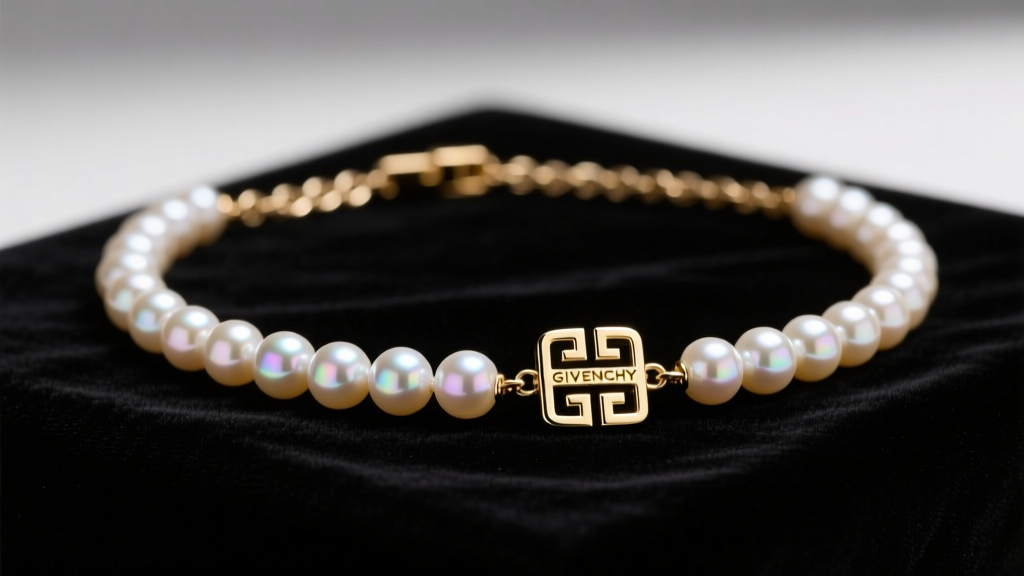
When evaluating luxury jewelry, the intersection of brand heritage and material reality is where savvy collectors find true value. The Givenchy pearl necklace is an iconic silhouette, immortalized by Audrey Hepburn in Breakfast at Tiffany's and continually reimagined on modern runways. However, from a strict budget and investment perspective, buying into this legacy requires a nuanced understanding of what you are actually purchasing. Are you paying for genuine, gemological-grade nacre, or are you investing in a masterclass of high-end costume jewelry?
In this 2026 value assessment, we deconstruct the pricing, materials, and secondary market behavior of Givenchy pearl necklaces to help you determine if the brand premium aligns with your financial and aesthetic goals.
The Material Reality: Faux vs. Fine Pearls in Givenchy's Archives
To accurately assess value, we must first address the elephant in the room: the vast majority of Givenchy pearl necklaces—both vintage and contemporary—are not made of genuine saltwater or freshwater pearls. Hubert de Givenchy was a master of haute couture and elevated costume jewelry. He frequently utilized high-quality glass pearls, often sourced from renowned European manufacturers like Majorica or specialized German glassmakers, to create bold, flawless, and uniform statement pieces that genuine pearls could rarely match in size or perfect spherical consistency.
The Tooth Test and Nacre Realities
Genuine pearls, whether Akoya, Tahitian, or Freshwater, possess microscopic crystalline structures that feel slightly gritty or 'sandy' when rubbed gently against the edge of your front teeth. Vintage Givenchy glass pearls, coated in a pearlescent lacquer derived from fish scales (essence d'orient) or modern synthetic equivalents, will feel perfectly smooth. According to the Gemological Institute of America (GIA), the value of a genuine pearl is intrinsically tied to its nacre thickness, luster, and surface blemishes. Because Givenchy's fashion lines bypass these natural constraints, they offer visual perfection at the cost of gemological rarity.
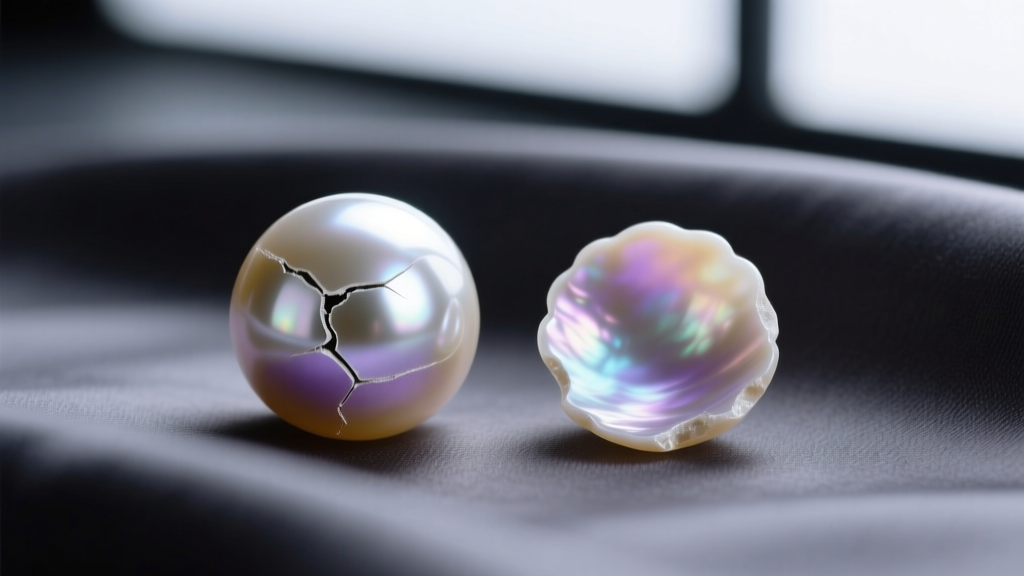
While glass pearls are inherently less valuable in terms of raw materials, the craftsmanship of vintage Givenchy costume jewelry commands a distinct collector's premium. The weight of the glass, the quality of the gold-tone brass plating, and the hand-knotting techniques used in the mid-century pieces elevate them far above modern fast-fashion imitations.
2026 Market Pricing: What You Will Actually Pay
The secondary market for luxury goods has matured significantly. Platforms like The RealReal and Vestiaire Collective have established clear pricing tiers for Givenchy necklaces based on era, material, and condition. Below is a breakdown of what you can expect to pay in 2026.
| Category & Era | Material Composition | Original Retail (Approx.) | 2026 Secondary Market Value |
|---|---|---|---|
| Vintage Costume (1960s-1980s) | Coated Glass, Gold-Plated Brass | $100 - $350 | $250 - $750 |
| Modern Fashion (2010s-Present) | Resin, Acrylic, Faux Leather | $250 - $650 | $80 - $220 |
| Runway / Avant-Garde (1990s-2000s) | Mixed Media, Glass, Crystal | $400 - $900 | $600 - $1,500+ |
| Fine / High Jewelry (Rare) | Akoya/South Sea Pearls, 18k Gold | $4,000+ | $2,500 - $5,000+ |
The Depreciation Curve of Modern Resin
A critical budget warning for modern buyers: contemporary Givenchy fashion jewelry often utilizes lightweight resin or acrylic pearls set in brass with modern logo hardware. Unlike the heavy glass pearls of the 1980s, these modern pieces suffer steep depreciation. A necklace purchased at a luxury boutique for $450 today will likely resell for under $150 the moment it leaves the store. If your goal is long-term value retention, modern resin pieces should be viewed strictly as a sunk cost for aesthetic enjoyment, not an investment.
Decoding Hallmarks: Authentication and Dating
When allocating a budget toward vintage Givenchy, authentication is paramount. The secondary market is flooded with sophisticated counterfeits. Understanding the brand's hallmark evolution is your best defense and a key indicator of value.
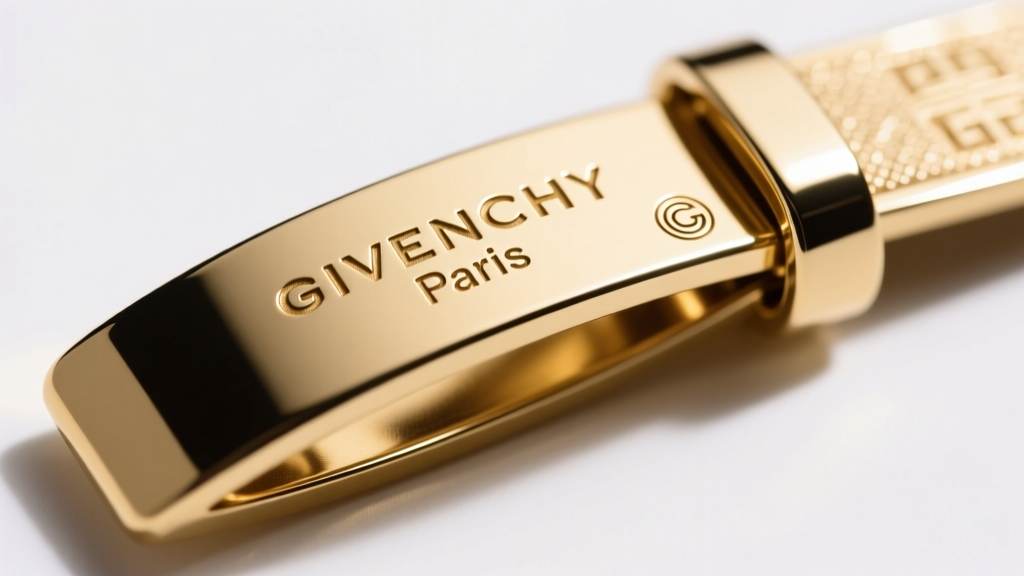
- The Copyright Symbol (©): Introduced around 1955, the presence of the © symbol next to 'Givenchy' helps date pieces to the mid-century and beyond.
- 'Givenchy Paris': Often accompanied by 'Made in France' or 'Made in Italy'. Note that some highly collectible 1970s pieces were manufactured under license in the USA and will bear 'Made in USA' tags—these are genuine but sometimes fetch slightly less than their French counterparts.
- The Four G's Motif: While more common in the 1980s and 1990s hardware, the interlocking four-G logo on the clasp is a frequent target for counterfeiters. Genuine clasps should feel heavy, with crisp, clean casting lines and no visible mold seams.
Expert Tip: Always inspect the stringing. Authentic vintage Givenchy pearl necklaces featuring glass pearls are frequently hand-knotted with high-quality silk or nylon thread, and the knots will be tight and uniform. Counterfeiters often use cheap cotton thread with loose, uneven spacing, or skip knotting entirely to cut manufacturing costs.
Value Assessment: Is the Brand Premium Justified?
Whether a Givenchy pearl necklace is 'worth it' depends entirely on your definition of value. We can divide buyers into two distinct camps:
1. The Archival Collector (High ROI Potential)
If you are hunting for 1960s to 1980s pieces featuring the classic Hubert de Givenchy aesthetic—heavy glass pearls, intricate gold-tone filigree, and impeccable provenance—the brand premium is justified. These pieces are wearable art. Their value has steadily appreciated over the last decade as the supply of well-maintained vintage costume jewelry shrinks. Budgeting $400 to $800 for a pristine, authenticated vintage choker is a sound allocation of funds, as you can reasonably expect to recoup 80% to 110% of your investment if you decide to sell later.
2. The Trend-Driven Consumer (Low ROI Potential)
If you are buying a brand-new Givenchy logo-plaque pearl necklace from a 2025 or 2026 collection, you are paying a 70% markup for the retail experience, marketing, and the current season's trend cycle. The cost-per-wear might make sense if you plan to wear it weekly, but from a strict financial perspective, the asset loses its liquidity and value immediately. For these buyers, the 'value' is purely emotional and sartorial.
Smart Alternatives for the Budget-Conscious Collector
If your budget is fixed but you desire either the look of Givenchy or the material quality of genuine pearls, consider these strategic pivots:
- For the Material Purist: Redirect a $500 budget away from modern Givenchy resin and toward a vintage Mikimoto or Tasaki Akoya pearl strand. You will sacrifice the bold fashion logo, but you will gain genuine, gemological-grade nacre that holds intrinsic, globally recognized value.
- For the Costume Aficionado: If you love the heavy, golden-era faux pearl aesthetic but find Givenchy's vintage prices creeping too high, explore vintage Trifari (specifically the Alfred Philippe designs) or Dior costume jewelry from the 1990s. They offer identical glass-pearl luxury and historical weight, often at a 20% to 30% lower entry point than comparable Givenchy pieces.
- For the Modern Minimalist: Brands like Missoma or Monica Vinader offer demi-fine freshwater pearl necklaces with gold vermeil hardware in the $150–$250 range, providing genuine organic materials without the steep luxury fashion tax.
Final Verdict
A Givenchy pearl necklace remains a triumph of design and a staple of elegant styling. However, as a financial asset, it requires careful navigation. The true value lies hidden in the archives: heavy, glass-pearl costume pieces from the mid-to-late 20th century that have transcended their 'faux' origins to become highly sought-after collectibles. Approach modern, lightweight resin iterations with caution, viewing them as fleeting fashion expenses rather than enduring investments. By understanding the material realities and secondary market trends of 2026, you can wear the legendary four-G logo with both impeccable style and financial confidence.


