How to Clean and Maintain a Delicate Gold Cactus Necklace
Learn expert techniques to clean, polish, and store your gold cactus necklace. Protect delicate spines, enamel, and karat gold from daily damage.

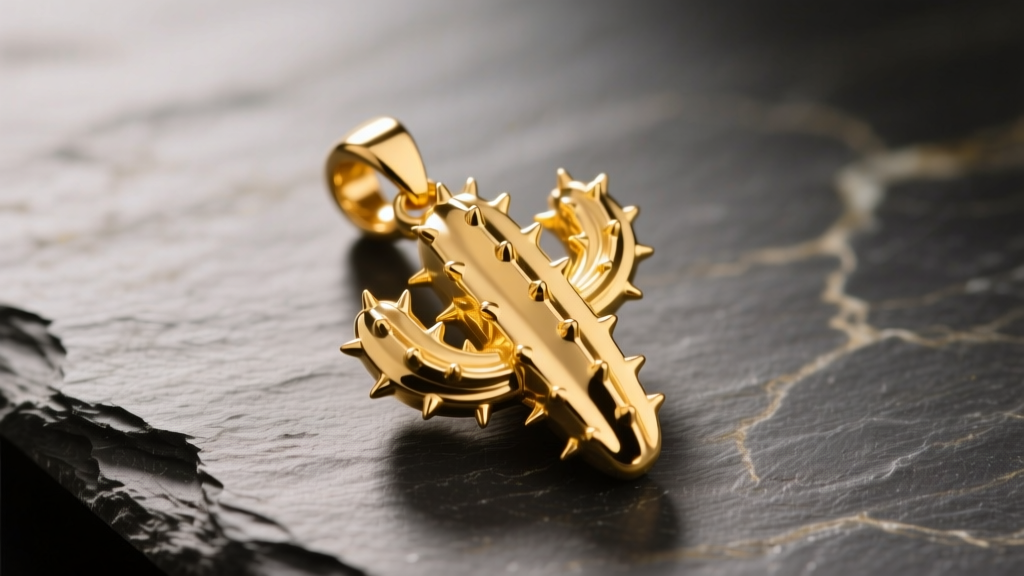
Desert-inspired jewelry has cemented its place in modern collections, but owning a gold cactus necklace comes with unique metallurgical and structural challenges. Unlike smooth geometric pendants or simple solitaire drops, a cactus motif features intricate ridges, protruding spines, and often delicate enamel or micro-pave gemstone accents. These design elements create microscopic crevices that trap sebum, cosmetic residues, and environmental dust, while the protruding spines are highly susceptible to mechanical deformation.
Proper care is not just about maintaining the gold’s luster; it is about preserving the structural integrity of the pendant and its chain. This comprehensive guide provides actionable, expert-level maintenance protocols to ensure your desert-themed jewelry remains pristine for decades.
The Structural Vulnerability of Desert Motifs
Before applying any cleaning solution, you must understand the specific alloy and construction of your necklace. According to the Gemological Institute of America (GIA), the durability of gold jewelry is directly tied to its karat weight and the specific alloy metals used.
- 14k Gold (58.3% pure gold): This is the ideal standard for a gold cactus necklace. The higher percentage of alloy metals (like copper, silver, and zinc) increases the Vickers hardness, making the tiny, protruding cactus spines far more resistant to bending and snapping when caught on clothing.
- 18k Gold (75% pure gold): While offering a richer, warmer yellow hue, 18k gold is significantly softer. Cactus spines cast in 18k gold are prone to warping under minimal lateral pressure.
- Enamel and Gemstone Accents: Many cactus pendants utilize green vitreous enamel or micro-prong-set peridot and emerald accents to mimic the desert flora. These materials dictate your cleaning limitations, as harsh chemicals can strip enamel and fracture-filled gemstones.
Step-by-Step Cleaning Protocol
Forget generic jewelry dips and abrasive pastes. Cleaning a textured gold cactus necklace requires a gentle, targeted approach to dislodge debris from deep ridges without stressing the metal.
1. The Soak and Soften
Fill a small glass bowl with distilled water (tap water contains chlorine and minerals that can leave micro-deposits on the gold). Add three drops of a phosphate-free, mild dish soap. Submerge the necklace and let it soak for exactly five to seven minutes. This softens hardened sebum and lotion trapped in the cactus ridges. Note: If your pendant features cold enamel or glued-in turquoise accents, skip the soak and proceed directly to surface wiping to prevent adhesive degradation.
2. Targeted Agitation
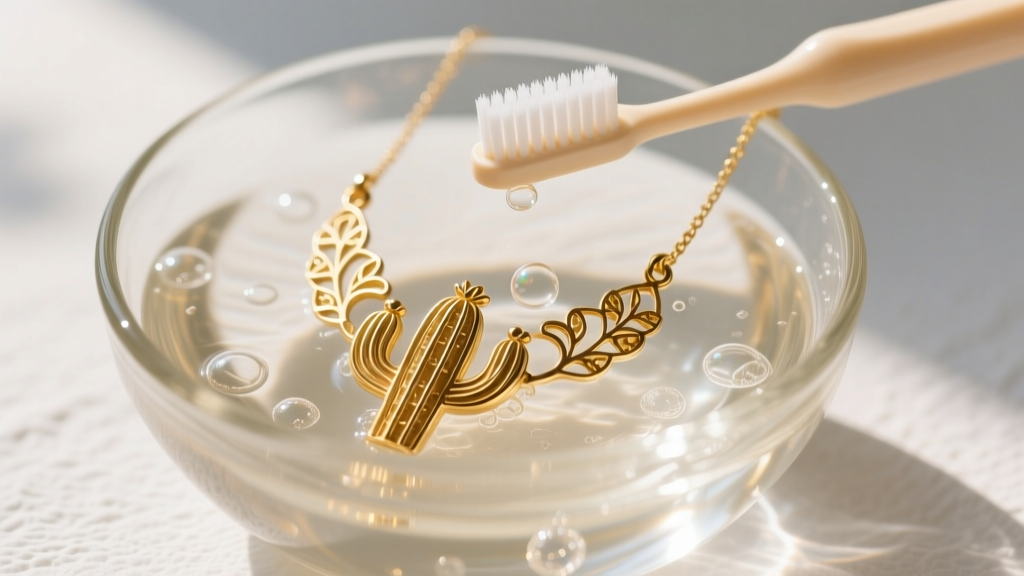
Use an extra-soft baby toothbrush or a specialized jewelry cleaning brush with ultra-fine bristles. Brush the pendant using downward strokes, moving in the same direction as the cactus spines. Never scrub in circular motions or brush upward against the spines, as this can catch the bristles and bend the delicate gold tips.
3. The Chain Flush
The chain of your gold cactus necklace—often a delicate cable or box chain—accumulates dead skin cells and neck oils between its tiny links. Gently pull the chain through the soapy water between your thumb and index finger, applying mild friction to squeeze the suds through the links.
4. Rinsing and Drying
Rinse the entire piece under a gentle stream of lukewarm distilled water. Do not use paper towels to dry the necklace, as the wood fibers will snag on the cactus spines and leave microscopic lint behind. Instead, pat the piece dry with a lint-free microfiber cloth and use a hair dryer on the 'cool' setting to blow water out of the deep crevices.
The Dangers of Ultrasonic and Steam Cleaners
While ultrasonic cleaners are excellent for plain diamond solitaires, they are highly dangerous for a gold cactus necklace. The high-frequency acoustic cavitation bubbles generated by ultrasonic machines can easily shatter vitreous enamel, loosen micro-pave gemstones, and even snap the thinnest gold spines. Similarly, steam cleaners can force moisture into microscopic pores of the metal or cause thermal shock to any included gemstones. Stick to the manual soaking and brushing method outlined above.
Polishing and Restoring the Finish
Over time, the high-polish ridges of your cactus pendant will develop micro-scratches, while the recessed areas may retain a matte or oxidized finish to highlight the texture.
To restore the shine without ruining the contrast, use a treated jeweler’s cloth (such as a Sunshine cloth). Wrap the cloth tightly around your index finger and gently rub only the raised, high-polish ridges of the cactus. Avoid pressing the cloth into the deep grooves or aggressively rubbing the spines. The Federal Trade Commission (FTC) warns against using liquid silver or gold dips, as these chemical baths strip away microscopic layers of metal and can permanently cloud any enamel or porous stones integrated into the design.
Proper Storage Solutions to Prevent Snagging
How you store your necklace is just as critical as how you clean it. The protruding spines of a cactus pendant act like tiny hooks. If tossed into a communal jewelry box, these spines will inevitably tangle with other chains, resulting in bent spines or broken links.

- Individual Pouches: Always store the necklace in its own soft flannel or microfiber pouch.
- Anti-Tarnish Strips: If your necklace is 14k or 10k gold, the copper and silver alloys are susceptible to sulfide tarnishing. Place a 3M anti-tarnish strip inside the storage pouch to absorb airborne sulfur compounds.
- Flat vs. Hanging: If the chain is a delicate box or snake chain, store it laid flat to prevent kinking. If it is a standard cable chain, hanging it from a padded hook prevents tangles while keeping the pendant suspended safely away from other items.
Troubleshooting Common Cactus Necklace Issues
Even with meticulous care, wearable art is subject to the physics of daily life. Below is a diagnostic guide for common issues specific to desert-motif jewelry.
| Issue | Primary Cause | Expert Solution |
|---|---|---|
| Bent or Warped Spine | Snagging on knitwear or towels | Use nylon-jaw pliers to gently bend the spine back into alignment. Never use bare metal pliers, which will gouge the gold. |
| Cloudy or Peeling Enamel | Exposure to alcohol, acetone, or ultrasonic waves | Stop wearing the piece. Enamel cannot be polished; it must be professionally re-fired or replaced by a specialist. |
| Dull, Darkened Recesses | Oxidation of copper alloys trapped in deep grooves | Apply a tiny drop of mild soap with a wooden toothpick to the groove, agitate gently, and rinse. Avoid harsh chemical dips. |
| Loose Micro-Pave Gemstone | Impact or prong wear from daily friction | Immediately place the necklace in a sealed plastic bag to prevent stone loss and take it to a bench jeweler for laser retipping. |
Professional Maintenance Schedule
While your at-home cleaning protocol will handle weekly maintenance, a gold cactus necklace requires professional attention once every 12 to 18 months. A certified bench jeweler will inspect the bail (the loop connecting the pendant to the chain) for thinning caused by chain friction. They will also check the structural integrity of the thinnest spines under magnification, looking for stress fractures that could lead to metal fatigue and breakage. By combining mindful daily wear, precise cleaning techniques, and scheduled professional inspections, your gold cactus necklace will retain its intricate desert beauty and structural perfection for a lifetime.


