Neil Lane Pearl Necklace: Pearl & Metal Material Guide
Discover the materials behind a Neil Lane pearl necklace. Compare Akoya, Freshwater, and South Sea pearls, plus gold and silver settings.

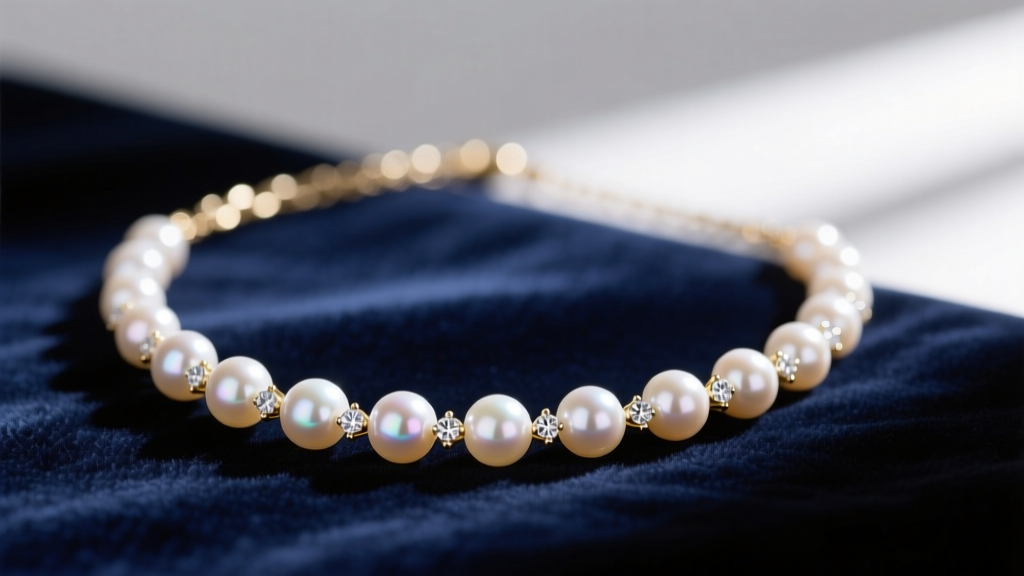
When investing in designer jewelry, understanding the raw materials is just as critical as appreciating the aesthetic design. The Neil Lane pearl necklace has become a staple in bridal and fine jewelry collections, celebrated for its vintage-inspired motifs, intricate milgrain detailing, and accessible luxury positioning. However, because Neil Lane collections are primarily distributed through major retail partners like Kay Jewelers and Jared, the specific pearl types and metal alloys can vary drastically across different price tiers.
In this comprehensive 2026 material guide, we dissect the exact gemological and metallurgical properties of Neil Lane pearl necklaces. Whether you are evaluating a diamond-accented pendant or a classic cultured strand, understanding nacre thickness, nucleation methods, and precious metal stamps will ensure you make an informed, value-driven purchase.
The Anatomy of a Neil Lane Pearl Necklace
Neil Lane jewelry is characterized by its romantic, vintage-revival aesthetics. When pearls are incorporated into these designs, they are typically used as centerpieces in pendants, surrounded by halos of melee diamonds, or featured in delicate station necklaces. The brand does not exclusively source one single type of pearl; rather, the pearl variety is matched to the collection's price point and intended use. To accurately assess a Neil Lane pearl necklace, you must evaluate two distinct material categories: the organic gemstone (the pearl) and the precious metal setting.
Pearl Varieties: What Cultured Stones Does Neil Lane Use?
The Gemological Institute of America (GIA) classifies cultured pearls into distinct categories based on their mollusk host and cultivation environment. Neil Lane primarily utilizes Freshwater and Akoya cultured pearls, reserving South Sea and Tahitian pearls for exclusive, high-ticket capsule collections.
Freshwater Cultured Pearls: The Accessible Elegance
Found in Neil Lane's entry-level and fashion-forward collections, Freshwater pearls are cultivated in mussels within lakes and rivers, primarily in China. Unlike saltwater pearls, Freshwater pearls are typically tissue-nucleated, meaning they are composed of nearly 100% solid nacre. This makes them incredibly durable and resistant to chipping. However, their luster is generally softer and more satiny compared to the mirror-like shine of saltwater varieties. In Neil Lane pendants, you will frequently see near-round or button-shaped Freshwater pearls ranging from 6mm to 9mm, often treated with subtle bleaching or pinking to achieve a uniform white or peach hue.
Akoya Cultured Pearls: The Classic Bridal Standard
For Neil Lane's core bridal and fine jewelry lines, the Akoya pearl is the standard. Cultivated in saltwater environments off the coasts of Japan and China, Akoya pearls are bead-nucleated. A perfectly round mother-of-pearl bead is inserted into the oyster, and the mollusk secretes layers of nacre over it. Akoya pearls are prized for their sharp, mirror-like luster and rose or cream overtones. A typical Neil Lane Akoya pendant will feature a stone between 6.5mm and 8.5mm. Because the nacre layer on an Akoya pearl is relatively thin (usually 0.3mm to 0.5mm), they require more careful handling than solid-nacre Freshwater pearls.
South Sea & Tahitian: The High-Tier Exceptions
While rare in standard mall-retail displays, Neil Lane occasionally releases premium collections featuring White South Sea or Tahitian pearls. These saltwater giants range from 9mm to 14mm and possess thick nacre layers (2mm to 4mm). South Sea pearls offer a luxurious, satin-silver glow, while Tahitians provide exotic peacock and aubergine overtones. If a Neil Lane pearl necklace features these varieties, the price point will typically exceed $3,000.
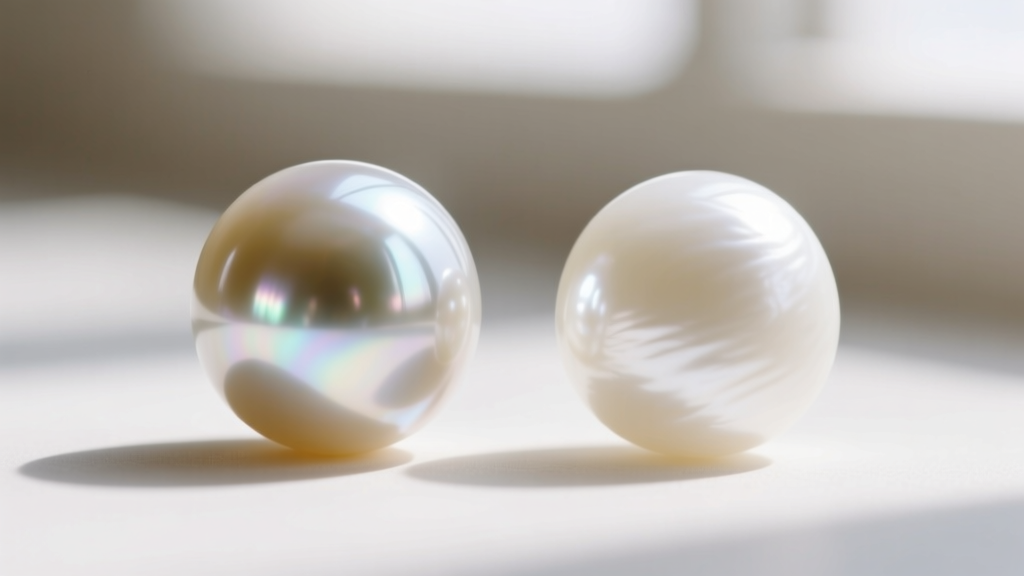
Material Data: Pearl Types in Designer Collections
| Pearl Type | Nucleation | Avg Nacre Thickness | Luster Profile | Typical Neil Lane Price Range (2026) |
|---|---|---|---|---|
| Freshwater | Tissue | Solid (100% Nacre) | Soft, Satiny, Diffused | $250 - $800 |
| Akoya | Bead | 0.3mm - 0.5mm | Sharp, Mirror-Like | $850 - $2,500 |
| South Sea | Bead | 2.0mm - 4.0mm | Deep, Luxurious Satin | $3,500 - $8,000+ |
Metal Settings: Gold vs. Rhodium-Plated Sterling Silver
The longevity and skin-compatibility of your Neil Lane pearl necklace depend heavily on the metal setting. The brand utilizes specific alloys to balance durability, color, and cost.
14k Gold (White, Yellow, and Rose)
Premium Neil Lane pearl pendants are predominantly set in 14k gold. Stamped '14k' or '585', this alloy contains 58.5% pure gold, mixed with copper, silver, and zinc for structural integrity. Pure 24k gold is too soft to securely hold the prongs of a diamond-accented pearl pendant. White gold is heavily favored in Neil Lane's vintage designs to complement the cool overtones of Akoya pearls. It is important to note that 14k white gold is naturally slightly yellowish; it is plated with rhodium (a platinum-group metal) to achieve a bright white finish. Over 3 to 5 years of daily wear, this rhodium layer (typically 0.1 to 0.5 microns thick) will wear off, requiring a professional re-plating.
Sterling Silver (925)
For more accessible, fashion-oriented pearl necklaces, Neil Lane utilizes Sterling Silver, stamped '925'. This alloy is 92.5% pure silver and 7.5% copper. The copper addition provides necessary hardness but introduces a critical failure mode: oxidation. When exposed to sulfur in the air and human perspiration, the copper reacts, causing tarnish. To combat this, Neil Lane silver pearl necklaces are heavily rhodium-plated. While this mimics the look of white gold and delays tarnishing, once the plating breaches, the silver beneath will require frequent polishing with a non-abrasive jeweler's cloth.
Nacre Thickness and Luster Grading in Designer Pearls
When evaluating a Neil Lane pearl necklace in person, do not rely solely on the price tag to determine pearl quality. The GIA Pearl Value Factors dictate that luster is the most critical quality indicator. Luster refers to the sharpness and intensity of light reflecting off the pearl's surface and back through the nacre layers.
To inspect the nacre quality, examine the drill hole of the pearl under a 10x jeweler's loupe. In bead-nucleated Akoya pearls, you should see a distinct boundary line where the nacre meets the inner mother-of-pearl bead. If the nacre appears chalky, dull, or if you can see the bead through the surface (a condition known as 'blinking'), the pearl has been harvested prematurely. Neil Lane's quality control generally prevents severely under-nacred pearls from reaching their bridal showcases, but variations in luster grading (from 'Good' to 'Excellent') will exist across different retail batches.

Neil Lane vs. Independent Jewelers: A Material Value Comparison
Understanding the material properties of a Neil Lane pearl necklace requires contextualizing its market position. Neil Lane operates within the Signet Jewelers ecosystem, meaning you are paying for brand heritage, extensive retail warranties, and the convenience of nationwide physical stores.
- The Neil Lane Advantage: You receive a guaranteed level of craftsmanship, standardized diamond melee quality (typically I1-I2 clarity, G-H color in accent stones), and robust after-sales service, including free cleanings and structural inspections.
- The Independent Alternative: If your primary focus is purely on the pearl material rather than the diamond-accented designer setting, specialized pearl jewelers (like Mikimoto or direct-to-consumer pearl farms) will offer higher-grade Akoya pearls (e.g., Hanadama certified with 0.6mm+ nacre) for the same price point, though usually in simpler, less ornate settings.
Care and Material Degradation: Preventing Nacre Peeling
Pearls are organic gems with a Mohs hardness of just 2.5 to 3.0, making them highly susceptible to scratching and chemical degradation. To preserve the materials of your Neil Lane pearl necklace, adhere to these strict protocols:
- The 'Last On, First Off' Rule: Pearls are highly porous. Hairspray, perfumes, and cosmetics contain alcohols and acids that will slowly dissolve the calcium carbonate nacre, stripping the pearl of its luster and causing it to yellow.
- Avoid Ultrasonic Cleaners: While ultrasonic cleaners are safe for the 14k gold and diamond accents on your necklace, the high-frequency vibrations will shatter the nacre layers of a cultured pearl, especially if there are microscopic surface blemishes.
- Silk Thread Maintenance: If you purchase a Neil Lane pearl strand (rather than a single pendant), it should be strung on pure silk thread with individual knots between each pearl. Body oils and friction will degrade silk over time. Have the strand professionally restrung every 2 to 3 years to prevent catastrophic snapping.
Final Verdict: Choosing Your Ideal Material Combination
A Neil Lane pearl necklace represents a beautiful intersection of vintage design and modern accessibility. If you are purchasing for daily wear and prioritize durability, seek out Neil Lane pendants featuring Freshwater pearls set in 14k yellow or rose gold, as the solid nacre resists chipping and the colored gold requires no rhodium maintenance. For bridal events and heirloom gifting, the sharp, mirror-like luster of an Akoya pearl in a 14k white gold diamond halo remains an unmatched, timeless choice. Always inspect the pearl's surface for clean, blemish-free nacre, and verify the metal stamp to ensure you are getting the exact material properties you are paying for.


