Troubleshooting Kinks and Breaks in Wire Necklace Beads
Learn how to troubleshoot and fix common issues with wire necklace beads, including kinks, crimp failures, and bead abrasion, using expert jeweler techniques.

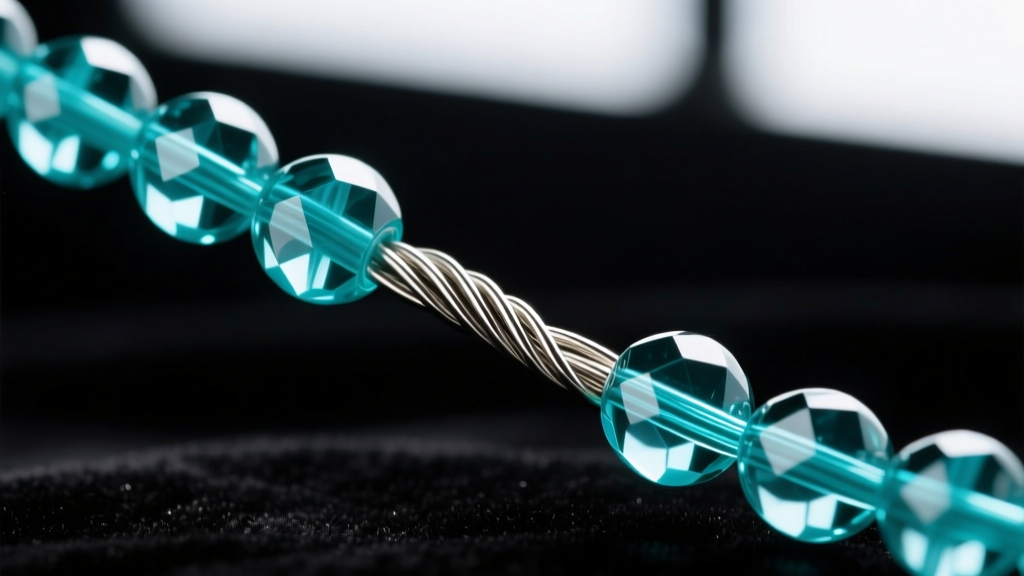
Creating and maintaining wire necklace beads requires a delicate balance of tension, material science, and mechanical precision. Whether you are stringing heavy gemstones, delicate pearls, or abrasive glass beads, the structural integrity of your piece relies entirely on the wire core and its termination points. In 2026, modern micro-braided stainless steel wires and specialized memory alloys have revolutionized jewelry making, yet mechanical failures like kinking, internal abrasion, and crimp slippage remain the most common frustrations for both hobbyists and professional jewelers.
This comprehensive troubleshooting guide dives deep into the specific failure modes of wire-strung necklaces. We will explore exact gauge tolerances, specialized tooling, and actionable repair techniques to salvage broken pieces and prevent future structural fatigue.
Understanding Wire Gauge and Strand Count
Before diagnosing a break or kink, you must understand the anatomy of your wire. Modern beading wire is not a single solid thread; it is a micro-braided cable of stainless steel strands coated in nylon. According to industry standards from Soft Flex Company, the drape, flexibility, and kink-resistance of wire necklace beads are dictated by the strand count and the overall diameter.
- 7-Strand Wire: The most economical but least flexible. Prone to permanent kinking if bent sharply. Best for rigid, structured collars.
- 19-Strand Wire: A mid-tier option offering a balance of drape and durability. Suitable for standard glass and crystal beads.
- 49-Strand Wire: The professional standard. The high strand count mimics the drape of silk thread while providing the tensile strength of steel. Highly resistant to kinking and memory fatigue.
Diameter selection is equally critical. Use 0.010-inch to 0.013-inch wire for lightweight seed beads and freshwater pearls. For standard gemstones and glass, 0.015-inch to 0.018-inch is the industry sweet spot. Heavy stones like jasper or large lampwork beads require 0.024-inch wire to prevent catastrophic tensile failure.
Troubleshooting Issue #1: Wire Kinking and Memory Fatigue
A kink occurs when the nylon-coated steel cable is bent past its yield point, causing the internal steel strands to warp and the outer nylon coating to whiten or fracture. This frequently happens during the stringing process or when a necklace is stored improperly in a tangled jewelry box.
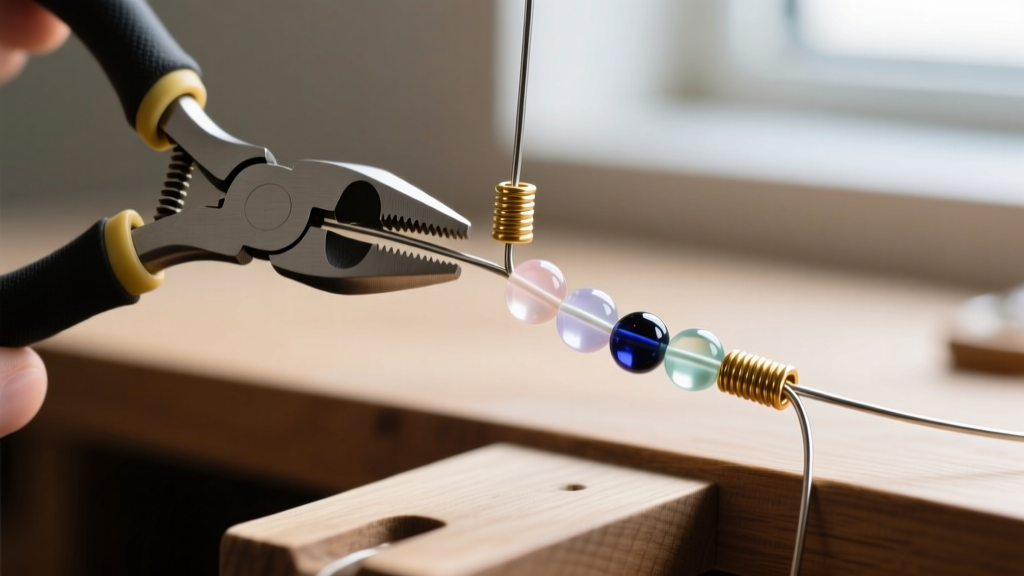
How to Fix a Kinked Wire
Never use standard metal chain-nose pliers to pull a kink straight; the hardened steel teeth will bite into the nylon coating and sever the internal micro-strands. Instead, use nylon jaw pliers. Grip the wire firmly on both sides of the kink and apply gentle, sustained pressure while pulling the wire through the nylon jaws. The friction and pressure will coax the steel strands back into alignment without damaging the coating.
For severe memory fatigue where the wire has taken on a permanent coil, jewelers sometimes use a localized steam treatment. Passing the kinked section briefly through steam from a jewelry steamer softens the nylon coating just enough to allow the steel core to relax when pulled taut. However, if the nylon coating shows visible micro-cracks (a white, cloudy appearance), the wire is structurally compromised and must be replaced to prevent future snapping.
Troubleshooting Issue #2: Internal Bead Abrasion and Snapping
If your wire necklace beads are mysteriously snapping near the clasp or in the center of the strand, the culprit is likely internal abrasion. Many natural gemstones (like quartz, agate, and turquoise) and mass-produced glass beads have sharp, unpolished holes. Over time, the microscopic edges act like tiny saw blades, slowly cutting through the nylon and steel strands as the necklace flexes against the wearer's collarbone.
Preventative and Corrective Solutions
To solve this, you must address the bead holes before stringing. Use a diamond-coated bead reamer to gently grind away the sharp inner edges of the stone. Lubricate the reamer with water to prevent inhaling hazardous silica dust and to keep the diamond grit from clogging.
For beads that cannot be reamed, or for high-tension areas near the clasp, incorporate French wire (gimp) or specialized polymer wire guards. A wire guard is a tiny, U-shaped piece of sterling silver or gold-filled wire that the beading wire threads through. It creates a smooth, metal-on-metal pivot point at the clasp, completely eliminating the sharp bend radius that causes friction-based snapping.
Troubleshooting Issue #3: Crimp Tube Failures and Clasp Slippage
The termination point is the most vulnerable area of any wire-strung necklace. A crimp tube that fails to hold will result in the immediate loss of the strand. According to master jewelers featured in Interweave Jewelry Making, 90% of crimp failures are caused by mismatching the crimp tube size to the wire gauge, or using improper crimping tools.
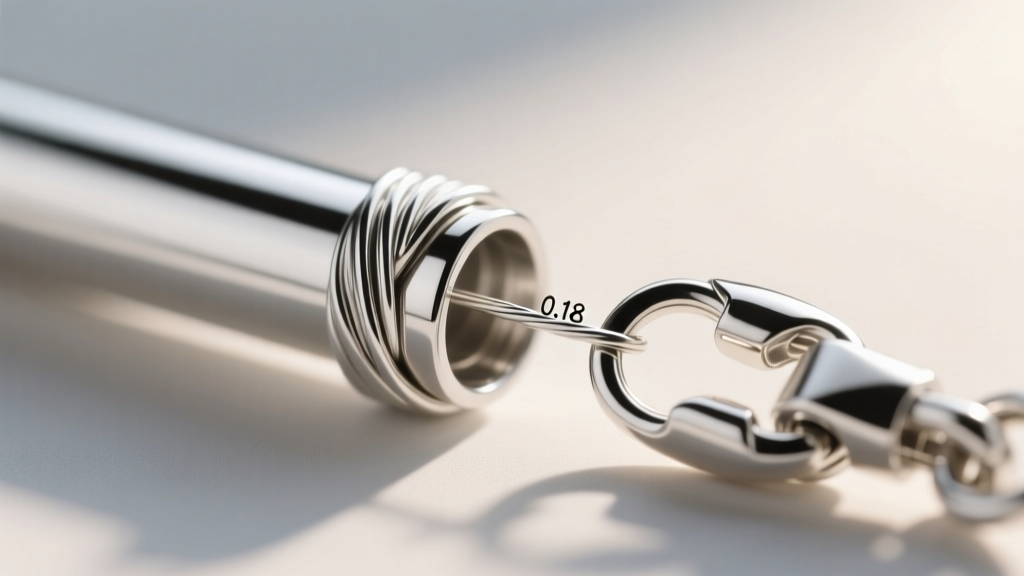
The Crimp Sizing Matrix
Using a crimp tube that is too large will result in the wire slipping out when tension is applied. Using one that is too small will prevent you from folding the metal properly, leading to sharp edges that cut the wire. Refer to the matrix below for exact pairings:
| Wire Diameter | Recommended Crimp Tube Size | Best Plier Type | Recommended Material |
|---|---|---|---|
| 0.010" - 0.013" | 1.0mm x 1.0mm | Micro-Crimper | Sterling Silver (Soft) |
| 0.015" - 0.018" | 1.5mm x 1.5mm or 2.0mm x 2.0mm | Standard Crimper or Magic Crimp Pliers | Sterling Silver or Gold-Filled |
| 0.024" - 0.036" | 2.0mm x 2.0mm or 2.3mm x 2.3mm | Heavy-Duty Crimper | Copper or Base Metal (for grip) |
Pro-Tip for Heavy Strands: When stringing heavy gemstone beads on 0.024-inch wire, always use two 2.0mm crimp tubes spaced an eighth of an inch apart instead of one massive tube. The dual-crimp method distributes the sheer force across a wider surface area, virtually eliminating clasp slippage.
Advanced Diagnostic Checklist for Vintage and Antique Restringing
When repairing vintage wire necklace beads, you are often dealing with outdated materials. Early 2000s 'tiger tail' (7-strand wire) degrades rapidly and becomes brittle. If you are restoring an older piece, do not attempt to salvage the original wire. Carefully snip the crimps, remove the beads, and restring the piece using a modern 49-strand micro-braided wire.
Furthermore, inspect the clasps on older pieces. Base metal lobster clasps from the late 90s and early 2000s often suffer from spring fatigue, where the internal spring loses tension and the gate fails to close securely. Always upgrade the clasp to a high-quality, stamped sterling silver or 14k gold-filled lobster clasp during the restringing process to ensure the mechanical hardware matches the longevity of your new wire.
Preventative Maintenance for Longevity
Troubleshooting is only half the battle; proper maintenance ensures your wire necklace beads remain intact for decades. Follow these strict storage and care protocols:
- The Flat Storage Rule: Never hang heavy gemstone necklaces on a jewelry tree. The constant downward pull of gravity creates continuous tension on the crimp tubes and stretches the wire over time. Store them flat in a lined jewelry box.
- Chemical Avoidance: While the stainless steel core is rust-proof, the nylon coating is susceptible to degradation from prolonged exposure to chlorinated pool water, harsh perfumes, and sulfur. Always advise clients to put their jewelry on after applying cosmetics and fragrances.
- Annual Tension Checks: Once a year, gently pull the wire near the crimp tube. If you see more than a millimeter of exposed wire between the crimp and the first bead, the wire has stretched or the crimp has slipped. It is time to restring before a catastrophic break occurs.
By understanding the metallurgy of your wire, respecting the abrasion limits of your beads, and executing mathematically precise crimps, you can eliminate the most common points of failure in wire-strung jewelry. For premium jewelry supplies, including precision crimpers and diamond reamers, consult trusted industry suppliers like Rio Grande to ensure your tools meet professional bench standards.


