The Ultimate Garnet Necklace for Women: Material & Gemstone Guide
Discover how to choose the ideal garnet necklace for women. Compare Tsavorite, Demantoid, and Almandine properties, metals, and pricing in our expert guide.

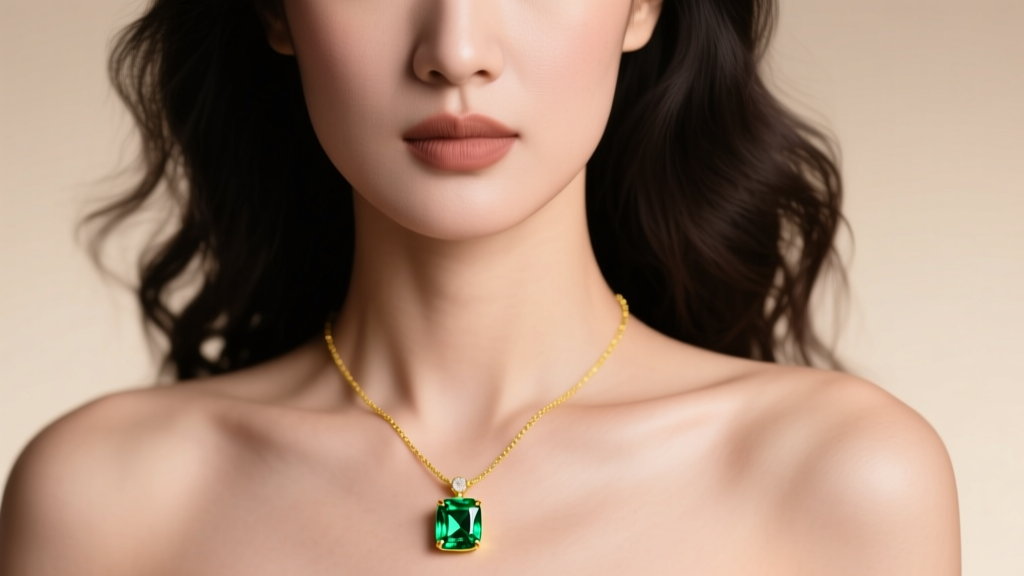
The Mineralogy of Garnet: Beyond the Classic Red
When most shoppers begin searching for a garnet necklace for women, they envision a deep, crimson red gemstone set in yellow gold. However, as a gemological category, "garnet" is not a single mineral but a complex group of silicate minerals sharing a common crystal structure but varying wildly in chemical composition, color, and optical properties. The general chemical formula for the garnet group is X3Y2(SiO4)3, where the X and Y sites are occupied by different metallic ions. This solid-solution series is what gives rise to the breathtaking diversity of garnets available in today's fine jewelry market.
Understanding these material properties is crucial for making an informed purchase. A necklace is a high-impact piece of jewelry that rests against the skin and clothing, meaning the durability, refractive index, and setting metal must be carefully matched to the wearer's lifestyle. According to the Gemological Institute of America (GIA), the garnet group comprises several distinct species, each with unique gemological fingerprints that dictate both their value and their ideal jewelry applications.
Comparing Garnet Varieties: Hardness, Brilliance, and Price
To select the perfect stone for a pendant or a layered chain necklace, you must look past basic color and evaluate the material's physical properties. Below is a comprehensive comparison of the most prominent garnet varieties used in women's necklaces.
| Variety (Species) | Typical Color | Mohs Hardness | Refractive Index (RI) | Dispersion | Avg. Price (per carat) |
|---|---|---|---|---|---|
| Almandine | Deep Red / Brownish-Red | 7.5 | 1.76 - 1.82 | 0.024 | $20 - $150 |
| Pyrope | Blood Red / Crimson | 7.5 | 1.74 - 1.76 | 0.022 | $50 - $300 |
| Rhodolite (Mix) | Purplish-Red / Raspberry | 7.5 | 1.74 - 1.78 | 0.026 | $150 - $600 |
| Tsavorite (Grossular) | Vivid Green | 7.0 - 7.5 | 1.73 - 1.75 | 0.028 | $1,000 - $8,000+ |
| Demantoid (Andradite) | Yellowish-Green to Emerald | 6.5 - 7.0 | 1.88 - 1.89 | 0.057 | $2,000 - $10,000+ |
As highlighted by the Mindat.org mineralogical database, the variance in Mohs hardness between Almandine (7.5) and Demantoid (6.5) is a critical factor for necklace design. While 7.5 is generally safe for daily wear pendants, a 6.5 Demantoid requires protective settings like bezels or heavy prongs, especially if the necklace is worn daily where it might strike a desk or zipper.
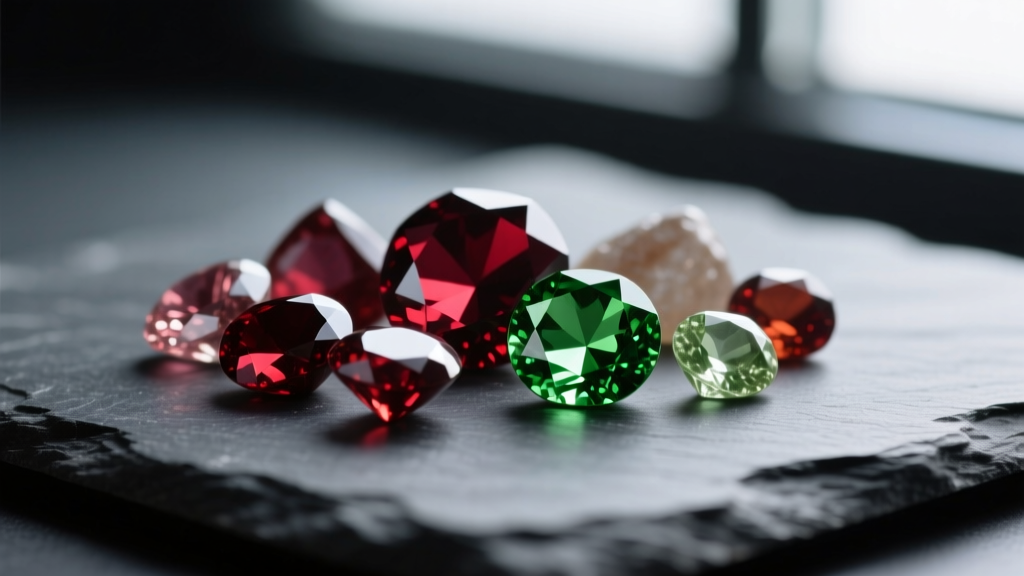
Metal Pairings: Matching the Setting to the Stone
The metal chosen for a garnet necklace for women is not merely an aesthetic decision; it is a structural one. Different garnet varieties interact with light differently, and the metal's color and alloy composition can either enhance or mute the gemstone's natural properties.
Sterling Silver and White Gold
For cooler-toned garnets like Tsavorite and Demantoid, white metals provide a crisp contrast that amplifies their green hues. However, 14k white gold is typically rhodium-plated to achieve its bright white color. Over time, the friction of a necklace chain against the skin will wear this plating away, revealing the slightly yellowish underlying alloy. Sterling silver (925) is a more affordable alternative but is prone to tarnishing due to the copper content in the alloy. If choosing silver for a green garnet pendant, ensure the setting is e-coated or rhodium-plated to prevent sulfur-based tarnish from dulling the stone's underbelly.
Yellow and Rose Gold
Almandine, Pyrope, and Rhodolite garnets possess warm, rich undertones that are spectacularly enhanced by 14k or 18k yellow and rose gold. From a metallurgical standpoint, 18k gold (75% pure gold) is softer and more malleable than 14k (58.3% pure gold). While 18k offers a richer color saturation that complements deep red garnets, 14k provides superior tensile strength for delicate chain links and prong settings, making it the superior choice for intricate, lightweight garnet pendants meant for everyday wear.
Platinum
Platinum (95% pure, usually alloyed with ruthenium or iridium) is the ultimate choice for high-value Demantoid or large-carat Tsavorite necklaces. Unlike white gold, platinum does not require rhodium plating. Furthermore, platinum's unique property of "galling"—where the metal displaces rather than flakes away when scratched—means that prongs holding expensive garnets will bend and wear down safely without losing structural mass, keeping the gemstone secure for decades.
Cut, Clarity, and the Magic of Inclusions
In the diamond world, inclusions are flaws. In the world of rare garnets, they can be a hallmark of authenticity and a driver of value. This is most evident in the Demantoid variety.
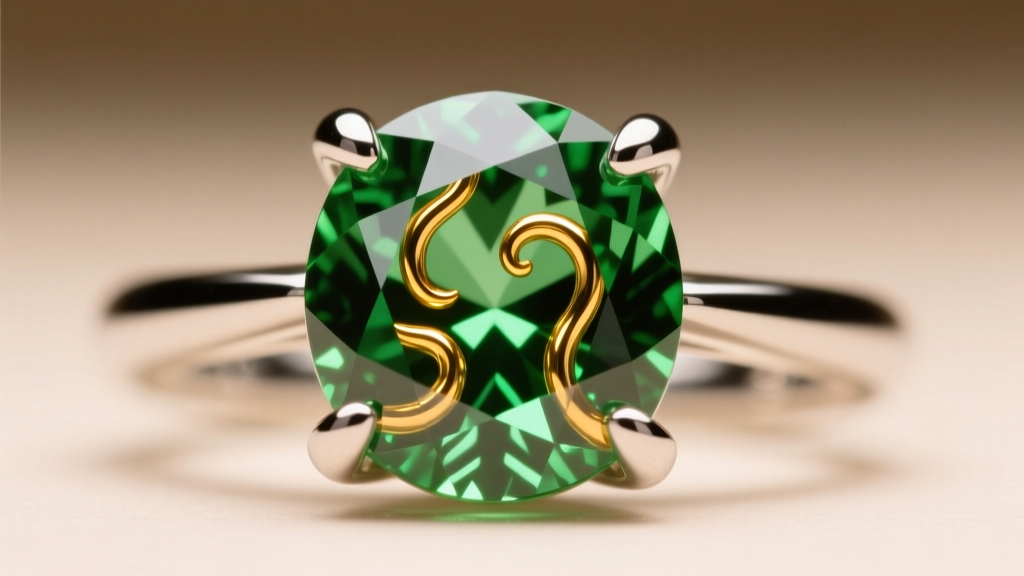
Demantoid garnets from the Ural Mountains of Russia frequently contain "horsetail" inclusions—radiating fibers of chrysotile asbestos that look like golden fireworks trapped inside the green stone. Rather than diminishing the value, a well-formed horsetail inclusion that is positioned centrally and does not disrupt the stone's brilliance can actually command a premium among collectors. When evaluating a Demantoid necklace, look for a brilliant or mixed cut. Because Demantoid has an exceptionally high dispersion (0.057, higher than a diamond's 0.044), a precision cut will unleash incredible "fire"—flashes of spectral colors that dance across the neckline.
Conversely, Almandine garnets are often cut as cabochons (smooth, unfaceted domes) or carved into intricate cameos. Because Almandine is frequently found in large, heavily included crystals, faceting it can sometimes result in a stone that looks too dark or "extinct" in the center. If you prefer a faceted red garnet necklace, insist on a "Rhodolite" blend, which naturally occurs in lighter, more translucent tones that allow light to bounce through the pavilion facets effectively.
Practical Buying Framework: Treatments and Disclosures
One of the most compelling material advantages of buying a garnet necklace for women is the general lack of artificial treatments. Unlike rubies (routinely heat-treated and fracture-filled) or emeralds (routinely oiled), the vast majority of garnets on the market are 100% natural and untreated. Their color is derived entirely from natural trace elements like chromium, vanadium, and iron.
- Heat Treatment: Extremely rare and generally unnecessary for garnets. Demantoids are occasionally heated at low temperatures to improve their green color by reducing brownish modifiers, but this must be disclosed by the seller.
- Fracture Filling: Some low-grade, heavily fractured Almandine beads used in inexpensive strand necklaces may be treated with lead-glass fillings to improve transparency. Always buy from reputable jewelers who provide full disclosure.
- Lab-Created Synthetics: Synthetic garnets (like YAG - Yttrium Aluminum Garnet) exist but are primarily used for industrial lasers or as diamond simulants. They are rarely used in fine jewelry, making natural garnet a safe bet against synthetic deception.
Care and Maintenance Based on Material Properties
Proper maintenance of your garnet necklace depends entirely on the specific species of the gemstone and the metal setting.
Expert Warning: Never place a Demantoid garnet necklace in an ultrasonic cleaner. The high-frequency vibrations can cause the stone to fracture along internal inclusion planes, particularly if horsetail inclusions are present. Furthermore, thermal shock from steam cleaners can shatter Tsavorites that have microscopic internal stress fractures.
For all garnet varieties, the safest and most effective cleaning method is a solution of lukewarm water and a few drops of mild, phosphate-free dish soap. Use a soft-bristled baby toothbrush to gently agitate the area behind the stone (the pavilion), where skin oils, lotions, and dead skin cells accumulate. This buildup drastically reduces the refractive index performance of the stone, making a brilliant Tsavorite look dull and lifeless. Rinse thoroughly with distilled water to prevent hard water spots, and dry with a lint-free microfiber cloth before storing the necklace in a separate fabric-lined compartment to prevent the 7.5-hardness garnet from scratching softer pearls or metals in your jewelry box.


