Woven Necklace Value Guide: Materials, Pricing & Worth
Discover the true value of a woven necklace. We break down material costs, hardware quality, and pricing tiers to help you shop smart.

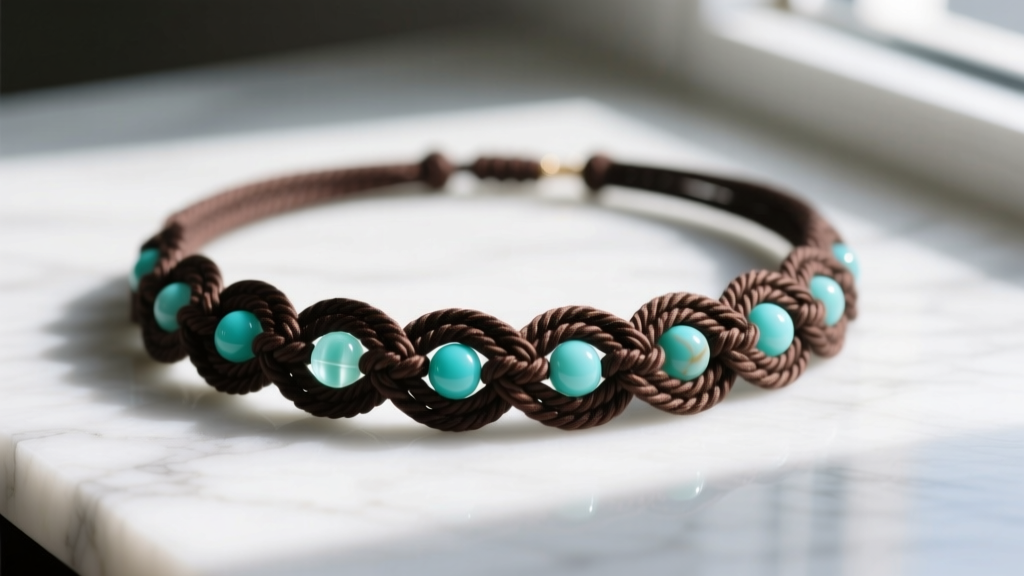
When shopping for a woven necklace, the price tags can be baffling. You might find a simple braided cord on a fast-fashion rack for $12, while an artisanal micro-macrame piece on a craft marketplace commands $350 or more. As a jewelry appraiser and trend analyst, I frequently get asked: What justifies the massive price gap in woven jewelry?
The answer lies in a complex matrix of textile grades, knotting techniques, hardware metallurgy, and labor hours. In this comprehensive value assessment, we will dissect the anatomy of woven necklaces, establish realistic pricing tiers for 2026, and teach you how to spot the difference between a durable heirloom and a disposable accessory.
The Anatomy of a Woven Necklace: What Are You Paying For?
A woven necklace is fundamentally a textile accessory augmented by metallurgy and gemology. Unlike cast metal chains, the structural integrity of a woven piece relies entirely on the tensile strength of its fibers and the friction of its knots. When you evaluate the price, you are paying for four distinct components:
- The Core Fiber: The base material (nylon, silk, leather, or metallic thread) dictates the drape, water resistance, and lifespan.
- The Technique: Mass-produced machine braiding (like basic Kumihimo) costs pennies per yard. Hand-tied micro-macrame or complex sinnet braiding requires dozens of hours of skilled labor.
- The Accents: Beads, gemstones, or metal tubes integrated directly into the weave.
- The Hardware: The clasps, jump rings, and end-caps that secure the textile to the metal findings.
Material Tiers and Pricing Breakdown
The base cord is the most critical factor in a woven necklace's value. Below is a market assessment of the most common materials used in contemporary woven jewelry, complete with expected retail price ranges for standard 18-inch lengths without heavy gemstone accents.
| Material Grade | Retail Price Range | Durability & Lifespan | Best Use Case |
|---|---|---|---|
| Synthetic Nylon (C-Lon/S-Lon) | $25 – $85 | High (Waterproof, UV resistant) | Micro-macrame, bead weaving, daily wear |
| Waxed Cotton / Irish Linen | $40 – $120 | Medium (Degrades with heavy sweat/oils) | Bohemian styles, pendant holders, casual wear |
| Genuine Greek Leather | $60 – $150 | High (Ages well, but fears water) | Chunky braids, menswear, heavy pendants |
| Mulberry Silk Cord | $90 – $250+ | Low-Medium (Prone to UV & friction damage) | High-end pearl knotting, luxury minimalist cords |
| Sterling Silver / Gold Wire Weave | $250 – $800+ | Very High (Vulnerable only to chemical tarnish) | Viking knit, wire-wrapped collars, fine jewelry |
Hardware and Clasp Quality: The Hidden Cost Drivers
A $200 hand-woven silk necklace is entirely compromised if it finishes with a $0.05 base-metal lobster clasp. The transition point where the soft textile meets the hard metal is the most common failure zone in woven jewelry.
Budget Tier (Under $30): Expect base metals (zinc alloys or brass) with thin gold or silver plating. These clasps often feature sharp internal burrs that will slowly saw through the woven cord over time. The end-caps are usually glued, meaning the necklace will likely fail when the adhesive dries out and cracks.
Mid-Tier ($50 - $150): Look for 316L surgical stainless steel or heavy gold-plated brass. High-quality mid-tier pieces use mechanical crimps or wire-wrapping to secure the cord inside metal end-caps, rather than relying solely on jewelry glue.
Premium Tier ($200+): Artisans will use solid 14k gold, platinum, or niobium clasps. The attachment loops are often hand-soldered to eliminate the gap in a jump ring, ensuring the delicate woven fibers cannot slip through or catch on sharp metal seams.
Failure Modes: Why Cheap Woven Cords Snap and Fray
Understanding how woven necklaces fail is crucial for assessing long-term value. According to conservation guidelines from the Canadian Conservation Institute, organic and synthetic textiles are highly susceptible to environmental degradation. Here are the three primary failure modes to inspect before purchasing:
1. The Jump Ring Friction Zone
If the cord is looped directly through a split jump ring, the natural movement of wearing the necklace will cause the metal to act like a microscopic saw. Premium pieces use a seamless soldered ring or a protective metal bail to separate the cord from the clasp mechanism.
2. Acidic Sweat and Sebum Degradation
Human skin produces oils and acids that break down organic fibers. Waxed cotton and leather are particularly vulnerable. A cheap leather cord will become brittle and snap within 12 to 18 months of daily wear against the collarbone. Synthetic nylons (like C-Lon) are impervious to body acids, making them a superior value for everyday wear despite their lower material cost.
3. UV and Heat Embrittlement
Silk and certain dyed linens will degrade and fade when exposed to prolonged sunlight. If you are investing in a high-end silk woven necklace, it must be treated as occasional-wear fine jewelry, not a beach accessory.
Handmade vs. Mass-Produced: Assessing the Artisan Premium
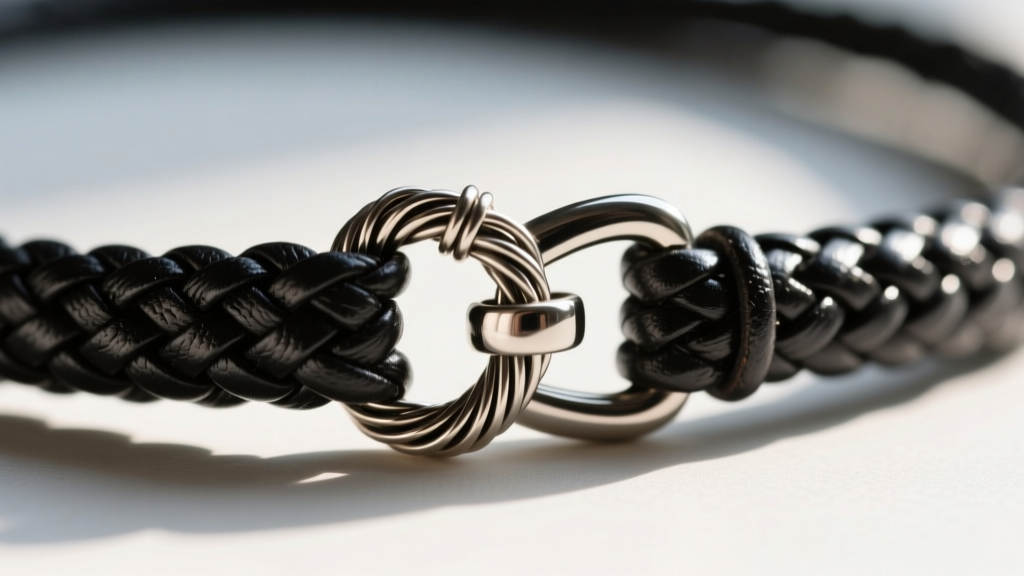
Why do artisan marketplaces feature woven necklaces priced at $400 and up? The answer is labor density. Techniques like micro-macrame involve tying thousands of microscopic half-hitch and square knots using a 0.5mm nylon thread.
Industry reports from JCK (Jewelers Circular Keystone) highlight a growing consumer shift toward "slow jewelry," where buyers are willing to pay for the documented hours of artisan labor. A complex, 20-inch micro-macrame collar with integrated semi-precious stones can easily take a skilled artisan 30 to 50 hours to complete. When you break down a $450 price tag over 40 hours of labor, the artisan is earning just over $11 an hour before material costs and platform fees. In this context, the "artisan premium" is not a markup; it is a baseline requirement for the creator's survival.
Conversely, machine-braided Kumihimo cords produced in overseas factories cost fractions of a cent per inch. If a brand is selling a simple, machine-braided nylon cord with a glued-on base metal clasp for $85, you are paying for a brand logo, not craftsmanship.
Your Woven Necklace Value Assessment Checklist
Before adding a woven piece to your cart, run it through this rapid appraisal checklist to ensure you are getting fair market value:
- The Pull Test (Mental Check): Does the cord look tightly tensioned? Loose, sloppy knots indicate rushed labor and will stretch out of shape quickly.
- The Clasp Inspection: Are the end-caps crimped/wire-wrapped, or just glued? Avoid glued end-caps on pieces over $50.
- The Fiber Match: Does the fiber match the lifestyle? Buy nylon/synthetic for water/sweat resistance; buy silk/leather for luxury and occasional wear.
- The Stone Porosity Factor: The Gemological Institute of America (GIA) warns that porous stones like turquoise, malachite, and opal can be damaged by the dyes and waxes used in cheap cords. Ensure high-end porous gems are strung on undyed, chemically inert silk or synthetic threads.
- The Knot Backing: If the necklace features large beads, are there protective knots between them? This prevents the beads from grinding against each other and shattering upon impact.
Final Verdict: Is a Premium Woven Necklace Worth the Investment?
A woven necklace is an exceptional jewelry investment when the price accurately reflects the labor and material integrity. A $45 hand-braided waxed linen cord with a stainless steel clasp is a phenomenal everyday value. A $350 micro-macrame collar is a justifiable wearable art investment, provided the knots are uniform and the hardware is solid gold or surgical steel.
However, the "danger zone" lies in the $60 to $120 range for mass-produced items masquerading as bohemian luxury. By scrutinizing the clasp attachments, identifying the base fiber, and understanding the labor required for the specific weave, you can confidently separate genuine textile artistry from overpriced factory cord.


