Safety Pin Necklace Gold: A Comprehensive Buying Guide
Discover what to look for when buying a safety pin necklace gold pendant. Learn about karat hardness, pin tension, chain pairings, and pricing tiers.

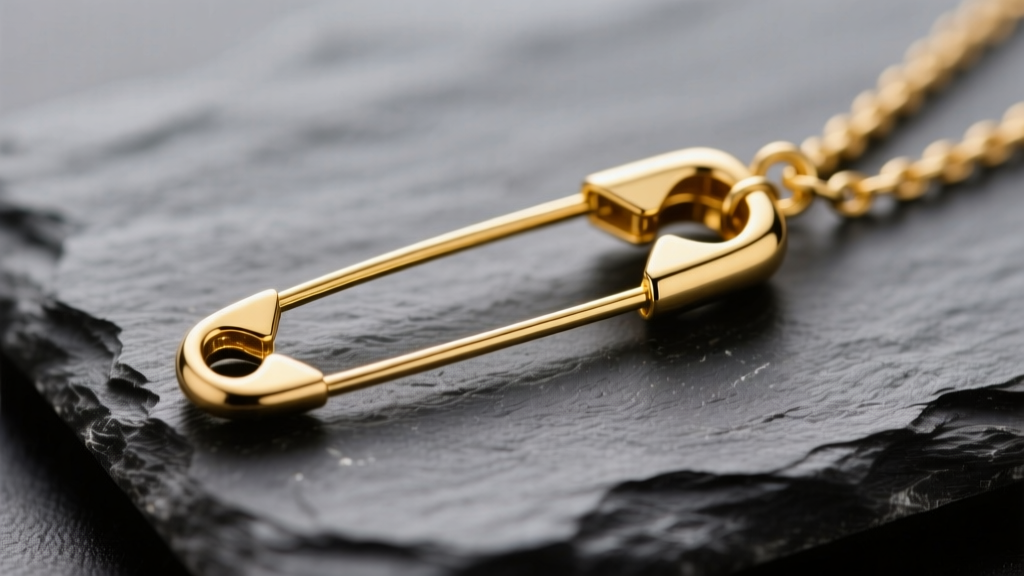
The Anatomy of a Gold Safety Pin Pendant
The safety pin has transcended its punk-rock origins to become a staple of contemporary fine jewelry. However, translating a utilitarian hardware item into a luxury gold pendant requires precise engineering. When shopping for a safety pin necklace gold piece, you are not just buying a motif; you are buying a mechanical hinge, a tension-based clasp, and a specific gold alloy. Understanding the anatomy of this pendant is the first step in separating high-quality fine jewelry from flimsy costume replicas.
Core Components and Engineering
A well-crafted safety pin pendant consists of four critical elements:
- The Body (or Shield): The main decorative face of the pendant. This is where jewelers often add diamond pavé, enamel, or textured finishes.
- The Stem (or Wire): The functional needle that pierces the fabric (if worn as a brooch) or simply rests against the skin. This requires the highest tensile strength.
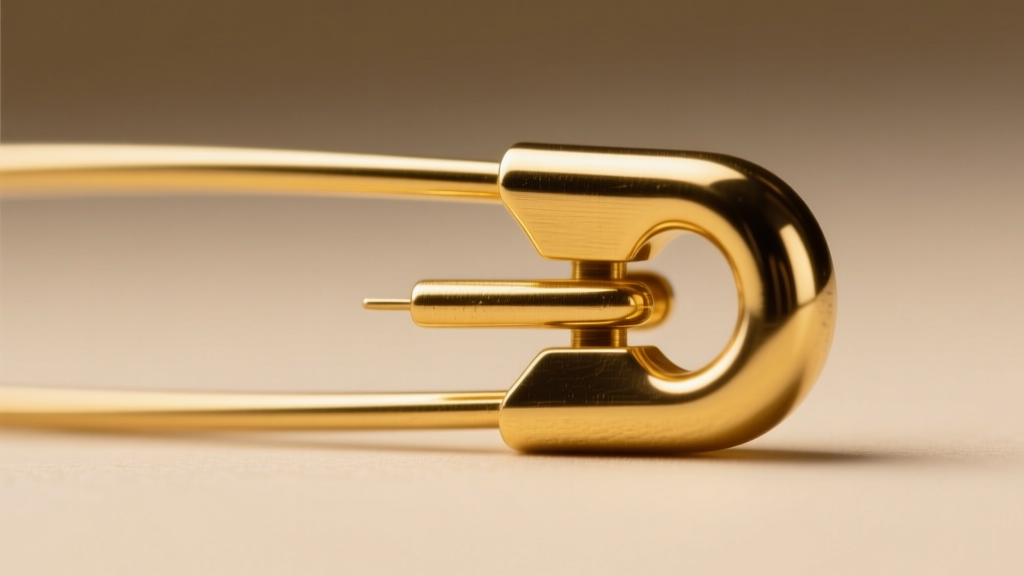
- The Hinge and Eyelet: The joint connecting the stem to the body. The eyelet must be large enough to allow your chosen chain to pass through smoothly without snagging.
- The Catch (C-Clasp): The hook that secures the tip of the stem. In necklaces, this is often left slightly open to allow the stem to rest freely, or designed with a tight tension-grip to mimic a closed pin.
Gold Purity and Material Tiers: What to Buy in 2026
Not all gold is created equal, especially when it involves moving parts and tension. The Gemological Institute of America (GIA) notes that pure 24k gold is far too soft for functional jewelry components. If a safety pin stem were made of 24k or even 22k gold, it would bend permanently the first time it experienced lateral pressure. Therefore, alloy composition is critical.
The 14k vs. 18k Debate for Functional Pendants
For a safety pin necklace, 14k gold is the superior choice for the stem. Composed of 58.5% pure gold and 41.5% alloy metals (like copper, silver, and zinc), 14k gold offers the necessary "spring-back memory" and yield strength. While 18k gold (75% pure) offers a richer, warmer yellow hue, it is more prone to work-hardening and permanent deformation if the stem is accidentally bent. Many master jewelers solve this by crafting the pendant body in 18k gold for color, but engineering the stem and hinge in 14k gold for durability.
Material Comparison and Pricing Matrix
When evaluating the market, you will encounter three primary tiers of gold safety pin necklaces. According to the Federal Trade Commission (FTC) Jewelry Guides, terms like "vermeil" and "gold-filled" have strict legal definitions regarding micron thickness and base metals.
| Material Tier | Base Metal | Gold Layer / Composition | Stem Durability | Estimated Price Range |
|---|---|---|---|---|
| Solid 14k Gold | None (Solid Alloy) | 58.5% Pure Gold | Excellent (High Tensile) | $280 - $650+ |
| Solid 18k Gold | None (Solid Alloy) | 75% Pure Gold | Good (Prone to Bending) | $450 - $900+ |
| Gold Vermeil | Sterling Silver (925) | Min 2.5 microns of 10k+ Gold | Fair (Silver Stem Core) | $95 - $180 |
| Gold Plated / PVD | Brass or Stainless Steel | Flash plating (<0.5 microns) | High (Steel/Brass Core) | $35 - $85 |
Expert Tip: If you are buying gold vermeil, ensure the retailer explicitly states the micron thickness. A 2.5-micron layer over sterling silver will last years with proper care, whereas a 0.5-micron flash plating over brass will wear through to the base metal within months of daily friction against the skin.
Pin Mechanics: Ensuring Security and Tension
Because a safety pin pendant relies on a mechanical catch rather than a traditional jewelry clasp, the tension of the stem is paramount. When you open the stem of a high-quality solid gold safety pin, it should offer smooth, resistant torsion. It should snap back into the C-clasp with a definitive, secure click.
Common Failure Modes to Inspect
When your necklace arrives, perform a quick mechanical audit. Check for these common manufacturing flaws:
- Lateral Play in the Hinge: Hold the body of the pendant still and gently wiggle the stem side-to-side. If the hinge feels loose or rattles, the rivet is poorly set. Over time, this will cause the eyelet to snap.
- Misaligned C-Clasp: Close the pin. The tip of the stem should sit perfectly centered inside the hook of the C-clasp. If it rests on the edge, the stem was improperly tempered and will eventually slip out, risking the loss of the pendant.
- Eyelet Snagging: Thread your intended chain through the eyelet. If the inner rim of the eyelet is rough or has leftover soldering burrs, it will act like a saw, slowly grinding through your chain links.
Choosing the Right Chain for Your Pendant
The safety pin motif is inherently industrial and edgy, which dictates the type of chain that pairs best with it. Furthermore, the inner diameter of the pendant's eyelet will physically limit your chain choices. Most standard safety pin pendants feature an eyelet inner diameter between 1.5mm and 2.5mm.
Top Chain Pairings for 2026
- The Box Chain (1.2mm - 1.5mm): The geometric, square links of a box chain perfectly complement the straight lines and industrial vibe of the safety pin. It threads easily through standard eyelets and offers excellent structural integrity.
- The Rope Chain (1.5mm - 2.0mm): A twisted rope chain adds a vintage, textural contrast to the sleek, modern lines of the pin. The twisting links catch the light, elevating a simple 14k gold pendant into a statement piece.
- The Cable Chain (1.0mm): For a minimalist, barely-there look, a delicate round cable chain allows the safety pin pendant to float on the collarbone. This is the preferred choice for layering.
Avoid snake chains or herringbone chains. These chains lack flexibility at the threading point and can easily kink or bend when forced through a small pendant eyelet.
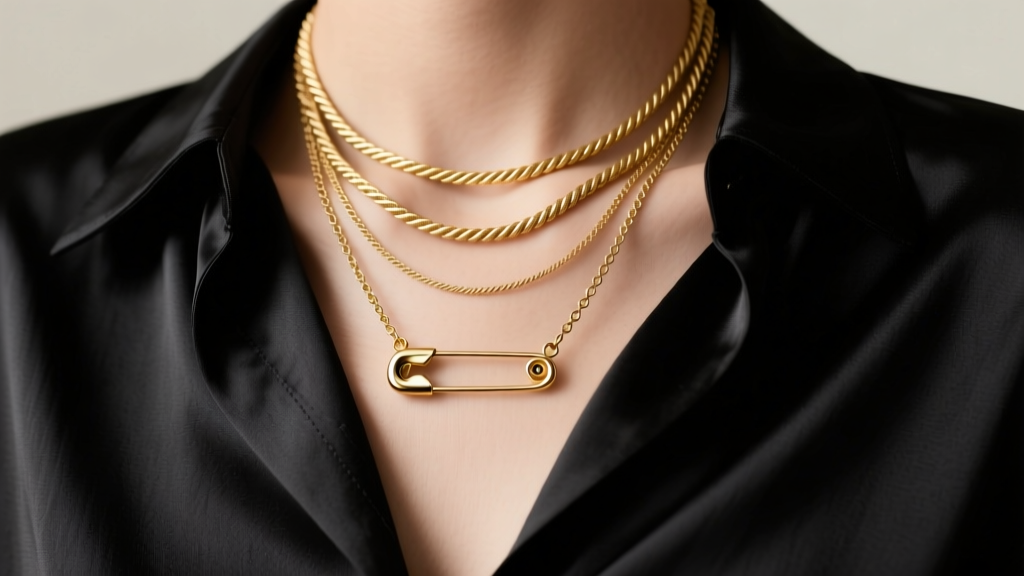
Styling Frameworks: Necklines and Layering
The safety pin pendant is remarkably versatile, but its elongated, horizontal silhouette requires specific styling considerations to maintain visual balance.
The Rule of Proportions
Because the safety pin is horizontally oriented (unlike a vertical teardrop or cross pendant), it draws the eye laterally across the chest.
- For V-Necks and Scoop Necks: Opt for a shorter chain (15 to 16 inches) so the pin rests horizontally across the upper chest, bridging the gap of the neckline without getting lost in the fabric folds.
- For Crew Necks and Turtlenecks: Use a longer chain (18 to 20 inches). Allowing the pin to rest lower on the sternum breaks up the solid block of fabric and creates a striking, editorial focal point.
The Asymmetric Layering Technique
In 2026, symmetrical, perfectly spaced layering has been replaced by intentional asymmetry. Pair your gold safety pin necklace on a 16-inch choker-length chain with a heavier, 20-inch paperclip chain. Allow the safety pin to sit slightly off-center by adjusting the clasp placement at the back of your neck. This creates a dynamic, custom-draped look that feels effortless rather than calculated.
Final Verdict: What to Look For at Checkout
Investing in a safety pin necklace gold piece requires looking past the aesthetic and evaluating the metallurgy and mechanics. Always prioritize 14k solid gold for the highest balance of rich color and stem tensile strength. Inspect the hinge for lateral play, ensure the C-clasp aligns perfectly with the stem tip, and verify that the eyelet is polished smooth to protect your chain. By focusing on these structural details, you will secure a piece of jewelry that not only makes a bold stylistic statement but is engineered to withstand the mechanics of daily wear for decades.


