Gold Omega Necklace Guide: Styling, Sizing, and Care Tips
Discover everything about the gold omega necklace. Learn how to style, size, and care for this rigid, elegant jewelry staple in our beginner guide.

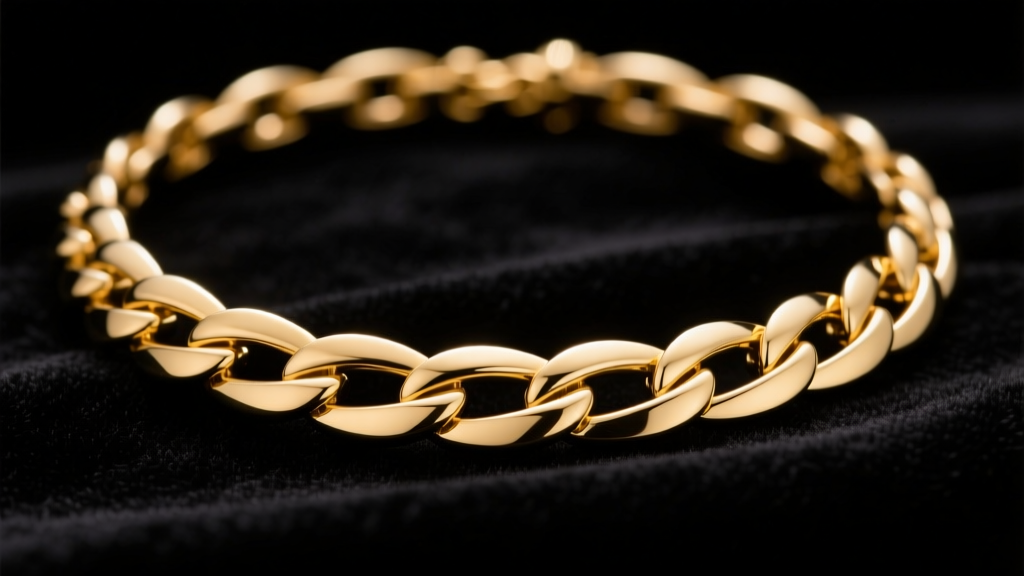
The Truth About the Gold Omega Necklace
When most jewelry buyers hear the word "chain," they picture interlocking links like cable, curb, or Figaro styles. However, the gold omega necklace is a masterclass in misdirection. Despite being universally referred to as an "omega chain," it is not actually a chain at all. It is a masterfully engineered piece of metalwork that mimics the fluid drape of a chain while maintaining the sleek, uninterrupted surface of a solid metal collar. For beginners stepping into the world of fine jewelry, understanding the mechanics, styling nuances, and maintenance realities of the omega necklace is critical before making an investment.
Anatomy of an Omega: Engineering the "Liquid Gold" Effect
To understand how to care for an omega necklace, you must first understand how it is built. A traditional chain relies on the mechanical movement of individual links. An omega, conversely, relies on a hidden internal core.
The Inner Core and Outer Plates
Beneath the gleaming exterior lies a flexible inner core, typically constructed from a woven stainless steel wire mesh or a high-tensile nylon thread. This core provides the structural integrity and the "memory" that allows the necklace to hold its circular shape when draped around the neck. Over this core, jewelers thread and solder hundreds of individually stamped, polished gold plates. These plates are placed so closely together that they create the illusion of a single, continuous ribbon of liquid gold. Because the outer plates are rigidly fixed to one another, the necklace cannot bend sharply—it can only curve in wide, sweeping arcs.
Flat vs. Rounded vs. Dome Profiles
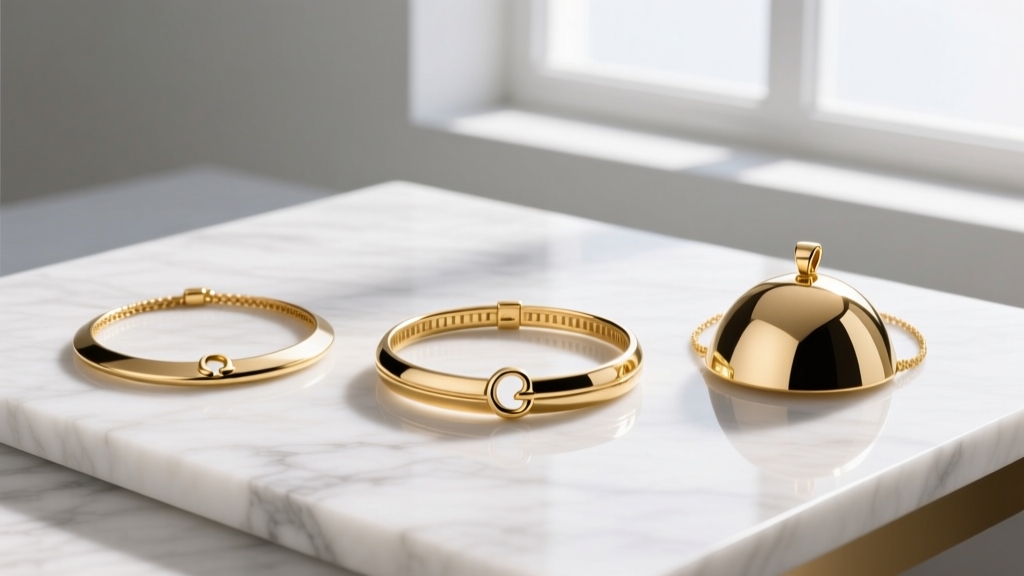
Omegas are manufactured in three primary cross-sectional profiles, each offering a distinct aesthetic and tactile experience:
- Flat Profile: Sits completely flush against the collarbone. It offers a modern, minimalist look and is highly reflective, but it is the most prone to kinking if folded.
- Rounded Profile: Features a gentle curve on the top surface. This is the most comfortable for daily wear, as it glides smoothly against the skin and catches light from multiple angles.
- Dome Profile: Highly convex and substantial. Dome omegas are bold, vintage-inspired statement pieces that cast distinct shadows and offer a heavy, luxurious drape.
Sizing and Width: A Beginner's Matrix
Choosing the right width for your gold omega necklace dictates not only its visual impact but also its functional versatility. Because omegas are rigid, the width directly impacts how the necklace interacts with different necklines and pendant bails.
| Width (mm) | Weight & Feel | Best Pendant Bail Size | Ideal Neckline Pairing |
|---|---|---|---|
| 2mm - 3mm | Lightweight, delicate, highly flexible | 3mm - 4mm standard loop | V-neck, Scoop, Deep Plunge |
| 4mm - 5mm | Medium weight, noticeable presence | 5mm - 6mm wide-set bail | Crew, Boat, Button-down |
| 6mm - 8mm | Heavy, rigid, statement-making | 7mm+ tube bail or worn alone | Open collar, Off-shoulder |
| 10mm+ | Bold, armor-like, highly inflexible | N/A (Worn as a standalone collar) | Strapless, Plunging, Eveningwear |
14K vs. 18K Gold: Durability Meets Color
When shopping for a gold omega necklace, you will primarily encounter 14-karat and 18-karat options. According to the Gemological Institute of America (GIA), the karatage dictates the ratio of pure gold to alloy metals like copper, silver, and zinc. This ratio profoundly affects the necklace's performance.
14K Gold (58.5% pure gold): This is the pragmatic choice for everyday wear. The higher alloy content makes 14K gold significantly harder and more resistant to scratching. Because the outer plates of an omega are constantly rubbing against each other during movement, 14K gold will maintain its high-polish finish longer and is less likely to suffer surface abrasions.
18K Gold (75% pure gold): Prized for its rich, buttery yellow hue, 18K gold offers superior color saturation. However, it is a softer metal. An 18K omega necklace will develop a patina of micro-scratches much faster than its 14K counterpart. If you prioritize deep color and are willing to have the piece professionally polished every few years, 18K is the superior aesthetic choice.
The Kink Factor: Maintenance and Storage Realities
The single greatest vulnerability of the gold omega necklace is kinking. Because the outer plates are rigid, bending the necklace past its natural yield point will crush the plates together and permanently deform the inner steel or nylon core. Once an omega kinks, it creates a weak point where the gold plates can separate, exposing the dark inner core.
How to Store Your Omega
Never toss an omega necklace into a jewelry pouch or a tangled drawer. Jewelers of America consistently advises that rigid necklaces require specific storage to maintain their structural integrity. You must either hang the necklace on a wide, curved jewelry stand or lay it perfectly flat in a lined jewelry box. If traveling, use a rigid, circular travel case designed specifically for collars and torques.
Repairing a Kinked Omega
If your necklace does kink, do not attempt to bend it back into place with your fingers; you will likely snap the inner core or crease the gold plates beyond repair. A professional bench jeweler can often fix minor kinks using a specialized steel roller tool, gently massaging the metal back into its tubular shape. Expect to pay between $35 and $75 for this service, depending on the severity of the damage and the width of the chain.
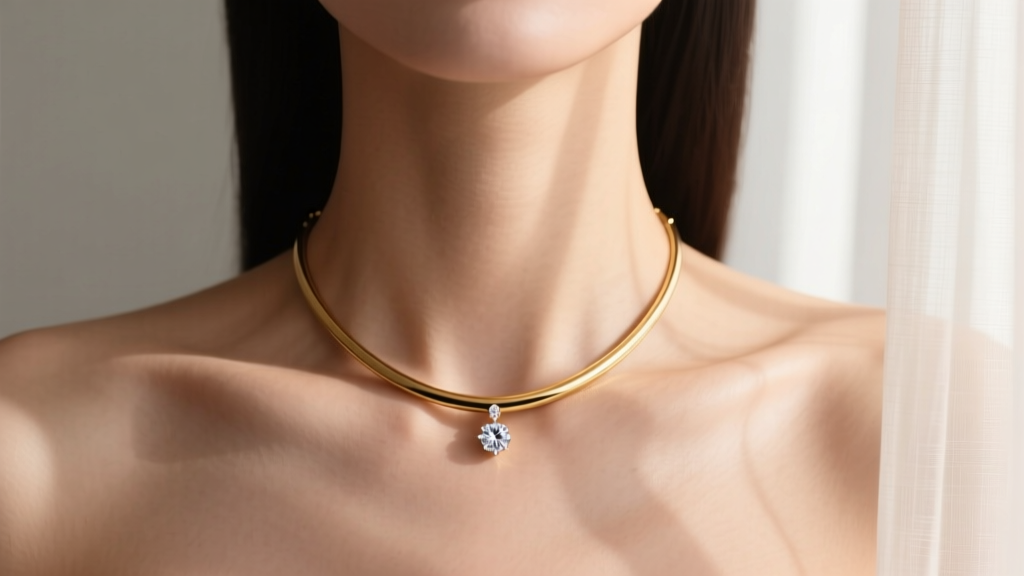
Styling Rules: Pendants, Clasps, and Layering
Styling an omega requires a different approach than styling a standard cable chain. The rigidity of the metal dictates how accessories will hang and how the piece will layer.
The Pendant Bail Dilemma
Standard pendant bails are designed for flexible chains that can fold sharply at the base of the neck. Because an omega maintains a wide, sweeping curve, a standard pendant will often sit awkwardly high on the chest, pointing outward rather than laying flat against the sternum. To fix this, you must use a "straight bail" or a wide-set loop bail that accommodates the thickness and curvature of the omega without forcing the gold to bend.
Clasp Mechanics
Gold omegas are dense. A 5mm, 18-inch 14K gold omega can easily weigh over 35 grams. A standard lobster claw clasp is often insufficient for this weight and can cause undue stress on the end jump rings. For any omega wider than 4mm, insist on a tongue clasp (also known as a box clasp) equipped with a figure-8 safety latch. This distributes the tension evenly across the width of the clasp and prevents accidental unfastening.
The Art of Layering
Layering an omega necklace is challenging because its rigid structure fights against softer chains. The golden rule of layering omegas is contrast. Pair a 3mm flat omega with a 20-inch delicate diamond-cut cable chain and a 14-inch choker. Never layer two omega necklaces together; their rigid arcs will clash, tangle, and inevitably scratch one another.
Pricing Expectations in the Current Market
Because omegas require complex manufacturing and a high gram weight of gold, they carry a premium over standard link chains of the same width. While prices fluctuate with the spot price of gold, here is a baseline pricing matrix for 16-inch to 18-inch lengths in the current market:
- 2mm - 3mm (14K): $250 – $450. An excellent entry point for everyday elegance.
- 4mm - 5mm (14K): $600 – $950. The sweet spot for durability, presence, and pendant compatibility.
- 6mm - 8mm (18K): $1,800 – $3,200. A luxury investment piece meant for standalone wear.
- 10mm+ (18K): $4,000+. High-jewelry territory, often featuring custom clasps and specialized polishing.
Pro-Tip for Buyers: When purchasing a gold omega necklace in person, perform the "drape test." Hold the necklace by the clasp and let it hang. A high-quality omega will immediately form a perfect, tear-drop shape without any stiff, angular jutting. If it holds rigid, awkward angles while hanging freely, the inner core is poorly tensioned or the outer plates are soldered too tightly together.
The gold omega necklace remains a triumph of jewelry engineering. By respecting its rigid nature, choosing the correct profile and karatage for your lifestyle, and adhering to strict storage protocols, you can ensure this liquid-gold illusion remains a flawless staple in your collection for decades.


