How to Clean and Care for Your Doctor Strange Necklace
Learn expert tips to clean, polish, and maintain your Doctor Strange necklace. Protect the Eye of Agamotto's metal finish and Time Stone from tarnish.

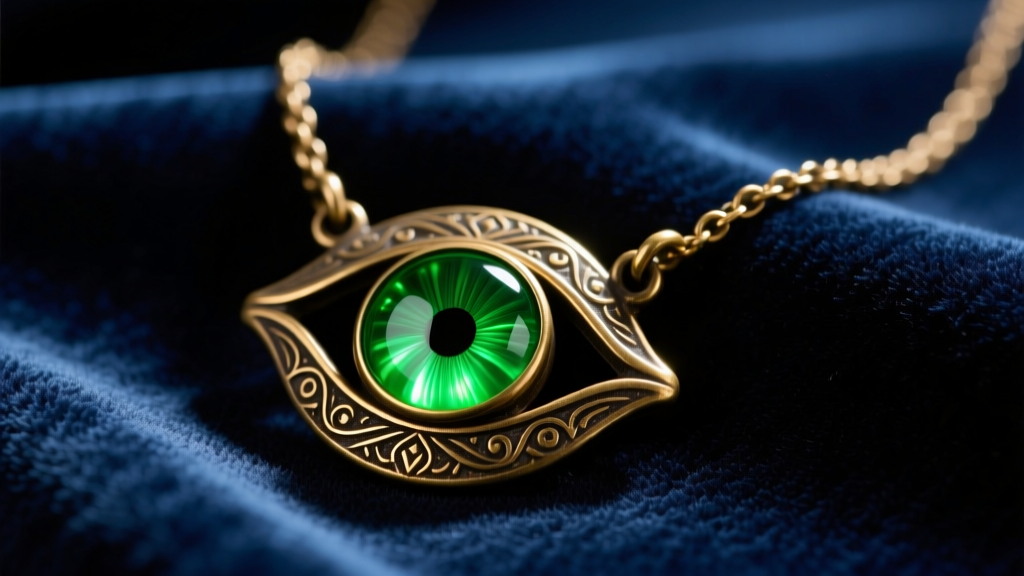
The Eye of Agamotto is one of the most iconic artifacts in the Marvel Cinematic Universe, and wearing a Doctor Strange necklace is a fantastic way to showcase your fandom. However, because these necklaces range from mass-produced convention replicas to high-end solid silver pieces, caring for them requires a nuanced approach. The intricate filigree, mixed metals, and central 'Time Stone' can easily trap dirt, oils, and moisture, leading to tarnish, cloudy gemstones, or even skin irritation if not maintained properly.
In this comprehensive guide, we break down the exact metallurgical and gemological care requirements for every tier of Doctor Strange necklace, ensuring your mystical artifact remains in pristine condition for years to come.
The Anatomy of a Doctor Strange Necklace: Materials Matter
Before applying any cleaning solution, you must identify the materials used in your specific necklace. According to Badali Jewelry, an official licensee for Marvel merchandise, replica jewelry generally falls into three distinct material tiers:
- Tier 1: Base Metal & Plating (Convention & Retail Replicas) - Typically cast from zinc alloy or pewter and plated with an antiqued brass or gold wash. The 'Time Stone' is usually made of epoxy resin or molded acrylic.
- Tier 2: Solid Brass or Bronze (Artisan Replicas) - Heavier, un-plated base metals that develop a natural patina over time. The stone is often faceted glass or cubic zirconia.
- Tier 3: Sterling Silver & Precious Metals (High-End Collectibles) - Cast in solid 925 sterling silver or 14k gold, featuring genuine emeralds, synthetic corundum, or high-grade CZ.
Using the wrong cleaning method—such as an ultrasonic cleaner on a Tier 1 plated necklace—will instantly strip the antique finish and ruin the piece.
Daily Wear and Environmental Hazards
The intricate, overlapping 'eye' mechanism and the deep crevices of the filigree make Doctor Strange necklaces notorious for trapping environmental debris. The primary enemies of your pendant include:
- Sebum and Lactic Acid: Natural body oils and sweat react with copper and zinc alloys, creating copper lactate, which causes the dreaded 'green skin' effect and accelerates tarnish.
- Cosmetics and Fragrances: Hairsprays, lotions, and perfumes contain alcohols and aerosolized polymers that coat the central stone, dulling its optical clarity and causing resin stones to cloud permanently.
- Friction: The heavy pendant constantly rubbing against the bail (the loop connecting the chain) can wear away gold or silver plating over time, exposing the base metal beneath.
Step-by-Step Cleaning Guide for Base Metal and Plated Replicas
If you own a Tier 1 or Tier 2 necklace, your primary goal is to remove surface oils without stripping the antiqued finish or scratching the softer resin stones. Resin ranks a mere 2 to 3 on the Mohs hardness scale, meaning it can be scratched by a standard toothbrush.
The Safe Cleaning Protocol
- Prepare a Mild Bath: Mix a few drops of phosphate-free dish soap (like Dawn) into a bowl of lukewarm water. Avoid hot water, which can melt the adhesive holding the resin stone in place.
- Soak Briefly: Submerge the pendant for no more than 3 to 5 minutes to loosen trapped sebum and dead skin cells from the crevices.
- Gentle Agitation: Use an ultra-soft baby toothbrush or a cotton swab to gently sweep the crevices. Never scrub the central stone.
- Rinse and Dry: Rinse under a gentle stream of distilled water (tap water contains chlorine and minerals that can spot base metals). Immediately pat dry with a lint-free microfiber cloth.
Warning: Never use commercial silver dips, ammonia-based cleaners, or ultrasonic jewelry cleaners on plated zinc alloy. These harsh chemicals will dissolve the gold or brass plating in seconds, leaving you with a dull, grayish-white pendant.
Caring for High-End Sterling Silver and Gemstone Versions
Tier 3 necklaces require traditional silversmithing care. Sterling silver (92.5% silver, 7.5% copper) is prone to sulfide tarnish, which manifests as a black or dark brown film on the metal.
Polishing vs. Preserving the Patina
Most high-end Doctor Strange necklaces feature an intentional 'oxidized' or antiqued finish in the recessed areas to make the intricate runes and eye details pop. If you aggressively polish the entire piece, you will remove this contrast, leaving the necklace looking flat and overly shiny.
- Use a Polishing Cloth: Use a treated jeweler's cloth (such as a Sunshine Cloth) and gently wipe only the raised, high-friction areas of the metal.
- Avoid the Stone: If your necklace features a genuine emerald or synthetic corundum, keep polishing compounds away from the gem. Emeralds are naturally heavily included and often fracture-filled with oils; harsh chemicals can dry out the stone and cause internal fracturing.
Chain Maintenance: Box Chains vs. Cable Chains
The chain on a Doctor Strange necklace is just as important as the pendant. Replicas typically use either heavy box chains or thick cable chains.
- Box Chains: The square, interlocking links of a box chain are notorious for trapping lotion and dead skin. To clean a solid metal box chain, you can use a soft-bristled brush with soapy water, running the brush parallel to the links to dislodge debris.
- Cable Chains: Easier to clean but prone to kinking. Always store your cable chain fully clasped and laid flat to prevent the links from twisting and weakening at the solder points.
Material-Specific Cleaning Matrix
| Material Tier | Safe Cleaning Agents | Agents to Avoid | Stone Care |
|---|---|---|---|
| Zinc Alloy / Plated | Mild dish soap, distilled water, microfiber | Silver dip, ultrasonic, ammonia, alcohol | Wipe resin gently; no chemicals |
| Solid Brass / Bronze | Brass polish (for high shine), mild soap | Bleach, abrasive pastes | Standard glass cleaner for glass stones |
| Sterling Silver | Anti-tarnish cloth, mild silver foam | Chlorine, salt water, toothpaste | Soft brush; avoid emerald contact with polish |
Troubleshooting Common Issues
1. The Pendant is Turning My Skin Green
This is a harmless chemical reaction between the copper in the base alloy and the lactic acid in your sweat. To prevent this without ruining the necklace, apply a thin coat of clear nail polish or a specialized jewelry barrier spray (like JewelSkin) to the back of the pendant where it touches your chest. Reapply every few months.
2. Verdigris Buildup in the Crevices
If you notice a crusty, bright green powder forming in the deep runes of the Eye of Agamotto, this is verdigris (copper carbonate). Do not use a metal needle to scrape it out, as you will scratch the metal. Instead, use a wooden toothpick dipped in a tiny amount of white vinegar to carefully lift the crust away, then immediately neutralize the area with a baking soda and water paste, followed by a thorough rinse and dry.
3. The 'Time Stone' is Cloudy
If a resin or acrylic stone has become cloudy from exposure to hand sanitizers or perfumes, the surface has likely suffered micro-etching. You can sometimes restore clarity by applying a tiny drop of mineral oil to a cotton swab and buffing the stone, which fills the microscopic scratches and restores the optical 'glow'.
Proper Storage for Mystical Artifacts
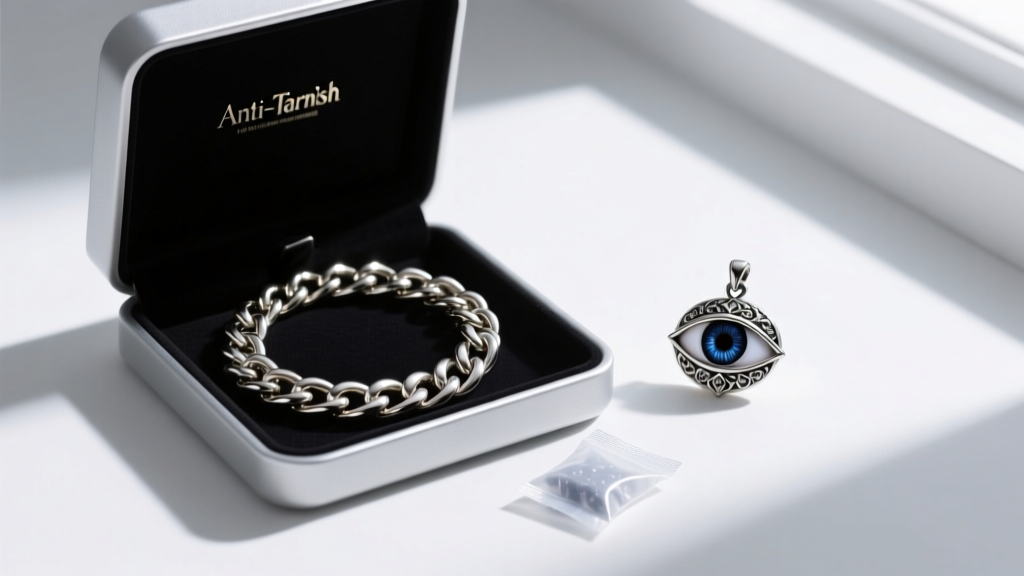
How you store your Doctor Strange necklace when you aren't protecting the multiverse is critical. Never toss it into a communal jewelry box where it can be scratched by harder gemstones like diamonds or sapphires. Store the necklace in a dedicated, zip-sealed anti-tarnish bag with a small silica gel packet to control ambient humidity. Keep it in a cool, dark drawer away from direct UV sunlight, which can cause green resin and dyed stones to fade or become brittle over time.
By understanding the specific metallurgy of your replica and following these targeted maintenance protocols, your Doctor Strange necklace will remain a striking, wearable piece of cinematic history for years to come.