Gold Chunky Cross Necklace: Solid Karat vs Plated Guide
Compare solid 10k, 14k, 18k, and vermeil for your gold chunky cross necklace. Learn weights, durability, and pricing to make the best choice.

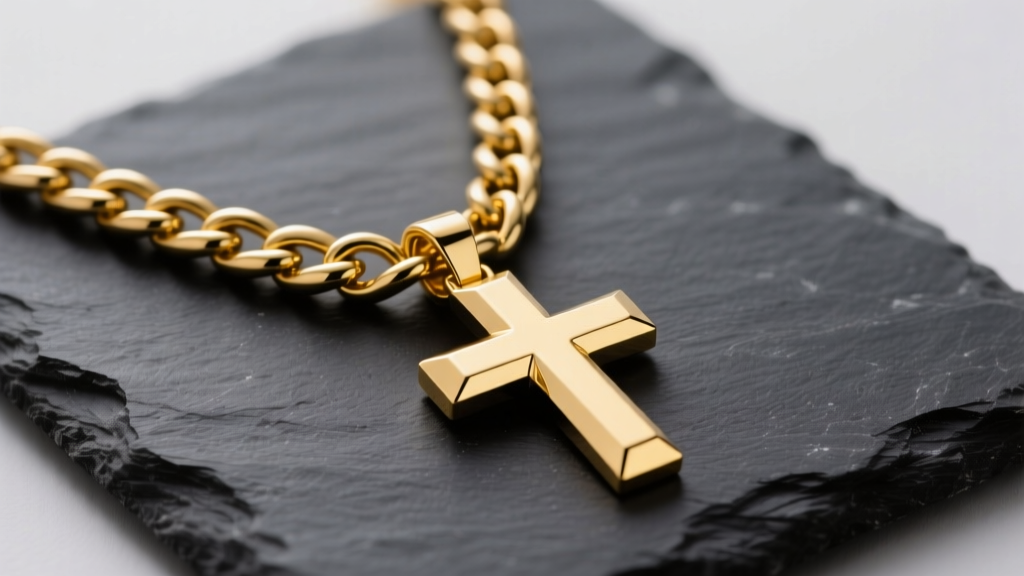
The Anatomy of a True Chunky Cross
The gold chunky cross necklace has transcended its streetwear origins to become a permanent fixture in contemporary luxury jewelry. However, as we navigate the 2026 market, consumers are increasingly scrutinizing the material integrity of these statement pieces. A true 'chunky' cross is not merely defined by its width or height; its defining characteristic is its Z-axis depth and overall specific gravity. While standard pendant crosses might measure 1mm to 2mm thick and weigh under 10 grams, a genuine chunky cross typically boasts a depth of 4mm to 8mm and a weight ranging from 20 grams to over 60 grams.
This substantial mass introduces unique structural challenges. The bail—the loop connecting the pendant to the chain—must be engineered to accommodate heavy chains (usually 5mm to 10mm in width) without creating a weak point. Furthermore, the sheer surface area of a chunky cross makes the choice of material paramount. The alloy composition dictates not only the pendant's color and luster but also its resistance to edge wear, micro-scratching, and long-term tarnish.
Solid Gold Karats: 10k, 14k, and 18k Compared
When investing in solid gold, you are balancing pure gold's inherent softness against the hardness provided by alloying metals like copper, silver, and zinc. According to the Gemological Institute of America (GIA), the karat system dictates the ratio of pure gold to these alloys, fundamentally altering the physical properties of your necklace.
10k Gold: The Durability Champion
Comprising 41.7% pure gold, 10k gold is the most durable option available in the US market. The high concentration of copper and zinc yields a Vickers hardness rating of approximately 135-150 HV, making it highly resistant to the dents and dings that a heavy, swinging cross pendant is prone to. The trade-off is a slightly paler yellow hue and a higher susceptibility to tarnish due to the reactive nature of the base metals. For a daily-wear piece subjected to harsh environments, 10k offers unparalleled structural resilience at the lowest price point per gram.
14k Gold: The Industry Standard
At 58.3% pure gold, 14k gold represents the optimal intersection of luxury, color, and durability. It possesses a rich, warm yellow tone that satisfies traditional jewelry expectations while maintaining enough alloyed strength (around 120-140 HV) to hold crisp, CNC-milled bevels and diamond-cut facets. For a 30-gram chunky cross, 14k provides the necessary heft and scratch resistance without the premium markup of higher karats, making it the most recommended choice for substantial statement pieces.
18k Gold: Luxury and Color Depth
Containing 75% pure gold, 18k offers a deeply saturated, buttery yellow color that is instantly recognizable to connoisseurs. However, pure gold is exceptionally soft (approx. 25 HV), and even when alloyed, 18k gold is noticeably softer than 14k. On a chunky cross with sharp, polished edges, 18k gold will accumulate micro-scratches and patina much faster. While this can lend a desirable 'vintage' look over time, it requires more frequent professional polishing, which gradually removes metal mass over the lifespan of the piece.

Vermeil, Plated, and PVD Alternatives
For those seeking the aesthetic of a gold chunky cross necklace without the five-figure price tag of a solid 60g 18k piece, alternative manufacturing methods exist. However, understanding their failure modes is critical.
- Gold Vermeil: By definition, vermeil requires a sterling silver (.925) base plated with at least 2.5 microns of gold (usually 14k or 18k). While superior to standard flash plating, the thick, heavy edges of a chunky cross are high-friction zones. Vermeil crosses will inevitably show wear on the bevels within 1 to 2 years of daily use, revealing the bright silver beneath.
- PVD Coated Stainless Steel: Physical Vapor Deposition (PVD) bonds a microscopic layer of titanium nitride and gold dust to a surgical steel base. PVD is incredibly hard and highly resistant to sweat and tarnish. The downside? Stainless steel lacks the specific gravity of gold. A PVD chunky cross will feel suspiciously light and 'hollow' to the touch, lacking the premium kinetic swing of solid gold.
- Hollow-Cast 'Puffy' Gold: Some manufacturers create the illusion of a chunky cross by casting thin shells of 10k or 14k gold over a resin core. Avoid these at all costs. They dent easily under minor pressure and are virtually impossible for a jeweler to repair or solder if the bail breaks.
Material Comparison Matrix
| Material | Gold Content | Hardness (Vickers) | Est. Price (30g Pendant) | Tarnish Risk | Best Use Case |
|---|---|---|---|---|---|
| 10k Solid Gold | 41.7% | ~145 HV | $1,200 - $1,500 | Moderate | Heavy daily wear, active lifestyles |
| 14k Solid Gold | 58.3% | ~130 HV | $1,800 - $2,300 | Low | The perfect balance of luxury & wear |
| 18k Solid Gold | 75.0% | ~115 HV | $2,600 - $3,200 | Very Low | Collector pieces, occasional wear |
| Gold Vermeil | Surface (2.5µm) | N/A (Silver base) | $150 - $350 | High (Edge wear) | Fashion-forward, budget-conscious |
| PVD over Steel | Trace | ~800 HV (Coating) | $80 - $200 | None | Water exposure, gym wear |
Chain Pairing: Matching Weight and Tensile Strength
A common mistake when styling a gold chunky cross necklace is pairing a heavy, 40-gram pendant with an inadequate chain. The dynamic load placed on a chain link when a heavy pendant swings can easily exceed the static tensile strength of thin gold wire.
For pendants weighing between 20g and 40g, a 5mm to 7mm Miami Cuban link or a 4mm to 6mm solid Rope chain is mandatory. Both styles offer interlocking link structures that distribute weight evenly. Avoid Box chains or thin Figaro chains, as their solder points are prone to snapping under the pendulum effect of a heavy cross. Furthermore, ensure the clasp is proportionate; a standard spring-ring clasp will fail. Opt for a heavy-duty lobster clasp or, ideally, a customized box clasp with a figure-eight safety latch, as recommended by the World Gold Council for heavy gold jewelry assemblies.
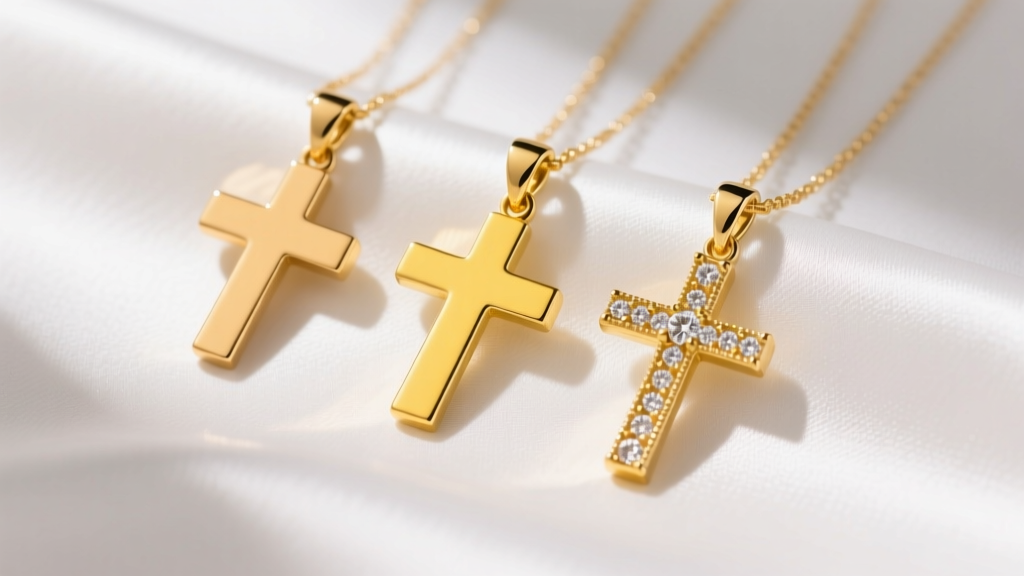
Long-Term Maintenance and Chemical Vulnerabilities
The maintenance required for your cross necklace depends entirely on its alloy composition. While pure gold is virtually indestructible by everyday chemicals, the copper and zinc alloys in 10k and 14k gold are highly reactive to specific environments.
The Chlorine Threat: Never wear a solid gold chunky cross in a chlorinated swimming pool or hot tub. Chlorine causes a metallurgical reaction known as 'stress corrosion cracking,' which specifically attacks the alloyed metals within the gold matrix. This can cause the bail or the thinnest parts of the cross to become brittle and snap without warning.
Polishing Bevels: Many modern chunky crosses feature deep, diamond-cut bevels that catch the light. Frequent use of abrasive polishing cloths will eventually round off these sharp geometric edges, fundamentally altering the design of the pendant. Instead, clean your piece using a soft-bristled brush, warm water, and a few drops of mild dish soap, reserving professional ultrasonic cleaning and light machine polishing for once every few years.
Final Verdict: Which Material is Right for You?
If your goal is to acquire a legacy piece that will retain intrinsic value, develop a rich patina, and be passed down through generations, a solid 14k gold chunky cross necklace is the undisputed champion. It offers the necessary structural integrity to support deep CNC-milled engravings and heavy bails, while providing the authentic, luxurious weight that defines high-end streetwear jewelry. For those prioritizing extreme durability in harsh environments over resale value, PVD-coated steel offers a pragmatic, albeit less prestigious, alternative.


