Expert Care Guide: Cleaning Your Pink Coral Necklace
Learn expert cleaning and maintenance tips for your pink coral necklace. Discover safe washing methods, storage tricks, and how to prevent acid damage.

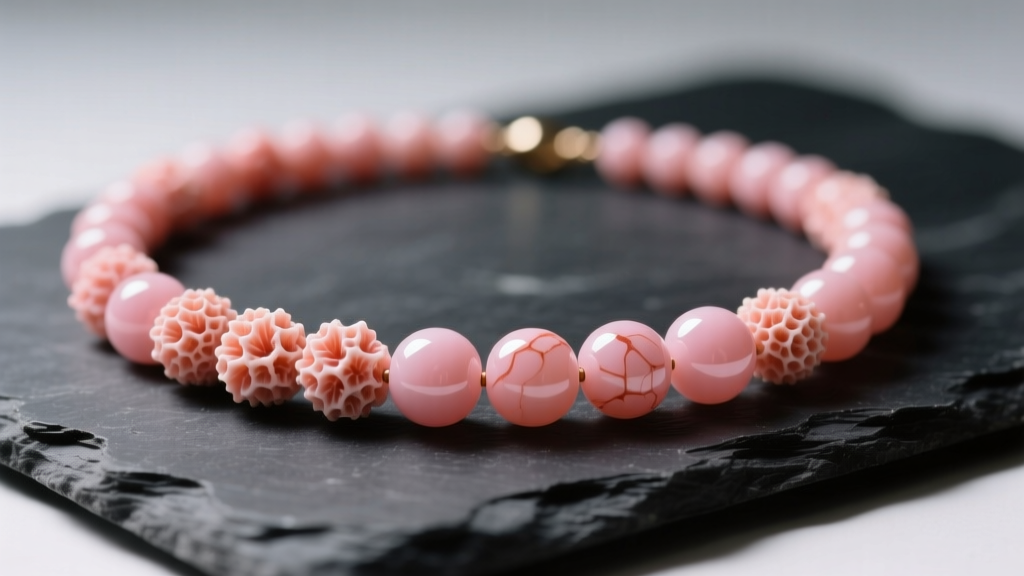
The Delicate Chemistry of Pink Coral
Unlike crystalline gemstones such as diamonds or sapphires, a pink coral necklace is crafted from an organic material. Whether your piece features Angel Skin, Momo, or deep Mediterranean pink coral, it is primarily composed of calcium carbonate (CaCO3) bound together by an organic protein called conchiolin. This unique biological structure gives pink coral its mesmerizing, soft pastel hues, but it also makes the material exceptionally vulnerable to environmental factors. On the Mohs scale of mineral hardness, coral ranks between 3.5 and 4.0. To put this into perspective, a copper penny is about a 3.5, and a steel knife blade is a 5.5. This means your pink coral necklace can be easily scratched by everyday dust (which contains microscopic quartz particles that rank at a 7.0) and requires a highly specialized approach to cleaning and maintenance. Understanding the porous, acid-sensitive nature of calcium carbonate is the first step in preserving the luster and structural integrity of your organic jewelry for generations.
Daily Wear Rules: Preventing Chemical Etching
The most common cause of irreversible damage to a pink coral necklace is chemical etching. Because calcium carbonate is highly reactive to acids, even the mild, natural acidity of human sweat can slowly degrade the polish of your coral beads over time. When the surface etches, it loses its glassy luster and develops a dull, chalky white appearance. To prevent this, you must adopt a strict regimen regarding when and how you wear your coral.
The Golden Rule of Organic Jewelry: Always put your pink coral necklace on last when getting dressed, and take it off first when you get home. This minimizes exposure to cosmetics, perfumes, and hairsprays, which often contain alcohols and acidic compounds that strip the coral's natural oils and polish.
Environmental Hazards to Avoid
- Chlorine and Saltwater: Never wear your coral necklace in swimming pools, hot tubs, or the ocean. Chlorine is a harsh chemical that will rapidly bleach and pit the surface of the coral, while saltwater can degrade the silk thread used for stringing.
- Heat and Sunlight: Prolonged exposure to direct UV radiation or extreme heat (such as leaving the necklace on a sunny car dashboard) can dehydrate the conchiolin matrix, leading to micro-fractures and color fading.
- Kitchen Acids: Remove your necklace before cooking. Airborne vinegar, lemon juice, and tomato splatters are highly acidic and will instantly spot the calcium carbonate surface.
Step-by-Step Safe Cleaning Guide
Commercial jewelry cleaning solutions are strictly forbidden for organic gemstones. Most liquid dips contain ammonia or mild acids designed to strip tarnish from metals, which will aggressively dissolve your pink coral. Ultrasonic cleaners are equally disastrous; the high-frequency vibrations will shatter the porous internal structure of the beads, while the heat generated by the machine can cause thermal shock. Instead, follow this gentle, conservation-grade cleaning method recommended by gemological experts.
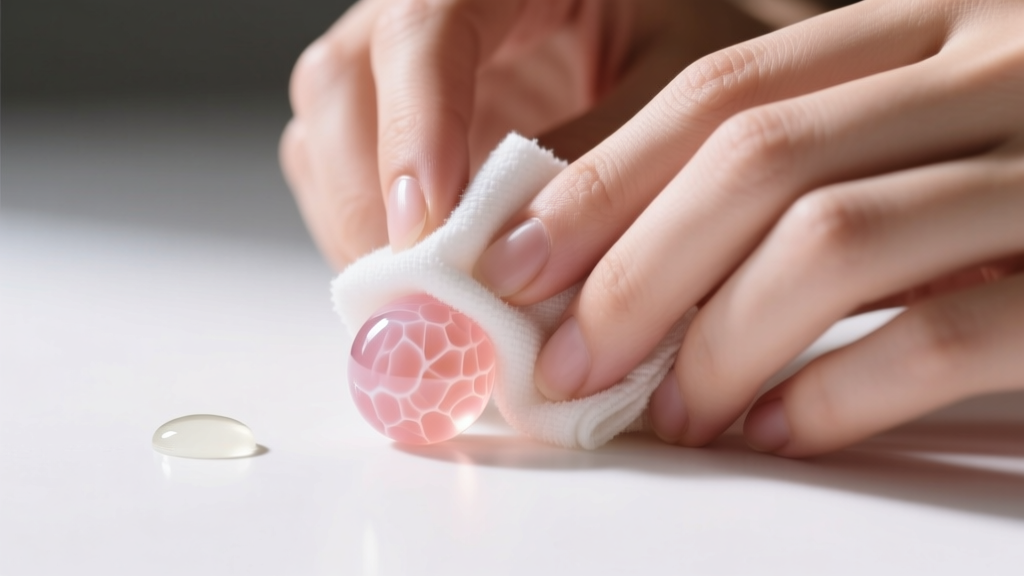
The Distilled Water Method
- Prepare the Solution: In a small glass bowl, mix one cup of distilled water (never tap water, as it contains chlorine and hard minerals) with a single drop of pH-neutral, fragrance-free baby soap or castile soap.
- Dampen the Cloth: Dip a clean, lint-free microfiber cloth into the solution and wring it out until it is only slightly damp. You want to avoid excess moisture, which can seep into the drill holes and rot the internal silk thread.
- Wipe Gently: Carefully wipe each individual coral bead, applying zero pressure. Use a dry cotton swab to gently clean the areas around the drill holes where skin oils and cosmetics accumulate.
- Rinse the Cloth: Rinse your microfiber cloth with pure distilled water, wring it out completely, and wipe the beads a second time to remove any soapy residue.
- Dry Thoroughly: Lay the necklace flat on a dry, clean cotton towel in a well-ventilated room away from direct sunlight. Allow it to air dry completely for at least 12 hours before storing or wearing it again.
For deeper insights into organic gemstone care, the Gemological Institute of America (GIA) emphasizes that minimal moisture and zero chemical intervention are the cornerstones of coral preservation.
Proper Storage Techniques
How you store your pink coral necklace is just as critical as how you clean it. Because coral is relatively soft, it must be kept entirely separate from harder gemstones and metal chains. Storing it in a communal jewelry box will result in severe scratching, even if the pieces are not visibly rubbing together; microscopic movements during drawer opening and closing are enough for a diamond or sapphire to gouge the coral. Furthermore, coral requires a stable humidity environment. Extreme dryness causes cracking, while high humidity promotes mold growth on the silk stringing.
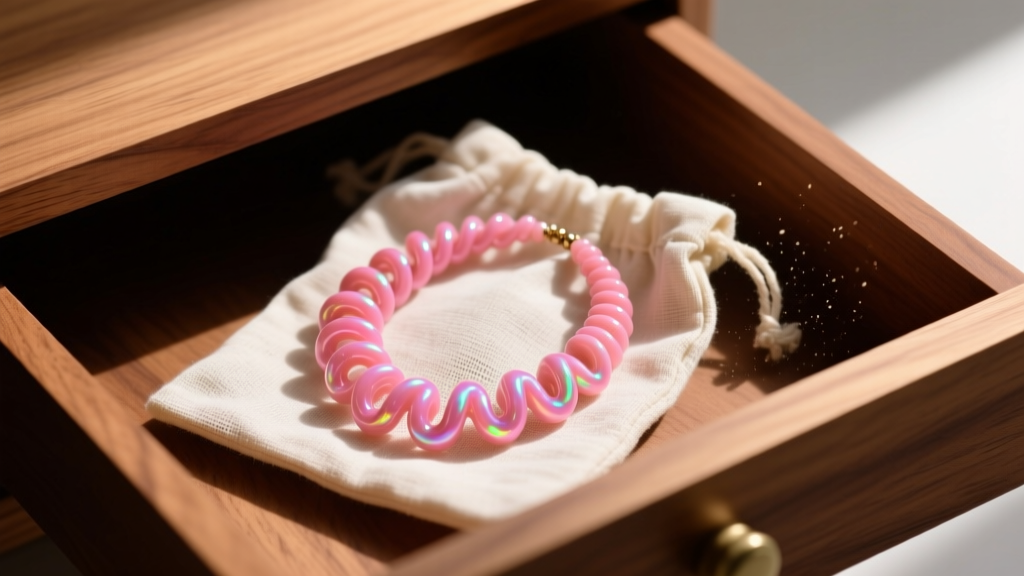
The ideal storage solution is an unbleached, breathable cotton pouch or a soft flannel wrap. Avoid airtight plastic ziplock bags, as they can trap moisture and off-gas volatile organic compounds (VOCs) that may discolor the organic material over time. Lay the necklace flat in a drawer rather than hanging it; hanging heavy coral beads places continuous stress on the silk thread, causing it to stretch and weaken prematurely.
Maintenance Schedule and Restringing
A high-quality pink coral necklace is typically strung on pure silk thread with individual knots placed between each bead. These knots serve a dual purpose: they prevent the beads from rubbing against one another (preventing abrasion), and they ensure that if the strand breaks, you only lose a single bead rather than the entire necklace. However, silk is a natural protein fiber that degrades when exposed to sweat, oils, and friction.
| Maintenance Task | Frequency | Action Required |
|---|---|---|
| Surface Wiping | After every wear | Wipe with a dry, soft microfiber cloth to remove skin oils. |
| Deep Cleaning | Every 3-6 months | Use the distilled water and pH-neutral soap method. |
| Thread Inspection | Every 6 months | Gently pull the strand; if gaps appear between beads and knots, restringing is needed. |
| Professional Restringing | Every 1-2 years | Have a jeweler restring on new silk with individual knots between every bead. |
According to the American Gem Society, regular inspection of the stringing material is vital for heavy organic bead necklaces, as the internal friction of the drill holes acting like tiny saws against the silk is the primary cause of sudden strand failure.
Troubleshooting Common Coral Issues
Loss of Luster and White Spotting
If your pink coral necklace develops dull, chalky white spots, it has likely suffered from acid etching due to contact with perfume, sweat, or harsh chemicals. Unfortunately, this damage cannot be reversed at home with cleaning solutions. The only remedy is to take the piece to a master lapidary or a jeweler specializing in organic gems. They can carefully remove the damaged outer layer by hand-polishing the beads with a specialized, ultra-fine abrasive, restoring the original color and glassy finish. Do not attempt to buff it yourself, as uneven pressure can alter the spherical shape of the cabochons.
Micro-Cracking
If you notice tiny fissures or cracks on the surface of the beads, the coral has likely suffered from thermal shock or extreme dehydration. This often happens when a necklace is worn in freezing outdoor temperatures and then immediately brought into a heavily heated indoor environment. Once structural cracking occurs, the bead is compromised. While it cannot be repaired, you can prevent further degradation by lightly wiping the bead with a tiny amount of mineral oil on a cotton swab once a year to help stabilize the conchiolin matrix, though this is a temporary conservation measure rather than a permanent fix. Always store your coral in a room with stable, moderate humidity (around 40-50%) to prevent future moisture loss.


