Gold Necklace Heart Buying Guide: Karats, Chains & Fit
Discover how to choose the perfect gold necklace heart. Our expert guide covers karat weights, chain styles, clasps, and pricing.

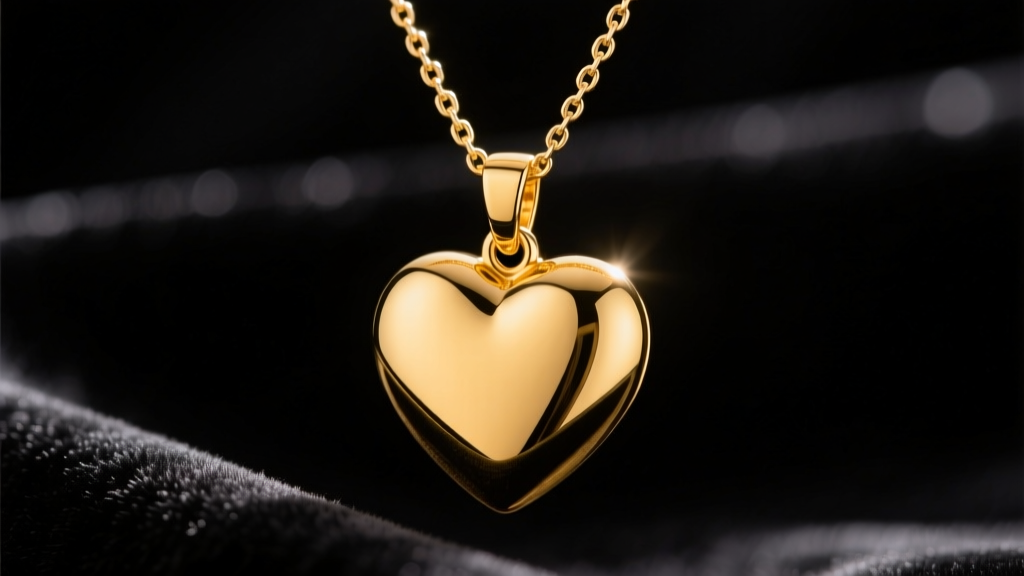
The Anatomy of a Gold Necklace Heart
The heart pendant is arguably the most recognized silhouette in jewelry history, but not all heart necklaces are constructed equally. When shopping for a gold necklace heart, the untrained eye might only see the shape, but a savvy buyer examines the architecture. The two most critical components to inspect are the bail and the body construction.
The Bail: The Unsung Hero
The bail is the loop that connects the heart pendant to the chain. For lightweight hearts (under 2 grams), a standard soldered jump ring bail is perfectly adequate. However, if you are purchasing a solid, heavier 18k gold heart, look for a hidden bail or a reinforced oval bail. A hidden bail routes the chain through the back of the pendant, allowing the heart to lay completely flat against the sternum without the chain rubbing against the top edge, which can cause premature wear and thinning of the gold over time.
Solid vs. Hollow Construction
Many mass-market jewelers sell hollow gold hearts. These are stamped from thin sheets of 10k or 14k gold and soldered together. While they offer a large surface area for a lower price, they are highly susceptible to denting and cannot be repaired if crushed. A solid cast heart is heavier, feels substantial on the neck, and can be polished, buffed, and repaired by a jeweler for a lifetime of wear. Always ask the retailer for the gram weight; if a large heart pendant weighs less than 1.5 grams, it is likely hollow or extremely thinly cast.
Decoding Karat Weights for Heart Pendants
Pure 24k gold is too soft for everyday jewelry. To create a durable gold necklace heart, gold is alloyed with metals like copper, silver, and zinc. According to the Gemological Institute of America (GIA), the karat weight dictates both the color and the structural integrity of the piece.
| Karat | Gold Purity | Durability | Color Profile | Best Use Case |
|---|---|---|---|---|
| 10k | 41.7% | Very High | Pale, slightly brassy | Budget-friendly, high-impact daily wear |
| 14k | 58.3% | High | Warm, classic yellow | The industry standard for everyday pendants |
| 18k | 75.0% | Moderate | Rich, deep yellow | Heirloom pieces, occasional wear, luxury gifts |
| 22k | 91.6% | Low | Intense, buttery gold | Investment pieces, traditional cultural jewelry |
For a piece meant to be worn daily against the skin and clothing, 14k gold remains the optimal choice in 2026. It provides the perfect equilibrium between a rich gold hue and the tensile strength required to prevent the bail from bending or the heart from scratching deeply.
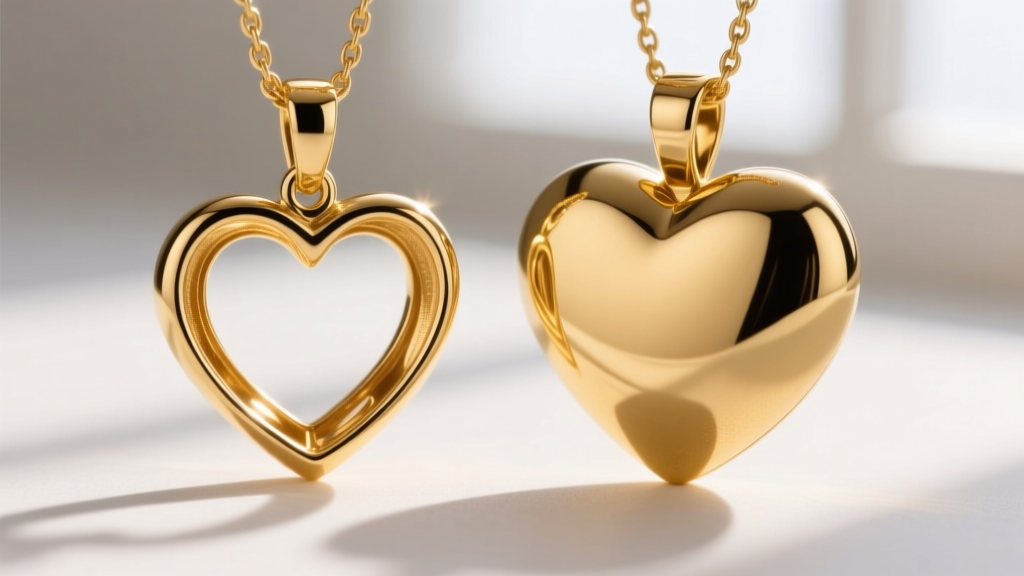
Matching the Chain to the Heart Pendant
A common mistake buyers make is pairing a heavy solid heart pendant with a flimsy, ultra-thin chain. This creates a point of stress that will eventually snap the chain. The general rule of thumb is that the chain's breaking strength should comfortably exceed the weight of the pendant.
Chain Styles and Durability
- Box Chains: The absolute best choice for heart pendants. Their square, interlocking links lie flat, resist kinking, and distribute the weight of the pendant evenly. Opt for a 1.0mm to 1.5mm width for medium-sized hearts.
- Wheat (Spiga) Chains: Woven in a braided pattern, wheat chains are incredibly strong and have a beautiful texture that complements the smooth polish of a gold heart. A 1.2mm wheat chain can easily support a 4-gram pendant.
- Cable Chains: The classic oval link. While beautiful, they are prone to kinking if the heart pendant twists. If you choose a cable chain, ensure the links are soldered shut.
- Snake Chains: Avoid these for pendants. The tight, smooth scales of a snake chain look elegant, but the pendant bail can wedge between the links, causing the chain to separate or bend permanently.
Clasp Mechanics: Securing Your Sentiment
The clasp is the most frequent point of failure on any necklace. When evaluating a gold necklace heart, inspect the clasp mechanism closely.
Spring Ring Clasps: These are the small, perfectly circular clasps with a tiny spring-loaded lever. They are inexpensive and common on lightweight chains, but they are difficult to operate with one hand and can fail if the internal spring wears out or the gap bends open.
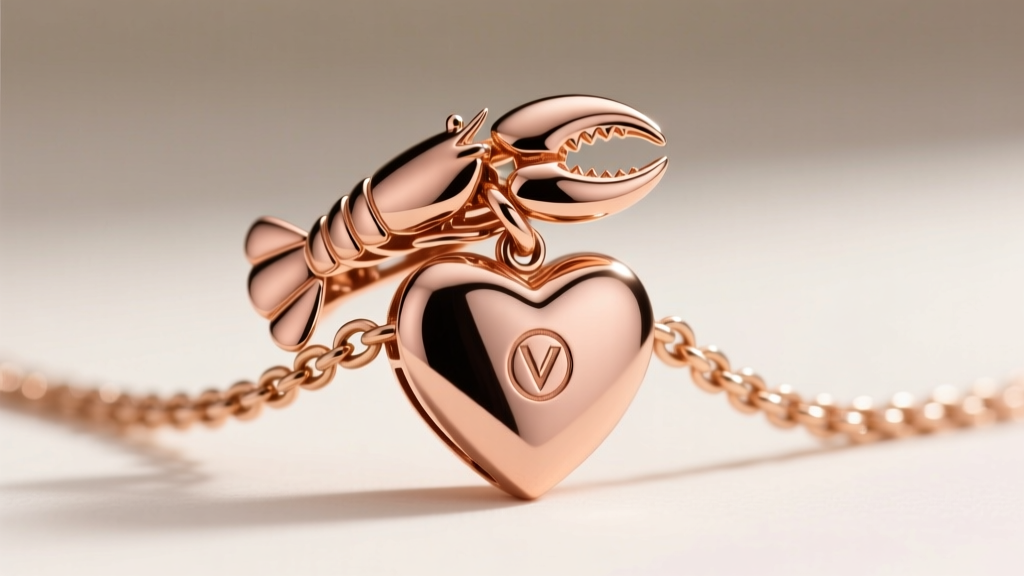
Lobster Claw Clasps: Named for their shape, these are vastly superior for heart pendants. They feature a stronger internal spring and a wider lever, making them easier to open and much more resistant to accidental snagging. For any heart pendant weighing over 2 grams, a lobster claw is non-negotiable.
Toggle Clasps: If you are buying a thicker, heavier chain (like a 2.5mm rope chain) to hold a substantial heart medallion, a toggle clasp is both secure and decorative. The weight of the heavy heart pendant actually helps keep the toggle bar pulled tight against the ring, securing it in place.
Pricing Framework: What Should You Pay?
Navigating the pricing of gold jewelry can feel opaque, but you can calculate a fair retail price using a straightforward framework. The Federal Trade Commission (FTC) mandates strict guidelines on gold purity stamping, ensuring that when you buy a stamped 14k piece, you are getting exactly 58.3% pure gold.
To determine if a gold necklace heart is priced fairly, use this formula:
(Current Gold Spot Price per Gram × Pendant Weight in Grams × Karat Purity) + Fabrication Premium = Fair Retail Price
For example, if the spot price of pure gold is $65 per gram, the raw gold value of a 3-gram 14k heart is roughly $113 ($65 × 3 × 0.583). Jewelers typically add a fabrication and retail premium of 100% to 250% to cover casting, polishing, chain inclusion, and overhead. Therefore, a fair retail price for that complete necklace would range between $225 and $395. If you see a solid 3-gram 14k gold heart necklace selling for $80, it is likely hollow, gold-plated, or misstamped. Always look for the 14K or 585 stamp near the bail or on the clasp.
Final Fitting and Neckline Considerations
The final step in buying a gold necklace heart is selecting the correct chain length, which dictates where the heart rests on the body. The placement of the heart drastically changes its visual impact and how it pairs with different necklines.
- 16 Inches (Choker Length): The heart sits tightly at the base of the throat. This is a highly visible, statement-making length that pairs best with V-necks, scoop necks, or off-the-shoulder tops. It is not recommended for heart pendants wider than 15mm, as they can look cumbersome against the collarbone.
- 18 Inches (Princess Length): The universal standard. An 18-inch chain allows the heart to rest perfectly in the suprasternal notch (the hollow dip between the collarbones) or just below it. This length is versatile, tucking neatly under a button-down shirt or laying beautifully over a crewneck sweater.
- 20 to 22 Inches (Matinee Length): The heart rests on the upper chest. This length is ideal for larger, heavier heart lockets or medallions. It works exceptionally well for layering over turtlenecks or wearing as a standalone piece over a simple t-shirt, giving the pendant room to swing and catch the light.
By paying close attention to the bail construction, matching the chain tensile strength to the pendant weight, and verifying the karat stamp, you can invest in a gold necklace heart that is not only a beautiful symbol of affection but a structurally sound piece of fine jewelry built to last generations.


