Decoding the Victorian Hand Necklace: A Beginner Guide
Discover the rich symbolism, materials, and styling tips behind the Victorian hand necklace. Perfect for beginners exploring antique motif jewelry.

What is a Victorian Hand Necklace?
The Victorian era (1837–1901) was a period defined by strict social etiquette, profound romanticism, and an intricate language of symbolism. In jewelry, motifs were rarely just decorative; they were deeply coded messages. Among the most fascinating and highly sought-after antique pieces today is the Victorian hand necklace. For beginners stepping into the world of antique jewelry, understanding the nuances of these pendants is essential. Whether you are drawn to the romantic clasped hands of a love token or the somber elegance of a mourning piece, the hand motif carries centuries of sentimental weight.
Unlike modern mass-produced jewelry, an authentic Victorian hand necklace was often a bespoke creation, tailored to convey a specific emotion—from betrothal and enduring love to grief and spiritual guidance. As a beginner, learning to read these visual cues will not only help you appreciate the artistry but also protect you from purchasing misidentified reproductions.
The Three Core Hand Motifs in Victorian Jewelry
Before evaluating materials or pricing, you must understand the iconography. The hand was a versatile symbol in the 19th century, generally falling into three distinct categories.
1. The Clasped Hands (The Fede Motif)
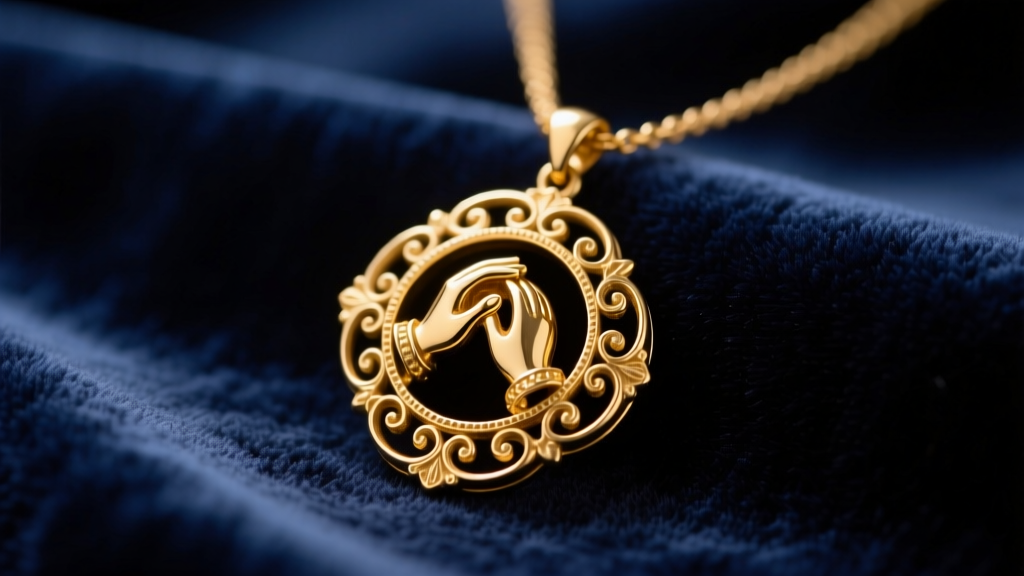
Originating from the Italian phrase mani in fede (hands in faith), the clasped hands motif dates back to Roman times but experienced a massive revival during the Victorian era. In a Victorian hand necklace featuring this design, two hands are shown clasping each other, often with intricate lace cuffs carved into the gold or silver. This was the ultimate symbol of betrothal, fidelity, and unbreakable bonds. Some variations include a heart resting above the hands or a crown, symbolizing loyalty and the reigning over one's heart.
2. The Pointing Hand (Mourning and Memorial)
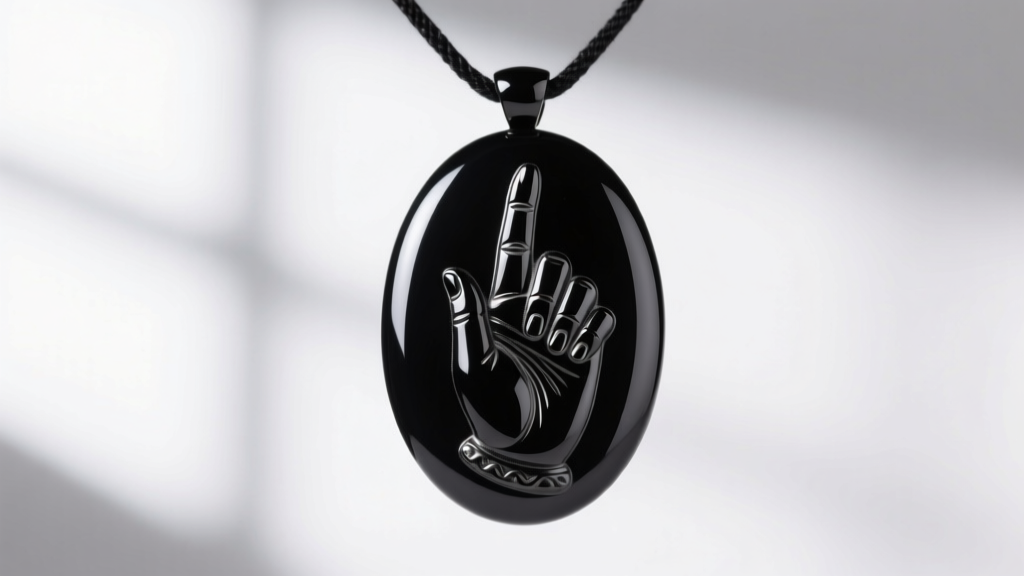
Following the death of Prince Albert in 1861, Queen Victoria plunged the British Empire into decades of strict mourning protocols. This gave rise to an entire industry of mourning jewelry. A Victorian hand necklace from this sub-genre often features a single hand carved in relief. If the index finger is pointing upward, it symbolizes the soul's ascent to heaven or the hope of resurrection. Conversely, a hand pointing downward was a stark memento mori, reminding the wearer of mortality and the grave. These were often worn by widows or grieving parents.
3. The Hand Holding Flora (Sentimental and Acrostic)
The Victorians were obsessed with floriography (the language of flowers). A hand gently holding a specific bloom transformed the necklace into a coded message. A hand holding a pansy (from the French pensée) meant "think of me." A hand grasping an ivy sprig symbolized eternal friendship or wedded love. These pieces were frequently gifted between friends, sisters, or lovers separating for long journeys.
Materials and Identification: A Beginner's Matrix
The material of your Victorian hand necklace is the primary indicator of its purpose, its era, and its current market value. The 19th century saw rapid industrialization, which introduced new materials alongside traditional precious metals. Another deeply personal material often incorporated into these necklaces is woven human hair. It was common for a Victorian hand necklace to feature a glass locket or compartment on the reverse side, securely holding a tightly woven lock of hair from a loved one, either as a romantic keepsake or a mourning relic. Below is a quick-reference matrix to help you identify the primary carving materials.
| Material | Primary Use | Identifying Traits | Estimated Antique Price Range |
|---|---|---|---|
| 15k Yellow Gold | Love tokens, high-society betrothal | Warm hue, often hallmarked '15' or '625', heavy patina in crevices | $800 - $3,500+ |
| Whitby Jet | Deep mourning jewelry | Fossilized wood, lightweight, warm to the touch, leaves a brown streak on unglazed porcelain | $300 - $1,200 |
| Vulcanite | Affordable mourning alternative | Hardened rubber, dark brown/black, smells faintly of burnt rubber when rubbed vigorously | $150 - $450 |
| Pinchbeck | Travel jewelry, middle-class sentimental | Copper/zinc alloy, mimics gold but lacks hallmarks, shows reddish wear on high points | $200 - $600 |
| Bog Oak | Mourning and Irish sentimental | Fossilized wood, very dark brown, visible wood grain texture under magnification | $150 - $500 |
For authoritative insights on antique materials, the Victoria and Albert Museum's jewelry archives offer exceptional visual guides on distinguishing genuine Whitby jet from French jet (black glass), which is heavier and cold to the touch.
Authentication: How to Date a Victorian Hand Necklace
Buying antique jewelry requires a detective's eye. Reproductions of the Victorian hand necklace flooded the market in the 1970s and again in the 2010s. To ensure you are purchasing a genuine 19th-century piece, examine these three critical structural elements:
Inspect the Clasp and Hinge
The clasp is the most reliable dating tool. If the necklace features a simple "C-clasp" (a curved hook with no rolling safety latch), it likely dates before 1890. The invention of the safety catch occurred in the late 1890s and became standard in the Edwardian era. Additionally, look at the hinge of the pendant bail. A simple tube hinge with a visible pin indicates hand-fabrication typical of the mid-1800s, whereas perfectly uniform, machine-stamped hinges suggest a later reproduction.
Check for Hallmarks and Wear Patterns
In the UK, 15k gold (marked as 625) was the standard for fine jewelry until 1932, when it was replaced by 14k and 18k standards. Finding a 15k hallmark on a Victorian hand necklace is a strong indicator of authenticity. Furthermore, examine the high-relief areas of the carving. Genuine antiques will have soft, rounded edges from over a century of friction against skin and clothing. Reproductions often feature sharp, crisp edges or artificial "antiquing" (dark acid wash) that looks uniformly painted into the crevices.
Advanced Material Testing
To definitively test Whitby jet without damaging the piece, rely on its thermal properties; genuine jet warms to the skin almost instantly, whereas French jet (black glass) remains stubbornly cold. Vulcanite, on the other hand, will develop a brownish hue over time when exposed to prolonged sunlight, a chemical reaction of the sulfur used in the vulcanization process. Experts at Lang Antiques' educational portal provide excellent macro-photography examples of antique link soldering versus modern laser welding, which is vital for authenticating the accompanying chains.
Styling Your Victorian Hand Necklace for Modern Wear
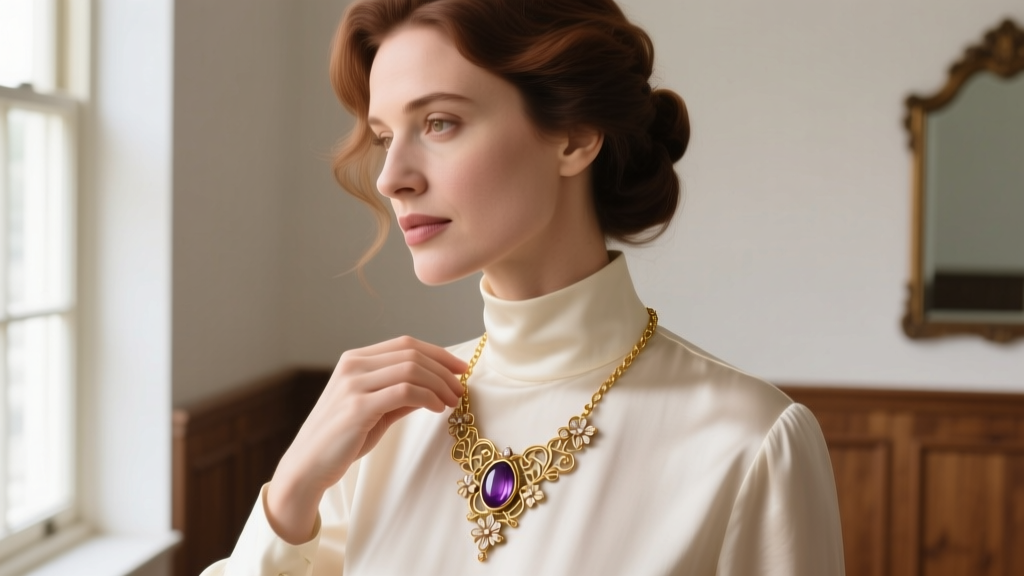
Integrating a 150-year-old artifact into a contemporary wardrobe requires a balance of respect for the piece and modern aesthetic sensibility. The Victorian hand necklace is inherently a statement piece, meaning it should be given room to breathe.
Neckline Pairings
Because these pendants often feature intricate carving and a vertical drop (especially the pointing hand motifs), they pair best with open necklines. A deep scoop neck, a subtle V-neck, or a Victorian-inspired high collar with a keyhole cutout provides the perfect canvas. Avoid busy patterns or heavy ruffles that will compete with the pendant's detailed relief work.
The Art of Antique Layering
Layering is a modern trend, but it can be adapted for antique jewelry. The golden rule is to maintain a minimum two-inch gap between chains to prevent the softer antique gold or jet from scratching. When layering, be mindful of metal hardness. If your Victorian hand necklace is crafted from 15k gold (which is relatively soft compared to modern 14k alloys), avoid layering it with heavy, modern stainless steel or platinum chains. The friction will act like sandpaper, slowly erasing the antique patina and softening the intricate hand-carved details over time. Pair your 18-inch Victorian piece with a delicate 14-inch antique rope chain or a simple 20-inch oxidized silver watch chain to create a historically grounded cascade.
Final Thoughts for the Beginner Collector
Collecting a Victorian hand necklace is an exercise in historical preservation. You are not just buying a beautiful accessory; you are adopting a tangible piece of 19th-century human emotion. Whether it is a gold Fede pendant that once sealed a marriage pact or a carved jet hand that helped a widow navigate her grief, these pieces carry a profound gravity. By understanding the motifs, mastering material identification, and rigorously checking structural hallmarks, you can confidently navigate the antique market and find a piece that resonates with your personal style and historical appreciation.


