How Much Are Gold Necklaces? 2026 Cost & Value Troubleshooting
Discover how much gold necklaces cost in 2026. Learn to calculate melt value, spot retail markups, and avoid hollow gold scams with our expert guide.

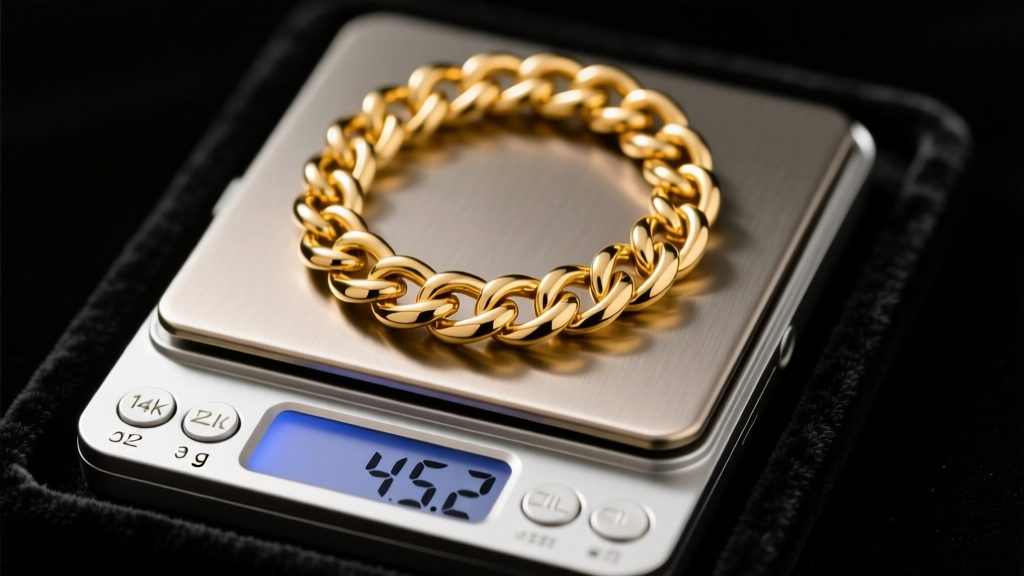
When shoppers ask, "how much are gold necklaces," they are often met with frustratingly vague answers or wildly inconsistent price tags. In 2026, with precious metal markets experiencing historic volatility, the gap between a necklace's intrinsic melt value and its retail price has never been more confusing. A delicate 14k gold chain might cost $250, while a similarly sized 18k piece could demand $1,200. Are you paying for superior craftsmanship, or are you being taken advantage of by inflated retail markups?
As a buyer, troubleshooting a gold necklace's price requires moving beyond the karat stamp and understanding the mathematics of precious metals, manufacturing techniques, and hidden structural flaws. This guide provides a definitive, problem-solving framework to help you calculate true value, identify deceptive pricing tactics, and ensure your investment holds its weight.
The Core Problem: Deconstructing the Retail Markup
The fundamental issue consumers face is misunderstanding what they are actually buying. When you purchase a solid gold necklace, you are paying for two distinct components: the commodity value (the raw gold) and the premium (manufacturing, brand markup, and retail overhead).
Many jewelers obscure this breakdown. According to the Federal Trade Commission's Jewelry Guides, retailers are legally required to accurately represent metal purity, but they are not obligated to disclose the raw weight-to-price ratio. A machine-made 14k gold box chain produced in massive quantities might carry a 40% markup over its melt value. Conversely, a hand-forged Italian rope chain could legitimately command a 300% premium due to the intense labor required to weave and solder the links. Troubleshooting the price tag starts with isolating the raw material cost.
Troubleshooting the Price Tag: A Step-by-Step Calculation Framework
To determine if a gold necklace is fairly priced, you must calculate its baseline melt value. Gold is traded globally in troy ounces (31.1035 grams). To find the value of a specific necklace, you need three data points: the current spot price of gold, the chain's exact gram weight, and its karat purity.
The 2026 Baseline Valuation Table
Using a hypothetical 2026 spot price of $2,250 per troy ounce ($72.34 per gram of pure 24k gold), here is how you troubleshoot the base material cost of common necklace weights and purities:
| Karat | Purity % | Melt Value per Gram | 10g Chain Base | 25g Chain Base | 50g Chain Base |
|---|---|---|---|---|---|
| 10k | 41.7% | $30.16 | $301.60 | $754.00 | $1,508.00 |
| 14k | 58.3% | $42.17 | $421.70 | $1,054.25 | $2,108.50 |
| 18k | 75.0% | $54.25 | $542.50 | $1,356.25 | $2,712.50 |
| 22k | 91.6% | $66.26 | $662.60 | $1,656.50 | $3,313.00 |
Note: Always check live markets via authoritative sources like Kitco before making a purchase, as spot prices fluctuate daily.
Applying the Craftsmanship Multiplier
Once you have the base melt value, apply the craftsmanship multiplier. For standard, machine-made chains (like curb, cable, or basic box chains), a fair retail price is typically 1.3x to 1.8x the melt value. For complex, semi-solid, or hand-linked chains (like Miami Cuban links, Byzantine, or Foxtail chains), a multiplier of 2.0x to 3.5x is standard. If a retailer is charging a 5x multiplier on a simple machine-stamped cable chain, you are overpaying for the brand name, not the gold.

Red Flags: Troubleshooting Common Gold Necklace Scams
When the price of a gold necklace seems "too good to be true," it usually indicates a structural compromise rather than a generous discount. The Gemological Institute of America (GIA) outlines several manufacturing techniques that drastically alter a piece's value and durability.
The Hollow Gold and Electroforming Trap
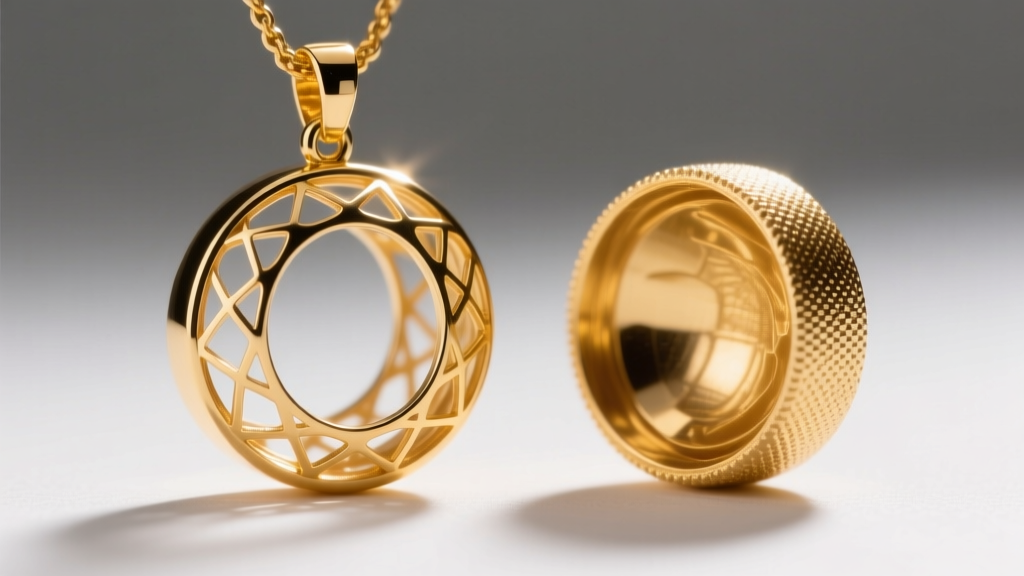
Electroforming is a process that creates large, voluminous gold jewelry that is incredibly lightweight. A hollow 14k gold pendant might look like it weighs 30 grams but actually weighs only 4 grams. While this lowers the upfront cost, it creates massive long-term problems. Hollow gold necklaces are prone to denting, cannot be easily resized or repaired, and will collapse if snagged. If a jeweler does not explicitly disclose that a chain is hollow or "semi-solid," walk away.
Misleading Karat Stamps and Plumb Gold
In the US, 14k gold only needs to be 13.5k (56.25% pure) to legally carry a 14k stamp, provided it doesn't fall below the 54.2% threshold when accounting for solder. However, high-end manufacturers use the "Plumb" stamp (e.g., 14KP). Plumb gold guarantees the piece is at least the exact karat stated, with no negative tolerance. If you are paying a premium for high-purity gold, look for the "P" or buy from assayed European brands that use strict parts-per-thousand stamps (like 585 for 14k or 750 for 18k).
Gold-Filled vs. Heavy Gold Electroplate (HGE)
Unscrupulous sellers often market Gold-Filled (GF) or Heavy Gold Electroplate (HGE) necklaces as "solid gold alternatives." Gold-filled chains consist of a brass core with a thick outer layer of karat gold (legally required to be at least 5% of the total weight). While durable, they have virtually zero melt value. Never pay a price calculated on the gold spot market for a gold-filled piece.
The Hidden Costs: Repair and Maintenance Troubleshooting
A common mistake buyers make is evaluating a necklace's price without considering its lifecycle maintenance costs. The structural integrity of the chain dictates its future repair expenses.
- Solid Curb and Cuban Links: Highly durable. If a link stretches or the clasp fails, a jeweler can easily laser-weld or solder the joint. Repair costs are minimal ($30–$60).
- Box and Wheat Chains: Prone to kinking. Once a box chain kinks, the structural memory of the metal is compromised. Straightening it weakens the links, often leading to future snaps.
- Hollow Chains: A nightmare to repair. The intense heat required for traditional soldering will melt the thin outer shell, destroying the link. Laser welding is required, which is expensive and not always successful.
- Rope Chains: Beautiful but fragile when thin. A snagged rope chain under 2mm thickness will unravel and require complete re-weaving by a master jeweler, a service that can exceed the original cost of the chain.
Actionable Checklist: Verifying Value Before Purchase
To ensure you are paying a fair price for your gold necklace, run through this troubleshooting checklist at the point of sale:
- Demand the Gram Weight: Never buy a gold chain priced solely by the "piece." Ask for the exact weight in grams on a calibrated digital scale.
- Verify the Stamps: Use a loupe to check the clasp and links for purity stamps (10k, 14k, 18k, 417, 585, 750) and a maker's mark.
- Perform the Magnet Test: Gold is non-magnetic. If the chain or the internal spring of the lobster clasp sticks to a rare-earth magnet, the core is likely steel or iron (note: clasp springs are often steel by necessity, but the chain links must not be).
- Ask About the Core: Explicitly ask, "Is this chain solid, semi-solid, or hollow?" Get the answer in writing on the receipt.
- Check the Clasp Quality: A heavy 50-gram solid gold chain should never be fitted with a cheap, lightweight lobster clasp. It should feature a sturdy box clasp with a figure-eight safety latch to prevent loss.
Conclusion
Answering the question "how much are gold necklaces" requires shifting your mindset from passive shopper to informed analyst. By calculating the baseline melt value, applying the correct craftsmanship multiplier, and aggressively troubleshooting for hollow constructions or misleading stamps, you can navigate the 2026 jewelry market with confidence. True value in gold jewelry is found at the intersection of transparent material weight, verifiable purity, and structural longevity.


