2026 Gift Guide: The Perfect Gold Necklace With Gold Beads
Discover the ultimate 2026 gift guide for a gold necklace with gold beads. Learn how to choose karats, bead sizes, and styles for every occasion.

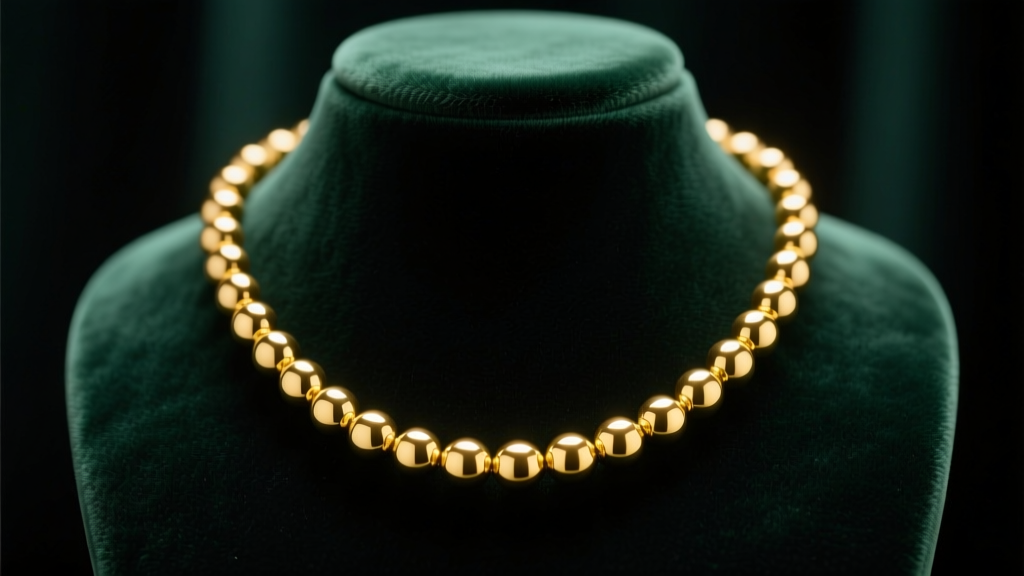
Why a Gold Necklace With Gold Beads is the Ultimate 2026 Gift
When it comes to selecting a timeless, versatile, and deeply personal piece of jewelry, few options rival the elegance of a gold necklace with gold beads. As we navigate the 2026 gifting season, consumer preferences have shifted heavily toward investment-grade, gender-neutral, and layering-friendly pieces. The beaded gold necklace perfectly intersects all three trends. Unlike a simple cable chain or a singular pendant, a strand of gold beads offers a unique interplay of light, texture, and movement. It catches the eye without overwhelming the wearer's natural style, making it an exceptionally safe yet highly thoughtful gift for partners, family members, or even as a milestone treat for yourself.
However, not all beaded gold necklaces are created equal. The market is flooded with hollow, lightweight imitations that dent upon impact and feature subpar clasps that fail within months. To ensure your gift stands the test of time, you must understand the metallurgy, construction techniques, and mechanical nuances that separate an heirloom-quality piece from cheap costume jewelry. This comprehensive guide will equip you with the exact specifications needed to choose the perfect gold necklace with gold beads for any occasion.
Decoding the Details: Karat Weight and Bead Construction
The foundation of any fine jewelry gift lies in its material composition. According to the Gemological Institute of America (GIA), the karat weight dictates not only the color of the gold but also its structural integrity—a critical factor when dealing with spherical bead construction.
14K vs. 18K vs. 22K Gold
- 14K Gold (58.5% Pure): Alloyed with metals like copper, zinc, and silver, 14K gold is the undisputed champion of durability. For a daily-wear beaded necklace, 14K ensures the beads will resist crushing and scratching. It has a slightly paler yellow hue but offers the best structural resilience.
- 18K Gold (75% Pure): Offering a rich, buttery yellow color, 18K is the sweet spot for luxury gifting. It is softer than 14K, meaning larger beads (6mm and above) may acquire a soft patina or minor dents over years of heavy wear, but its visual warmth is unmatched.
- 22K Gold (91.6% Pure): Highly prized in South Asian, Middle Eastern, and Southeast Asian cultures, 22K gold boasts a deep, orange-yellow saturation. However, it is inherently soft. A 22K gold necklace with gold beads should be gifted as an heirloom or cultural milestone piece rather than for rugged, everyday wear.
Solid vs. Electroformed Hollow Beads
This is where many buyers are misled. Electroforming is a manufacturing process that creates large, lightweight, hollow gold beads. While they offer a massive visual presence for a lower price point, they are essentially paper-thin. If the recipient accidentally drops a hollow bead necklace on a hard tile floor, the beads can shatter or dent irreparably. For a meaningful gift, always verify that the product description specifies solid or semi-solid stamped and soldered beads. Solid beads carry a satisfying, luxurious weight and will last generations.
The Unsung Hero: Clasp Mechanics and Failure Points
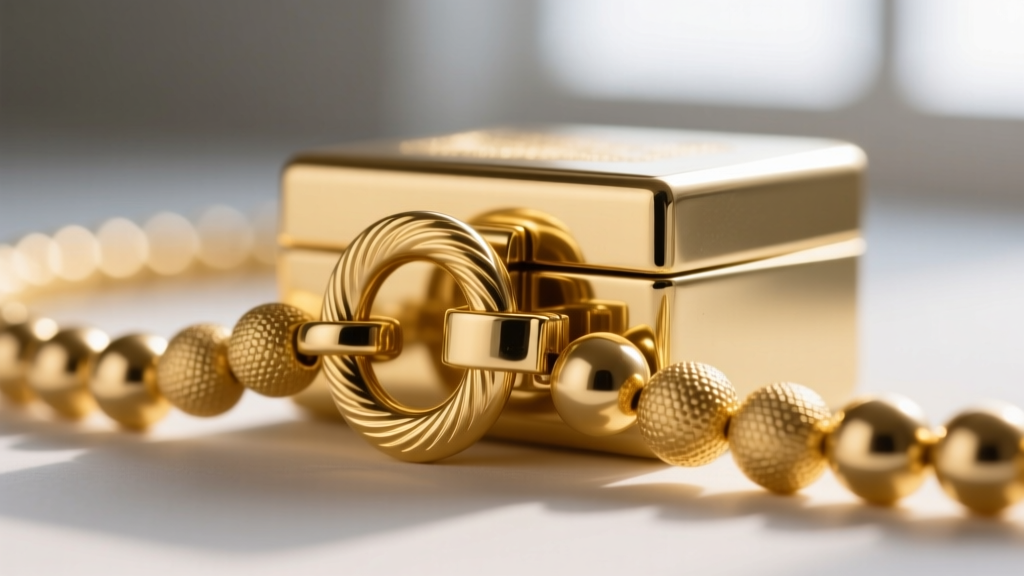
A gold necklace with gold beads carries significantly more kinetic energy and dead weight than a standard chain. When the necklace is taken off or catches on a garment, the stress is transferred directly to the clasp and the two end-jump-rings. Choosing the right clasp is non-negotiable for a high-end gift.
- Spring Ring Clasps: Avoid these for beaded necklaces. The internal spring mechanism is weak, and the soldered joint often snaps under the weight of continuous gold beads.
- Lobster Claw Clasps: The industry standard for bead sizes ranging from 2mm to 5mm. Ensure the lobster clasp is cast solid, not stamped from sheet metal, to prevent the lever from bending outward over time.
- Box Clasps with Figure-Eight Safety: Mandatory for continuous bead necklaces featuring beads 6mm or larger. The tongue-and-groove box mechanism locks the necklace securely, while the external figure-eight safety wire acts as a backup in case the primary latch is accidentally depressed.
Occasion Matching: Selecting the Right Bead Style
Matching the bead size and style to the recipient's lifestyle and the gifting occasion is the hallmark of a thoughtful buyer. Below is a strategic framework to help you align your purchase with the moment.
| Occasion | Ideal Bead Style & Size | Karat Recommendation | Estimated Price Range (18-inch) |
|---|---|---|---|
| Graduation / Early Career | 2mm - 3mm Station Beads (beads spaced every 2 inches on a cable chain) | 14K Yellow or Rose Gold | $250 - $450 |
| Milestone Anniversary | 4mm - 5mm Continuous Solid Polished Beads | 18K Yellow Gold | $800 - $1,500 |
| 40th or 50th Birthday | 6mm - 8mm Continuous Diamond-Cut or Textured Beads | 18K or 22K Yellow Gold | $1,800 - $3,500+ |
| Cultural / Heritage Event | 8mm+ Solid Round or Matte-Finish Beads | 22K Yellow Gold | $2,500 - $5,000+ |
Layering Frameworks for the Modern Wardrobe
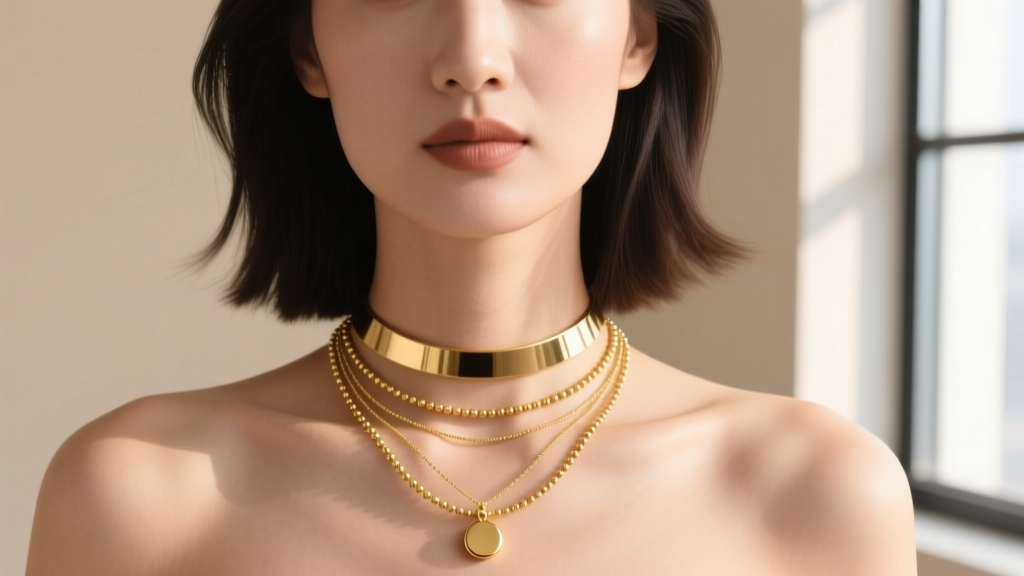
In 2026, the single-strand look is often integrated into a curated "neck stack." A gold necklace with gold beads is an exceptional anchor piece for layering, provided you follow the principles of visual weight and spacing.
If you are gifting a 2mm to 3mm beaded chain, it pairs beautifully as a secondary layer beneath a solid gold pendant necklace (like a signet or a simple geometric shape). The texture of the beads breaks up the visual monotony of multiple smooth chains.
For 5mm and larger continuous bead necklaces, the piece commands attention and should be worn as the primary focal point. It can be layered with a much longer, 24-inch to 28-inch rope chain or a strand of dark gemstones (like onyx or lapis lazuli) to create a striking contrast. Avoid layering large gold beads with other bulky chains, as the friction will cause premature wear and scratching on both pieces.
Care and Maintenance: Preserving the Luster
Gold beads, particularly those with diamond-cut facets or matte finishes, require specific care to maintain their optical brilliance. The Jewelers of America recommends avoiding ultrasonic cleaners for textured or diamond-cut beaded necklaces. The high-frequency vibrations can dull the sharp edges of the facets or loosen the soldered links connecting the beads.
Instead, instruct the recipient to clean the necklace using a few drops of mild, phosphate-free dish soap in warm water. A soft-bristled baby toothbrush can be gently swept between the beads to remove accumulated skin oils, lotions, and environmental dust. After rinsing, the necklace should be patted dry with a lint-free microfiber cloth rather than air-dried, which can leave hard water spots on the polished gold surfaces.
Final Verdict: Sourcing Authentic Pieces
When investing in a gold necklace with gold beads, provenance and transparency are paramount. Always purchase from jewelers who provide explicit details regarding the gold weight in grams, the exact millimeter diameter of the beads, and the origin of the alloy. Avoid vague descriptions like "gold tone" or "heavy gold electroplate," which indicate base metals that will inevitably tarnish and degrade. By prioritizing solid construction, appropriate karat weights, and secure clasp mechanics, you are not just giving a piece of jewelry; you are gifting a durable, luminous artifact that will elegantly drape the recipient for decades to come.


