Gold Plate Necklaces: A Technical Guide to Microns and Base Metals
Discover the technical truth behind gold plate necklaces. We analyze micron thickness, base metals, and plating methods to help you buy smarter.

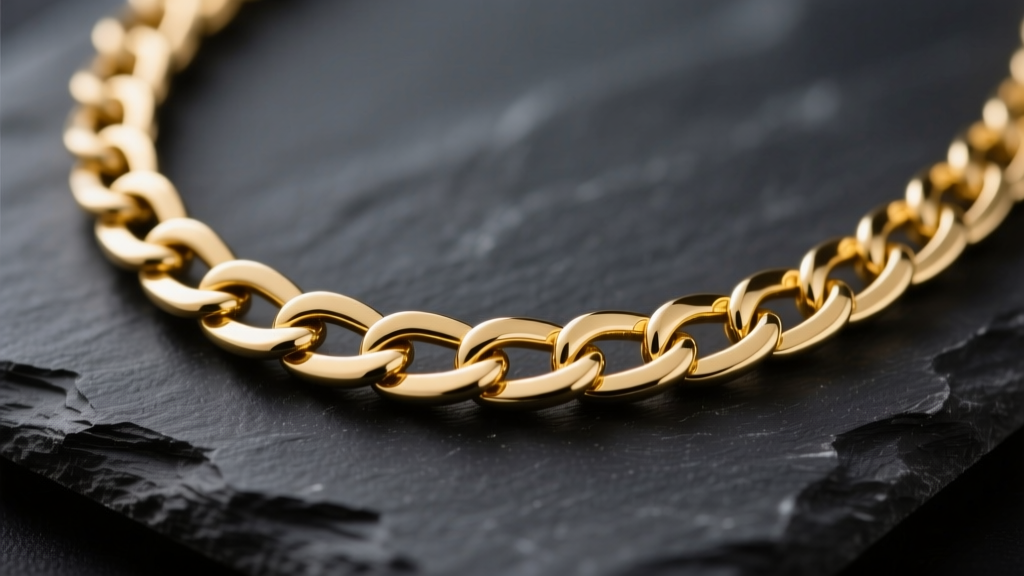
The Metallurgy of Gold Plating: Beyond the Shine
When evaluating gold plate necklaces, the jewelry industry often relies on marketing terms that obscure the underlying metallurgical realities. At its core, gold plating is an electrochemical process where a gold alloy is deposited onto a base metal substrate via an electrolyte bath. However, not all electrodeposition is created equal. The longevity, tarnish resistance, and structural integrity of a plated necklace depend entirely on three technical variables: the micron thickness of the gold layer, the elemental composition of the gold alloy used in the bath, and the porosity of the base metal beneath.
Unlike solid gold, which is homogeneous throughout, gold plated jewelry is a composite material. The gold layer must act as both an aesthetic finish and a protective barrier against environmental corrosion. Understanding the electrochemical processes behind gold plating reveals why some necklaces retain their luster for a decade, while others degrade into a patchy, tarnished mess within weeks of wear.
Decoding Micron Thickness: The True Measure of Longevity
The most critical metric in gold plating is thickness, measured in micrometers (µm), commonly referred to as microns. A micron is one-millionth of a meter. To put this in perspective, a human hair is approximately 70 microns thick. The Federal Trade Commission Jewelry Guides strictly regulate how these thicknesses can be marketed to consumers, yet the terminology remains confusing for the average buyer.
Flash plating, often found in fast-fashion accessories, deposits a microscopic layer of gold—usually less than 0.175 µm. This layer is so thin that it is highly porous, allowing the base metal to interact with oxygen and sulfur almost immediately. Conversely, Heavy Gold Electroplate (HGE) requires a minimum of 2.5 µm of gold, creating a substantially more durable, non-porous barrier capable of withstanding years of mechanical friction.
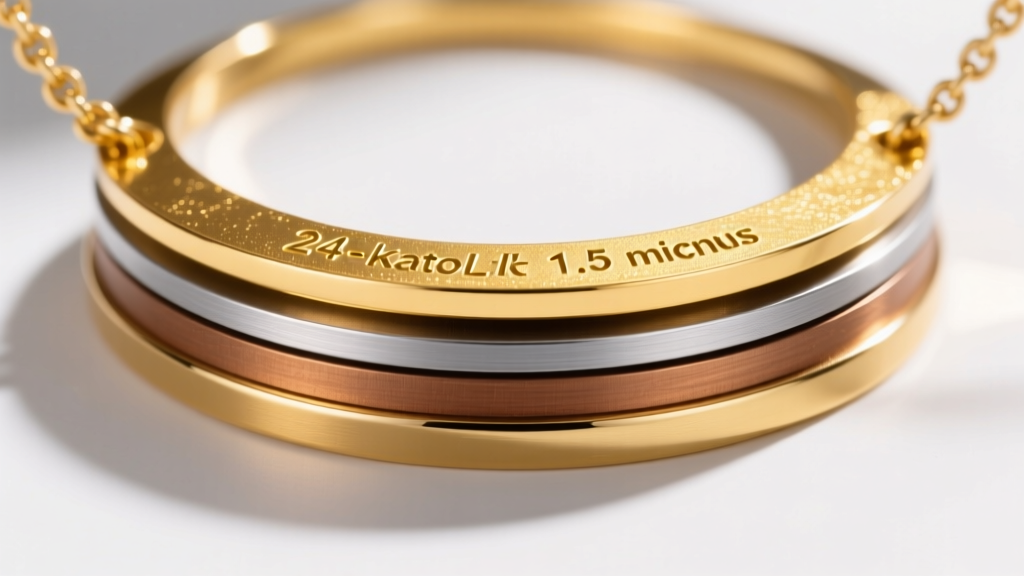
| Plating Classification | Minimum Thickness (µm) | Expected Lifespan (Daily Wear) | Porosity Level |
|---|---|---|---|
| Flash Plated / Gold Wash | < 0.175 µm | 1 - 3 Months | Extremely High |
| Standard Gold Plated (GP) | 0.50 - 1.0 µm | 6 - 12 Months | Moderate |
| Gold Vermeil | 2.5 µm (over Sterling Silver) | 1 - 3 Years | Low |
| Heavy Gold Electroplate (HGE) | 2.5 µm+ (over Brass/Steel) | 3 - 5+ Years | Very Low |
Base Metal Substrates: What Lies Beneath the Gold
The substrate—the base metal that forms the physical structure of the necklace chain or pendant—dictates the structural integrity and chemical stability of the piece. Gold is a noble metal, meaning it does not easily react with oxygen or moisture. However, if the gold layer is porous or wears thin, the substrate is exposed, leading to rapid degradation.
Brass and Copper Alloys
Brass (an alloy of copper and zinc) is the most common substrate for gold plate necklaces due to its low cost and excellent machinability. However, brass presents a severe metallurgical challenge known as dezincification and zinc migration. Zinc atoms are highly mobile and will naturally migrate through the microscopic pores of the gold layer to the surface, reacting with sweat and oxygen to form zinc oxide. This causes the dreaded 'green skin' effect and localized tarnishing. High-quality manufacturers mitigate this by applying a barrier layer of nickel or palladium between the brass and the gold, though nickel is increasingly avoided due to contact dermatitis risks.
316L Stainless Steel vs. Sterling Silver
For superior longevity, 316L surgical stainless steel is an exceptional substrate. It is highly non-porous, exceptionally hard, and chemically inert, meaning it will not outgas or migrate into the gold layer. When gold plated via Physical Vapor Deposition (PVD) or advanced electroplating, stainless steel gold plate necklaces can outlast traditional brass pieces by a factor of five. Sterling silver is also an excellent substrate (mandated for Vermeil), but it is softer and prone to sulfide tarnishing if the gold layer is compromised.
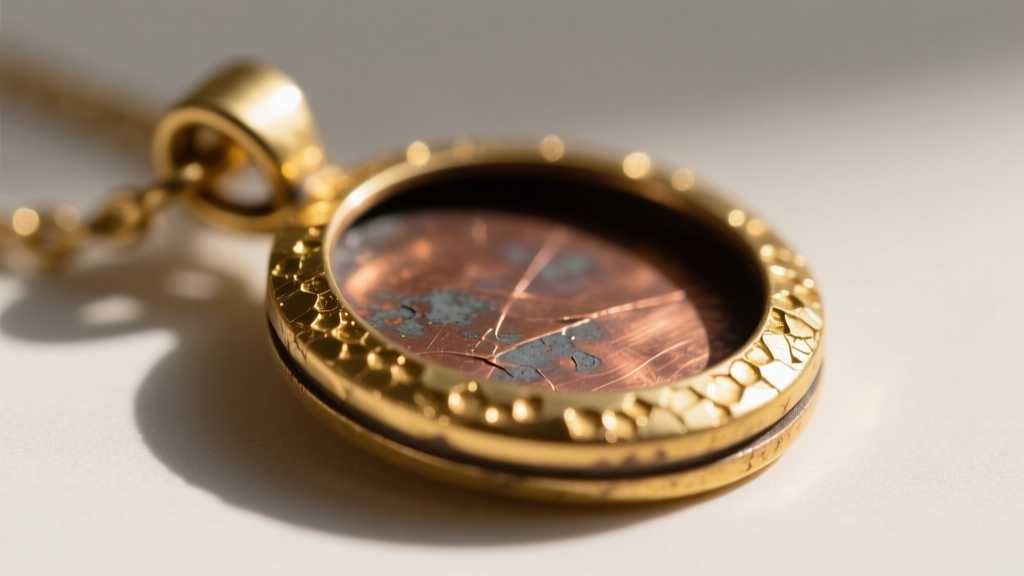
Failure Modes: Why Gold Plate Necklaces Tarnish and Flake
Understanding how gold plated jewelry fails allows you to engineer better care routines and make smarter purchasing decisions. The degradation of gold plate necklaces typically follows one of three specific failure modes:
- Galvanic Corrosion: When two dissimilar metals (like gold and copper) are in contact in the presence of an electrolyte (human sweat, which contains sodium chloride and lactic acid), a microscopic galvanic cell is formed. The less noble metal (copper) acts as an anode and corrodes rapidly, undermining the gold layer from beneath and causing it to flake off.
- Mechanical Abrasion: The Vickers hardness (HV) of pure 24k gold is exceptionally low (approx. 25 HV). If a necklace is plated in pure 24k gold, it will wear away rapidly against the skin and clothing. Alloying the gold plating bath with trace amounts of cobalt or nickel increases the hardness to over 130 HV, drastically improving abrasion resistance.
- Chemical Sulfidation: Environmental sulfur (from pollution, cosmetics, or hot springs) penetrates porous gold layers and reacts with the copper or silver substrate, forming black copper sulfide or silver sulfide. This creates dark, spreading shadows beneath the gold plating that cannot be polished away without stripping the gold entirely.
Expert Buying Framework: How to Evaluate Gold Plate Necklaces
To navigate the market with technical precision, discard marketing buzzwords and demand quantitative data. Use this framework when evaluating gold plate necklaces from any jeweler or brand:
- Request the Micron Specification: If a brand cannot state the exact micron thickness of their plating, assume it is flash plated (<0.5 µm). Look for a minimum of 1.0 µm for standard chains, and 2.5 µm for pendants that experience high friction.
- Identify the Substrate and Barrier: Ask what metal lies beneath the gold. If it is brass, ask if a palladium or titanium barrier layer is used to prevent zinc migration. If they use 316L stainless steel or titanium, the piece is inherently more stable.
- Check the Karat Alloy: 18k gold plating (75% gold) offers the best balance of rich, yellow color and durability. 24k plating is too soft for daily-wear chains, while 14k plating (58.5% gold) often appears pale and contains higher amounts of reactive alloying metals like copper.
- Examine the Clasp and Jump Rings: Friction points fail first. Inspect the lobster clasp and the jump rings connecting the pendant. High-quality manufacturers will often use solid gold or heavily reinforced steel for these high-stress mechanical components.
True luxury in plated jewelry is not defined by the karat stamp alone, but by the engineering of the substrate, the precision of the barrier layers, and the exactitude of the micron deposition. A 2.5-micron 14k gold plate over surgical steel will vastly outperform a 0.5-micron 24k flash plate over raw brass.
Conclusion: Investing in Engineered Elegance
Gold plate necklaces offer an accessible entry point into fine jewelry aesthetics, but they require a discerning eye to separate engineered quality from disposable fashion. By prioritizing micron thickness, demanding non-porous or properly barrier-sealed substrates, and understanding the electrochemical realities of wear, you can curate a collection of plated necklaces that maintain their brilliance and structural integrity for years to come.


