Ultimate Care Guide for Your Green Amethyst Necklace
Learn how to safely clean, store, and maintain your green amethyst necklace. Expert tips on preventing prasiolite color fading and chain tarnish.

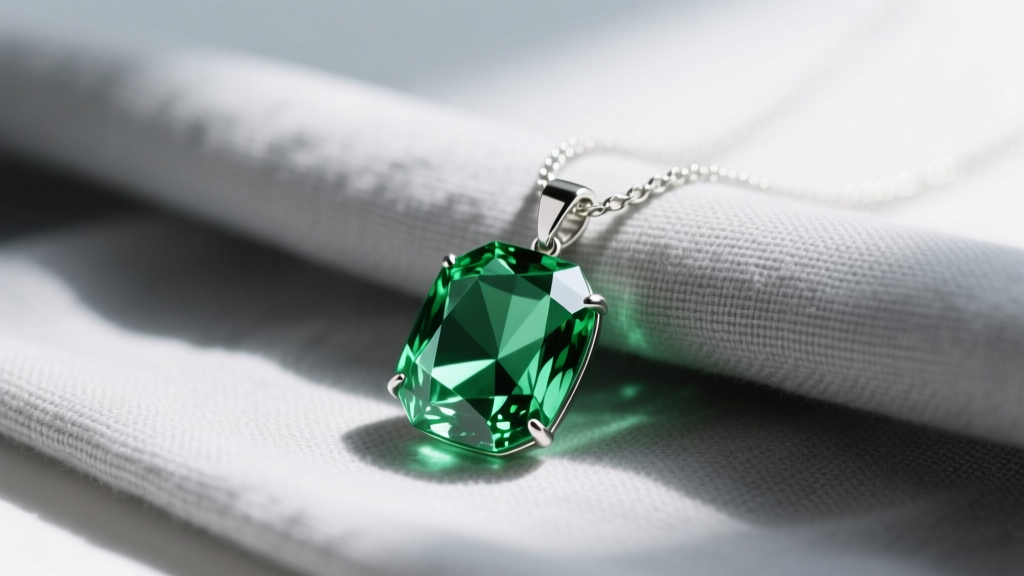
The Gemological Reality of Your Green Amethyst Necklace
Before diving into cleaning protocols, it is crucial to understand the exact nature of your gemstone. In the jewelry trade and among consumers, the term 'green amethyst necklace' is wildly popular. However, from a strict gemological standpoint, amethyst is defined by its purple hue. The beautiful pale green quartz you are wearing is actually prasiolite. According to the Federal Trade Commission (FTC) Jewelry Guides, calling it 'green amethyst' is technically a misnomer, though the market has largely adopted the phrase.
Most prasiolite on the market is created by heat-treating specific types of amethyst or yellow quartz to temperatures around 500°C (932°F). This thermal alteration is what gives your green amethyst necklace its signature soft, sage-green color. Because the stone's color is the result of heat treatment, it possesses unique vulnerabilities—specifically regarding thermal shock and prolonged UV exposure—that dictate how you must clean and store it.
The Safe Step-by-Step Cleaning Protocol
With a hardness of 7 on the Mohs scale, your quartz pendant is relatively durable against scratches, but it is highly susceptible to chemical damage and thermal shock. Follow this precise routine to restore your necklace's brilliance without compromising the stone's structural integrity.
What You Will Need
- Distilled water (tap water contains minerals that can leave micro-films on the facets)
- pH-neutral liquid dish soap (avoid soaps with heavy moisturizers or citrus degreasers)
- A pristine, ultra-soft baby toothbrush or dedicated jewelry brush
- Lint-free microfiber cloths
- A small glass or ceramic bowl (avoid metal bowls that can scratch the chain)
The Cleaning Steps
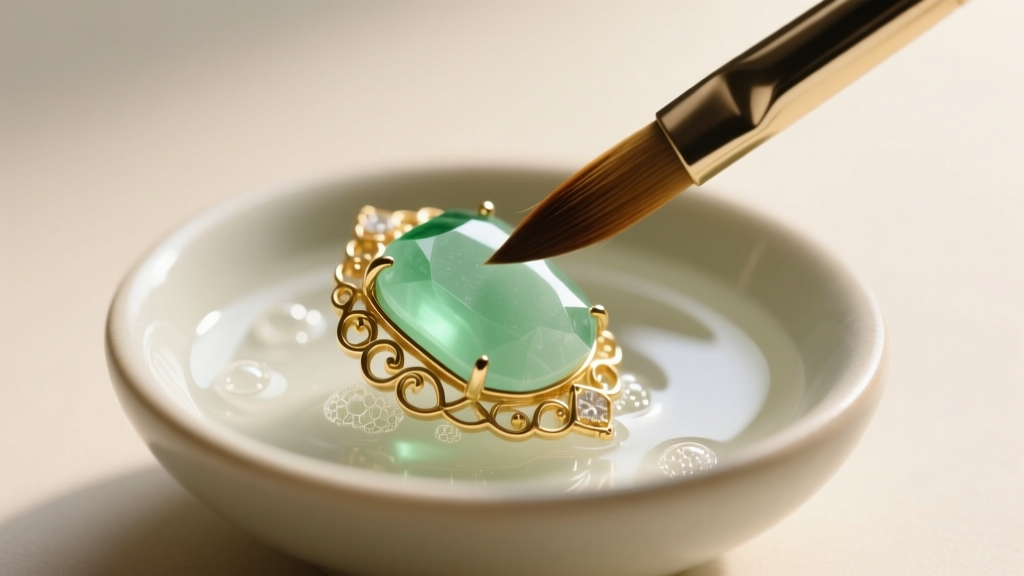
- Prepare the Solution: Fill your glass bowl with lukewarm distilled water. Add exactly one drop of pH-neutral dish soap and gently stir to create a mild lather. Ensure the water is room temperature—never hot.
- Short Soak: Submerge your green amethyst necklace in the solution for no more than 3 to 5 minutes. This is enough time to loosen body oils, lotions, and environmental dust from the pavilion (back) of the stone and the chain links.
- Gentle Agitation: Remove the necklace and use your soft brush to gently sweep the back of the gemstone and the prongs. Brush in a circular motion, applying zero downward pressure.
- The Rinse: Rinse the necklace under a gentle stream of lukewarm distilled water. Ensure the drain is securely plugged.
- Drying: Pat the chain dry with a microfiber cloth. Use a soft cotton swab to gently absorb any trapped moisture around the prongs and the bail (the loop connecting the pendant to the chain).
Critical Warnings: What to Avoid
Many well-meaning jewelry owners accidentally destroy their heat-treated quartz pieces by using modern cleaning shortcuts. To protect your green amethyst necklace, strictly avoid the following:
Expert Warning: Never use an ultrasonic cleaner on heat-treated prasiolite. The high-frequency cavitation bubbles (typically operating at 40kHz) can easily exploit microscopic internal fractures caused by the original heat treatment, causing the stone to shatter or develop a milky, cloudy appearance.
- Steam Cleaners: The sudden blast of high-pressure steam causes thermal shock. Because your stone was altered via heat, extreme temperature fluctuations can cause internal fracturing or even alter the stone's color.
- Harsh Chemicals: Bleach, ammonia, and chlorine can degrade the polish on the quartz and severely tarnish or pit the metal setting, especially if it is sterling silver.
- Boiling Water: Never drop your necklace into boiling water to 'sanitize' it. The thermal shock will compromise the stone.
Chain Maintenance by Metal Type
The care required for your necklace extends beyond the gemstone. The metal chain dictates a significant portion of your maintenance routine. Below is a breakdown of how to handle the most common metals used for green amethyst pendants.
| Metal Type | Tarnish Risk | Cleaning Agent | Polishing Method |
|---|---|---|---|
| 925 Sterling Silver | High | Silver dip (use sparingly) | Anti-tarnish polishing cloth |
| 14k Solid Gold | Very Low | Mild soap & distilled water | Microfiber cloth buffing |
| Gold Vermeil (Thick Plating) | Medium (if worn through) | Mild soap only (no dips) | Gentle wipe, no abrasive rubbing |
| Gold Plated (Thin Layer) | High (base metal exposure) | Damp cloth only | Air dry, no rubbing |
If your green amethyst necklace features a sterling silver chain, you must manage oxidation. Silver reacts with sulfur in the air and hydrogen sulfide in sweat to form silver sulfide (tarnish). Wipe the chain with a treated silver cloth after every wear, and never use liquid silver dips on the chain while the prasiolite pendant is attached, as the chemicals can strip the stone's polish.
Storage and Preventing UV Color Fade
One of the most closely guarded secrets about prasiolite is its sensitivity to prolonged ultraviolet (UV) light. According to the Gemological Institute of America (GIA), while quartz is generally stable, certain heat-treated varieties can experience color fading or shifting when exposed to intense, direct sunlight over extended periods.
Optimal Storage Conditions
To ensure your green amethyst necklace retains its vibrant sage hue for decades, implement the following storage framework:
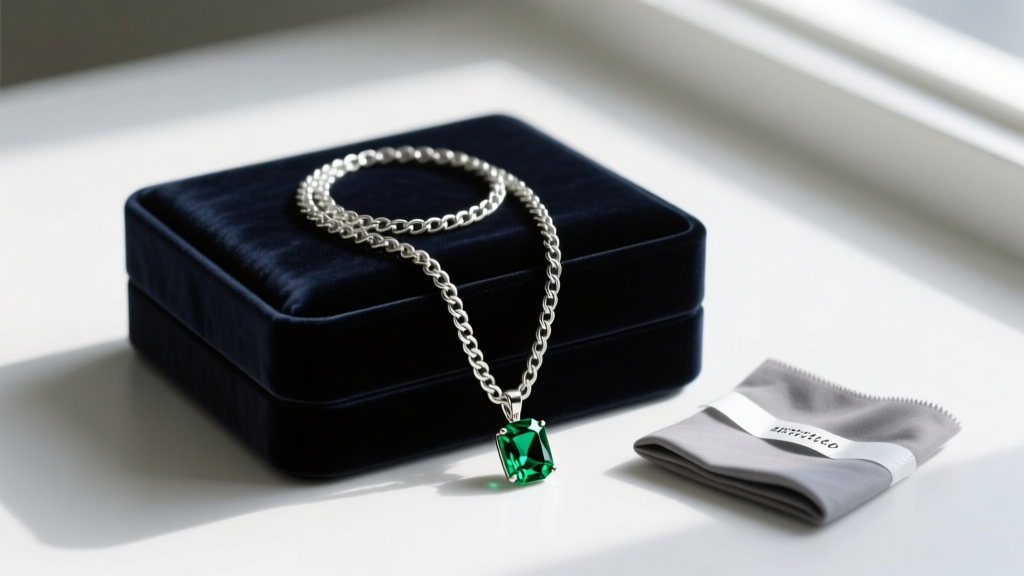
- Light Deprivation: Never store your necklace in an open dish on a vanity table where it will be hit by daily sunlight. Always use an opaque jewelry box or a dark velvet pouch.
- Anti-Tarnish Strips: Place a 3M anti-tarnish tab inside your jewelry box or pouch. These strips absorb ambient sulfur and moisture, protecting both the metal chain and the stone's surface from environmental degradation.
- Isolation: Because quartz (Mohs 7) is harder than silver and gold (Mohs 2.5-3), storing your necklace loosely with other jewelry will result in severe scratches on your softer metal pieces. Conversely, diamonds (Mohs 10) or sapphires (Mohs 9) will scratch your green amethyst. Store it completely isolated.
Troubleshooting Common Issues
Even with meticulous care, you may encounter specific issues with your necklace over time. Here is how to troubleshoot them like a professional jeweler.
The Stone Looks Cloudy or Milky
If your prasiolite has lost its transparency and looks cloudy, it is likely suffering from a buildup of hard water spots, lotion, or hairspray on the pavilion facets. Re-clean it using the distilled water protocol above. If the cloudiness is internal, the stone may have suffered thermal shock or chemical etching; this is irreversible and requires consulting a lapidary to potentially re-polish the stone.
Chain Kinking and Tangling
Delicate chains like cable, box, or herringbone are prone to kinking. Never pull a kinked chain tight. Instead, lay the necklace flat on a glass surface, apply a microscopic drop of baby oil to the kink, and use two fine sewing needles to gently tease the links apart. Wipe away the oil with a microfiber cloth afterward.
Loose Prongs
Heat-treated quartz can sometimes shift slightly within its setting if subjected to hard impacts. If you hear a faint 'rattle' when you gently tap the pendant against your fingernail, stop wearing the necklace immediately. The prongs have loosened, and the stone is at risk of falling out. Take it to a professional jeweler for a prong tightening and ultrasonic check (they will remove the stone before using any heavy machinery).
Professional Maintenance Schedule
While at-home care is essential, a green amethyst necklace requires professional oversight. Schedule a visit to your jeweler every 18 to 24 months. They will use a jeweler's loupe to inspect the integrity of the prongs, check the bail for wear and thinning, and professionally polish the metal setting without risking the gemstone. By combining this professional schedule with your meticulous at-home cleaning protocol, your prasiolite pendant will remain a vibrant, flawless staple in your jewelry collection for a lifetime.


