A Beginner Guide to the Setting of the Diamond Necklace
Discover everything about the setting of the diamond necklace. Compare prong, bezel, and pave styles, metal choices, and expert care tips.

Understanding the Foundation: Why the Setting Matters
When shopping for fine jewelry, buyers often fixate on the 4Cs of the diamond—cut, color, clarity, and carat weight. However, the metal framework that holds the stone is equally critical to the piece's aesthetics, security, and longevity. The setting of the diamond necklace dictates how light enters the stone, how well the gem is protected from daily impacts, and how often the piece will require professional maintenance. According to the Gemological Institute of America (GIA), the setting style is the primary architectural element that defines a jewel's character. For beginners, navigating the terminology of prongs, bezels, and pavé can feel overwhelming. This guide breaks down the mechanics, pros, and cons of the most popular necklace settings, empowering you to make an informed investment.
The 5 Most Common Diamond Necklace Settings
1. Prong Setting (The Classic Solitaire)
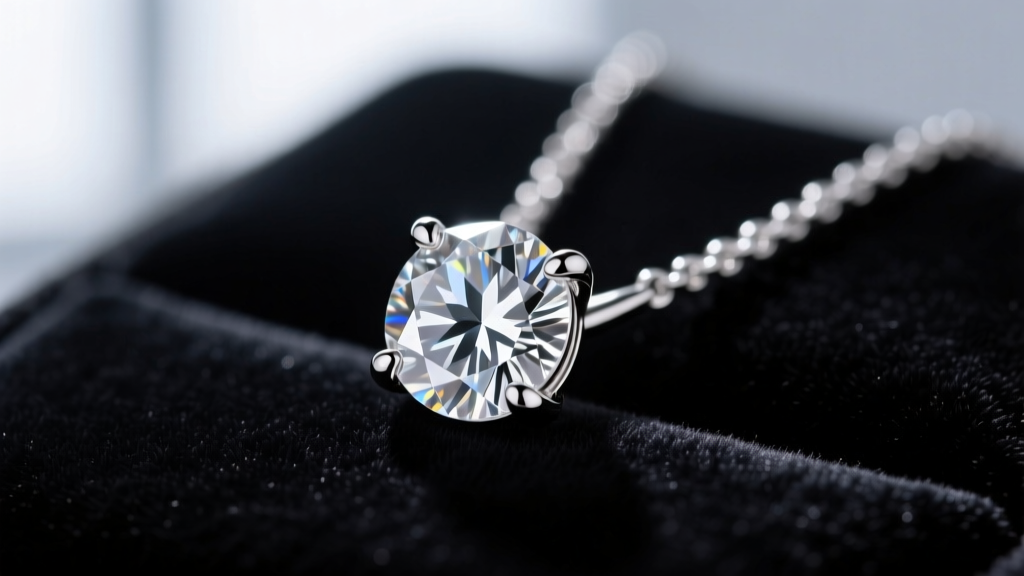
The prong setting uses small metal claws to grip the diamond's girdle. It is the undisputed champion of light performance because it exposes the maximum surface area of the stone. For solitaire diamond pendants, you will typically encounter two variations:
- 4-Prong Setting: Offers a slightly more square or geometric silhouette. It allows the most light to enter from the sides but offers slightly less security if a single prong bends.
- 6-Prong Setting: Often associated with the classic Tiffany style. It creates a rounder visual outline and provides redundancy; if one prong fails, the remaining five will likely hold the stone. Jewelers strongly recommend 6-prong settings for diamonds exceeding 1.00 carat.
- V-Prongs: Essential for fancy shapes like pear, marquise, or heart cuts. The V-prong cups the sharp, vulnerable points of the diamond, preventing chipping from accidental impacts.
2. Bezel Setting (The Modern Protector)
A bezel setting encircles the diamond's girdle with a continuous rim of metal. While it slightly reduces the amount of light entering the sides of the stone compared to a prong setting, it offers unparalleled security. The smooth metal edge prevents the necklace from snagging on clothing, hair, or knitwear. For active professionals or those who travel frequently, a bezel-set diamond pendant is the ultimate low-maintenance, high-security choice. A 'half-bezel' variation uses two opposing metal walls, offering a compromise between modern protection and side-light exposure.
3. Pavé and Micro-Pavé (The Sparkle Multiplier)
Pavé (French for 'paved') settings feature dozens of tiny diamonds set closely together, held in place by microscopic beads of metal. In diamond tennis necklaces or halo pendants, pavé creates a continuous surface of brilliance. Micro-pavé utilizes stones smaller than 0.01 carats, requiring high-magnification precision to set. While visually breathtaking, pavé settings are structurally delicate. The tiny metal beads can wear down or catch on fabrics, leading to stone loss over time if not inspected regularly.
4. Channel Setting (The Sleek Line)
Commonly used in tennis necklaces and station necklaces, the channel setting suspends diamonds between two parallel walls of metal. There are no prongs between the stones, creating a smooth, snag-free ribbon of diamonds. This setting offers excellent protection for the girdles of the stones, though it requires highly calibrated diamonds (uniform millimeter sizes) to ensure a seamless, gap-free line.
5. Halo Setting (The Illusionist)
A halo setting features a central diamond encircled by a ring of smaller pavé or micro-pavé stones. This design serves two purposes: it dramatically amplifies the overall sparkle of the pendant, and it creates an optical illusion that makes the center stone appear up to 30% larger than its actual carat weight. It is an excellent strategy for buyers wanting maximum visual impact on a moderate budget.
Comparison Chart: Security vs. Sparkle vs. Maintenance
| Setting Type | Security Level | Light Performance | Snag Risk | Maintenance Frequency |
|---|---|---|---|---|
| 4-Prong | Moderate | Excellent | High | Every 6 months |
| 6-Prong | High | Excellent | High | Every 6-8 months |
| Full Bezel | Very High | Good | None | Annual check-up |
| Micro-Pavé | Low | Exceptional | Moderate | Every 3-4 months |
| Channel | High | Very Good | None | Annual check-up |
Metallurgy Matters: Choosing the Right Metal for Your Setting
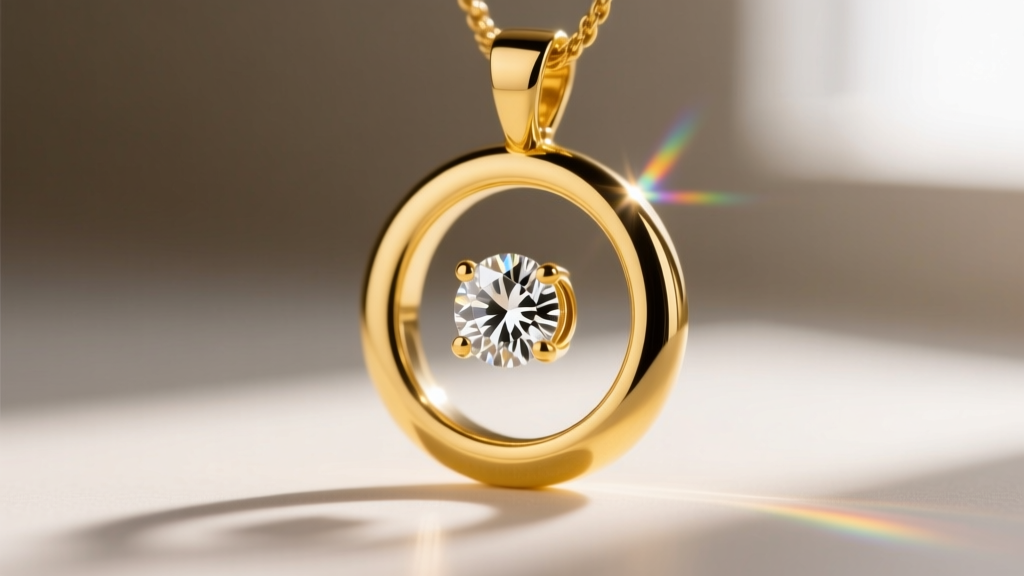
The structural integrity of the setting of the diamond necklace relies heavily on the metal alloy chosen. Pure 24k gold is too soft to securely hold a diamond; therefore, it is alloyed with metals like copper, silver, and zinc to increase its tensile strength.
14k vs. 18k Gold
14k gold (58.5% pure gold) is harder and more scratch-resistant than 18k gold (75% pure gold). For intricate micro-pavé settings or delicate prongs holding heavy stones, 14k gold offers superior structural rigidity. However, 18k gold provides a richer, warmer yellow hue and is highly preferred for luxury bezel settings where the metal is a prominent design feature. Note that white gold, regardless of karat, is plated with rhodium to achieve its bright white finish. This plating will wear off over time, requiring re-plating every 12 to 24 months.
Platinum (950)
Platinum is the gold standard for high-value diamond settings. Unlike gold, which loses microscopic particles of metal when scratched, platinum merely displaces. This means platinum prongs do not thin out over decades of wear, making it the safest choice for heirloom-quality solitaire pendants. While it carries a 20% to 40% price premium over 18k gold, its density and natural white color (which never requires rhodium plating) justify the investment for stones over 1.50 carats.
Matching the Setting to Your Lifestyle
Your daily routine should heavily influence your choice of setting. If you work in healthcare, where gloves are frequently donned and removed, or in a corporate environment where you type extensively, a bezel or channel setting will prevent frustrating snags and protect the stones from repetitive micro-impacts. Conversely, if the necklace is reserved for evening wear, formal events, or occasional use, a delicate 4-prong or elaborate micro-pavé halo setting is perfectly appropriate, as it will be subjected to minimal environmental stress.
Expert Tip: Never sleep in a prong-set diamond necklace. The friction against cotton sheets and the pressure of your body weight can slowly bend microscopic prongs over time, eventually leading to a lost stone.
Maintenance and Care for Longevity
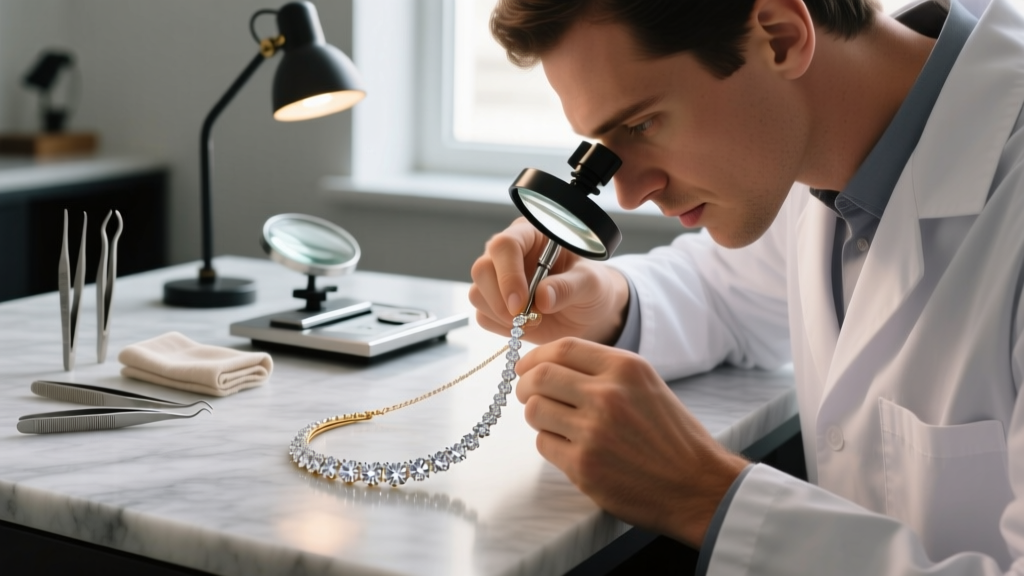
Even the most robust setting requires professional oversight. The GIA Diamond Care Guide recommends having a professional jeweler inspect your necklace's setting at least once a year. During this inspection, the jeweler will use a 10x loupe to check for lifted prongs, worn pavé beads, and thinning metal shanks.
At-Home Cleaning Protocols
For prong, bezel, and channel settings, a simple solution of warm water and a few drops of mild, ammonia-free dish soap is ideal. Use a soft-bristled baby toothbrush to gently dislodge lotion and sebum buildup from beneath the diamond's pavilion. Warning: Never use ultrasonic cleaners on micro-pavé settings, fracture-filled diamonds, or tension settings. The high-frequency vibrations can easily shake loose the tiny stones or exacerbate internal fractures. For pavé necklaces, stick to gentle manual brushing and professional steam cleaning.
Conclusion
Mastering the nuances of the setting of the diamond necklace transforms you from a passive buyer into an informed connoisseur. Whether you prioritize the blinding brilliance of a micro-pavé halo, the modern security of a sleek bezel, or the timeless elegance of a six-prong platinum solitaire, understanding the mechanics behind the metal ensures your necklace will remain secure and stunning for generations. Always align your setting choice with your lifestyle, budget, and long-term maintenance willingness to enjoy your fine jewelry with absolute peace of mind.


