How to Find the Average Female Necklace Length for a Perfect Fit
Learn how to measure and adjust the average female necklace length for your unique body type, neckline, and chain hardware with our expert guide.

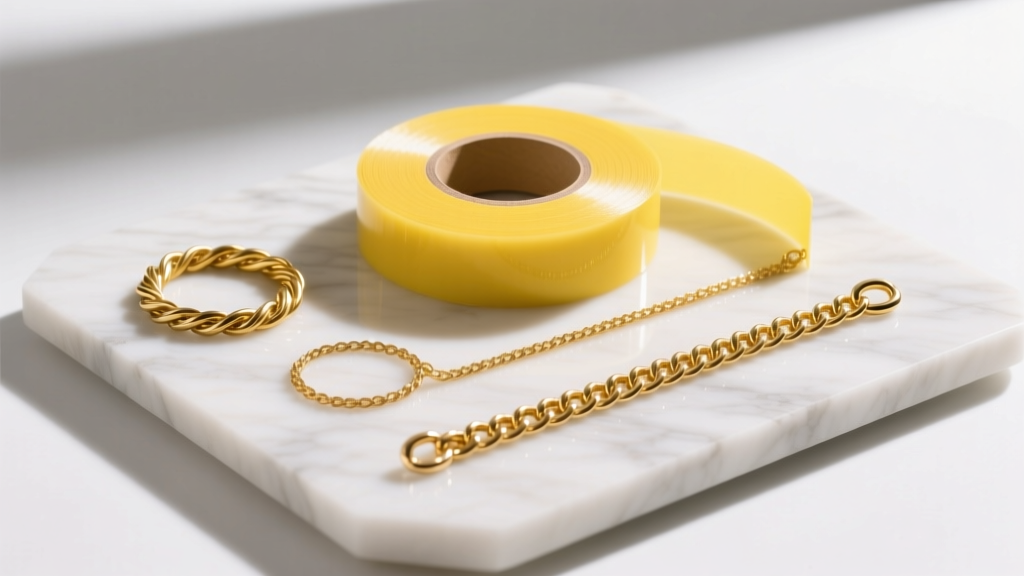
When shopping for fine jewelry or layering everyday pieces, you will frequently encounter the term 'princess length' or see 18 inches listed as the industry standard. But what exactly is the average female necklace length, and more importantly, how do you translate that statistical average into a perfect, customized fit for your unique anatomy? The truth is, an 18-inch chain will drape entirely differently on a 5'2" woman with a petite frame compared to a 5'9" woman with a broader shoulder span. This step-by-step guide will teach you how to measure, adjust, and select the precise necklace length based on your proportions, neckline, and even the physical weight of your chain hardware.
Step 1: Decoding the 18-Inch Baseline and Standard Variations
In the jewelry manufacturing industry, the widely accepted average female necklace length is 18 inches (approximately 45.7 cm). This length is designed to rest just below the collarbone, offering a versatile drape that accommodates most standard pendants and necklines. However, relying solely on this baseline without considering standard variations can lead to a poor fit. According to Blue Nile's Necklace Education Guide, understanding the standard length categories is the first step to finding your ideal match.
| Length (Inches) | Industry Name | Anatomical Placement | Best Use Case |
|---|---|---|---|
| 14" | Collar | Tightly wraps the upper neck | Open-neck outfits, chokers |
| 16" | Choker | Base of the neck / collarbone | Petite frames, high necklines |
| 18" | Princess | Just below the collarbone | The universal average, everyday wear |
| 20" - 22" | Matinee | Upper chest / bust line | Business casual, deep V-necks |
| 24" - 30" | Opera | Below the bust / sternum | Layering, formal wear, turtlenecks |
Step 2: The Tailor’s Method for Accurate Neck and Torso Measurement
To determine how the average female necklace length will actually sit on your body, you must take precise measurements. Do not use a piece of string or yarn, as these materials stretch and will result in a chain that is half an inch too short.
- Use the Right Tool: Obtain a flexible fiberglass tailor’s measuring tape. Fiberglass does not stretch under tension, ensuring millimeter-perfect accuracy.
- Find the Anchor Point: Stand in front of a mirror wearing a form-fitting top. Locate your C7 vertebra (the prominent bone at the base of the back of your neck). This is where the jewelry clasp will naturally rest.
- Measure the Drop: Bring the tape measure around your neck, starting from the C7 vertebra, up over the shoulder, and down to your desired resting point on the chest.
- Account for the Clasp: Remember that the measurement includes the entire circumference. If you are measuring for a pendant, ensure the tape measure reaches the exact point where the top of the pendant bail will sit.

Step 3: Adjusting the Average for Bust Size and Body Proportions
The most common mistake consumers make is assuming the 18-inch average applies universally. The physical topography of your chest dramatically alters the drape of a chain. When a necklace encounters the curve of the bust, it is pushed outward, effectively 'stealing' vertical length and causing the chain to ride higher on the chest.
The Bust-Drop Calculation
As a general rule of thumb utilized by custom jewelers, you should add 0.5 inches to your desired length for every cup size above a C-cup. If your goal is for a pendant to rest exactly on the sternum (the standard 18-inch princess look), a woman with a D-cup bust will actually require a 20-inch matinee chain to achieve the exact same visual placement. Similarly, broad-shouldered individuals or those with a thicker neck circumference (over 14 inches) should automatically size up by at least one inch from the standard baseline to prevent the chain from feeling constrictive.
Step 4: Matching Chain Gauge and Hardware Weight to Your Length
Length is only half the equation; the physical mechanics of the chain dictate how it hangs. A delicate 1.0mm cable chain will drape with a fluid, liquid-like drop, while a rigid 3.5mm Cuban link chain of the exact same length will sit wider and higher due to its structural stiffness. According to manufacturing specs from Stuller Jewelry Supplies, matching the gauge (thickness) of the metal to the weight of your pendant is critical for preventing chain breakage and ensuring a proper hang.
- 1.0mm - 1.5mm Gauge: Best for lightweight pendants (under 5 grams). These fine chains drape closely to the skin and are highly susceptible to tangling if the length exceeds 22 inches.
- 1.8mm - 2.5mm Gauge: The sweet spot for standard pendants (5 to 15 grams). This thickness provides enough structural integrity to hold a pendant upright without the bail sliding to the side.
- 3.0mm+ Gauge: Ideal for standalone statement chains. If wearing a heavy chain, you can often wear it 1 to 2 inches shorter than the average female necklace length, as the weight of the metal itself creates a pronounced, flattering V-shape on the chest.
The Hidden Impact of Clasp Hardware
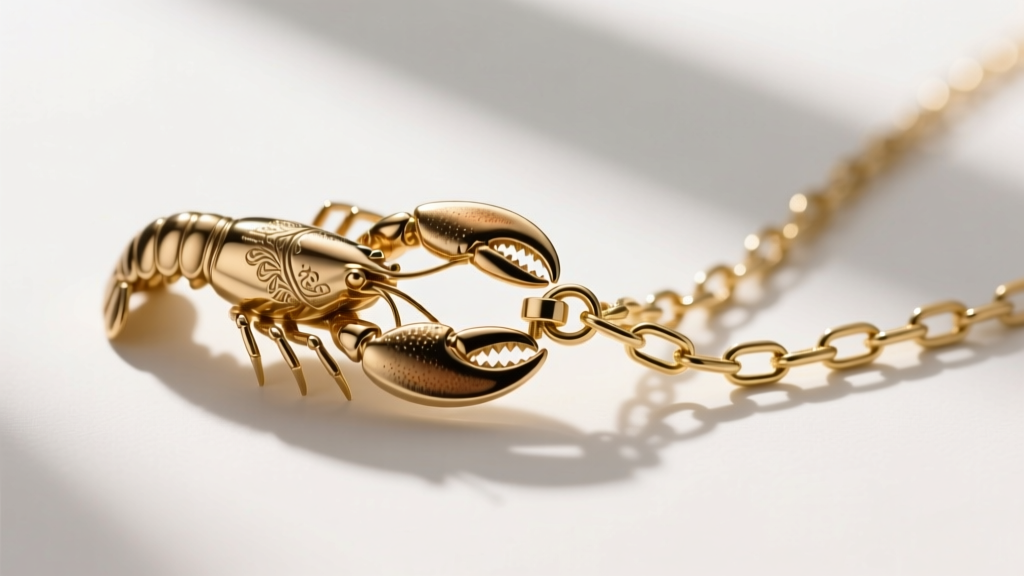
Never underestimate the weight of your clasp. If you pair a heavy, oversized brass lobster clasp with a fine 1.2mm 14k gold chain, the weight of the clasp will continuously pull the chain backward, causing the pendant to slide off-center and the clasp to migrate to the front of your neck. For chains under 1.5mm, always opt for a lightweight 5mm spring ring clasp. Reserve heavy lobster or toggle clasps for chains 2.0mm and thicker, or add a small counterweight tag near the clasp to balance the drape.
Step 5: Building a Layered Stack Using the Average as an Anchor
Once you have identified your personalized version of the average length (whether that is a true 18 inches or an adjusted 19.5 inches), you can use it as the foundational anchor for a layered necklace stack. The golden rule of layering is maintaining a minimum 2-inch gap between each chain to prevent the metal links from catching, grinding, and prematurely wearing down the gold or silver plating.
If your custom average anchor is 18 inches, your stack should follow this progression:
- Layer 1 (The Choker): 14 to 15 inches. A simple, lightweight chain or a delicate velvet ribbon.
- Layer 2 (The Anchor): 18 inches. Your primary pendant or most visually striking piece.
- Layer 3 (The Matinee): 20 to 22 inches. A longer, textured chain (like a paperclip or satellite chain) that frames the outer edge of the neckline.
Pro Tip: When layering mixed metals (e.g., 14k yellow gold with 316L stainless steel), ensure the karatage and metal hardness are somewhat comparable. A solid 24k gold chain is incredibly soft and will be rapidly filed away by the friction of a harder stainless steel chain resting against it in a layered stack.
Final Thoughts on Finding Your Perfect Fit
While the 18-inch princess chain remains the statistical average female necklace length, true style and comfort come from personalizing that metric. By taking five minutes to measure your specific neck-to-bust drop, accounting for your typical wardrobe necklines, and respecting the physics of chain gauges and clasp weights, you can transform a generic piece of jewelry into a custom-fitted staple that drapes flawlessly every time you wear it.


