Burgundy Bead Necklace Value: 2026 Pricing & Material Guide
Discover the true value of a burgundy bead necklace in 2026. Compare prices for glass, garnet, and resin beads, and learn to spot authentic materials.

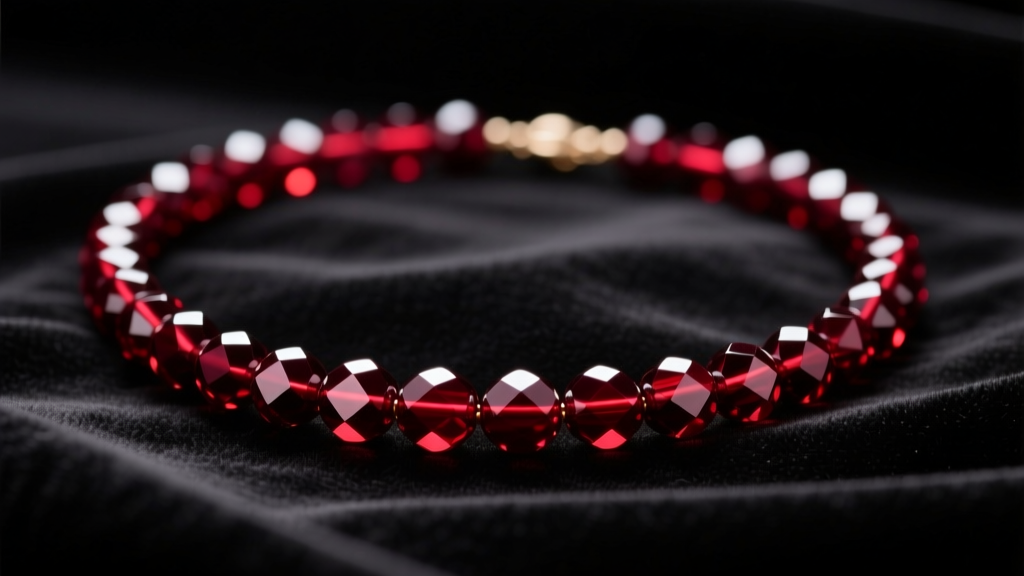
The deep, wine-soaked hue of a burgundy bead necklace has cemented its place in 2026 jewelry trends, bridging the gap between dark academia aesthetics and vintage revivalism. However, the surge in demand has flooded the market with mislabeled materials, synthetic imposters, and poorly constructed strands that snap under minimal tension. For the discerning buyer, assessing the true budget and long-term value of these necklaces requires looking past the color and scrutinizing the mineralogy, stringing mechanics, and hardware metallurgy.
Whether you are evaluating a $20 fast-fashion piece or a $2,000 heirloom strand, this comprehensive value assessment will help you determine exactly what you are paying for—and whether it is actually worth the investment.
The Material Matrix: Decoding 'Burgundy' Beads
The term 'burgundy' is a color descriptor, not a gemological one. This ambiguity is where the majority of budget traps lie. Jewelers and mass-market retailers use various materials to achieve this specific oxblood or wine-red tone, each with vastly different intrinsic values and durability profiles.
1. Natural Almandine Garnet (The Investment Tier)
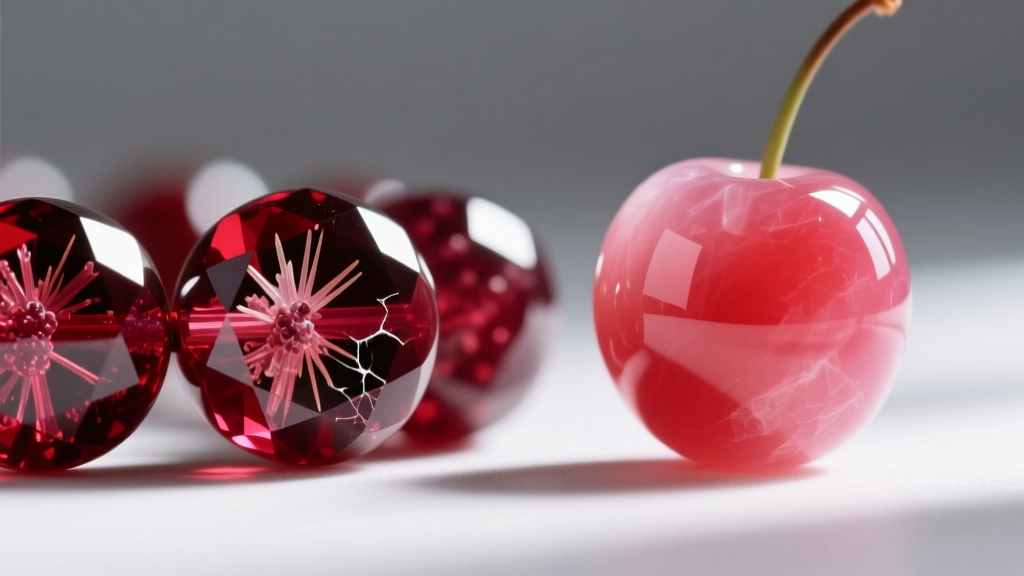
True burgundy in the natural gemstone world is most frequently almandine garnet. According to the Gemological Institute of America (GIA), almandine possesses a Mohs hardness of 7 to 7.5, making it highly resistant to scratching and suitable for daily wear. High-quality 8mm almandine beads will exhibit natural needle-like inclusions (rutile) and slight color zoning. In 2026, a genuine, well-matched 18-inch strand of 8mm almandine garnet typically retails between $350 and $800, depending on the clarity and the presence of a verifiable origin report.
2. 'Cherry Quartz' and Dyed Howlite (The Budget Trap)
Often marketed deceptively as 'cherry quartz' or 'burgundy jade,' these beads are almost universally dyed howlite or low-grade quartzite. The Federal Trade Commission (FTC) Jewelry Guides mandate the disclosure of dye treatments, yet online marketplaces remain rife with violations. Dyed howlite has a Mohs hardness of just 3.5, meaning it will scratch against glass or steel clasps. More importantly, the burgundy dye is unstable; exposure to UV light, sweat, and cosmetics will cause the beads to fade to a sickly pink or bleed onto your clothing. These necklaces hold zero resale value and should be priced strictly as costume jewelry ($15 to $40).
3. Murano and Lampwork Glass (The Artisan Mid-Tier)
For those who want the burgundy aesthetic without the garnet price tag, artisan lampwork glass offers exceptional value. Hand-wound Murano glass beads often feature intricate silver-leaf inclusions or goldstone flecks suspended in a deep wine-red matrix. While glass sits at a 5.5 on the Mohs scale and can shatter upon hard impact, the artistic value and craftsmanship justify the $80 to $250 price range. These pieces hold value as wearable art rather than raw material commodities.
2026 Market Pricing: Budget vs. Investment Tiers
To accurately assess a burgundy bead necklace, cross-reference the seller's asking price with the material realities outlined in the table below. If a seller is asking $300 for a 'flawless, deep burgundy' bead necklace without providing a gemological certificate, you are likely looking at dyed glass or synthetic spinel.
| Material Type | 2026 Price Range (18-inch Strand) | Mohs Hardness | Heirloom / Resale Value |
|---|---|---|---|
| Natural Almandine Garnet | $350 - $800+ | 7.0 - 7.5 | High (40-60% retention) |
| Artisan Lampwork Glass | $80 - $250 | 5.5 | Medium (Artisan dependent) |
| Mass-Produced Glass/Resin | $15 - $45 | 2.0 - 5.5 | None |
| Dyed Howlite ('Cherry Quartz') | $15 - $40 | 3.5 | None |
Authentication: Spotting Fakes and Dyed Imposters
When evaluating a burgundy bead necklace in person or upon delivery, employ these three non-destructive tests to verify the material and protect your budget.
- The Thermal Conductivity Test: Natural garnet and glass are thermal insulators but feel distinctly cold to the touch compared to ambient room temperature. Resin and acrylic beads will feel warm or neutral almost immediately upon touching your skin or lip.
- The Acetone Swab Test: Dampen a cotton swab with pure acetone (nail polish remover) and rub it firmly against an inconspicuous bead near the clasp. If the swab turns pink or red, the stone is dyed. Natural garnet will not shed color.
- Visual Inclusion Mapping: Use a 10x jeweler's loupe. Natural almandine garnet will show internal 'fingerprints,' tiny crystals, or rutile needles. If the bead is perfectly uniform in color but contains spider-web-like fractures where the color appears darker, it is dyed quartz or howlite—the dye pools in the microscopic cracks during the pressurized dyeing process.
The Hidden Value Drivers: Stringing and Hardware
A $600 natural garnet necklace strung on cheap cotton thread is a catastrophic failure waiting to happen. The structural integrity of the necklace dictates its true wearable value.
Stringing Materials
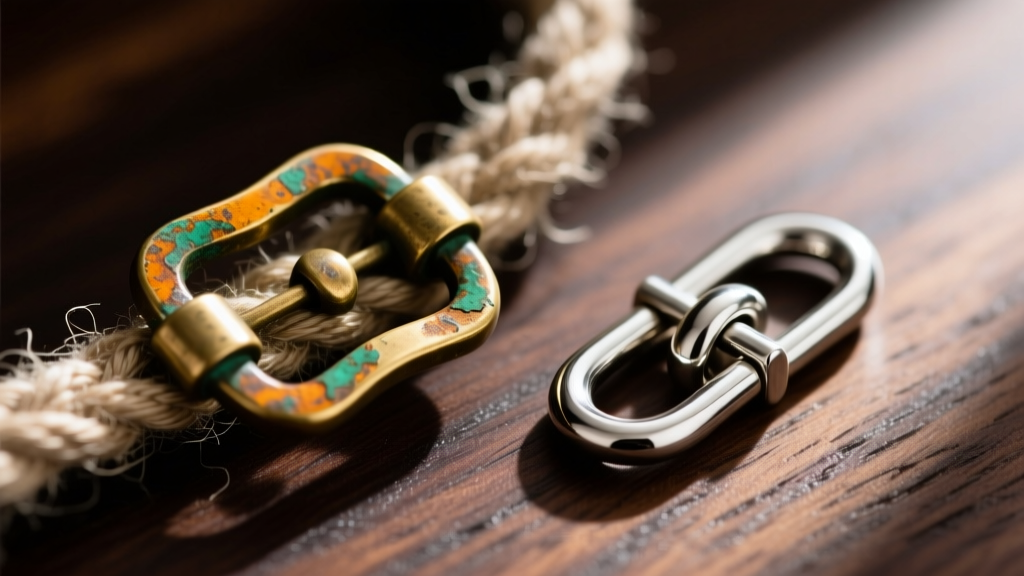
For heavy stone beads like 8mm garnet, the industry standard in 2026 is 49-strand stainless steel micro-wire (such as Beadalon), coated in nylon. This provides a drape similar to silk but boasts a tensile strength that prevents snapping. Avoid necklaces strung on monofilament (fishing line), which becomes brittle and snaps after 2-3 years of UV exposure, or basic nylon thread, which stretches and degrades rapidly when exposed to skin acids and perfumes.
Clasp Metallurgy
The clasp is the most frequent point of failure on budget bead necklaces. Hollow-cast base metal lobster clasps plated in 'antique brass' will tarnish, seize up, and eventually snap. A high-value burgundy bead necklace must feature solid hardware. Look for solid 925 sterling silver or 14k gold-filled toggle clasps. Toggles are mechanically superior for heavy bead strands because the weight of the necklace keeps the T-bar securely seated in the ring, whereas lightweight lobster clasps can easily catch on sweaters and pull open.
Care and Maintenance to Protect Your Investment
Preserving the financial and aesthetic value of your necklace requires strict adherence to material-specific care protocols. Never place a dyed howlite or resin burgundy necklace in an ultrasonic cleaner; the high-frequency vibrations and heat will strip the dye and fracture the beads. Natural almandine garnet, however, is entirely safe for ultrasonic cleaning, provided the beads are not heavily fractured. For all types, the safest and most effective cleaning method is a gentle wipe with a microfiber cloth dampened with distilled water and a drop of pH-neutral dish soap, followed by immediate drying to protect the stringing wire from oxidation.
Final Verdict: Budgeting for Your Burgundy Bead Necklace
If your budget is under $50, embrace the burgundy bead necklace as a seasonal fashion accessory, but explicitly verify that you are buying glass or resin, and refuse to pay premium prices for 'natural cherry quartz.' If your budget allows for $300 to $800, demand natural almandine garnet with proper gemological disclosure, strung on 49-strand micro-wire with solid sterling hardware. By scrutinizing the molecular and mechanical realities behind the beads, you ensure your investment retains its deep, captivating color—and its financial value—for decades to come.


