The Hand Necklace Tattoo Trend: 2026 Pendant Gift Guide
Explore the 2026 hand necklace tattoo trend. Compare fine-line tattoo-style hand pendants to real ink, with expert gifting tips, metals, and pricing.

Decoding the 'Hand Necklace Tattoo' Aesthetic
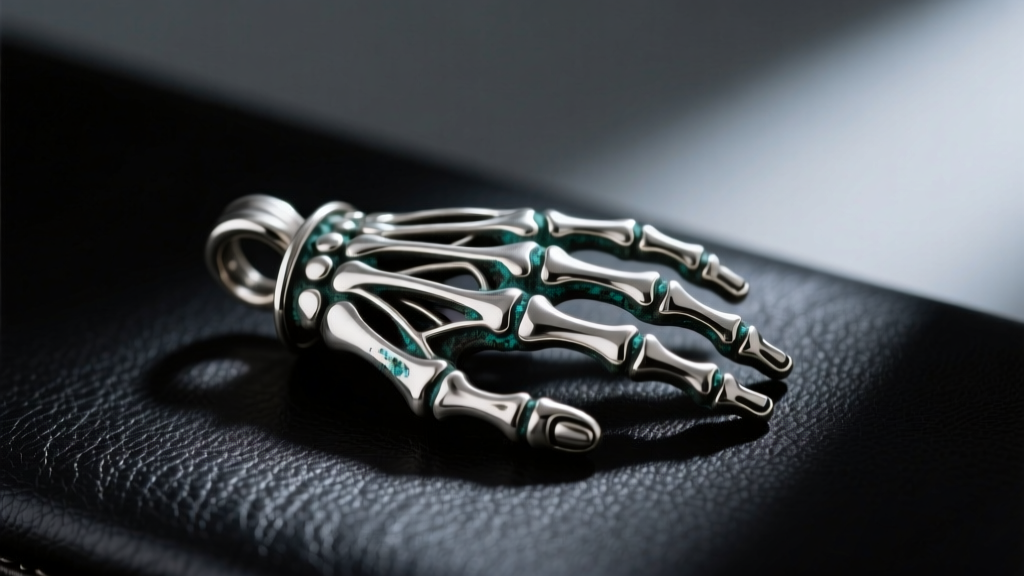
In the contemporary jewelry landscape of 2026, the search term hand necklace tattoo has evolved far beyond its literal interpretation. While it originally referred to delicate, fine-line ink placed along the collarbone or the back of the hand, it now defines a massive crossover trend in the pendant market: tattoo-flash-inspired hand motifs crafted in darkened metals to mimic the look of permanent body art. For gift-givers, this presents a unique dilemma and a brilliant opportunity. Do you gift a certificate for a real tattoo session, or do you invest in a high-end, tattoo-style hand pendant that captures the edgy aesthetic without the lifelong commitment or pain?
This guide breaks down the metallurgy, styling, and occasion-matching required to navigate the hand necklace tattoo trend, ensuring your gift resonates with the recipient's personal style and tolerance for permanence.
The Gifting Matrix: Real Ink vs. Tattoo-Style Metal
Matching the gift to the occasion is critical. A real tattoo is a deeply personal, permanent experience, whereas a tattoo-aesthetic pendant offers stylistic flexibility. Below is a decision framework to help you choose the right path based on the occasion and the recipient's lifestyle.
| Occasion | Real Tattoo Session | Tattoo-Style Hand Pendant | Budget Range | Commitment Level |
|---|---|---|---|---|
| 18th / 21st Birthday | Highly popular, but requires parental consent at 18. | Excellent alternative for those afraid of needles. | $80 - $250 | Medium to High |
| Anniversary / Partner Gift | Matching tattoos are common, but risky if the relationship is new. | Interlocking hand pendants (e.g., Hamsa or anatomical) symbolize protection. | $150 - $400 | High |
| Holiday / Casual Gifting | Too intense and personal for casual holidays. | Perfect. Oxidized silver flash-art pendants are trendy and accessible. | $45 - $120 | Low |
| Milestone Achievement (Graduation) | A permanent marker of a life chapter. | A sophisticated 'pointing hand' or 'holding hand' motif symbolizes guidance. | $100 - $300 | Medium |
Metallurgy of the 'Inked' Look: Material Grades Explained
To achieve the visual weight and high-contrast shading of a traditional blackwork or fine-line tattoo, jewelers rely on specific metal treatments. Understanding these finishes is crucial for evaluating quality and longevity, especially when gifting.
1. Oxidized 925 Sterling Silver
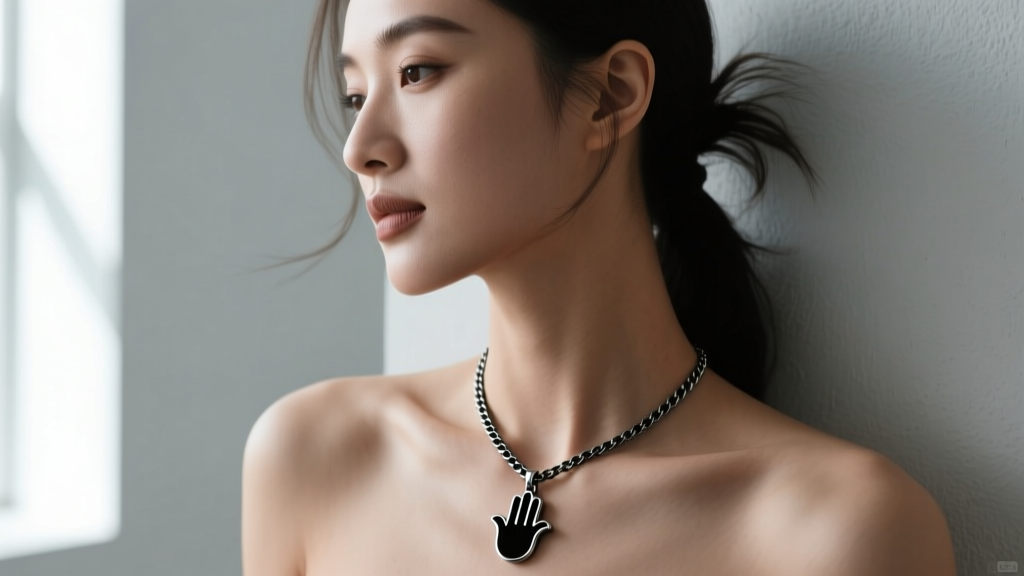
The most common and authentic-looking material for the hand necklace tattoo aesthetic. According to The Silver Institute, sterling silver is an alloy containing 92.5% pure silver and 7.5% copper. Jewelers intentionally expose the copper to sulfur compounds (often liver of sulfur) to create a blackened, oxidized patina. This mimics the settled, slightly faded look of vintage tattoo ink.
Pros: Authentic vintage feel, easily re-oxidized at home if it wears off.
Cons: The blackened finish will naturally polish away in high-friction areas over 1-2 years of daily wear.
Price Range: $60 - $150.
2. Black Rhodium Plating
For a darker, more metallic 'gunmetal' finish, white gold or silver bases are electroplated with black rhodium. This provides a sleek, modern interpretation of tattoo art, often used for geometric or neo-traditional hand designs.
Pros: Striking, high-shine dark finish that contrasts beautifully against pale skin tones.
Cons: Rhodium plating is a surface treatment. As noted in durability studies by the GIA (Gemological Institute of America), all plating eventually wears down to the base metal beneath, requiring professional re-plating every 12 to 18 months.
Price Range: $150 - $350.
3. PVD Black Titanium
Physical Vapor Deposition (PVD) is the gold standard for permanent dark finishes in 2026. Titanium is inherently hypoallergenic and lightweight, and the PVD process bonds a microscopic layer of black titanium nitride to the surface at a molecular level.
Pros: Virtually scratch-proof, waterproof, and will never fade or turn the skin green. Ideal for active recipients.
Cons: Cannot be easily resized or repaired if deeply gouged.
Price Range: $80 - $200.
Expert Gifting Tip: If your recipient works with their hands frequently (e.g., healthcare, mechanics, pottery), avoid black rhodium and opt for PVD Black Titanium or solid oxidized silver. The friction from manual labor will strip surface platings in a matter of weeks.
Chain Pairing: Anchoring the Tattoo Aesthetic
A tattoo-style hand pendant requires a chain that complements its edgy, alternative vibe. A standard, high-polish yellow gold rope chain will clash with the dark, moody aesthetic of the pendant. Instead, consider these specific chain profiles and gauges:
- The 2.5mm Oxidized Curb Chain: The flat, interlocking links of a curb chain provide a subtle, industrial backdrop. When oxidized to match the pendant, it creates a cohesive, 'inked' appearance across the entire neckline.
- The 1.5mm Blackened Cable Chain: For fine-line, single-needle style hand pendants (which are typically smaller, around 15x20mm), a delicate cable chain prevents the metal from overpowering the intricate engraving.
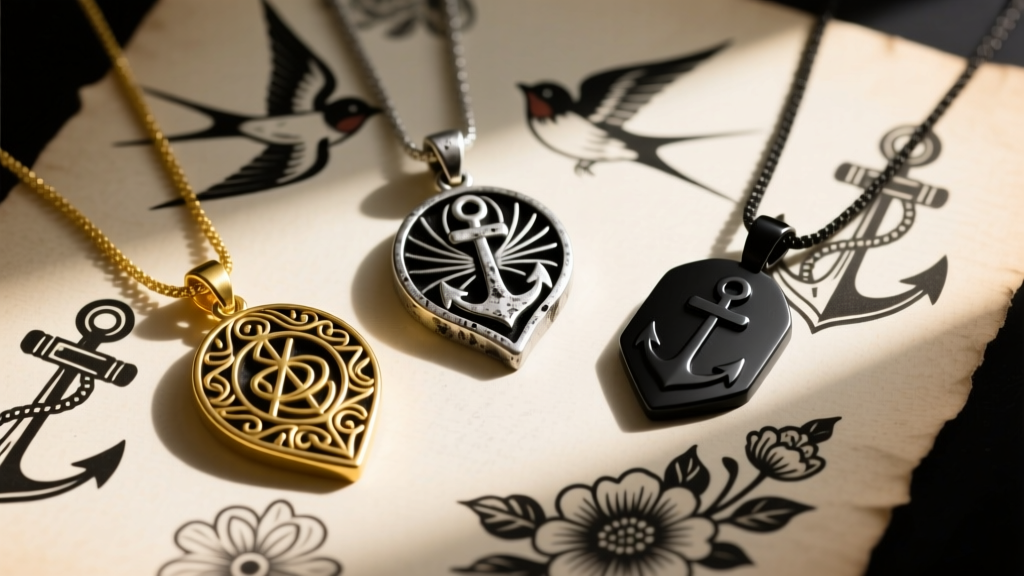
- The 4.0mm PVD Cuban Link: Reserved for bold, traditional Sailor Jerry-style anatomical hand pendants. The heavy weight of the Cuban link anchors larger pieces (30mm+) and suits a streetwear-heavy wardrobe.
Sizing, Placement, and Neckline Matching
The visual impact of a hand necklace tattoo pendant relies heavily on where it rests on the chest. Hand motifs—whether an open palm, a pointing finger, or a protective Hamsa—are inherently directional and carry visual weight.
Length Guidelines by Motif
Anatomical Hands & Skulls (16-18 inches): These pieces are designed to sit in the hollow of the throat or just above the sternum. A choker or princess-length chain keeps the macabre, edgy focal point tight to the body, mimicking the placement of a traditional throat or sternum tattoo.
Hamsa & Evil Eye Hands (20-22 inches): Protective symbols are best worn at the matinee length, allowing them to rest over the heart or the top of a crewneck sweater. This length provides a more relaxed, bohemian layering opportunity.
Navigating Necklines
When gifting, consider the recipient's typical wardrobe. A dark, oxidized silver hand pendant pops brilliantly against crisp white linen, faded vintage denim, and black turtlenecks. However, it will completely disappear against dark grey or patterned flannel. If the recipient favors busy patterns, recommend a pendant with a subtle gemstone accent—such as a single, bezel-set black onyx or turquoise cabochon in the palm of the hand—to provide a necessary focal point of contrast.
Final Verdict: Choosing the Right Gift
The hand necklace tattoo trend is a testament to jewelry's ability to capture the rebellious, deeply personal spirit of body art without the permanence of ink. For a milestone birthday or a partner with a bold, alternative wardrobe, a PVD black titanium anatomical hand pendant on a heavy Cuban link is an unforgettable, durable gift. For a more subtle, artistic recipient who appreciates fine-line flash art, an oxidized sterling silver Hamsa on a delicate cable chain offers everyday elegance with an edge. By matching the metallurgy and chain gauge to the recipient's lifestyle, you ensure the piece remains a staple in their rotation for years to come.


