Harry Styles Beaded Necklace: A Material & Durability Guide
Compare materials for the iconic Harry Styles beaded necklace trend. We analyze pearls, glass, and stone for durability, weight, and pricing.

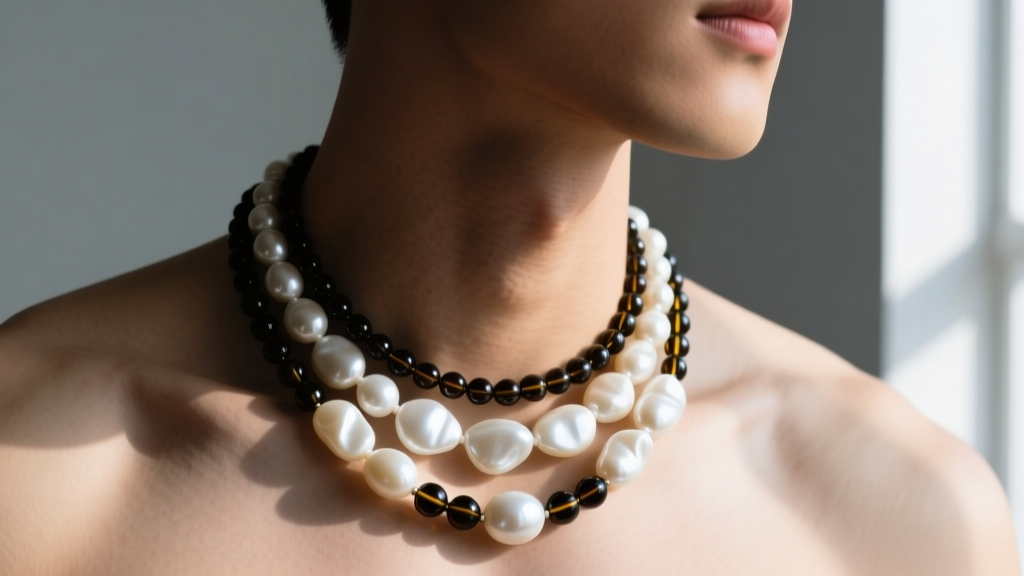
When Harry Styles first stepped onto the red carpet wearing a strand of pearls, it sparked a massive shift in modern jewelry trends. What began as a pop-culture moment has firmly evolved into a staple of contemporary unisex and menswear fashion. However, as the trend matures in 2026, consumers are moving away from cheap, fast-fashion plastics and seeking out high-quality, durable alternatives. If you are investing in a Harry Styles beaded necklace, understanding the material properties of the beads—and the hardware that holds them together—is the difference between a piece that lasts a lifetime and one that snaps or degrades within a month.
The Anatomy of a Pop-Culture Icon: Why Beads Matter
The signature aesthetic of this trend relies on a mix of organic textures, contrasting sizes, and layered lengths (typically 16 to 20 inches). But beneath the visual appeal lies a complex matrix of material science. Beads are subjected to constant friction against one another, exposure to the skin's natural oils, and environmental stressors like sweat and UV light. Choosing the right material dictates not only the necklace's drape and weight on the collarbone but also its long-term structural integrity.
Material Showdown: Pearls vs. Glass vs. Semi-Precious Stone
To replicate the authentic, high-end look popularized by Styles, jewelers primarily rely on three categories of materials. Each possesses distinct physical properties that affect wearability and care.
Freshwater Pearls (The Signature Look)
The quintessential Harry Styles beaded necklace features freshwater pearls. Unlike perfectly round, expensive saltwater Akoya pearls, freshwater pearls offer organic, baroque shapes that feel effortlessly rugged.
- Hardness: Pearls rank at a mere 2.5 to 3.0 on the Mohs scale, making them highly susceptible to scratching from harder stones or metal clasps.
- Porosity & Chemistry: Pearls are organic, composed primarily of calcium carbonate. They are highly porous and vulnerable to acids. Lactic acid from human sweat can slowly dissolve the nacre over time, leading to a loss of luster and structural pitting.
- Grading: Look for AAA-grade freshwater pearls with a nacre thickness of at least 0.4mm to ensure the bead won't peel or crack under tension.
Lampwork & Borosilicate Glass
Glass beads provide the necessary visual weight and deep, saturated colors that contrast beautifully with white pearls.
- Hardness: Glass sits around 5.5 to 6.0 on the Mohs scale. It will not scratch easily from daily wear but can shatter upon sharp impact.
- Specific Gravity: Glass is significantly denser than pearl or acrylic. A necklace heavily laden with glass beads will pull on the nape of the neck, requiring a thicker stringing wire to support the tensile load.
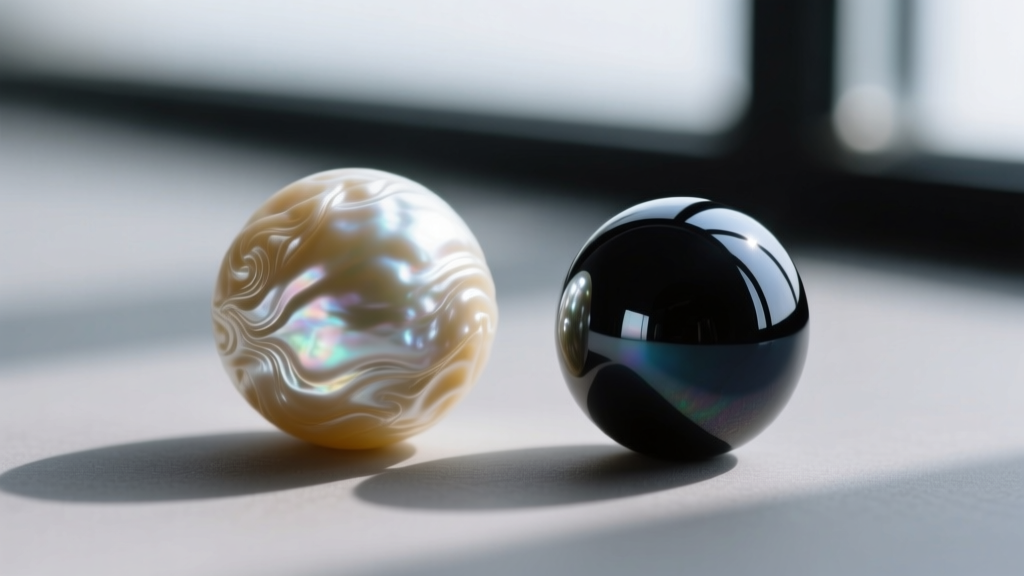
Natural & Dyed Agates / Onyx
Black onyx or dyed agate beads are frequently used as spacers or focal points in beaded strands.
- Hardness: At 7.0 on the Mohs scale, agate is highly durable and scratch-resistant.
- The Dye Problem: Many cheap black onyx beads are actually gray agate dyed with carbon or chemical blackeners. If exposed to alcohol-based perfumes or prolonged sunlight, low-grade dyed stones can bleed color onto the skin or adjacent porous pearls.
Comparative Data: Weight, Hardness, and Price Ranges
When designing or purchasing your strand, use this data table to balance aesthetics with physical limitations. The prices reflect an 18-inch strand of 6mm to 8mm beads in the current market.
| Material | Mohs Hardness | Specific Gravity (Weight) | Porosity | Avg. Price (18" Strand) |
|---|---|---|---|---|
| Freshwater Pearl (AAA) | 2.5 - 3.0 | 2.70 (Light) | High | $45 - $120 |
| Borosilicate Glass | 5.5 - 6.0 | 2.23 (Medium) | None | $15 - $40 |
| Natural Black Onyx | 7.0 | 2.65 (Medium) | Low | $20 - $60 |
| Dyed Agate | 6.5 - 7.0 | 2.60 (Medium) | Moderate | $8 - $25 |
Stringing Materials: The Hidden Failure Point
The most common point of failure in any beaded necklace is not the bead itself, but the stringing material. According to engineering data from Soft Flex Company, the tensile strength and abrasion resistance of the core wire dictate the lifespan of the jewelry.
Silk Thread (The Traditional Trap)
Historically, pearls were knotted on silk thread. While beautiful, silk degrades rapidly when exposed to moisture and sweat. In a modern, un-knotted beaded necklace, silk will stretch and snap within months of regular wear.
Woven Stainless Steel Wire (The Industry Standard)
High-end beaded necklaces use nylon-coated, woven stainless steel wire (often referred to by the brand name Soft Flex).
- 0.015-inch Gauge: Ideal for lightweight freshwater pearls and small glass seed beads. It offers a supple drape that mimics fabric.
- 0.019-inch Gauge: Mandatory if your Harry Styles beaded necklace features heavy stone beads, large glass focal beads, or metal hardware. It provides a breaking strength of up to 30 pounds, preventing catastrophic snaps.
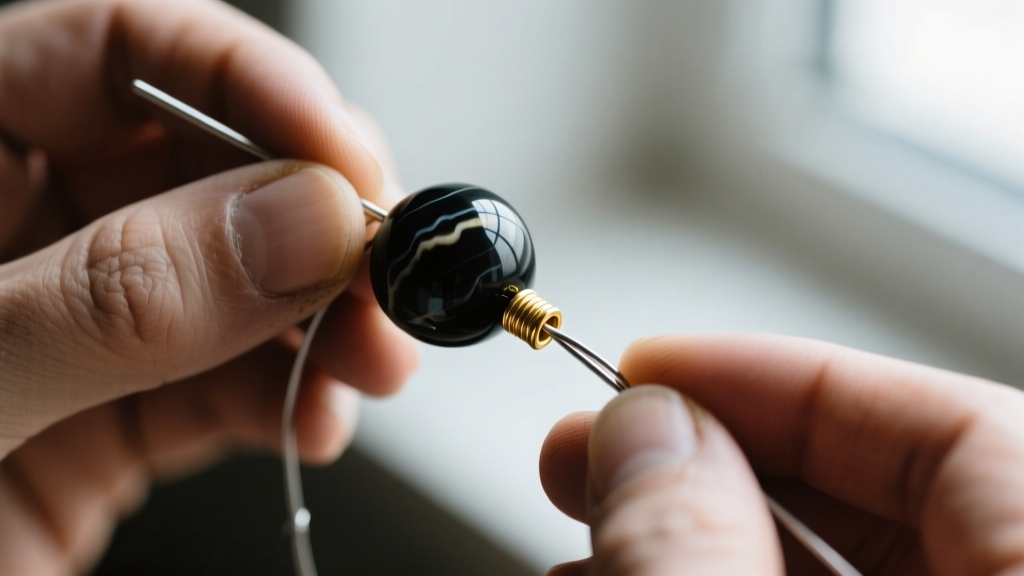
Braided Polyethylene (Power Pro)
For ultra-heavy, oversized bead designs, braided polyethylene fishing-style lines offer immense tensile strength without the memory (kinking) associated with cheap metal wires. However, they require specialized knotting techniques rather than crimp beads.
Clasp Hardware: Beyond the Lobster Claw
The clasp on a beaded necklace endures immense rotational friction. Cheap base-metal lobster claws plated in silver or gold will quickly wear through their plating, exposing brass that turns the skin green and eventually snaps at the hinge.
The Expert Recommendation: Opt for solid 14k gold or solid sterling silver toggle clasps. Toggles distribute the weight of heavy beaded strands more evenly than spring-loaded mechanisms and are far less likely to accidentally unhook when pulling a t-shirt over your head. If you prefer a magnetic clasp for ease of use, ensure it features a neodymium core encased in solid stainless steel to prevent demagnetization over time.
Care Protocols for Longevity
Maintaining a mixed-material beaded necklace requires a nuanced approach, as cleaning agents safe for glass can destroy pearls. The Gemological Institute of America (GIA) explicitly warns against using ultrasonic cleaners or ammonia-based solutions on organic gems.
- The Wipe-Down Rule: After every wear, gently wipe the pearls and porous stones with a dry, lint-free microfiber cloth to remove lactic acid and skin oils before they can etch the nacre.
- The Perfume Protocol: Always apply colognes, sunscreens, and hair products at least 15 minutes before putting on your necklace. Alcohol and chemical UV filters will strip the luster from pearls and degrade the nylon coating on stainless steel beading wires.
- Storage: Never store a beaded necklace hanging on a peg for long periods. The constant gravitational pull can cause permanent stretching in the wire or thread. Store it flat in a soft pouch, separated from harder diamond or sapphire jewelry that could scratch the softer beads.
Final Verdict: Investing in the Trend
The Harry Styles beaded necklace is no longer a fleeting fad; it is a recognized category of modern fine and semi-fine jewelry. By prioritizing AAA-grade freshwater pearls, verifying that stones are naturally colored rather than chemically dyed, and insisting on 0.019-inch woven stainless steel stringing, you can own a piece that transcends seasonal trends. True style lies not just in the aesthetic of the accessory, but in the integrity of its construction.


